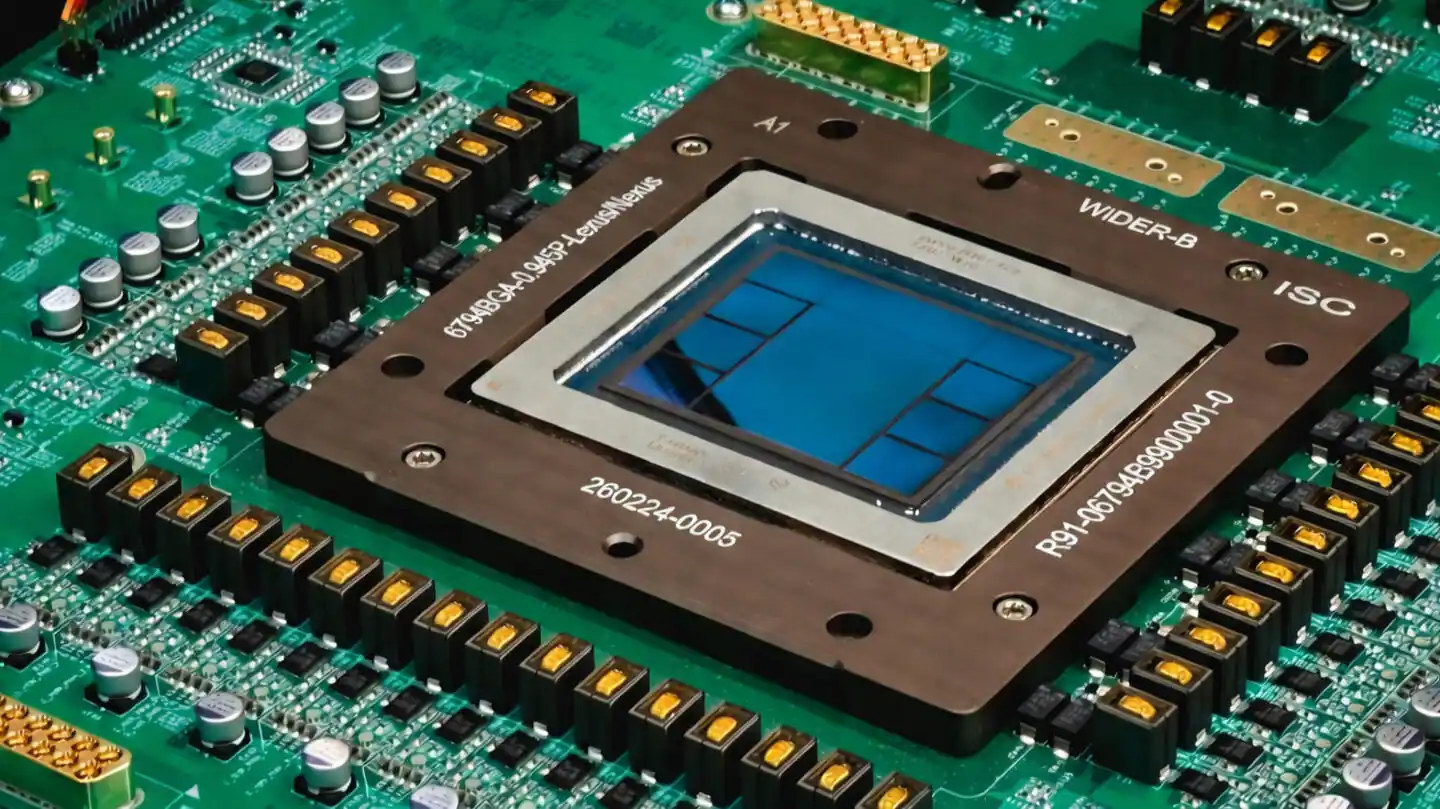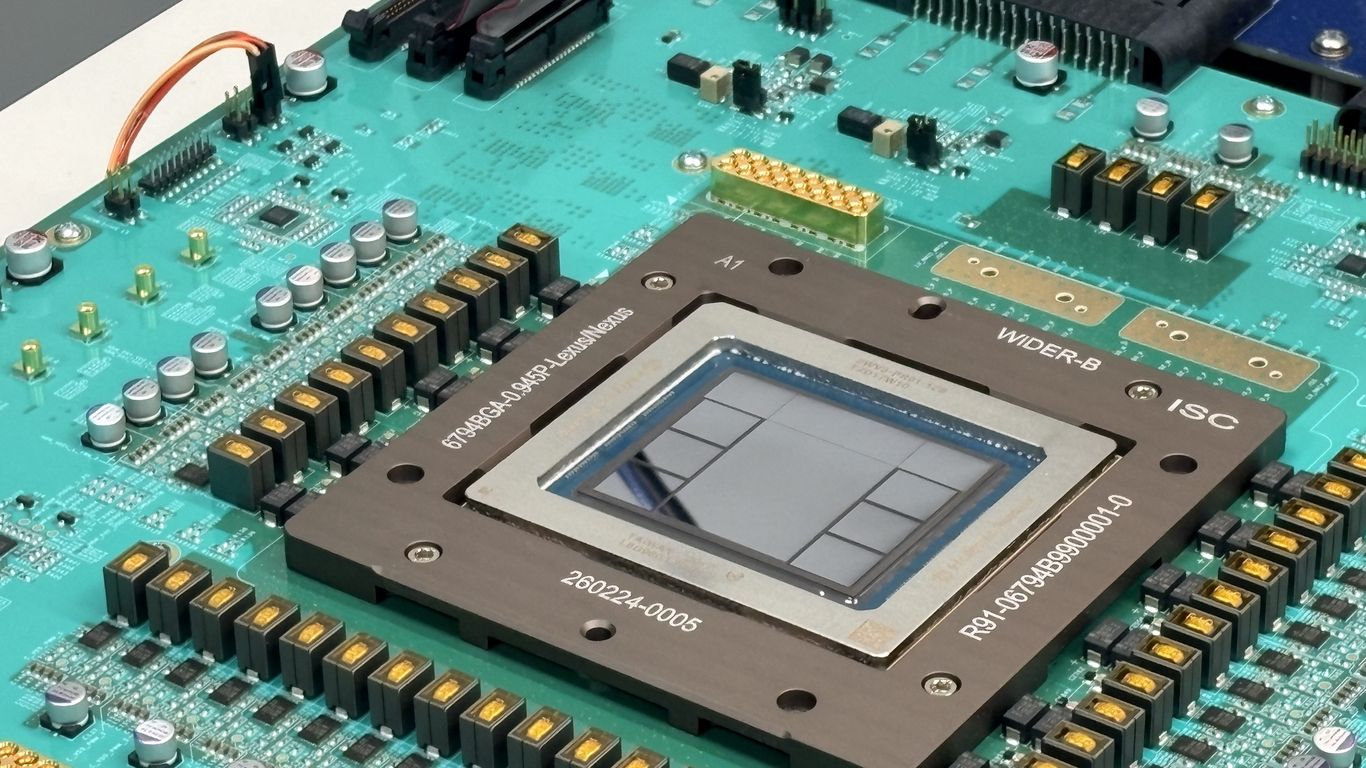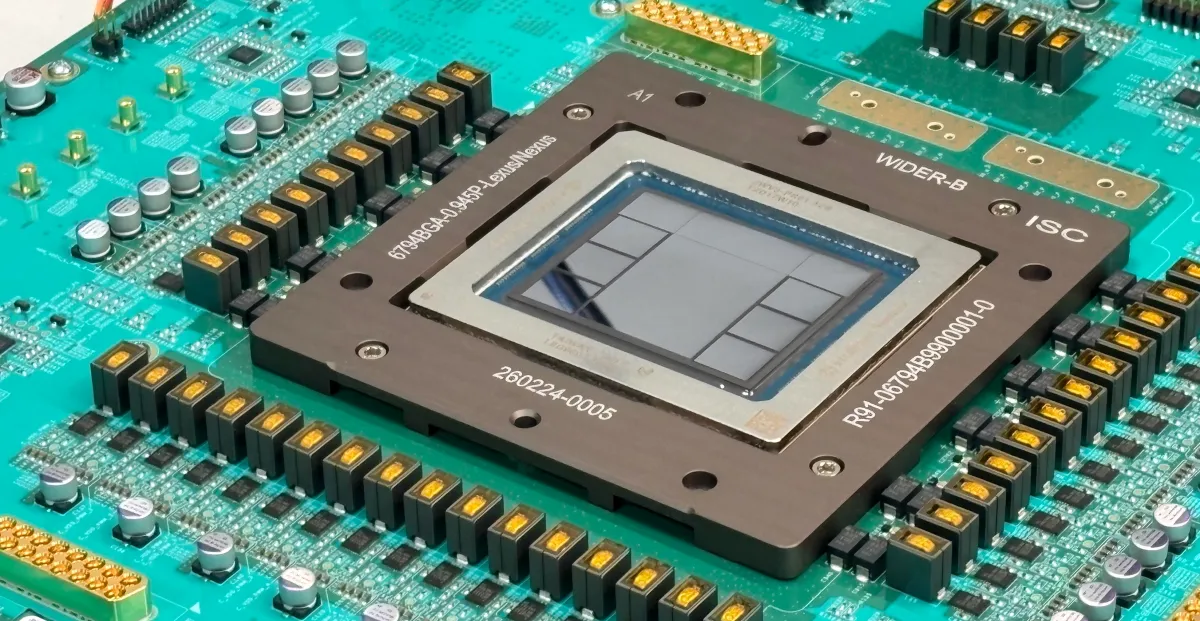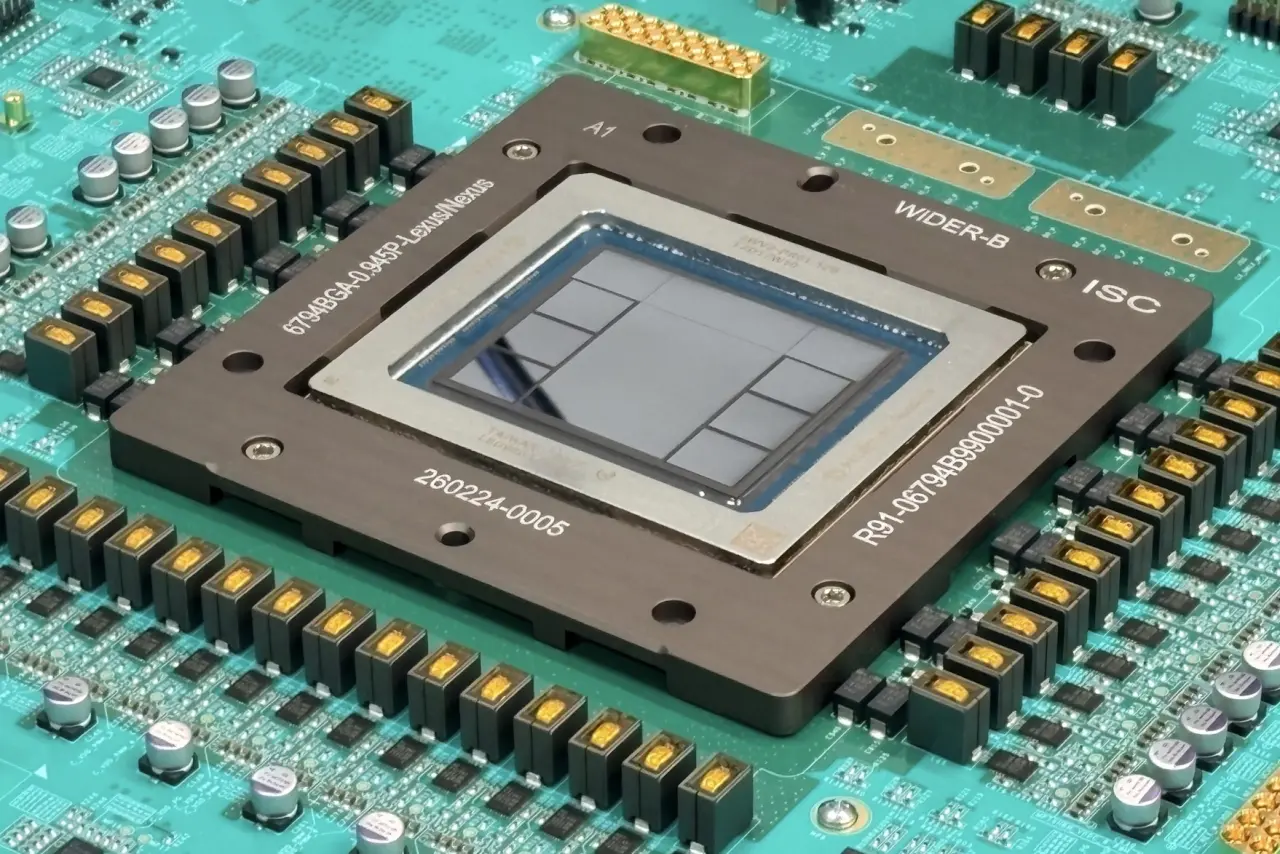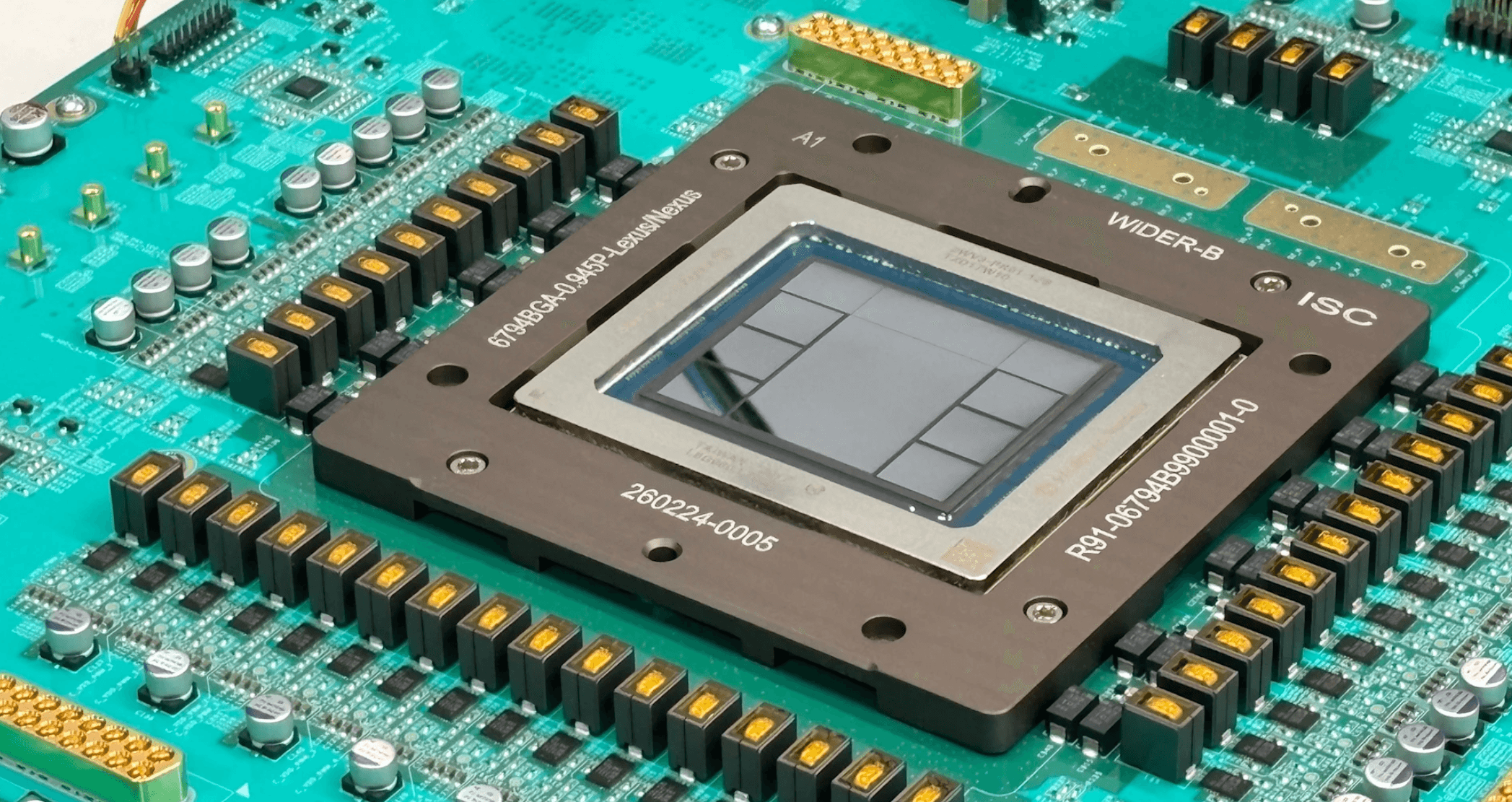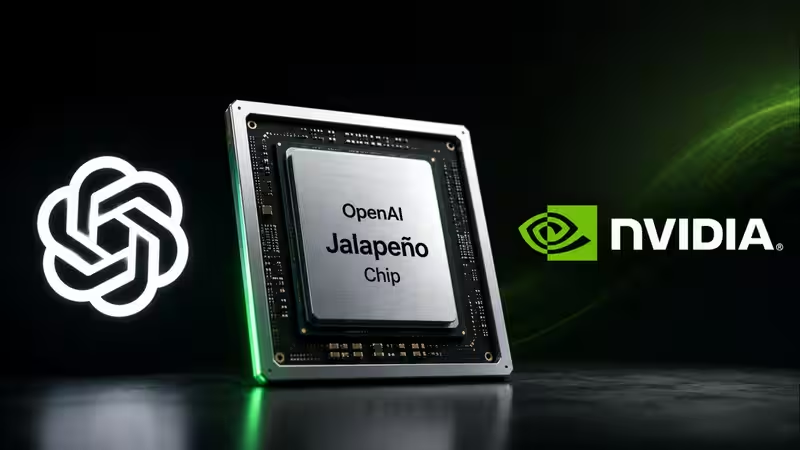
Link CopyTwitterLinkedinWhatsappOpenAI's Jalapeño Chip Posts 1.9x Nvidia's Work Per WattOpenAI has unveiled its Jalapeño chip, showcasing superior efficiency and speed compared to Nvidia's systems. This tailored silicon aims to drastically lower operational expenses for AI tasks. Simultaneously, other technology leaders are crafting their own custom AI chips, designed for specific functionalities rather than general computing. The landscape of the AI chip market is swiftly transitioning towards these specialized, proprietary solutions.OpenAI published the first numbers for its custom inference chip. The metric it chose to lead with tells you as much about the race as the silicon does.Key HighlightsJalapeño delivered 1.5 to 1.9 times more AI work per watt and 1.7 to 3.6 times lower end-to-end latency than Nvidia GB200 and GB300 systems across three public models.OpenAI rates Jalapeño at 700W against 1,200W for GB200 and 1,400W for GB300, and normalised every per-watt figure using those published ratings.Broadcom co-designs Jalapeño, Google's TPUs and Apple's Baltra server chip, so most routes away from Nvidia pass through one supplier.SummaryOpenAI published the first performance results for Jalapeño, its custom inference chip built with Broadcom, on 25 August 2026. The chip delivered 1.5 to 1.9 times more AI work per watt and up to 3.6 times lower end-to-end latency than Nvidia Blackwell systems across three public models. Deployment inside OpenAI begins by the end of 2026.About The AuthorAt heart, I am a storyteller drawn to the watershed moments that bend the technology landscape. I braid narrative with data, humanise statistics, and trace the arc from first spark to world-changing impact. My reportage, features and reviews are witty, sardonic, visual and vivid, using anecdote to illuminate rather than eviscerate.
OpenAI's Jalapeño Chip Posts 1.9x Nvidia's Work Per Watt
OpenAI has unveiled its Jalapeño chip, showcasing superior efficiency and speed compared to Nvidia's systems. This tailored silicon aims to drastically lower operational expenses for AI tasks. Simultaneously, other technology leaders are crafting their own custom AI chips, designed for specific functionalities rather than general computing. The landscape of the AI chip market is swiftly transitioning towards these specialized, proprietary solutions.
4,284 words~19 min read