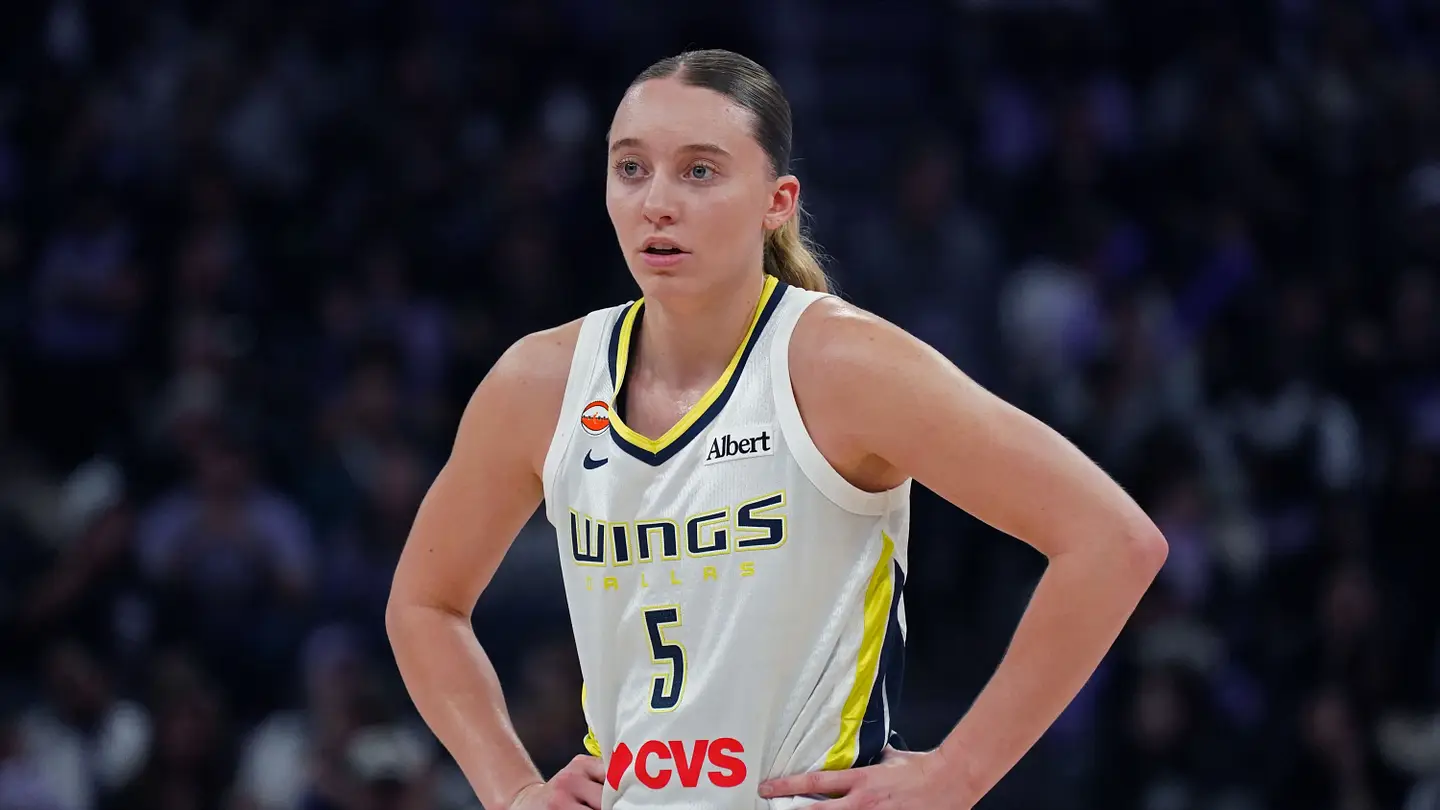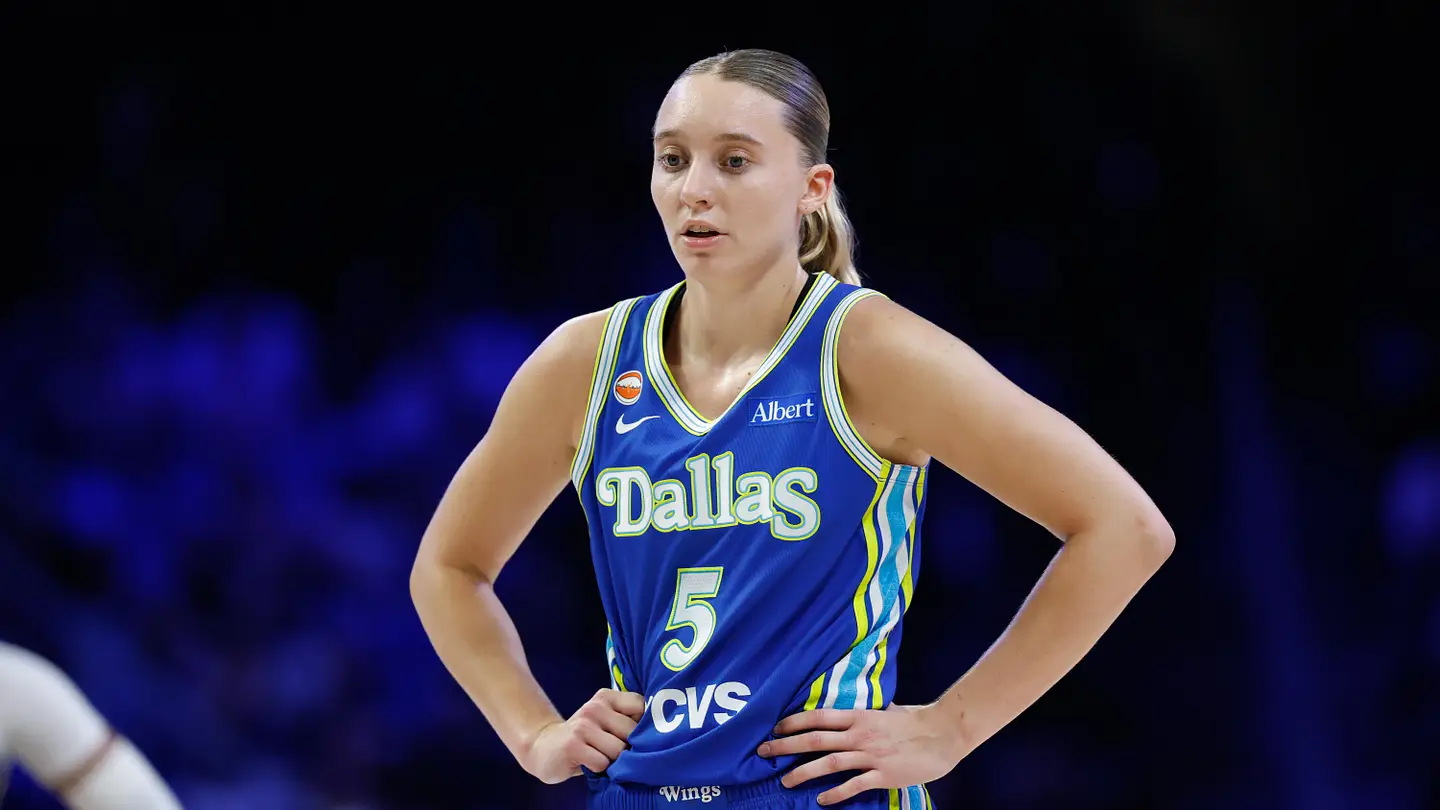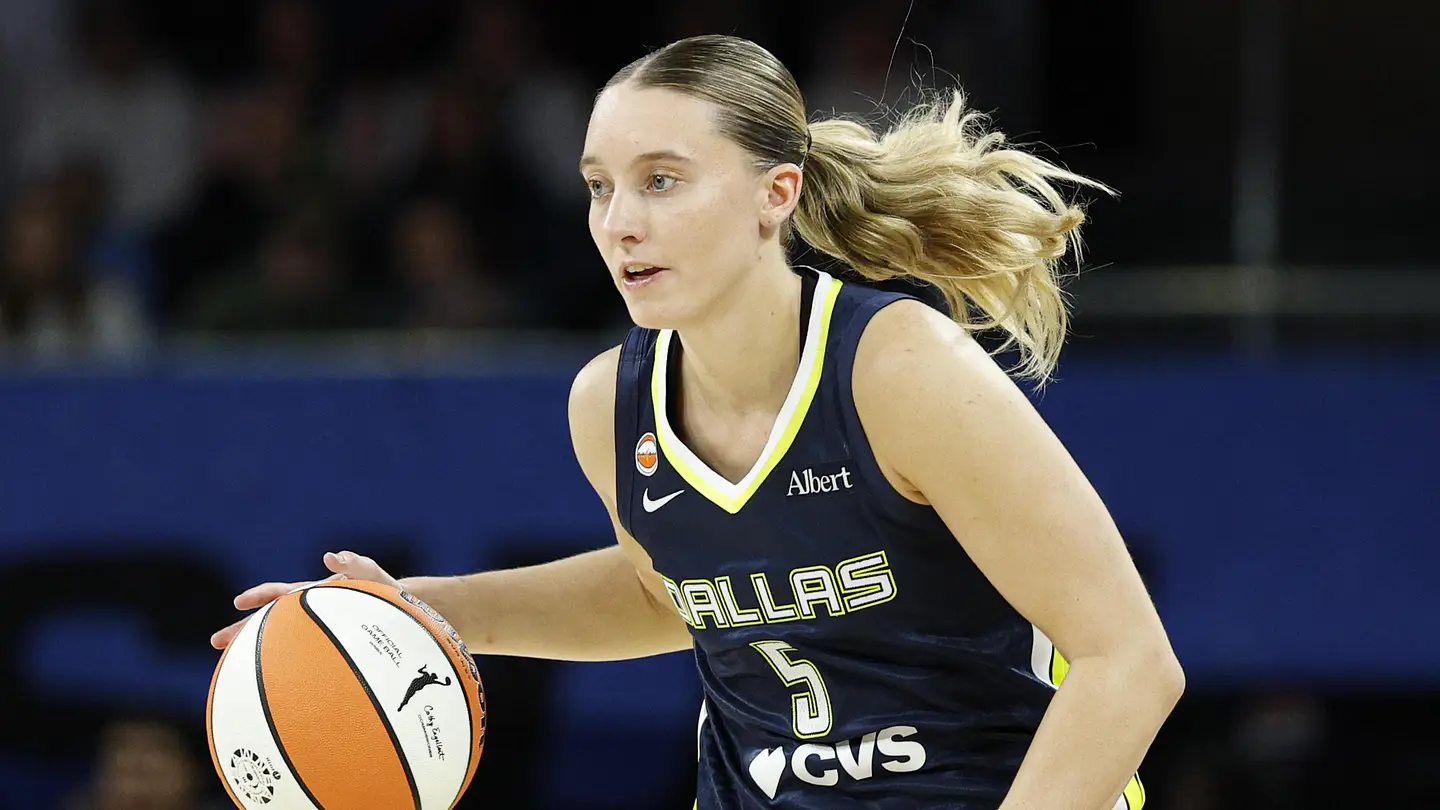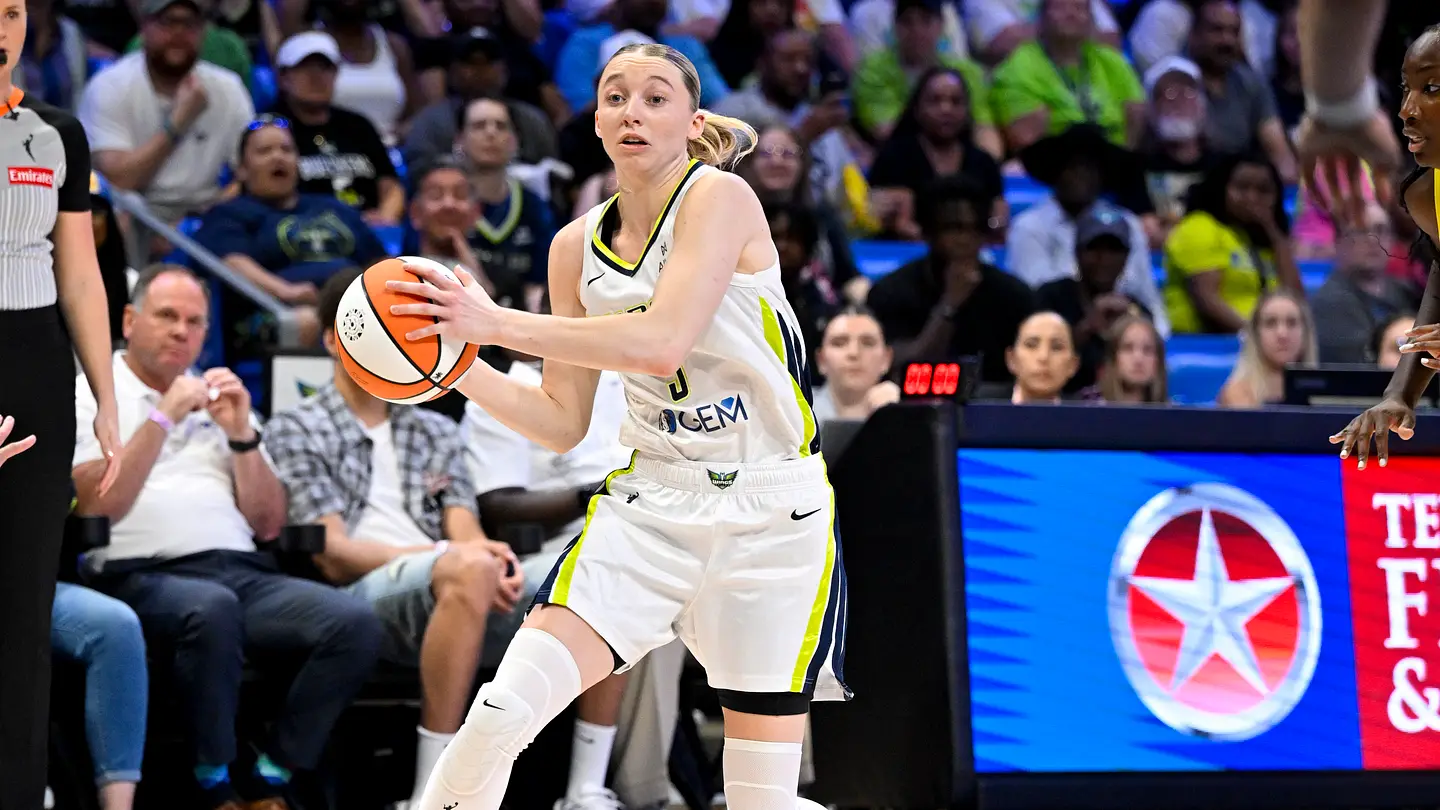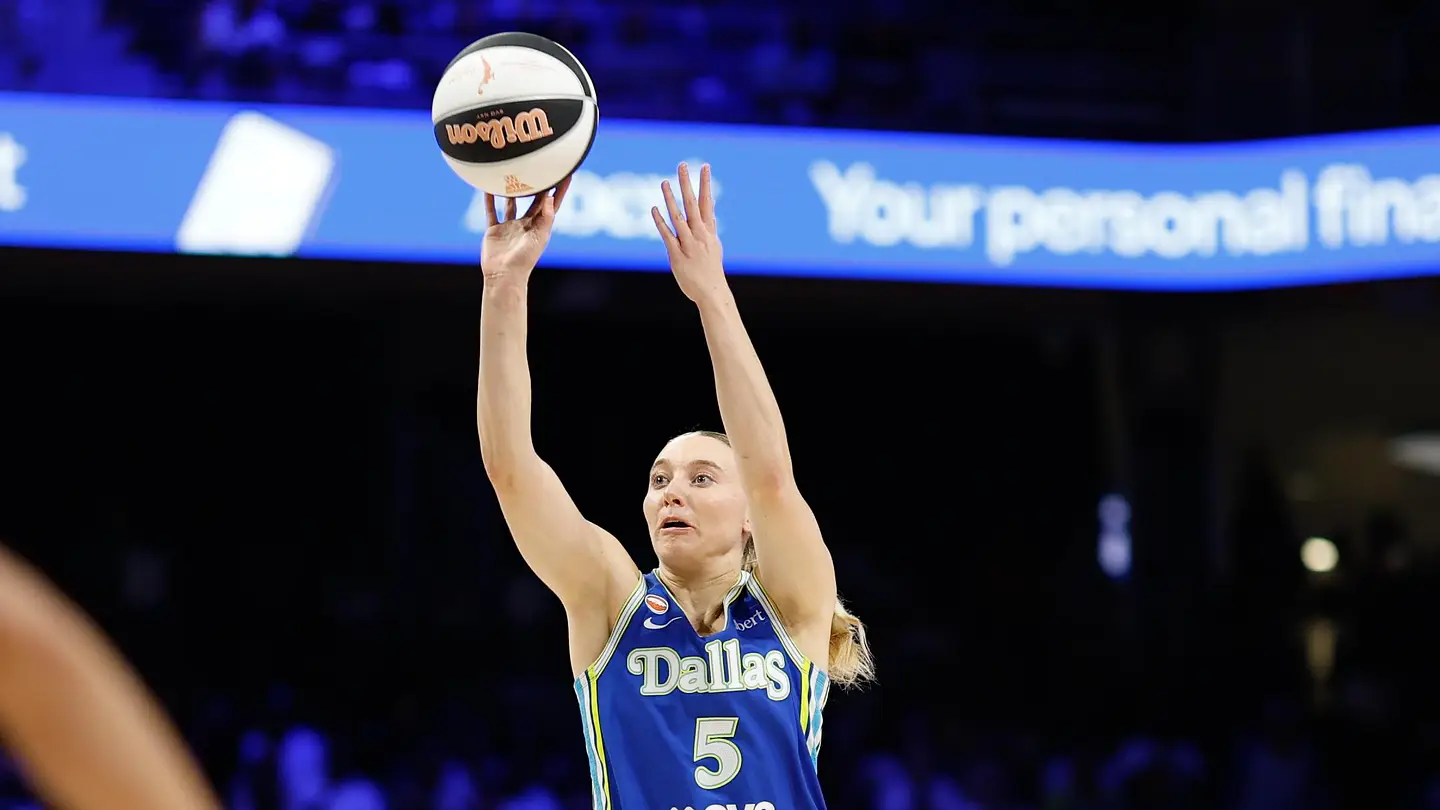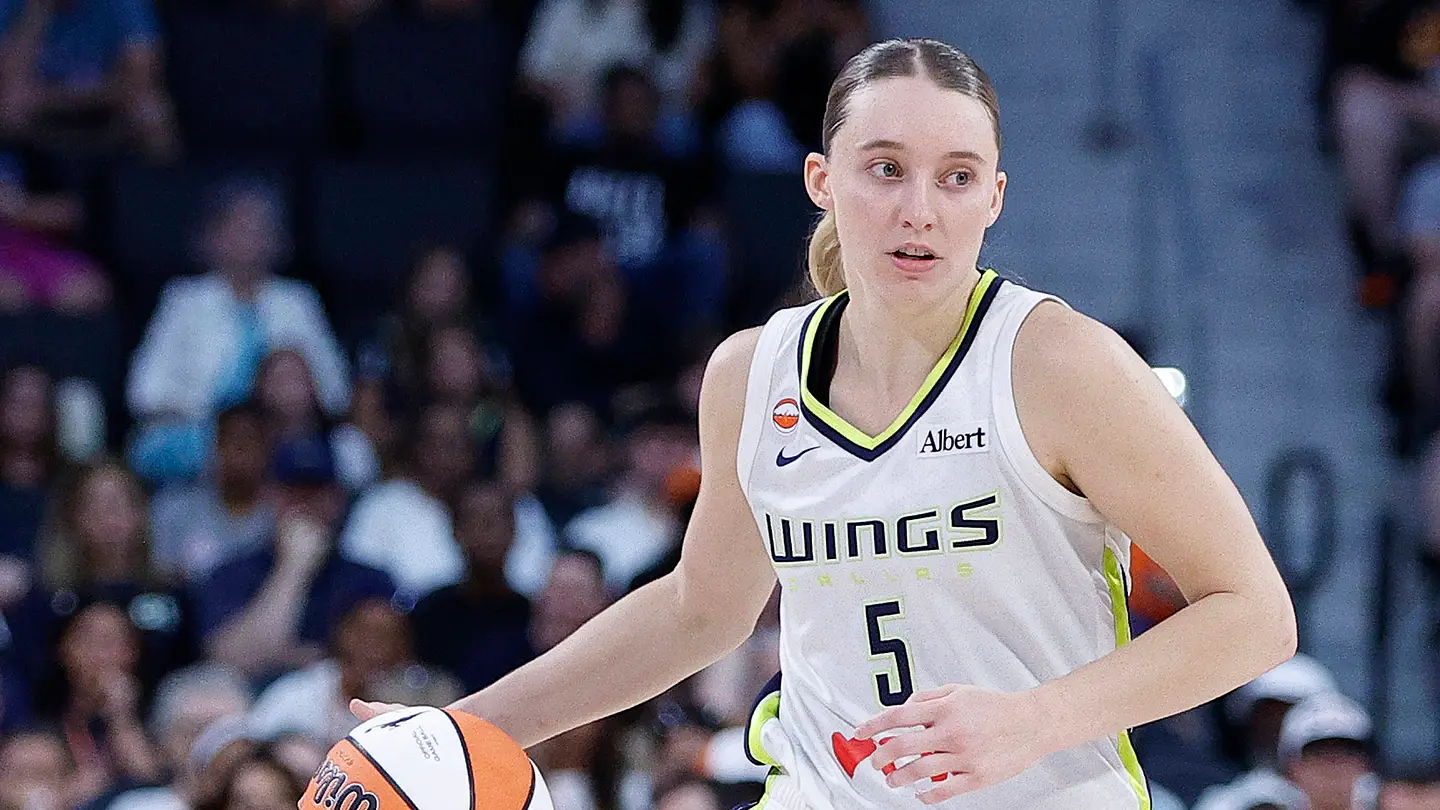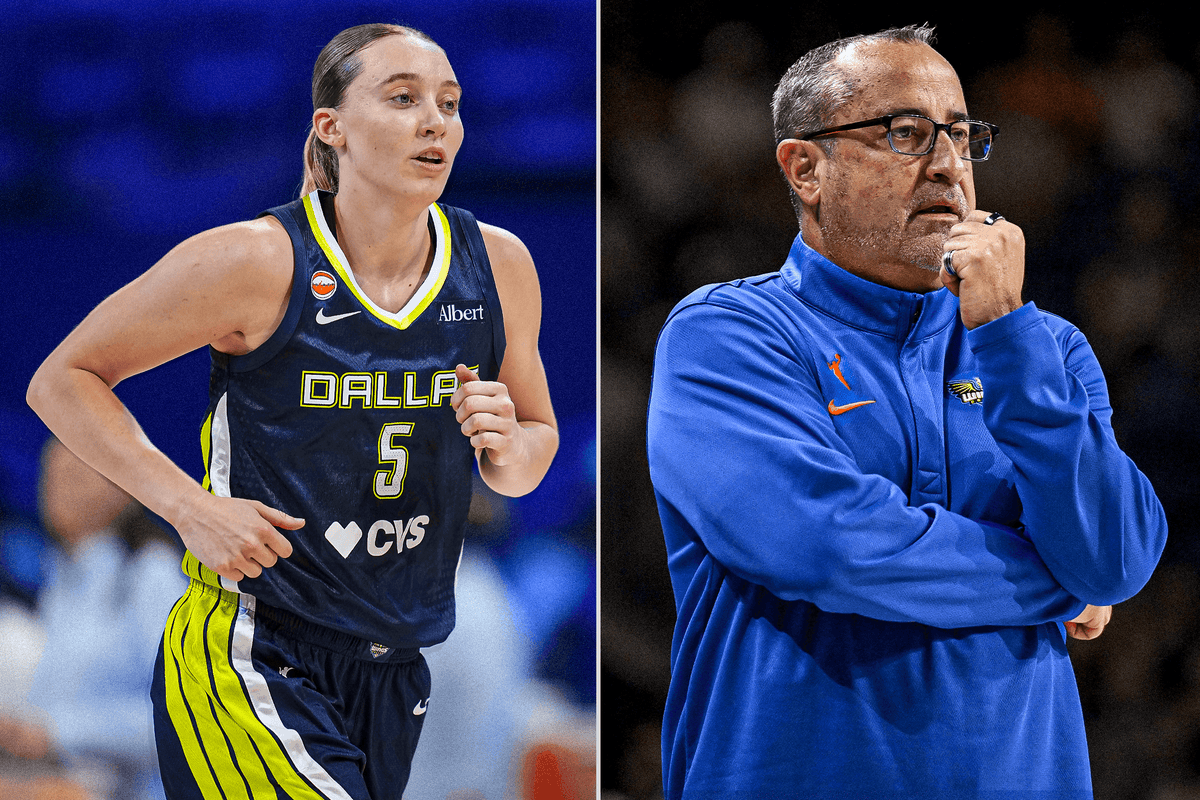
ARLINGTON, Texas — While relaxing courtside after a July practice, Paige Bueckers explains how she found her way into a World Cup semifinal. The tickets, via Nike, belonged to someone else. Then Victor Wembanyama canceled late. So the shoe company approached Bueckers. With no pique over pecking order — “I’m not alien status,” she notes with a grin — the Dallas Wings All-Star accepted, to the relief of whichever France fan was supposed to sit behind a 7-foot-4 velociraptor.Jose Fernandez, her new head coach, also landed a spot inside AT&T Stadium that afternoon, albeit via an invite from the team president. “I wasn’t going to pay $17,000 for two tickets,” the Wings’ first-year skipper cautions. He wasn’t elbow-to-elbow with his point guard. Fernandez likely couldn’t even see Bueckers from his seat as Spain and France clashed. But here, with the arc of a franchise to be defined, so much depends upon arriving at the same place, under any circumstances.The Dallas Wings are the WNBA’s most-improved outfit, going from last-place calamity to playoff squad primarily due to consecutive No. 1 overall draft picks Bueckers and Azzi Fudd and a free-agent signee, forward Jessica Shepard, who’s producing like a top-10 player. More good players doing more good stuff, at least until surgery sidelined one of them. The math maths there.Watch This: Wings head to playoffs for first time since 2023 But the 54-year-old coach who clambered from community college to Division II to a mid-major Division I program for 25 years before this? A guy with zero WNBA experience, handed a highly scrutinized job and tasked with gaining the trust of multiple all-league-caliber talents, instantly? That was a variable.A good flow early turned into an ebb, with eight losses in 11 games and Fudd shut down as of August 19 as she awaits arthroscopic surgery on her right knee. Plans change. The message didn’t, the Wings recovered, and now they’re playoff-bound for the first time since 2023. After a long and labored climb, Fernandez can’t help but come by things honestly.“You gotta have an inner confidence in yourself in what you’re doing, a belief that you’re gonna be successful when you’re doing it,” he says. “I really could give a s— when people talk about me and what they think of me. If you’re worried about what people are saying about you and what they’re talking about, you’re going to end up being where they’re at. Not coaching this team.”Unambiguous self-assurance indeed has been a job requirement.As a rough stretch dropped the Wings to eighth in the standings, the vibes spoiled a bit. Local grumbling ensued. Then three straight victories reset the mood. The Wings are in the postseason one year after finishing with the league’s worst record, just the third WNBA team to do so in the last decade.As Bueckers puts it: “I try not to be an outcome-oriented person, but winning just makes me so happy. It makes everyone around us happy. And losing friggin’ sucks.”It is oddly perfect that a chat with Fernandez takes place in a grimly lit equipment room at the College Park Center, an operations base borrowed from the University of Texas-Arlington. Because a year from that moment, the Wings will have a standalone $81 million practice facility. They will play at the American Airlines Center in downtown Dallas, capacity 19,200, and not at a college gym that fits about half as many. The core — the aforementioned trio as well as four-time All-Star guard Arike Ogunbowale — is signed through 2027 at least. The future has some shine to it.Overseeing the abundance and expectation will be an individual who grew up in Miami as a half-Cuban, half-Spanish kid who hated baseball — “I was the guy out in left field throwing the glove up in the air,” Fernandez says — but loved watching the Boston Celtics, Detroit Pistons and Chicago Bulls in the NBA of old. He learned the value of discipline the hard way; legendary Southwest Miami High basketball coach Tom Moore booted Fernandez as a junior for failing to meet standards in and out of the classroom. Fernandez earned his way back as a senior, then started coaching as a student assistant pursuing an associate’s degree at Miami-Dade College in the early 1990s, washing uniforms and sweeping floors and filling ball racks and taping ankles.Whatever needed to be done, Fernandez did it.Then came a high school boys basketball assistant gig. Then a Division II men’s hoops assistant role. Then a high school girls head coach spot and directing an AAU program in Miami. The opportunities in women’s basketball kept arriving and Fernandez kept taking them. Still, he wasn’t a college head coach at any level until South Florida elevated him in November 2000.He didn’t want to leave. One, he doesn’t like the cold. Two, South Florida’s resources and compensation outpaced the power-conference programs that pursued his services. His 485 wins amassed across 25 seasons in Tampa are not beside the point, but the callouses and wisdom accumulated out of plain sight might count for as much. “A lot of coaches need to realize that, hey, there’s a lot of work to be done before the lights get bright,” Fernandez says.The nuances in his winning, meanwhile, explain the position he’s in now.He’s a self-described “junkie” who worked summer camps nonstop as a young coach and guesses he’s visited 70 or 80 countries to scout and learn. He liked basketball that flowed — through different reads and screens and even deceptive actions — with an emphasis on sharing the ball. Rick Pitino’s five-out offense at Kentucky. Teams run by European legends Sergio Scariolo and Ettore Messina. So Fernandez built an offense based on skill at all positions, forcing defenses to defend multiple actions and ensuring stars glow brightest.
Coach star Paige Bueckers? Resurrect the Dallas Wings? It’s all ‘just basketball’ to Jose Fernandez
After playing for Geno Auriemma at UConn, Bueckers wanted brutal honesty from her WNBA coach. She got it from his pal, Fernandez.
2,656 words~12 min read