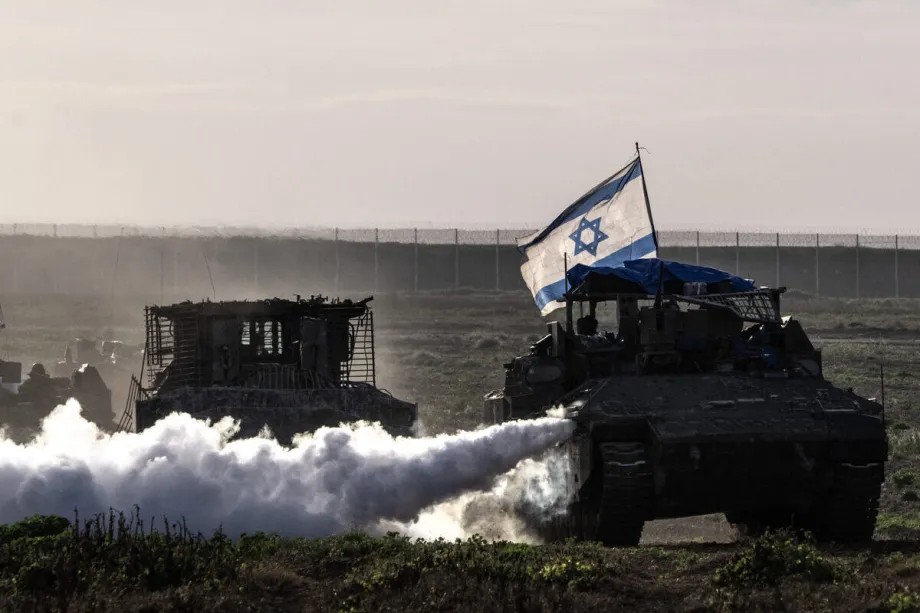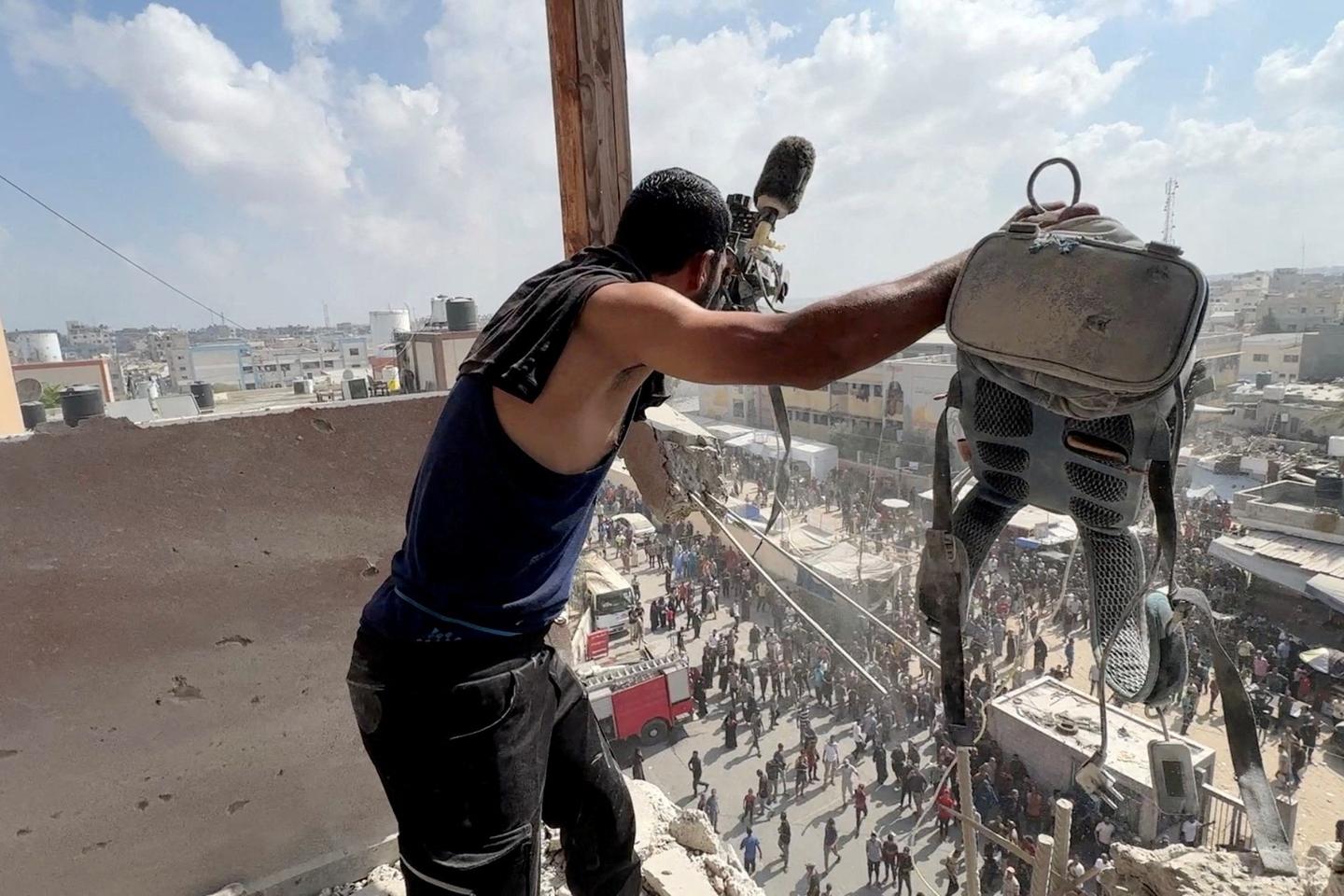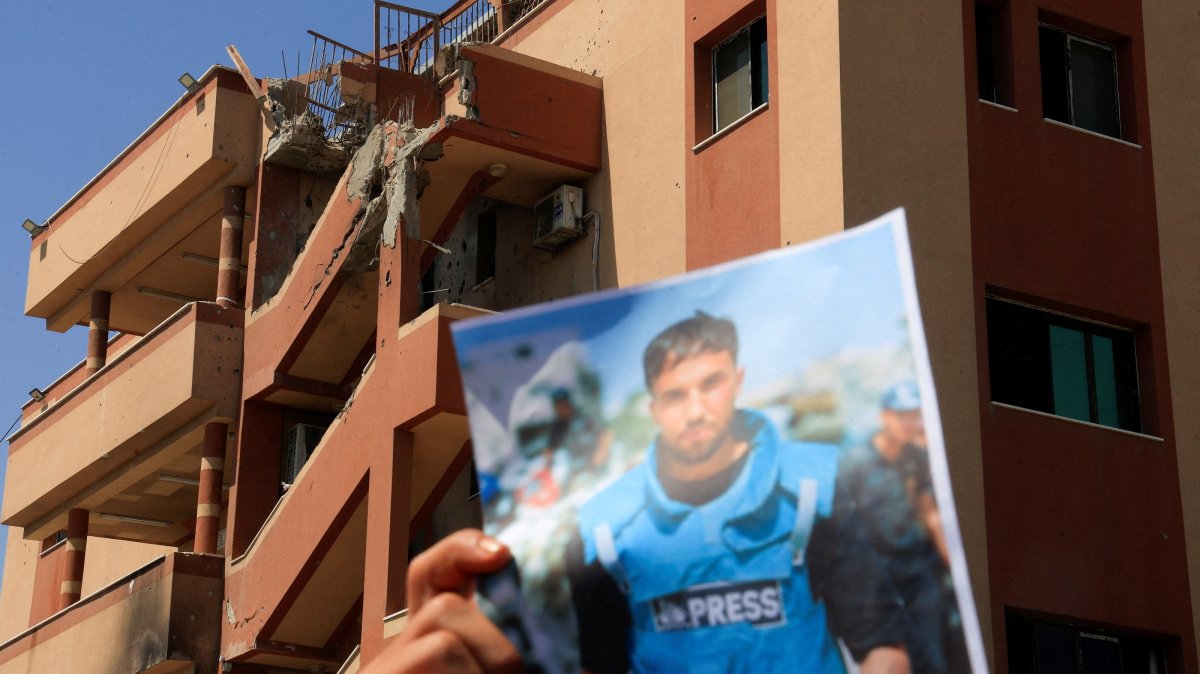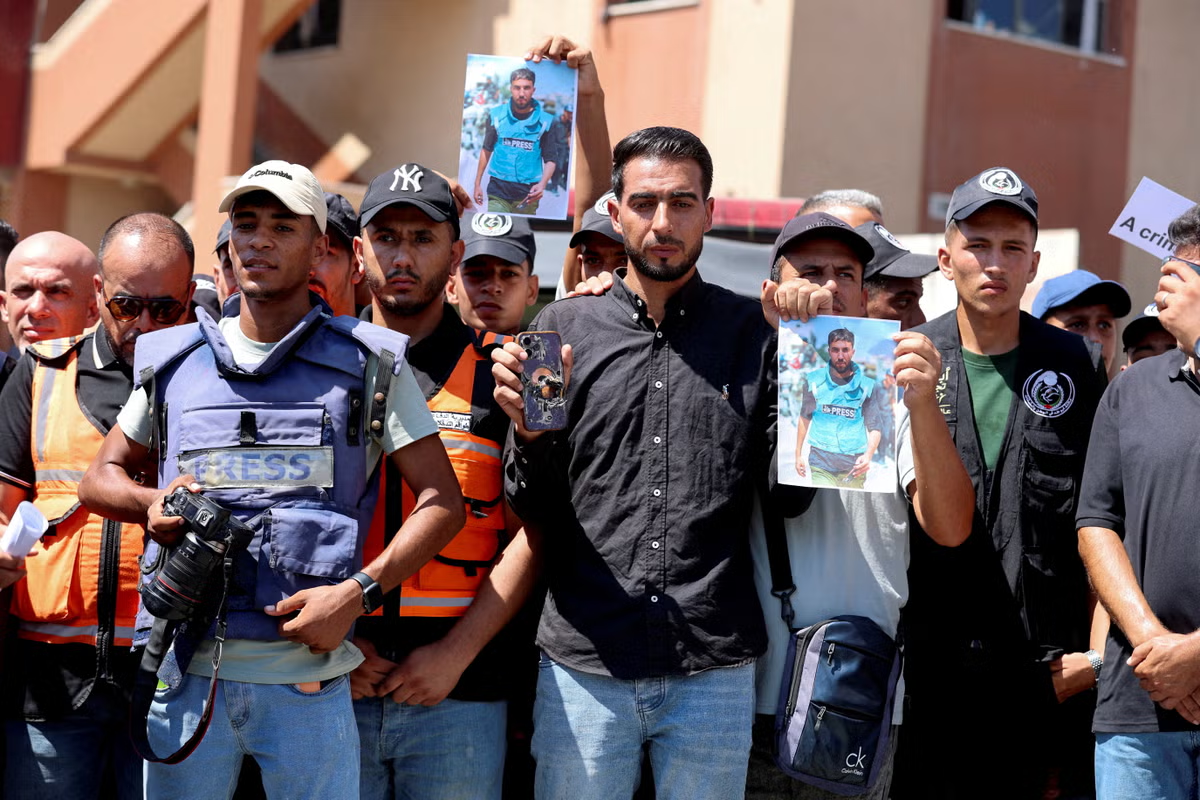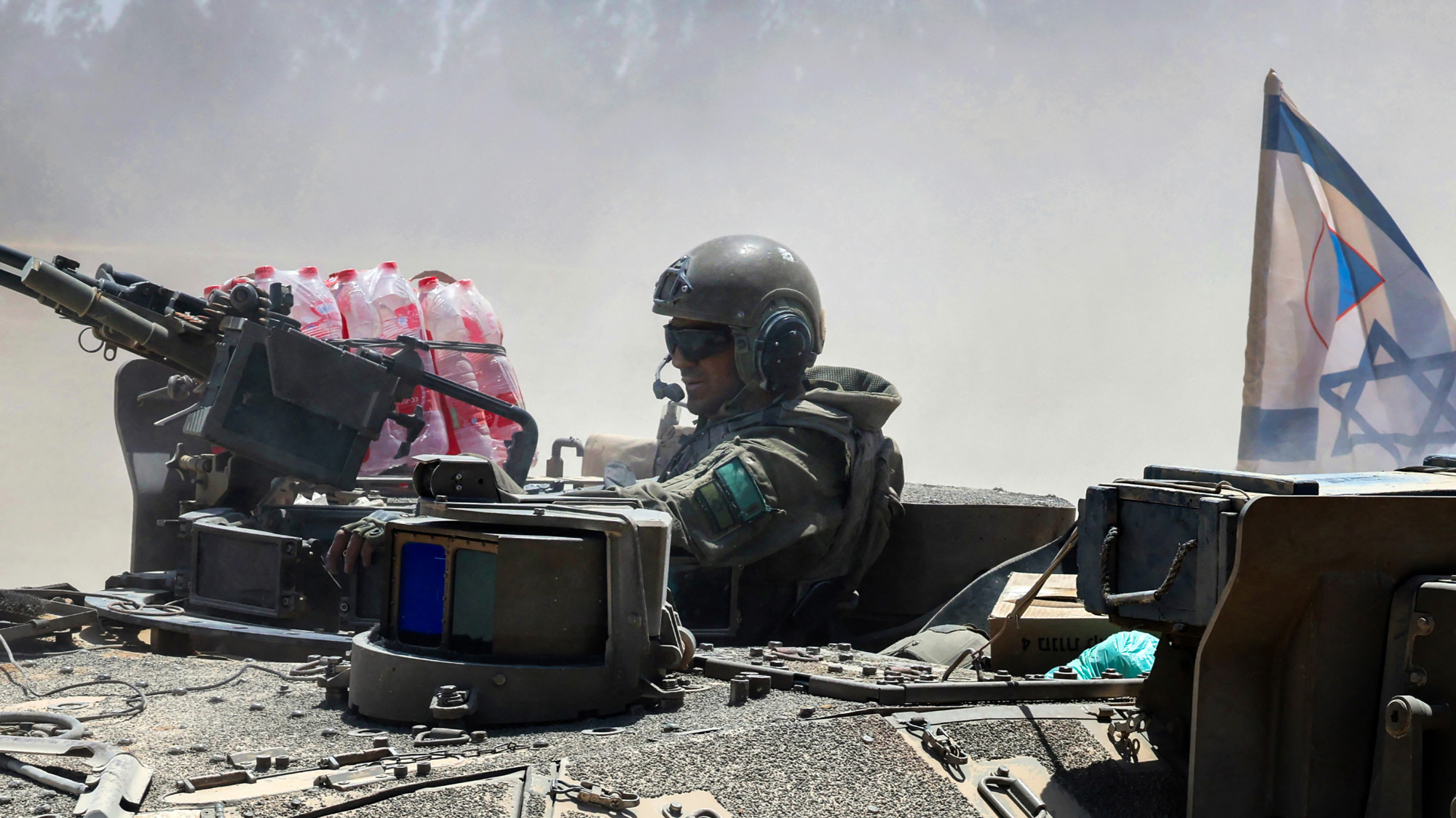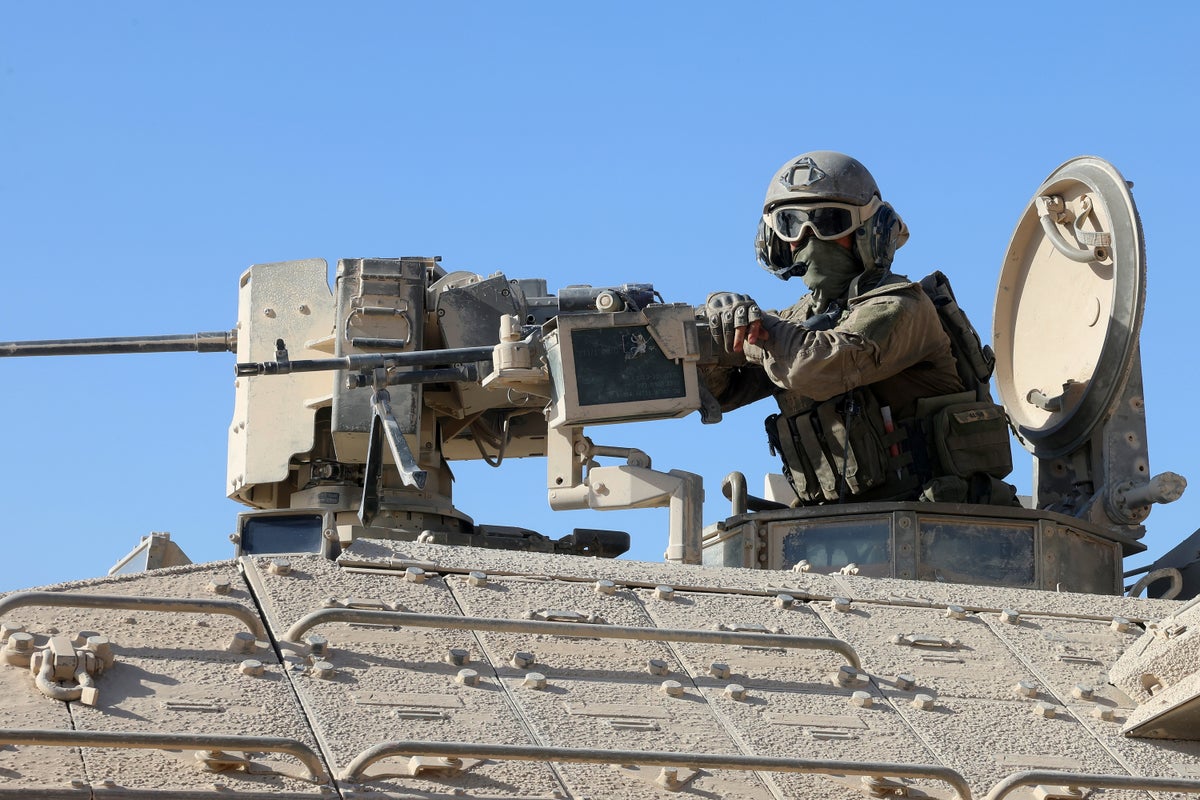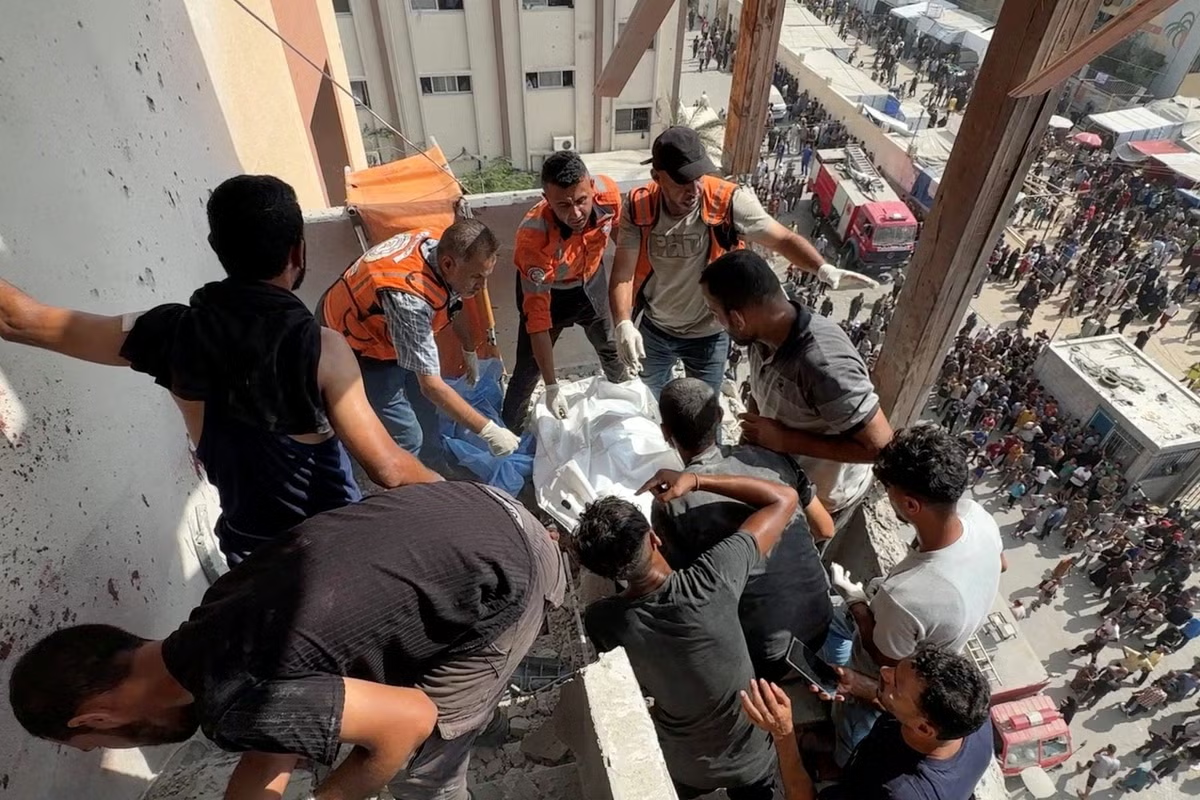
The Israeli military uses a de facto policy of “retrospective incrimination" for high-profile attacks that kill a large number of civilians without a clear military objective in Gaza, including deliberately counting Palestinians as “terrorists” even when unarmed, a soldier has revealed.The whistleblower, who Israeli advocacy group Breaking the Silence put in contact with The Independent , said it is "policy" to reframe attacks with high death tolls or those on sensitive protected buildings like hospitals and schools. The same soldier said this action was deployed after Israel's 25 August 2025 double-tap attack on Nasser medical complex in south Gaza, which killed 22 people, including five journalists, among them Independent Arabia reporter Mariam Abu Dagga. They also said that all cameras in Gaza are seen as a "legitimate target", regardless of whether they are being used by journalists, backing up previous tank officer testimony obtained by The Independent in a ten month investigation into Nasser hospital strike published this week. The military claimed at the time the target was a camera “positioned by Hamas” militants but Reuters later identified it as theirs. The whistleblower also confirmed the military did not try to contact Reuters or the hospital before the attack with their concerns about the camera."When [The military] understands there is a crisis, they try to connect the people that were killed or harmed to Hamas,” the whistleblower continued. "Because if they can say the people who killed them were a Hamas terrorist, that would look better in the eyes of the world.""They call this process retrospective reframing." An Israeli Merkava tank pictured on the border in September 2025 (AFP/Getty)The soldier added that there is immense “pressure to make the [Israeli military] look as good as they can.” “It's a tool to handle the narrative and twist it like they are the good guys.”“The international media is very reliant on the IDF… messages and announcements, it usually gets all over the world, so it's the best that they can do."Breaking the Silence, which was formed by Israeli veterans that collects soldier testimonies of violations, said this testimony was corroborated by other accounts they have.Breaking the Silence’s Executive Director Nadav Weiman, said since Israel unleashed its bombardment of Gaza on 7 October 2023, “reckless rules of engagement combined with its de facto procedures of retroactive incrimination are used by the IDF as its near-automatic justification for every bullet, shell or missile fired, and as a tool used to avoid carrying out real investigations”. He added that a direct consequence of treating cameras as legitimate military targets in Gaza has “been astronomical number of journalists killed by the IDF". Mariam Abu Dagga (Family handout)"The events that took the lives of media personnel at Nasser Hospital all derive from these IDF policies and must not be overshadowed by its attempts to single them out as a singular incident, or as conduct not in line with IDF protocol. These unjustifiable policies are at the base of how the IDF chooses to fight in Gaza." The Israeli military hit Nasser hospital on 25 August 2025 with four tank projectiles according to a year-long investigation by The Independent. The Independent's findings show an initial strike hit a Reuters camera on an eastern external stairwell, killing Reuters cameraman Hussam al-Masri, alongside a second hit on a separate area near to the operating room, where medics would rest between operations.Around eight minutes later, after medics, first responders and journalists gathered at the site to report and rescue the injured, the military fired two more tank projectiles at them, killing in total 22 people. Mariam Abu Dagga (AP)The area was being live-streamed by Egypt’s Ghad TV, and seven witnesses reported seeing Israeli surveillance drones in the area at the time. International law experts said from all of the evidence, a prosecutor could "reasonably conclude” that the perpetrators had committed the war crimes “of intentionally attacking civilians and of launching a disproportionate attack, particularly with regard to the second attack". The Israeli military declined to respond to the specific findings of The Independent's investigation, adding that "the review is still ongoing under the General Staff Fact-Finding and Assessment Mechanism."In previous statements to The Independent, the military has repeatedly denied targeting journalists and later accused Hamas of using the hospital as a base - which is vehemently denied by Palestinian staff and international medical volunteers working there. The military formally claimed the target of the 25 August attack, was a "camera positioned by Hamas" that endangered troops, adding that the strike killed six individuals it accused of being "terrorists". But among the six, one was identified by multiple people as a member of the civil defence who can be seen assisting in the rescue mission, and another was named as a hospital worker by Nasser administration itself.The whistleblower told The Independent that following international uproar at these killings, the Israeli military began the process of "retrospective reframing", including trying to pin the label of “terrorist” on the slain journalists, which they failed to do.Smoke and a fire ball rise during an Israeli strike, carried out in the area of al-Zawayda, in the central Gaza Strip (AFP/Getty)The whistleblower learned that the Golani Brigade had received approval for the attack on this camera four days beforehand, from top leadership within the Southern Command itself. They "took it up the chain to approve a mission to take down the camera with a precision weapon… they called it a Hamas camera."The Independent understands there may have been an attempt to take out the camera with drones first - before the double-tap tank fire. The Independent reached out to the military again for comment on this but has yet to receive a reply. The Committee to Project Journalists (CPJ) has said Israel has killed over 200 Palestinian media workers since 2023: more journalists than any other government since CPJ began collecting data in 1992. “By silencing the press, Israel is silencing those who document and bear witness to what human rights groups and UN experts agree is a genocide,” it said .
Inside Israeli policy to ‘justify’ lethal actions in deadly attacks on Gaza civilians
A soldier has revealed how the IDF’s de facto policy of ‘retrospective incrimination’ was used after the August 2025 strike on Nasser hospital that killed an Independent Arabia journalist, reports Bel Trew
1,005 words~5 min read