(ClipArt Korea)
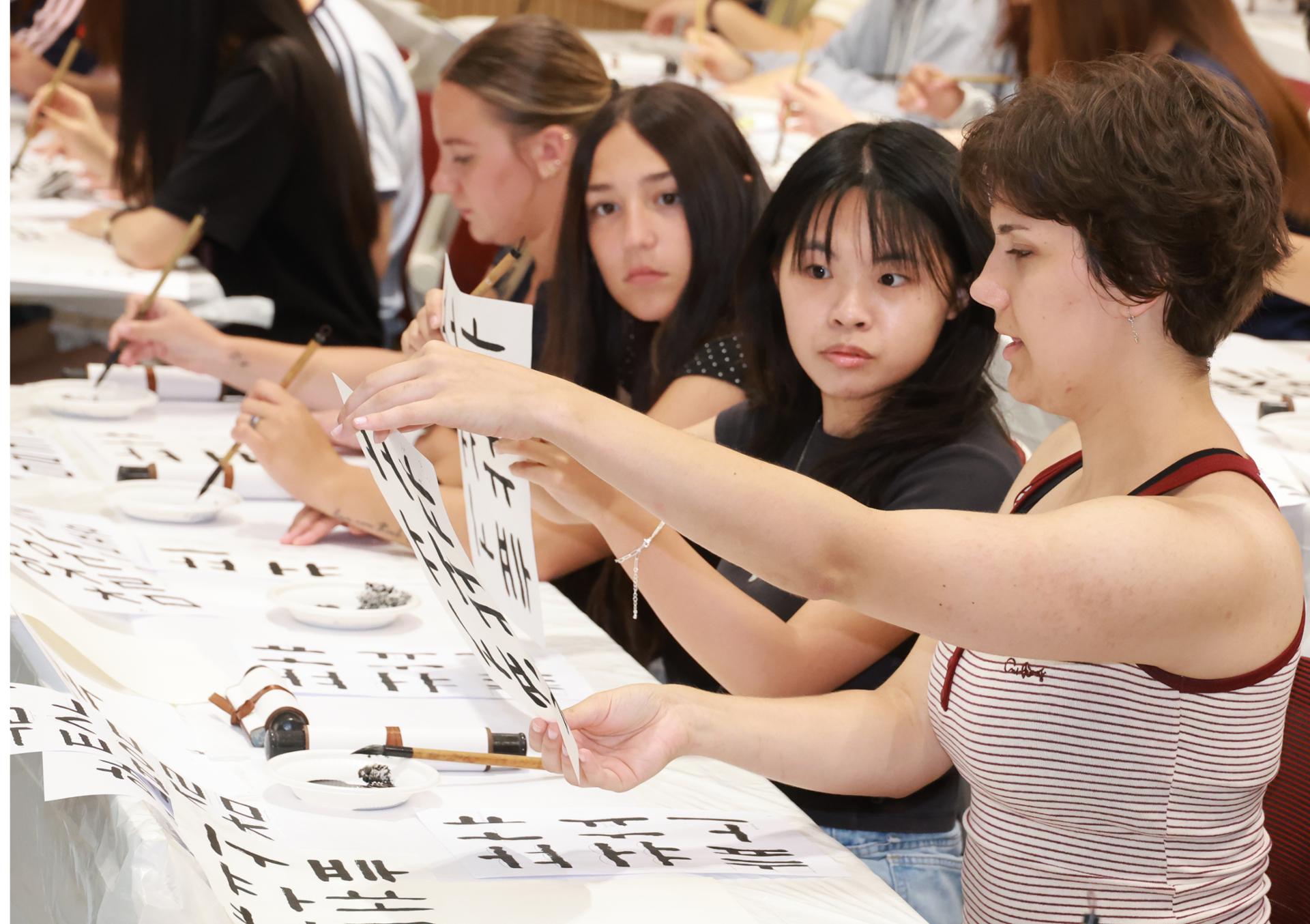
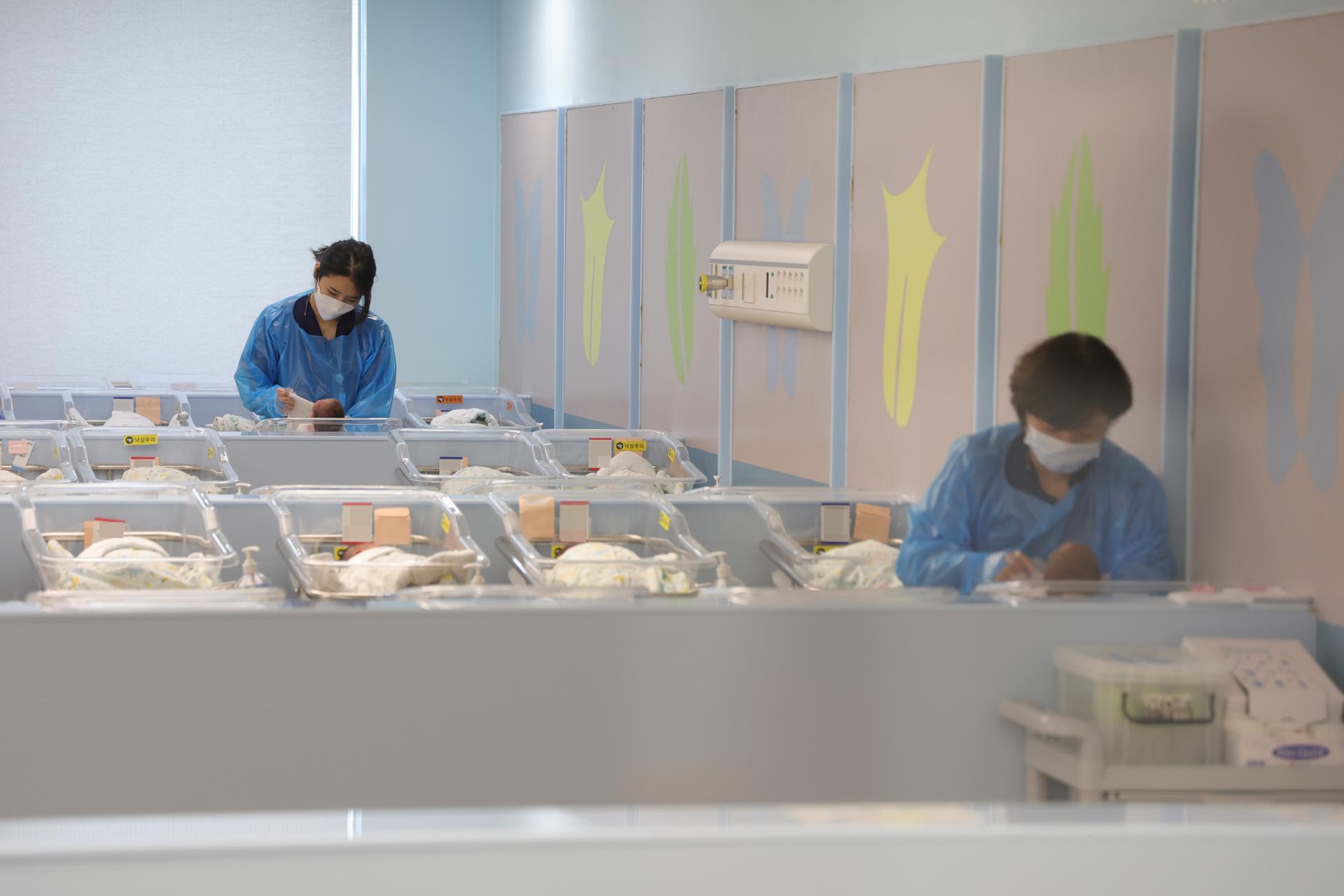
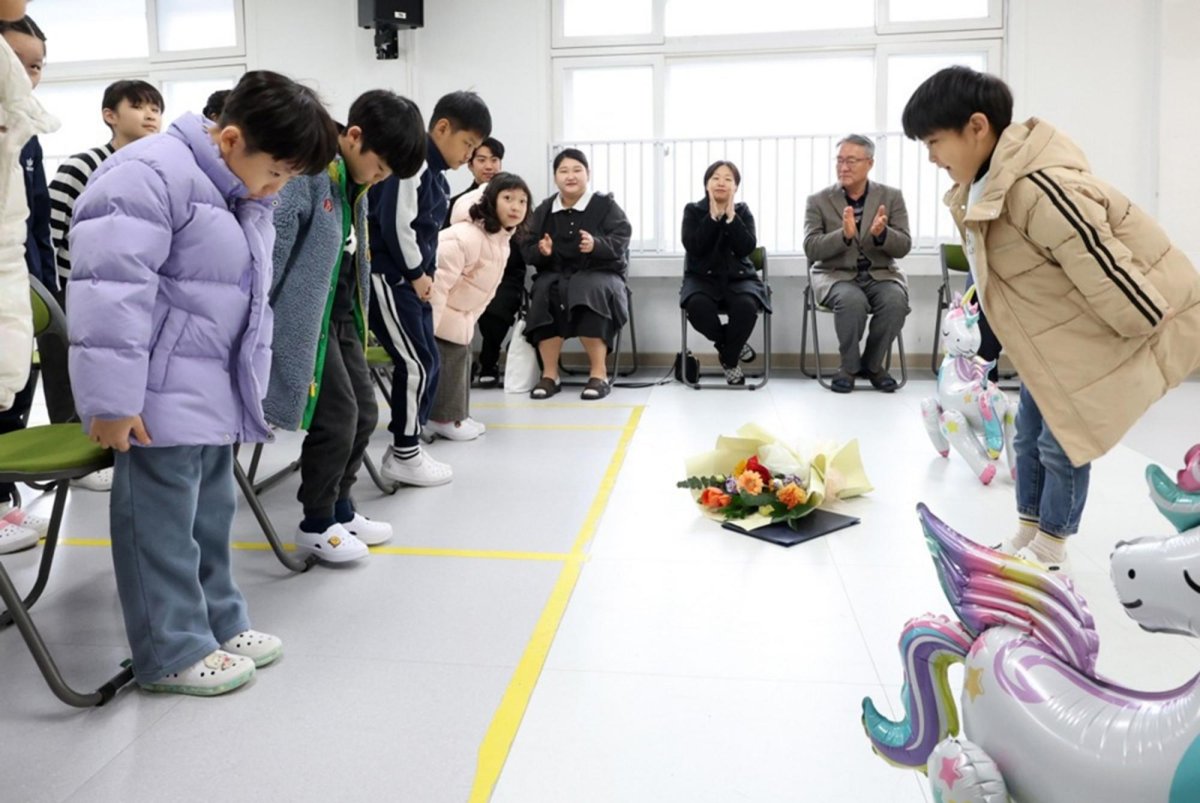
South Korea’s total number of kindergarten, elementary, middle and high school students fell by nearly 190,000 this year amid the country’s declining birth rate, while the number of students from multicultural and immigrant backgrounds increased by more than 8,000, according to government data released Wednesday.Figures compiled by the Ministry of Education and the Korean Educational Development Institute showed that 5.36 million students were enrolled in kindergartens and elementary, middle and high schools this year. That was down 189,007 students, or 3.4%, from a year earlier, marking another record low.The decline accelerated from last year, when the student population fell by 133,495, or 2.3%. South Korea’s school-age population has continued to shrink since falling into the 5 million range in 2021.Elementary schools recorded the steepest decline, with enrollment falling by 126,118 students, or 5.4%, to 2.22 million.Kindergarten enrollment fell by 12,259 students, or 2.5%, to 469,304, while the number of middle school students dropped by 31,606, or 2.3%, to 1.34 million. High school enrollment declined by 20,074, or 1.5%, to 1.28 million.At the same time, the number of students from multicultural or immigrant backgrounds in elementary, middle and high schools — including students at alternative schools — rose to a record 210,838, an increase of 8,630, or 4.3%, from the previous year.The number has more than quadrupled since the first nationwide survey in 2012, when there were 46,954 such students. It surpassed 100,000 in 2017 and 200,000 in 2025.Students from multicultural backgrounds accounted for 4.3% of the overall student population this year, up from 4.0% a year earlier.By their parents’ country or region of origin, Vietnam accounted for the largest share at 30.9%, or 65,247 students. They were followed by China (excluding ethnic Koreans) at 26.7% (56,288), the Philippines at 8.1% (17,049), Central Asia at 4.7% (9,860), and ethnic Koreans from China at 4.6% (9,750).The number of international students enrolled at South Korean universities also rose dramatically, reaching 307,464, up 54,030, or 21.3%, from a year earlier.Degree-program students accounted for 223,191 of the total, an increase of 44,001, or 24.6%. Non-degree students numbered 84,273, up 10,029, or 13.5%.Vietnamese students made up the largest group for the first time, numbering 96,834, or 31.5%, compared with 78,890 Chinese students, or 25.7%.The breakdown differs by type of study. Chinese students accounted for the largest share of degree-program students, at 31.7%, while Vietnamese students represented the largest share of non-degree students, at 46.1%.The Education Ministry attributed the increase in part to policies aimed at attracting more international students, including the “Study Korea 300K” initiative, which seeks to raise the number of international students in Korea to 300,000 by 2027. The ministry said the policies appear to be aligning with growing demand among foreign students to study in South Korea.The school dropout rate for elementary, middle and high school students stood at 1.1% last year, unchanged from the previous year.The rate had fallen from 1.0% in 2019 to 0.6% in 2020, before rising to 0.8% in 2021, 1.0% in 2022 and 2023, and 1.1% in 2024.A total of 53,617 students left school last year, including 16,713 elementary school students, 10,063 middle school students and 26,841 high school students.The number of university students who had completed all requirements for a bachelor’s degree but delayed graduation rose to 25,130, up 4,361, or 21.0%, from the previous year.The figure has increased 56.6% from 16,044 in 2022.The growing number of students postponing graduation despite meeting academic requirements is seen as a reflection of difficult employment conditions, as graduates delay leaving university while seeking jobs.By Lee Woo-yun, staff reporterPlease direct questions or comments to [english@hani.co.kr]