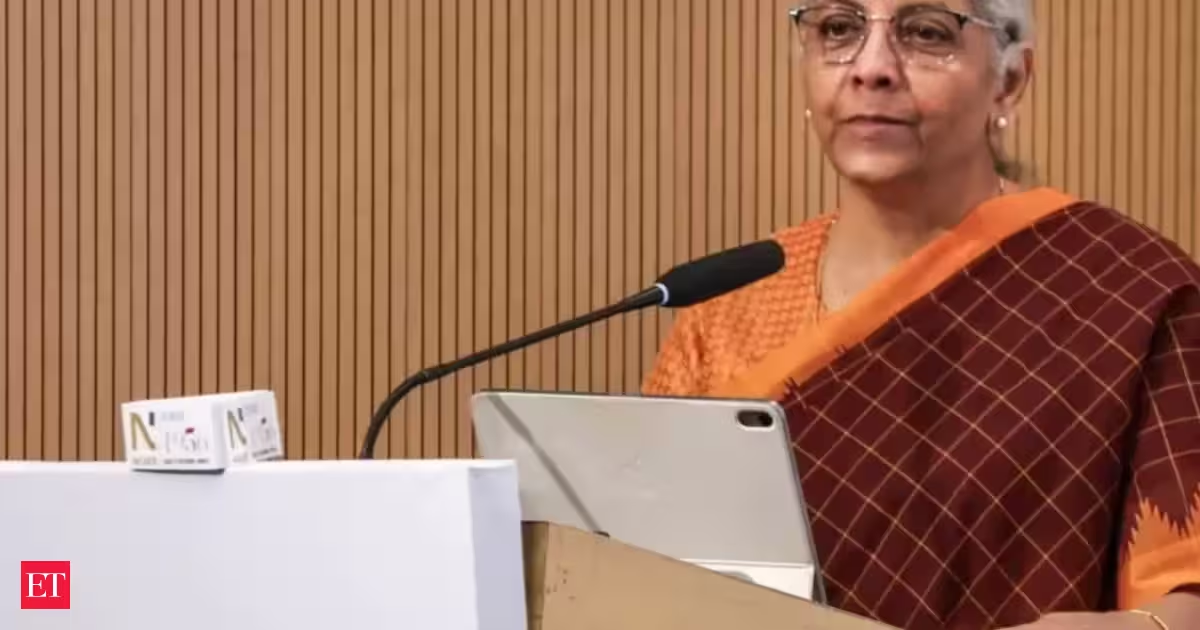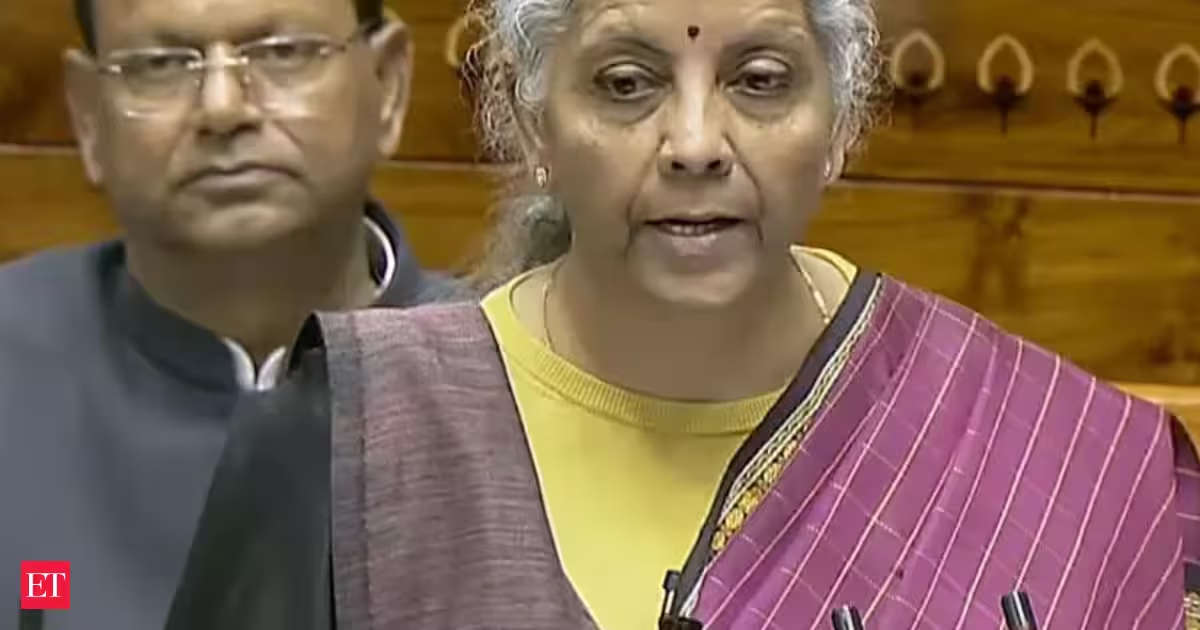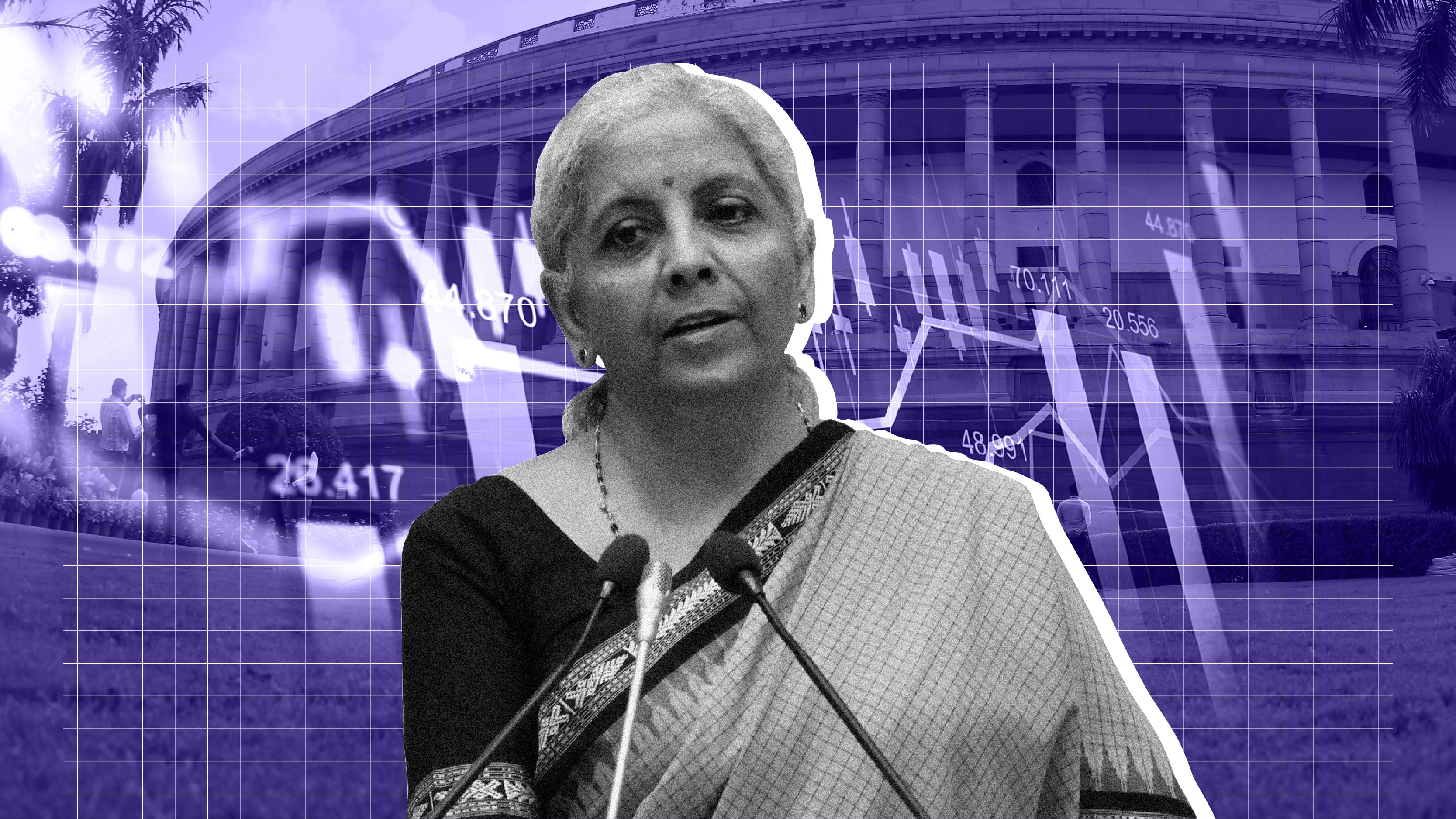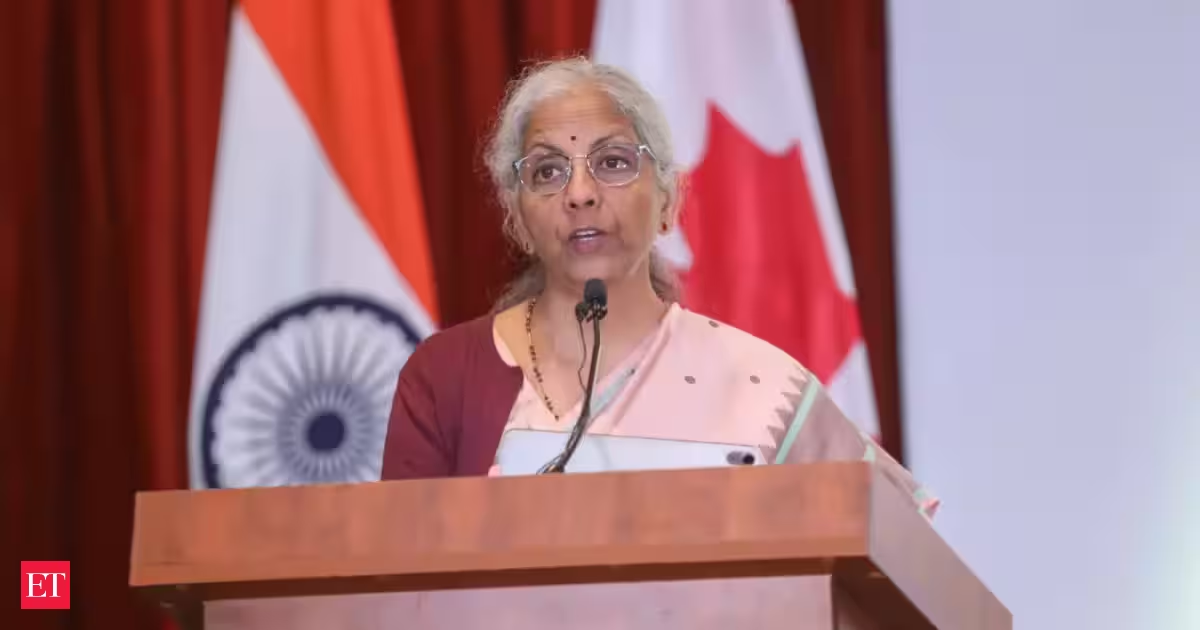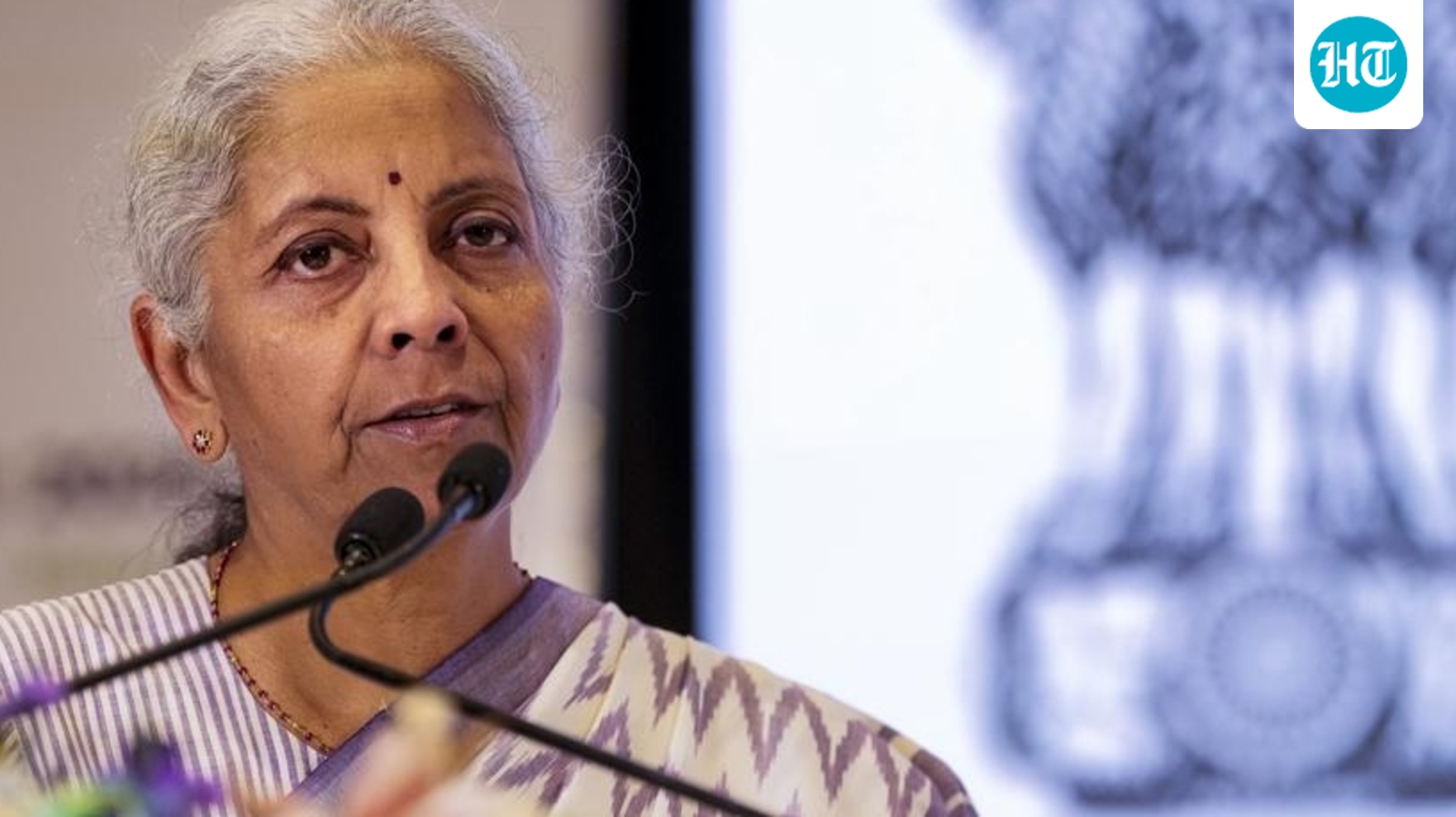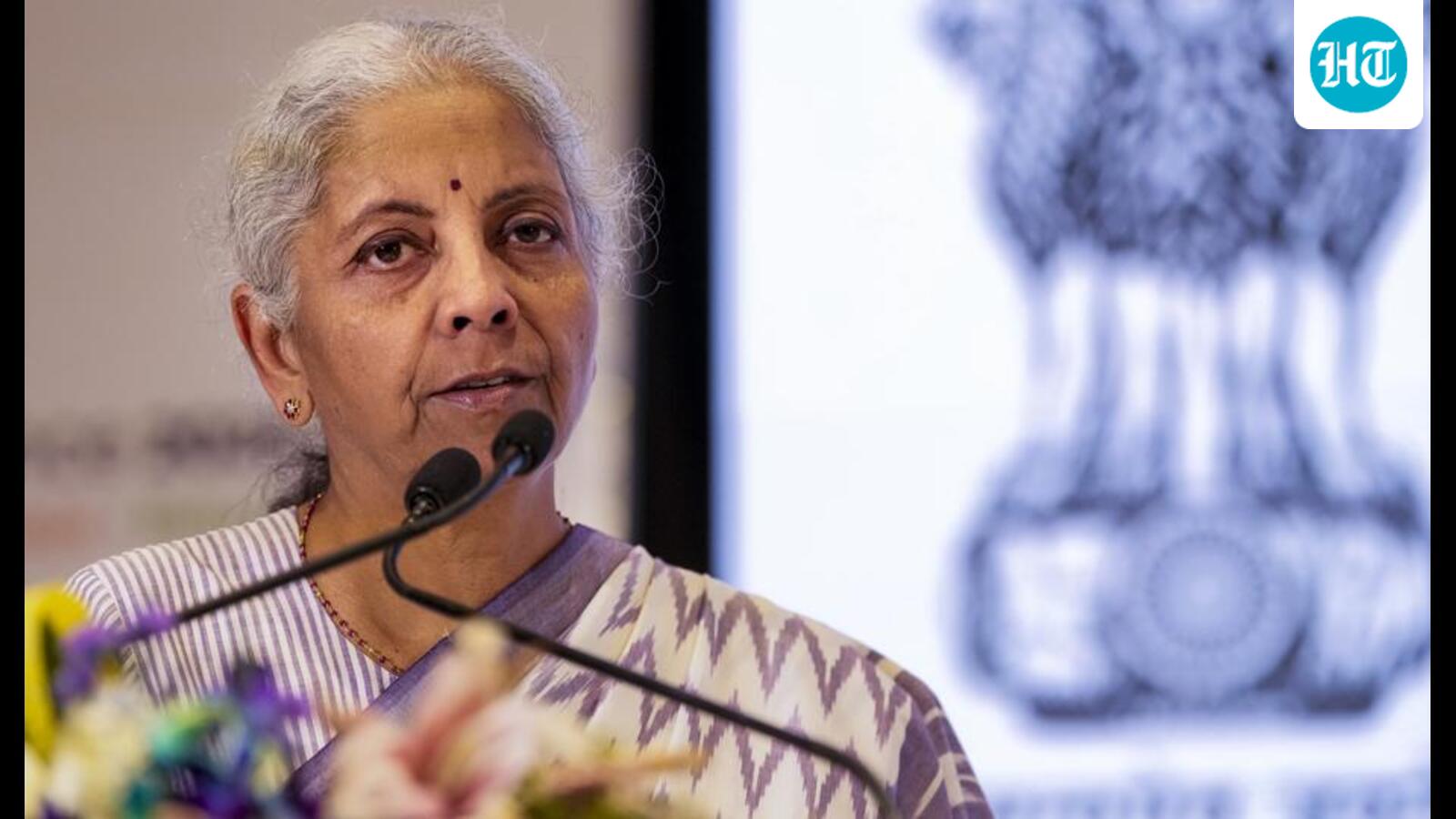
India is taking its growth story to global investors, seeking fresh capital as foreign money flees the country’s markets and student protests expose some of the challenges facing its young population.Finance Minister Nirmala Sitharaman is on a nine-day tour of Canada and the US, with trade, investment and economic engagement high on the agenda. Her trade colleague Piyush Goyal is in Japan this week where he’s building a case for India as a “trusted” investment destination. “India is the economy in which people should take interest,” Sitharaman said in Toronto. Global investor participation will ensure “that India becomes an engine of growth and everyone else can chug along.”The outreach comes as India struggles to translate its status as the world’s fastest-growing major economy into sustained foreign investment.Overseas investors have pulled money from Indian stocks and bonds this year, while relatively high equity valuations and the lure of booming investment in artificial intelligence and semiconductors elsewhere have made competing markets more attractive.The ministers’ sojourns come just days before gross domestic product data is likely to show India’s economy accelerated at a brisk near-8 per cent pace last quarter. It grew 7.7 per cent in the fiscal year-ended March 2026.That backdrop hasn’t translated into greater enthusiasm for Indian assets though. The rupee has failed to rally since plumbing record lows in May, and India replaced Indonesia as Asia’s least-preferred stock market in an August survey of fund managers by Bank of America Corp. The retreat helps explain the more assertive pitch from Indian ministers this week.On Tuesday, India’s central bank too painted a rosy picture of the economy, which has demonstrated “notable resilience” to global headwinds. Inflation has remained within the Reserve Bank’s 2%-6% tolerance band, while high-frequency indicators point to economic activity gathering pace.“India offers a combination that is difficult to match: scale, sustained growth, a young population, expanding consumption and rapidly deepening capital markets,” Sitharaman added.Yet, India’s young population is also exposing some of its biggest challenges. A shortage of quality jobs for young people, stark income disparities and frustration over education and opportunity have driven students to stage demonstration nation-wide. Last month, violent demonstrations erupted in the country’s capital.The student unrest has shone a spotlight on weaknesses in the country’s education system, with activist Abhijeet Dipke now pushing a “Fix the Schools” campaign focused on improving state education. His Cockroach Janta Party has threatened another protest on Sept. 5, saying the government has failed to honor commitments it made in July.Sitharaman argued that the forces supporting India’s expansion go beyond the current economic cycle, saying the nation’s transformation is “structural,” as she pointed to rapid urbanization, a growing middle class and digital infrastructure.India has sharply increased infrastructure investment in recent years. Public capital expenditure under Prime Minister Narendra Modi has risen more than sixfold to $128 billion in fiscal 2026-27 from 2014-15.More stories like this are available on bloomberg.comPublished on August 26, 2026
India takes growth pitch abroad as foreign money pulls back
The ministers’ sojourns come just days before gross domestic product data is likely to show India’s economy accelerated at a brisk near-8% pace last quarter
484 words~2 min read