One expert attributed the declines both to constraints in the visa system, but also a lack of trust in the U.S. higher education system among international students.
Photo illustration by Justin Morrison/Inside Higher Ed | NASA
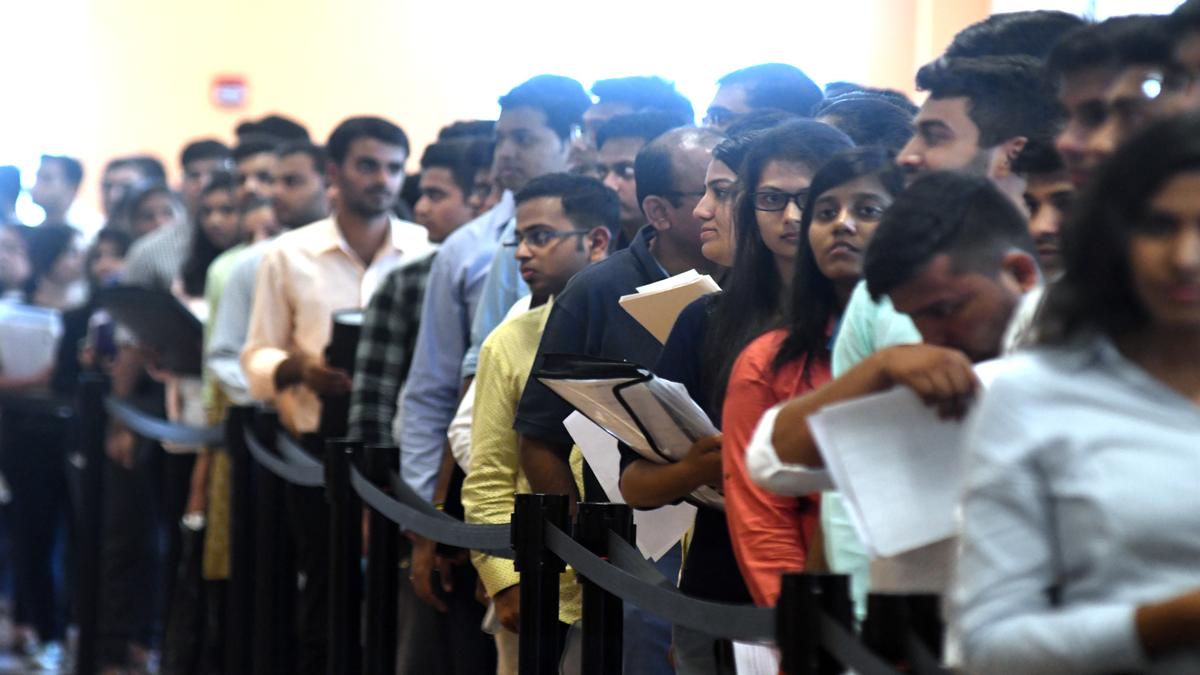
Twenty-three percent fewer student visas were issued in 2025 compared to the previous year, according to newly released Department of State figures. Some countries, like Iran, Myanmar and Venezuela, saw declines over 70 percent from year to year. India, the second-largest supplier of international students to the U.S. in 2024, also experienced a precipitous 56.6 percent drop.
An Inside Higher Ed analysis of the data shows that visa issuances were essentially in line with the previous year for the first several months of 2025 but dropped in May—the same month President Donald Trump paused all student visa interviews to implement new social media screenings for those applicants. The number of student visas issued remained below 2024 levels for the remainder of the year.
The largest decrease was among F-1 visa holders, who are in the U.S. seeking a degree and who are at the center of concerns about how the Trump administration's international student policies will impact enrollments; those visas declined by 33.4 percent, versus 9.9 percent for J-1 and 6.7 percent for M-1 visas. (J-1 visas are for students and scholars in certain exchange programs, including the Fulbright program, while M-1 visas are for students in nondegree or vocational training.)