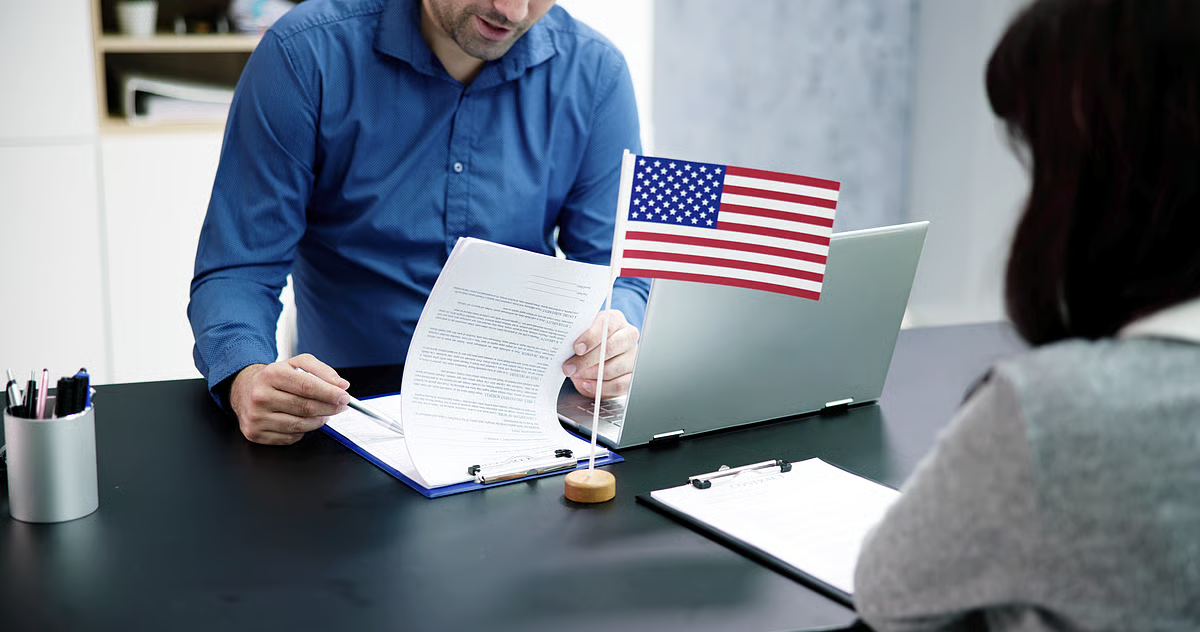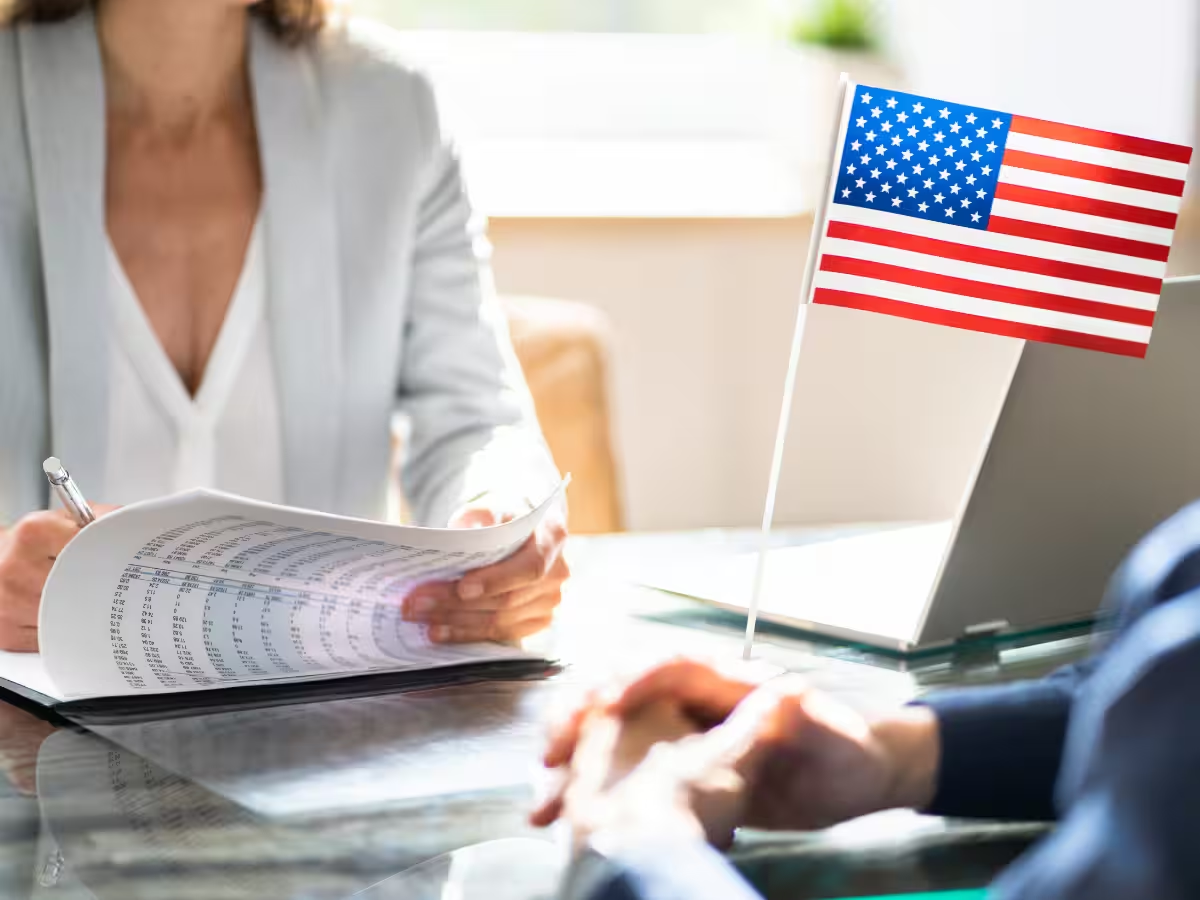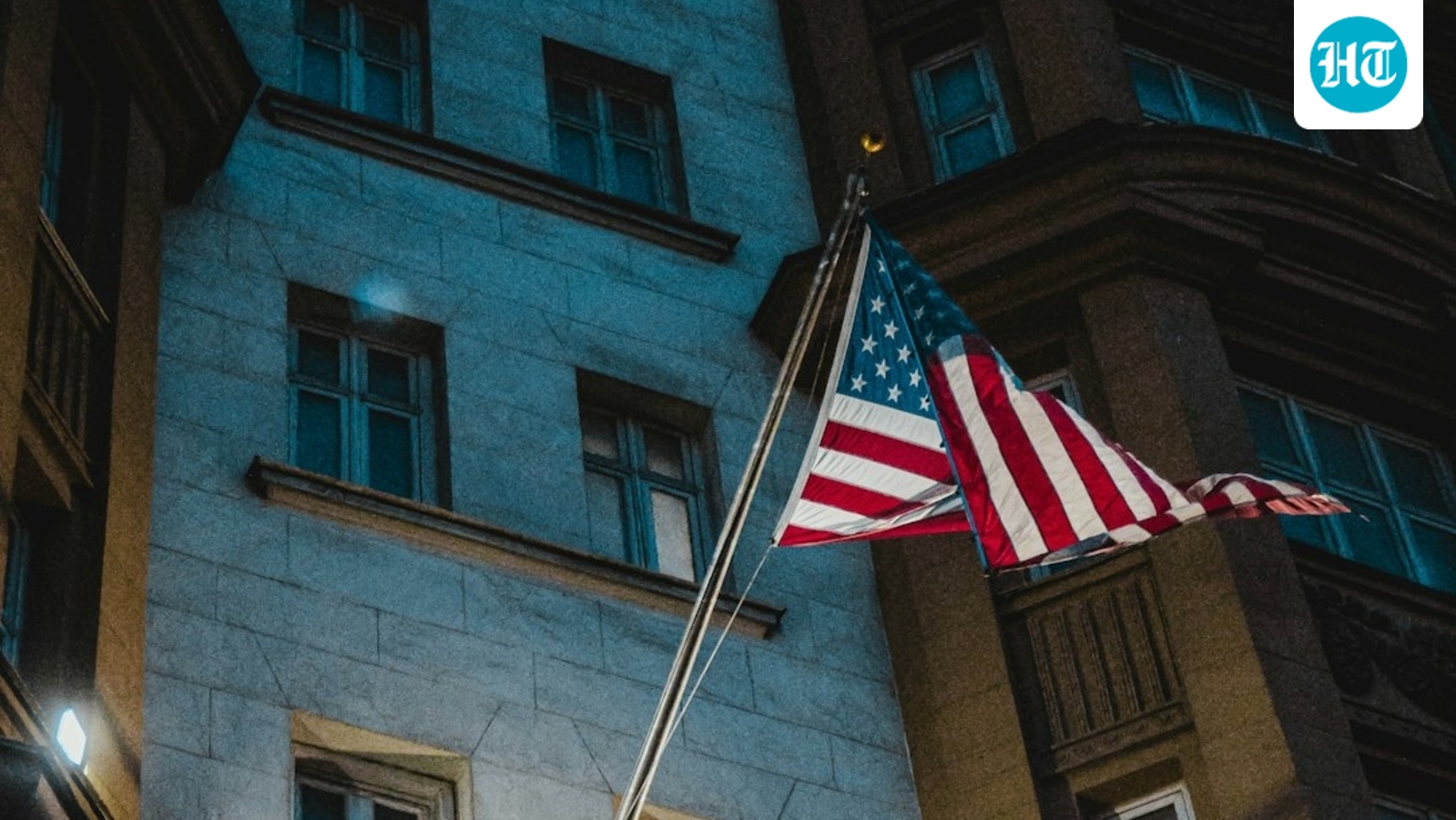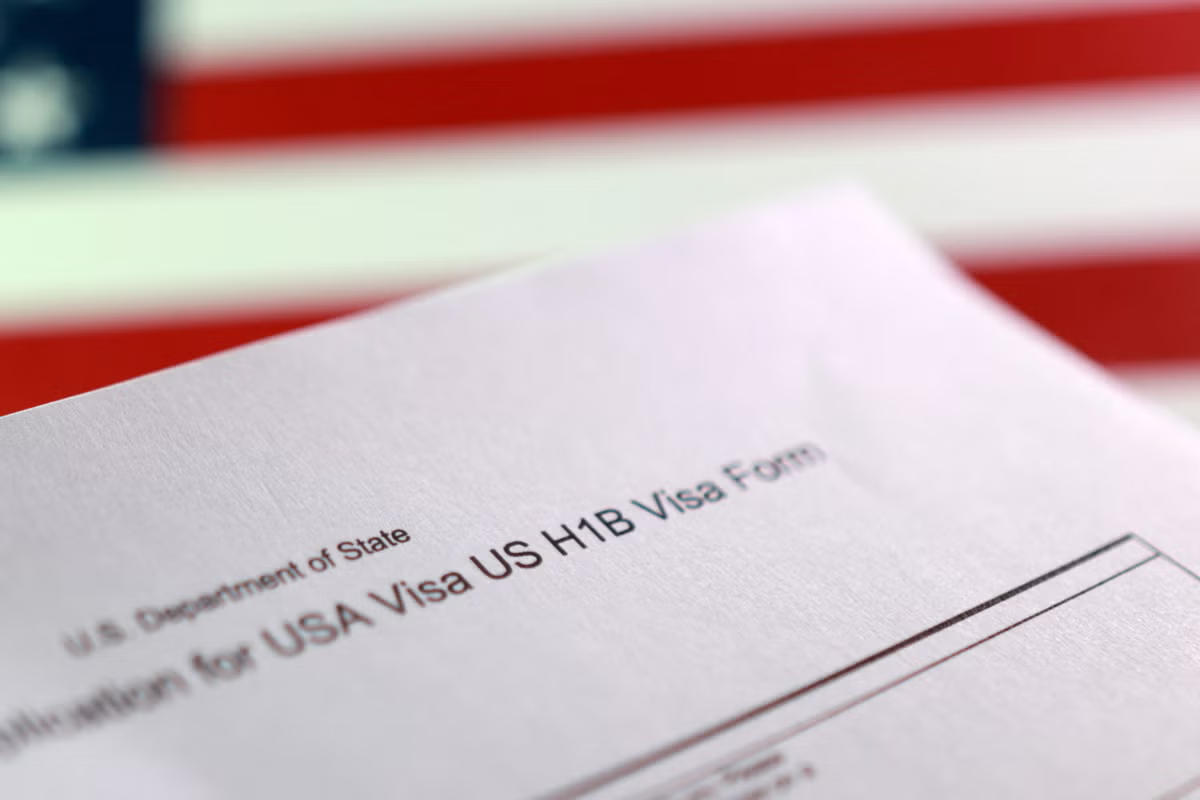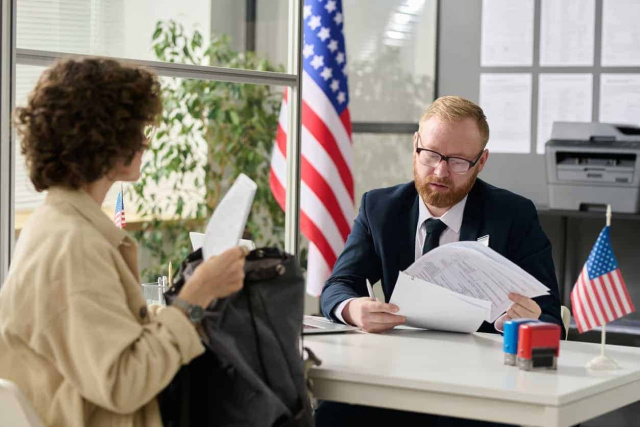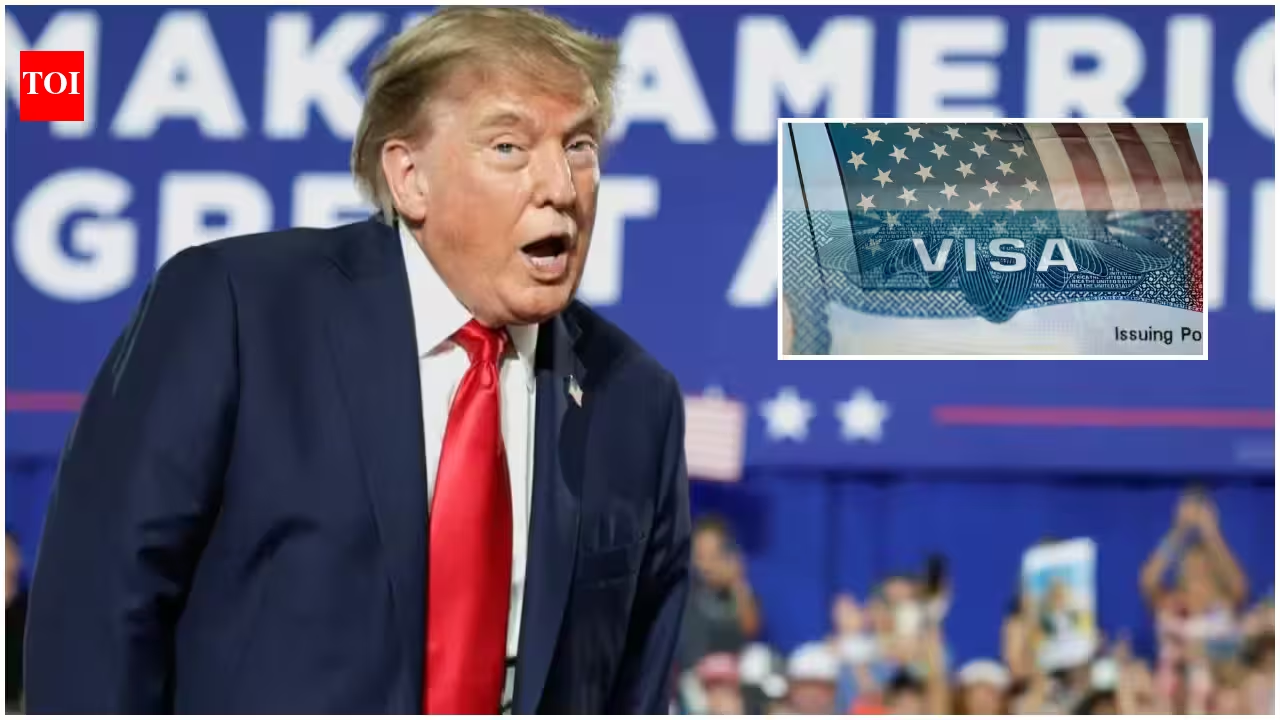
Immigrant visa applicants across the world have been told that their applications are on hold as the Trump administration has launched a global training initiative for consular officers. According to a report by Financial Times, the scheduled interviews at US embassies and consulates are now being rescheduled and the applicants are also receiving notices that the new dates will be provided later. A State Department spokesperson said the pause is meant to ensure officers can “evaluate every visa applicant comprehensively and consistently.” The training emphasizes screening out individuals deemed likely to become a public charge, or dependent on U.S. public benefits. “A more prosperous America means ensuring that visa applicants are not likely to become a public charge,” the spokesperson told the Financial Times.Why US embassies are emailing immigrant visa applicantsUS embassies and consulates have begun emailing immigrant visa applicants to inform them that their scheduled interview appointments are being rescheduled, with no new date provided — only a promise of future notice once a new time is set. The disruption is affecting applicants globally, from Mumbai to Naples, many of whom had already made costly, time-sensitive arrangements to attend their original appointments.The State Department's explanationA State Department spokesperson told the Financial Times the pause is tied to a newly launched "global training initiative" intended to ensure consular officers are fully equipped to evaluate every visa applicant comprehensively and consistently. The stated goal centers on public-charge screening — filtering out applicants deemed likely to become dependent on US public benefits. The spokesperson framed the effort as part of ensuring prosperity for the country by keeping out those unlikely to be self-sufficient under US law.The department did not offer a timeline for when appointments would resume, saying only that visa service scheduling would be adjusted to accommodate the training.Part of a broader immigration crackdownThe pause is the latest in a series of moves by an administration that has made restricting entry to the US a defining priority. President Trump has centered his presidency on cracking down on undocumented immigration while also tightening legal pathways — imposing new limits on visas and green cards and effectively ending nearly all refugee resettlement.The pause comes just days after a federal judge struck down a related Trump administration policy that had barred immigrant visa applications from nationals of 75, mostly lower-income, countries the administration considered likely to require public assistance. US District Judge Jeannette Vargas ruled that the ban — announced by the State Department in January — exceeded the administration's authority by overriding the discretion Congress assigned to consular officers in visa decision-making. Vargas struck down the policy along with any visa refusals issued under it, and gave both sides until September 11 to propose next steps in the litigation.The sequence has left some immigration attorneys questioning whether the new "training" pause is, functionally, a way to continue restricting the same pool of applicants after the original policy was struck down in court — though the State Department has not characterised it that way.The dilemma of visa applicantsAs per the FT report, Brian Simmons, an attorney at immigration law firm Fragomen in Washington, said many affected applicants had already spent thousands of dollars and upended their lives to attend interviews that were then canceled at the last minute. The disruption is especially acute for a specific group: since last year, the administration has required immigrant visa applicants to process their cases in their country of citizenship — even when they already live and work legally in the US, and even when they are married to American citizens or have American children. For that population, a canceled appointment can mean an extended, unplanned stay abroad, separated from family, jobs, and homes back in the US.Legal context: A long history of court battlesThis isn't the first time Trump's immigration policies have run into judicial pushback. Early in his first term, federal courts rolled back his attempt to bar entry to nationals of seven majority-Muslim countries, before the Supreme Court eventually allowed a scaled-back version of that policy to proceed. The current litigation over the 75-country visa ban suggests a similar legal fight may be ahead for whatever policy ultimately replaces or follows this new global pause.
US embassies across the world to visa applicants: Your visa application is on hold as our consular officers need to be ...
Immigrant visa applicants across the world have been told that their applications are on hold as the Trump administration has launched a global training initiative for consular officers. According to a report by Financial Times, the scheduled interviews at US embassies and consulates are now being rescheduled and the applicants are also receiving notices that the new dates will be provided later.
700 words~3 min read