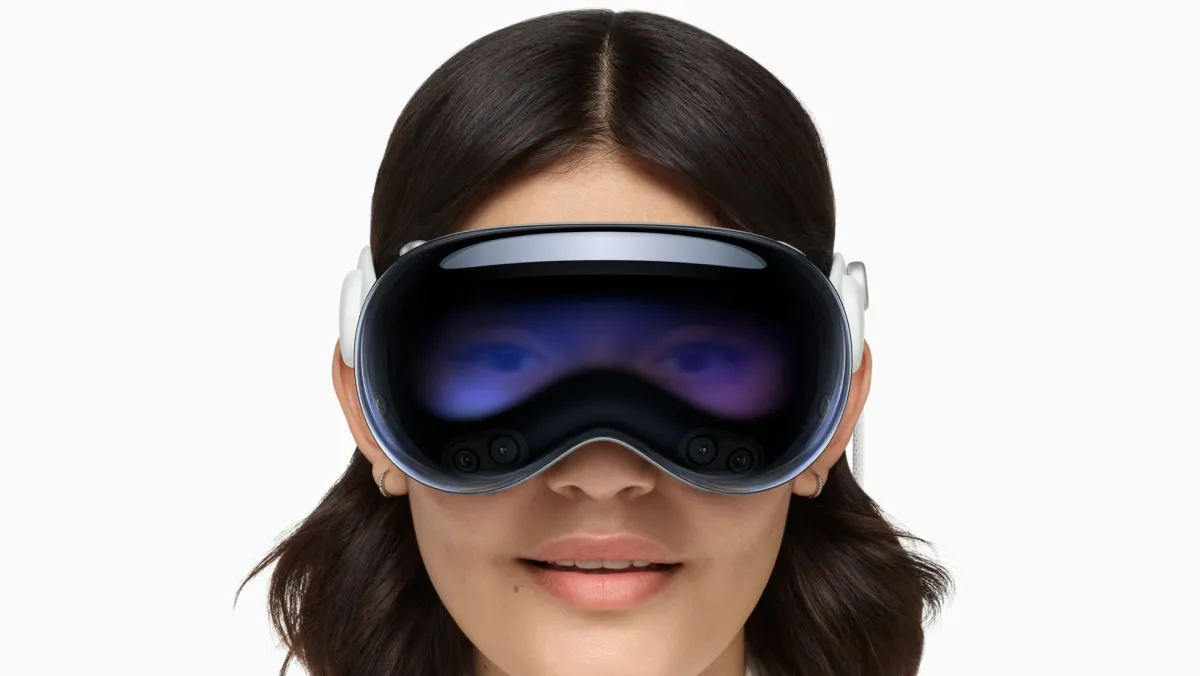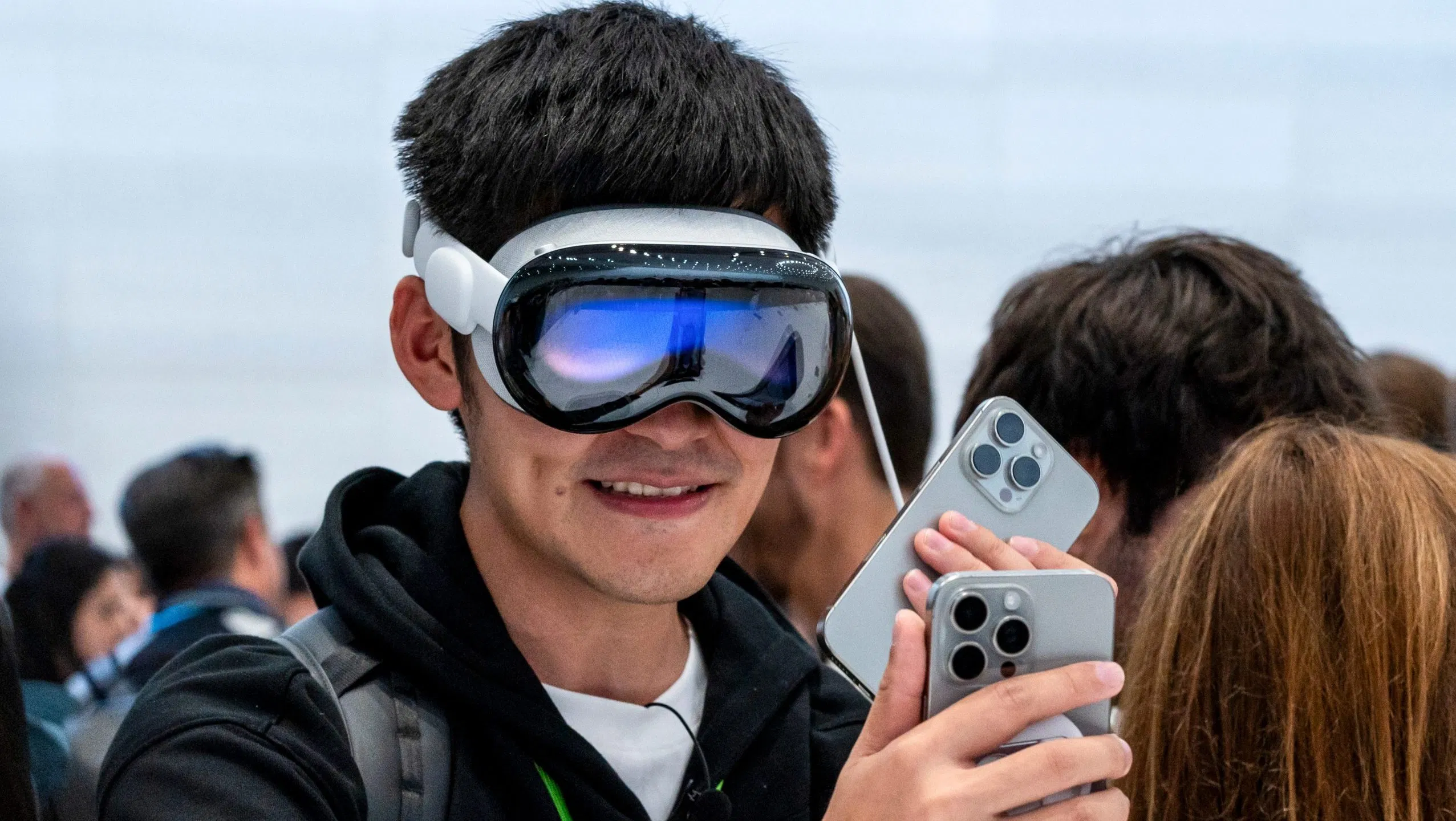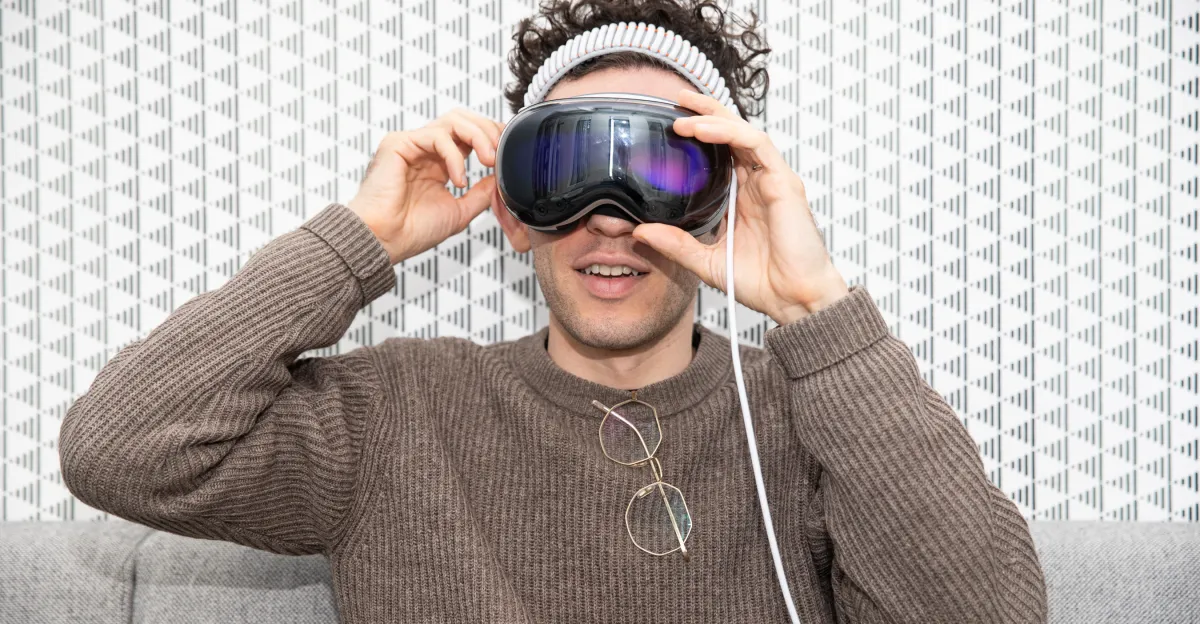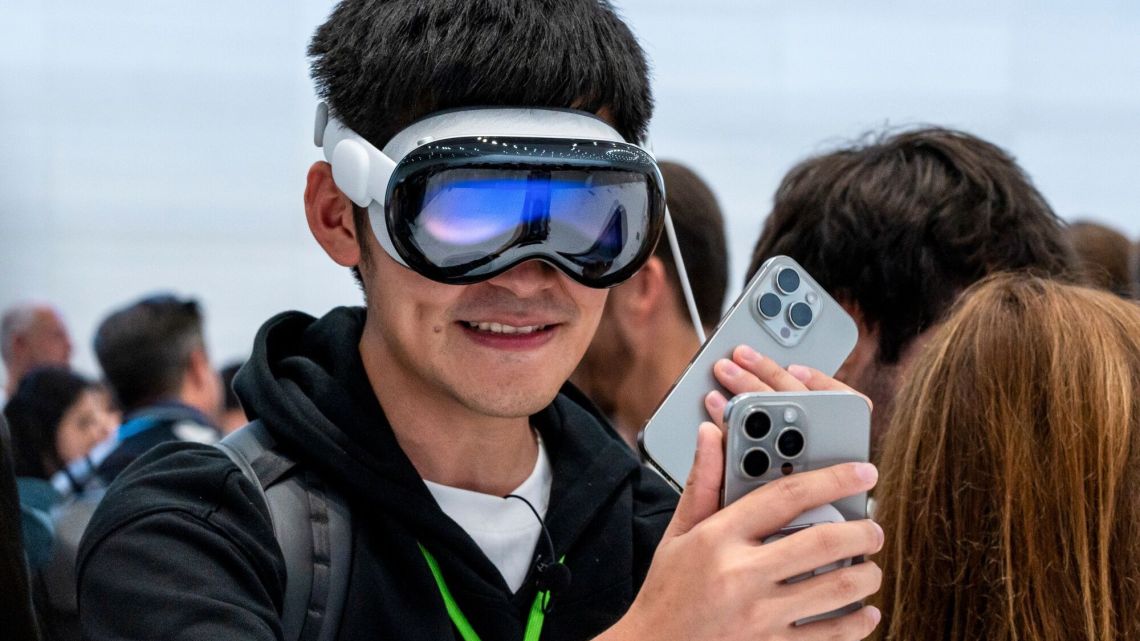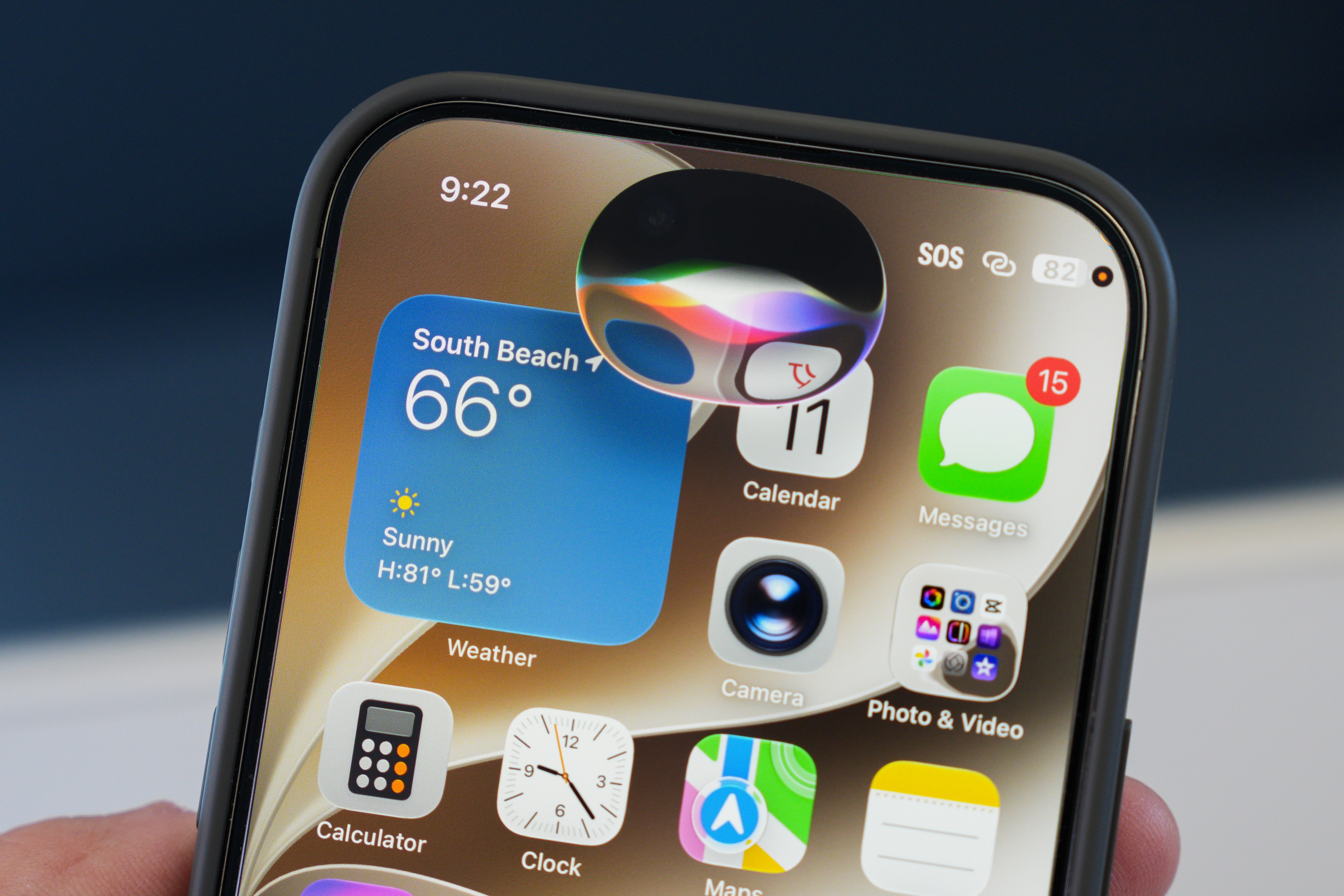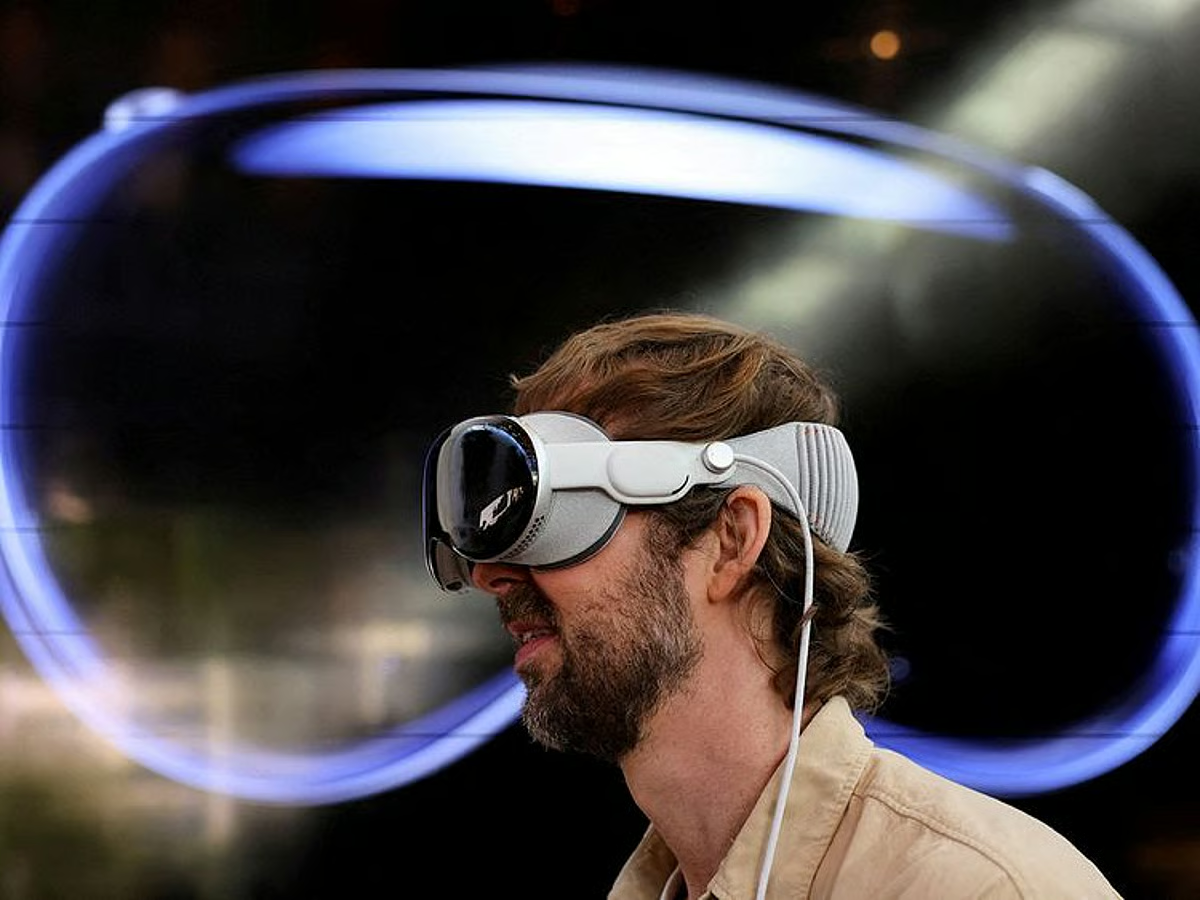
Restructuring trims Vision Pro ambitions as Apple doubles down on AI-driven SiriLast updated: August 26, 2026 | 11:086 MIN READAbout 100 positions are reportedly being eliminated from the Vision Pro team, while roughly another 100 cuts affect Siri and software teams, according to people familiar with the changes.ReutersApple is reportedly cutting more than 200 jobs across its Siri, Vision Pro and software-engineering teams.The reason: the tech giant is redirecting resources toward artificial intelligence (AI) and a new generation of devices, according to Bloomberg.The restructuring is one of the clearest signs yet that Apple is reassessing its ambitions in "spatial computing" while accelerating its push into AI-powered products. About 100 positions are being eliminated from the Vision Pro team, while roughly another 100 cuts affect Siri and software teams, the report stated, citing people familiar with the changes.Get it: Fast, verified news for FREE ... download the Gulf News app — simply click here Apple confirmed the restructuring, saying it is realigning teams to “evolve our business” and deliver better user experiences. The company said it will create new positions even as some existing roles disappear and that affected employees will have opportunities to apply for other jobs within Apple.Why Apple is cutting Vision Pro jobsThe Vision Pro, introduced in 2024, was designed as Apple's flagship entry into spatial computing. It combined high-resolution displays, cameras and sensors to place apps and digital content into a user's physical surroundings.But the product has struggled to gain mass-market traction.The headset's weight, complexity and high price have limited its appeal, while the relatively small installed user base makes it difficult to justify the cost of producing large amounts of exclusive immersive content.SPATIAL COMPUTING | "Spatial computing" merges digital data with the physical world in real time, enhancing mixed-reality interactions through devices like augmented reality (AR) and virtual reality (VR) headsets.Apple's immersive videos can require large production crews and cost millions of dollars per episode, according to Bloomberg. With relatively few active Vision Pro users, the economics of producing a steady stream of proprietary content have become difficult to sustain.The company will therefore reduce the amount of immersive content it produces itself and encourage third-party companies to develop more material.That suggests a significant change in strategy. The original Vision Pro strategy depended heavily on Apple demonstrating what spatial computing could do through its own premium hardware and cinematic immersive videos.The new approach appears more pragmatic: Build the platform, reduce Apple's content costs, let developers and production companies create more of the ecosystem.That could allow Apple to preserve Vision Pro without continuing to spend heavily on a relatively small audience.Key highlightsMore than 200 jobs affected: About 100 cuts are in the Vision Pro organization and another 100 in Siri and software teams.Vision Pro gaming team largely shut down: Apple is substantially reducing its internal effort to develop gaming features for the headset.Immersive Video scaled back: Apple plans to produce fewer videos internally and rely more heavily on outside producers.Siri is being rebuilt around AI: The restructuring reflects a new technical architecture and a shift toward an AI-powered Siri.Apple's Intelligent Systems Experience team is also affected: The group works on integrating AI capabilities into Apple's devices and software.Vision Pro isn't being abandoned: Apple has told employees that the headset and visionOS remain part of its product strategy.Smart glasses are becoming a priority: Apple's near-term wearable strategy is increasingly focused on lighter smart glasses rather than another major push into bulky mixed-reality headsets.The gaming retreat is even more revealingApple is also largely shutting down the Vision Pro gaming team.That is significant because gaming has historically been one of the strongest drivers of adoption for virtual and augmented reality hardware.Yet Vision Pro has not emerged as a major gaming platform.The headset's price, weight and design make it difficult to compete directly with dedicated gaming headsets, while Apple's emphasis on productivity, entertainment and spatial applications has not produced a comparable gaming ecosystem.Apple's decision suggests it does not see Vision Pro becoming a mainstream gaming platform in the immediate future.Siri: Apple is reallocating, not abandoning AIThe cuts to Siri tell a different story.Apple is actually increasing its strategic emphasis on AI while eliminating some existing positions.The company is rebuilding Siri around a new technical architecture designed to deliver more sophisticated AI capabilities. That requires different engineering expertise, prompting Apple to eliminate some existing positions while creating new ones.Apple's Intelligent Systems Experience organization is also being reorganized as AI becomes embedded across more applications, features and services.In other words: Apple isn't cutting AI. It is cutting around an old way of doing AI.Apple's bigger AI problemThe restructuring comes as Apple faces pressure to catch up with rivals in generative AI.Companies including Google, Microsoft, Meta and OpenAI have moved rapidly to integrate increasingly capable AI systems into consumer products.Apple has enormous advantages — hundreds of millions of devices, a tightly integrated hardware-software ecosystem and control over its operating systems.But it has faced criticism over the pace and quality of its AI rollout, particularly Siri.The company therefore appears to be reorganizing its workforce around a more ambitious AI architecture rather than simply adding AI features to existing products.Apple is betting on glassesPerhaps the most important strategic signal from the cuts is what Apple is not prioritizing.The company is increasingly focusing on smart glasses.Unlike Vision Pro, glasses can be lighter, more socially acceptable and potentially much cheaper.They also fit more naturally into Apple's existing ecosystem of iPhones, AirPods and Apple Watch.Bloomberg and other reports indicate Apple is working toward smart glasses, with a possible introduction around 2027. The glasses are not expected to support the kind of immersive video and advanced gaming capabilities associated with Vision Pro.That points toward a fundamentally different vision of spatial computing:Vision Pro: Put a computer over your face.Smart glasses: Put computing into everyday life.The second model may have a much larger potential market.Vision Pro is 'not dead' — its role is changingApple has reportedly told employees that Vision Pro and visionOS are not being discontinued. A new Vision Pro model remains under consideration, potentially as early as the end of 2028, although that is not a firm launch commitment.The company therefore appears to be adopting a two-track strategy. In the near term, it's AI + smart glasses; in the longer term: Vision Pro and spatial computingThat means the headset could increasingly become a high-end development platform and showcase for spatial computing, rather than Apple's next mass-market hardware category.A costly lesson in spatial computingThe cuts also highlight a broader problem facing the mixed-reality industry.Creating compelling hardware is not enough. Companies need not only hardware, but also software, as well as an army of developers, content, users and affordable pricing.Vision Pro has impressive hardware, but its relatively small user base creates a vicious cycle of high price, fewer buyers, smaller audience and fewer developers/content producers.This amounts to a weaker "ecosystem", which makes it harder to attract buyers.Apple is now trying to break that cycle by reducing its own spending while looking for a more accessible next-generation product.What this means for AppleThe layoffs are small compared with Apple's overall workforce, so they do not represent a companywide retrenchment. But strategically, they are significant.Apple's Vision Pro experiment may ultimately be remembered less as a failed product than as a very expensive early experiment in what comes after the smartphone.The company spent heavily to establish spatial computing, but consumers have not yet embraced wearing a $3,499 computer on their faces for hours every day.Now Apple appears to be taking a different route.Instead of asking consumers to enter Apple's virtual world, it may be preparing technology that allows computing to blend into the real world through glasses and AI.That makes the latest job cuts more than a cost-cutting exercise.They are a signal that Apple is changing its bet on the future.Get Updates on Topics You ChooseUp Next
Apple AI, mixed-reality shake-up: Why Vision Pro, Siri teams face job cuts
Apple trims over 200 roles in Vision Pro, Siri and software teams, reallocating resources to AI, smart glasses and a revamped spatial computing roadmap.
1,300 words~6 min read