Much of corporate America has spent the past 18 months second-guessing and editing itself.
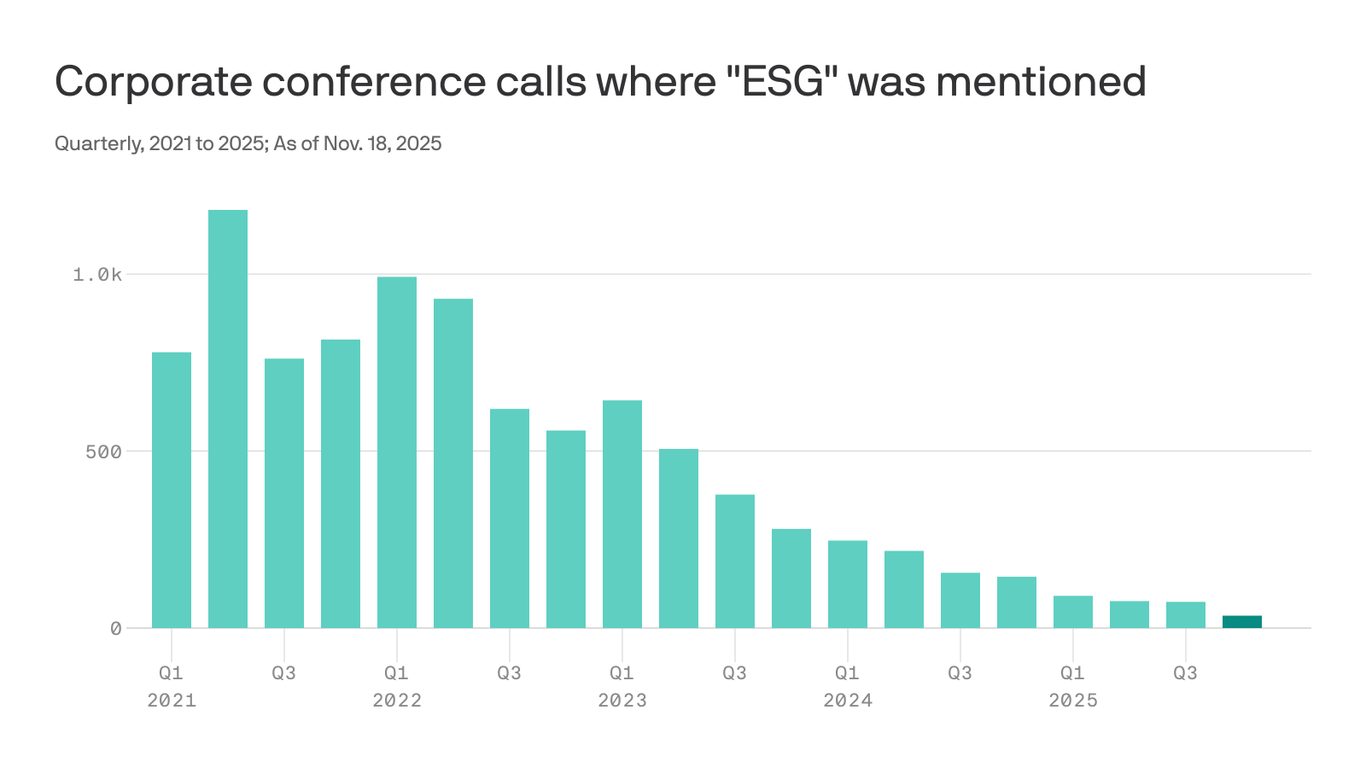
Many diversity programs were renamed or eliminated entirely. Sustainability language quickly disappeared from corporate communications. Executives became considerably more careful about advancing or even discussing different social impact issues. Under intense political, legal, and regulatory pressure from the Trump administration and conservative activists, companies reconsidered once-celebrated social impact policies and practices.
I have watched this upheaval from inside corporate conference rooms as an attorney and adviser who works in social impact. My clients—many of whom count on me to keep our work private—range from global corporations, founders, and CEOs to their charitable and social impact initiatives, often including partnerships with their peers and other industry stakeholders.
The specifics of my conversations with clients are likewise bound by confidentiality. But I can tell you that I’ve fielded questions—from executives, attorneys, and impact leaders everywhere from Fortune 500 companies to America’s largest law firms—that would have sounded ridiculous back in 2020: Which words create the most risk? Which commitments still belong in public communications? Which programs remain central to the business? How can we build social impact strategies that withstand a rapidly changing political environment? What will our talent, customers, and other stakeholders think?