SHI YU/CHINA DAILY
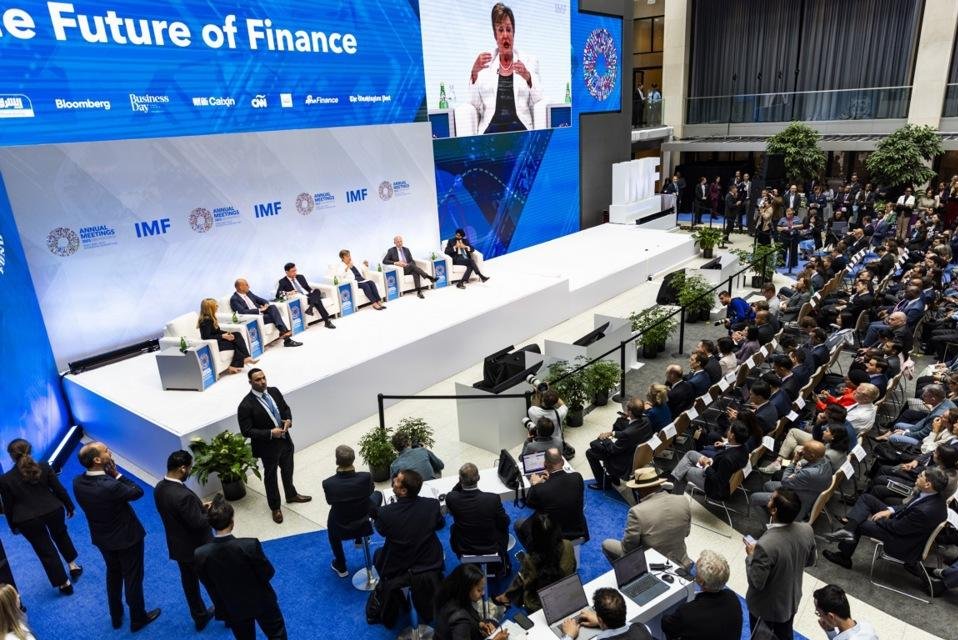
The International Monetary Fund in July projected 4.6 percent growth for the Chinese economy in 2026, one of the strongest results among major economies.
China's economy has also demonstrated considerable resilience in the first half of the year, with GDP expanding 4.7 percent year-on-year despite a challenging global environment.
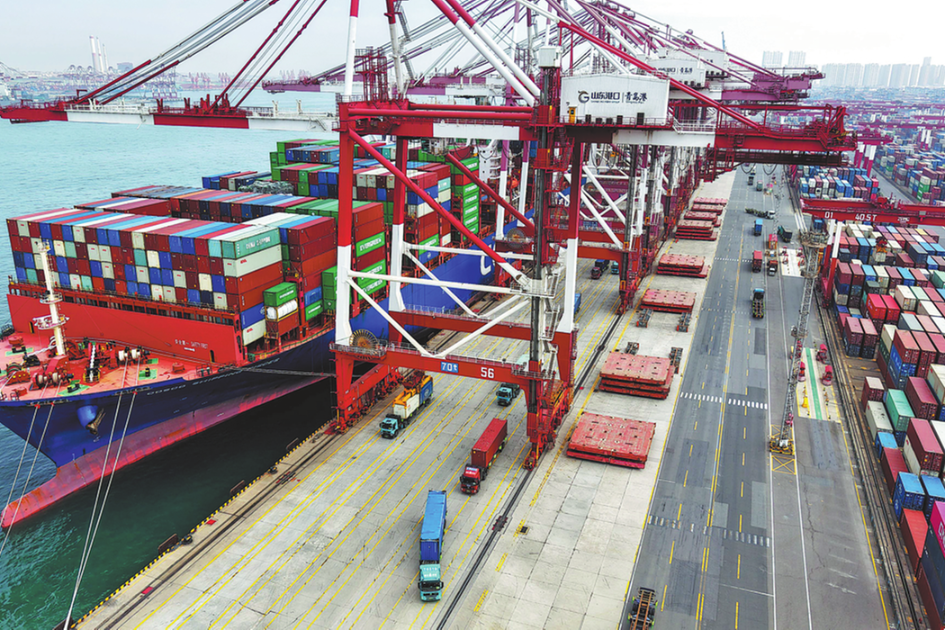
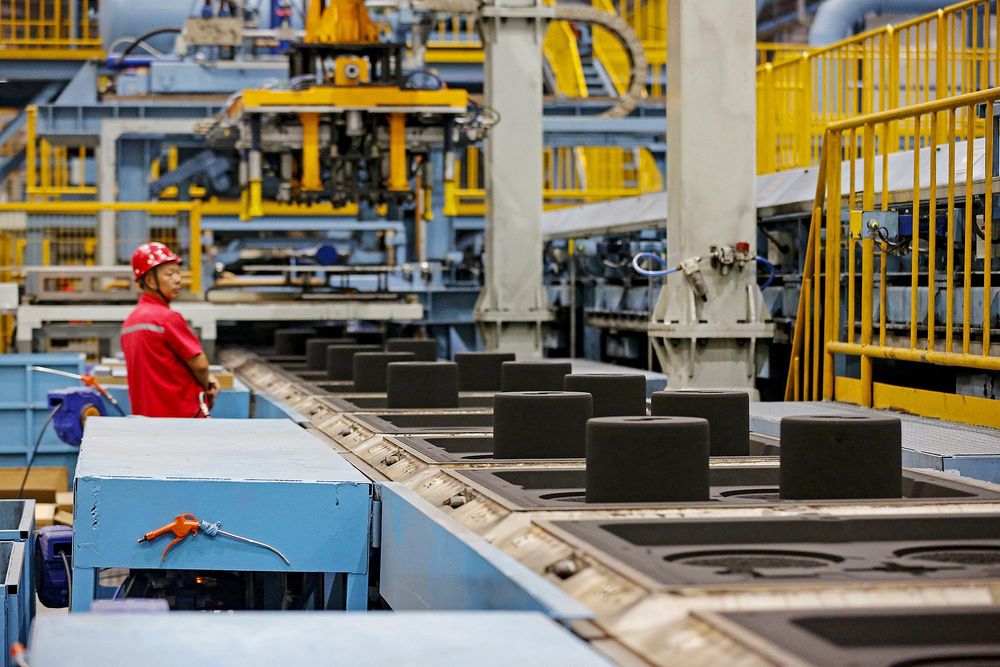
Yet some Western economists remain skeptical of China's growth path, citing structural concerns including an overreliance on trade rather than domestic demand and adjustments in sectors such as steel, electric vehicles and solar panels.
But what both official and independent readings agree on is that households, enterprises and local governments have all become more measured about spending, investing and borrowing. One possible key lever to spur growth is boosting the willingness of households, businesses and local governments to spend, invest and borrow again. And a new cluster of technologies — smart manufacturing, space technology, the low-altitude economy, robotics, big data and, above all, artificial intelligence — is helping to build that confidence and create new opportunities for growth.