August 26, 2026
Armed Forces
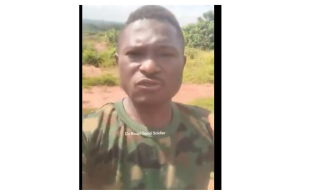
Social media has become a torchlight and a tripwire for Nigeria’s armed forces and security agencies. It has enabled the public to expose alleged oppression, corruption, and abuse that might otherwise remain buried. In January 2024, soldier Ruth Ogunleye used TikTok to allege sexual harassment, intimidation, and abuse by senior officers. The Army investigated and discharged her, while exonerating the officer. In 2025, Lance Corporal Festus Igenkhai, known as “Ex-Man,” used TikTok to accuse military leadership of failing to tackle insecurity and alleged bias by a former Operation Safe Haven commander.
The Army declared him wanted, saying he had gone AWOL and breached military rules. These cases demonstrate social media’s capacity to become a whistle-blowing outlet. But they also expose its darker side. Unverified allegations can damage reputations, inflame communal passions, and undermine investigations. Operational photographs, troop movements, locations, weapons, and intelligence can be pieced together by insurgents, kidnappers, and terrorists. A careless post can endanger an operation, expose personnel, compromise evidence, or alert suspects.
The security services recognise the danger. The Police, in 2020, restricted officers from displaying themselves in uniform on platforms, identifying themselves as police officers, mobilising colleagues against Force leadership, or engaging in controversial political and religious discussions. In 2026, the Army warned personnel against social-media abuse and ordered commanders to enforce compliance. Its Cyber Warfare Command also launched an awareness campaign on responsible online engagement. These concerns arise from the extraordinary obligations of armed service.