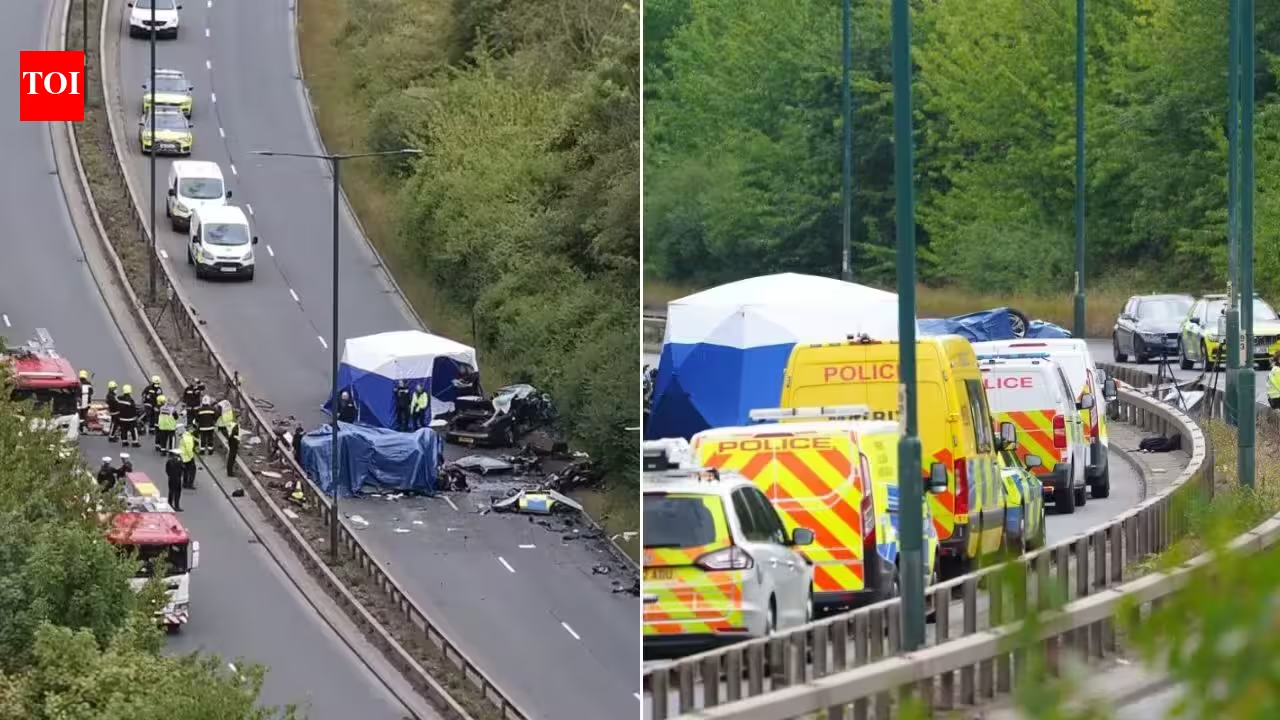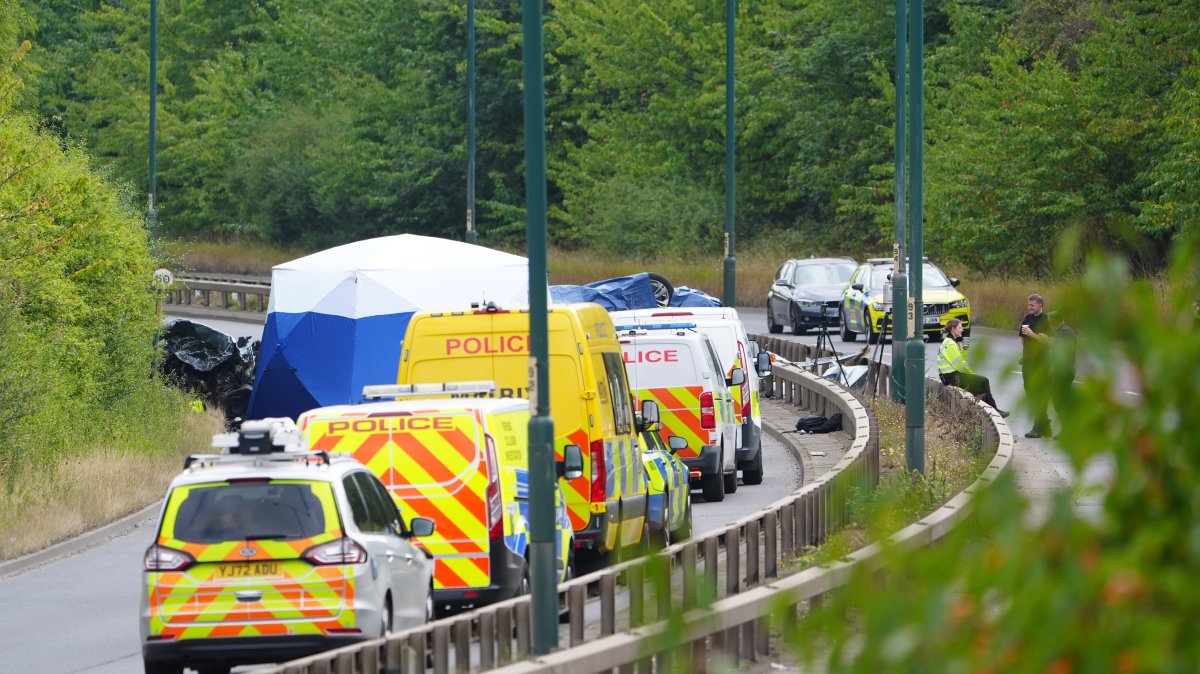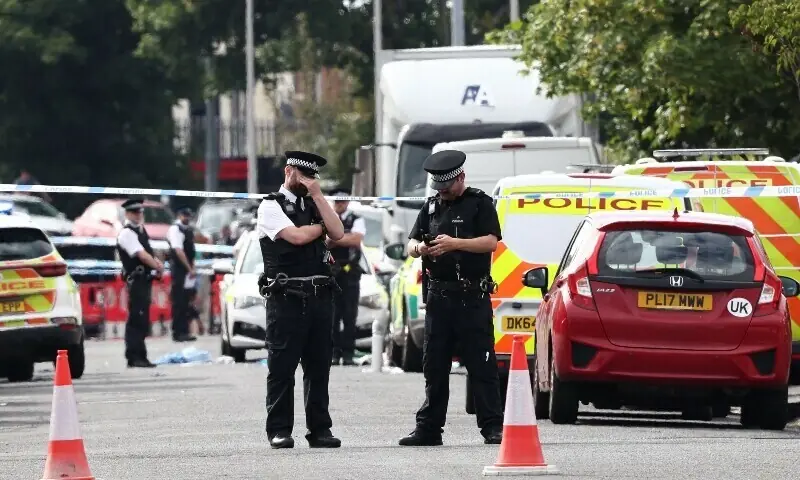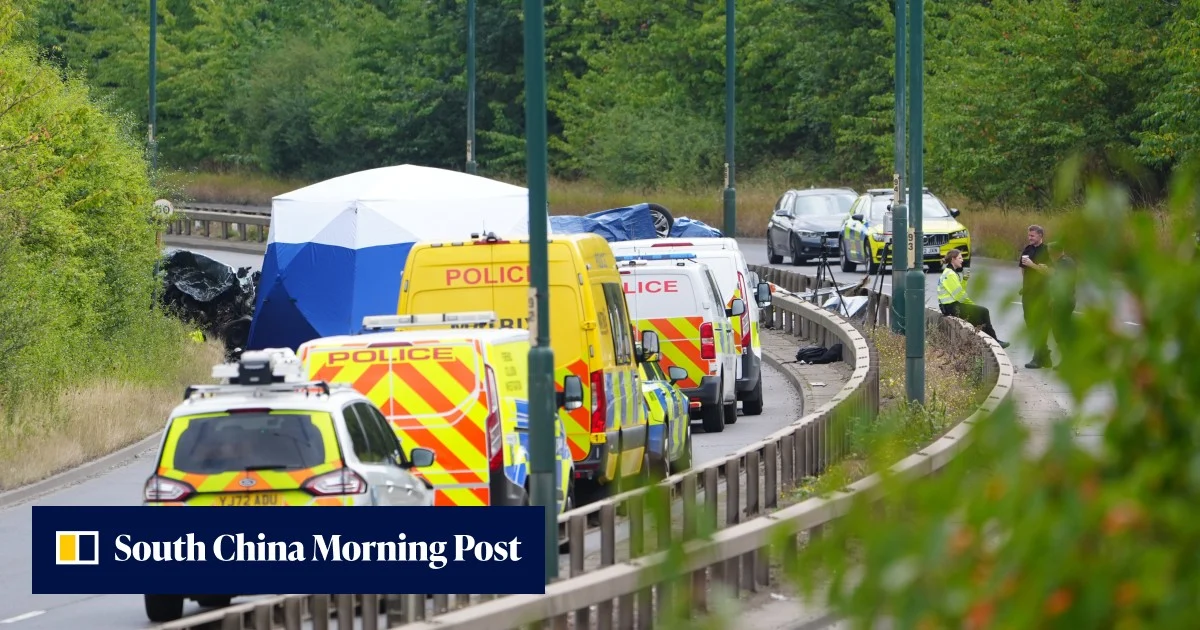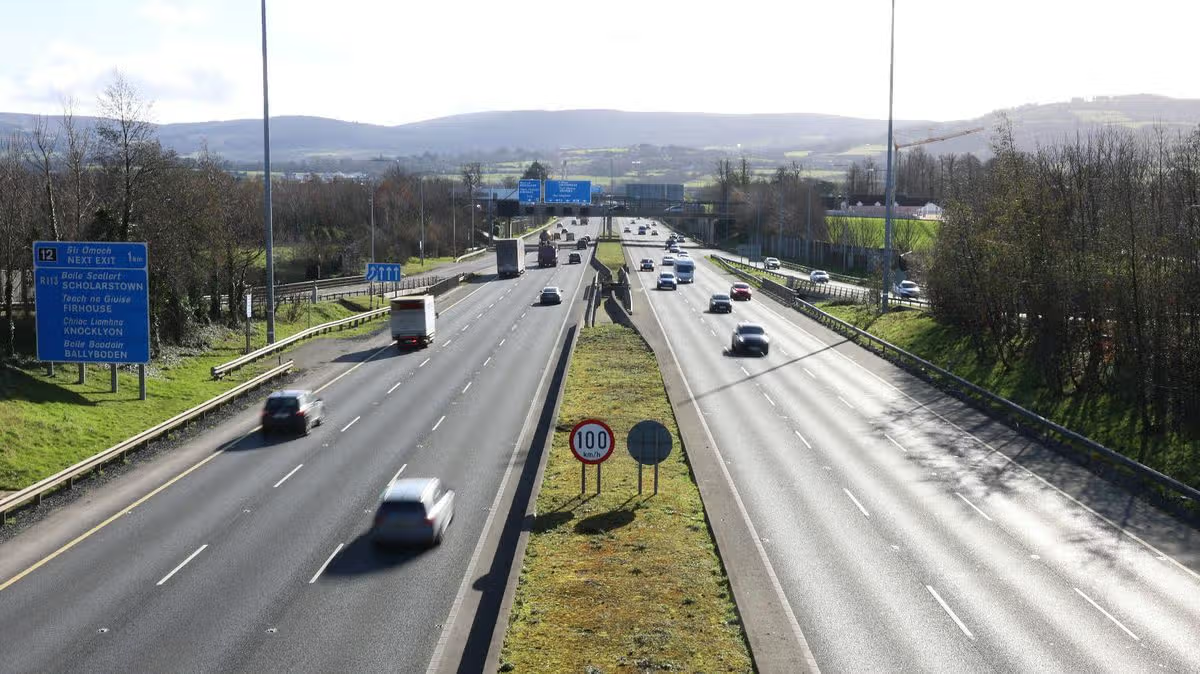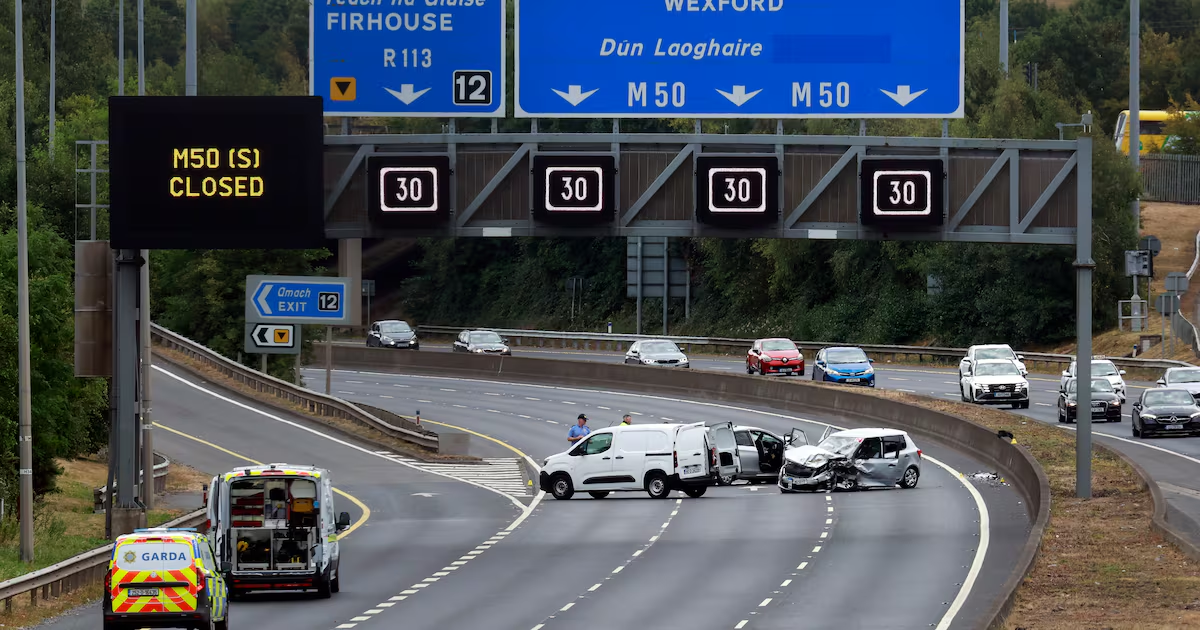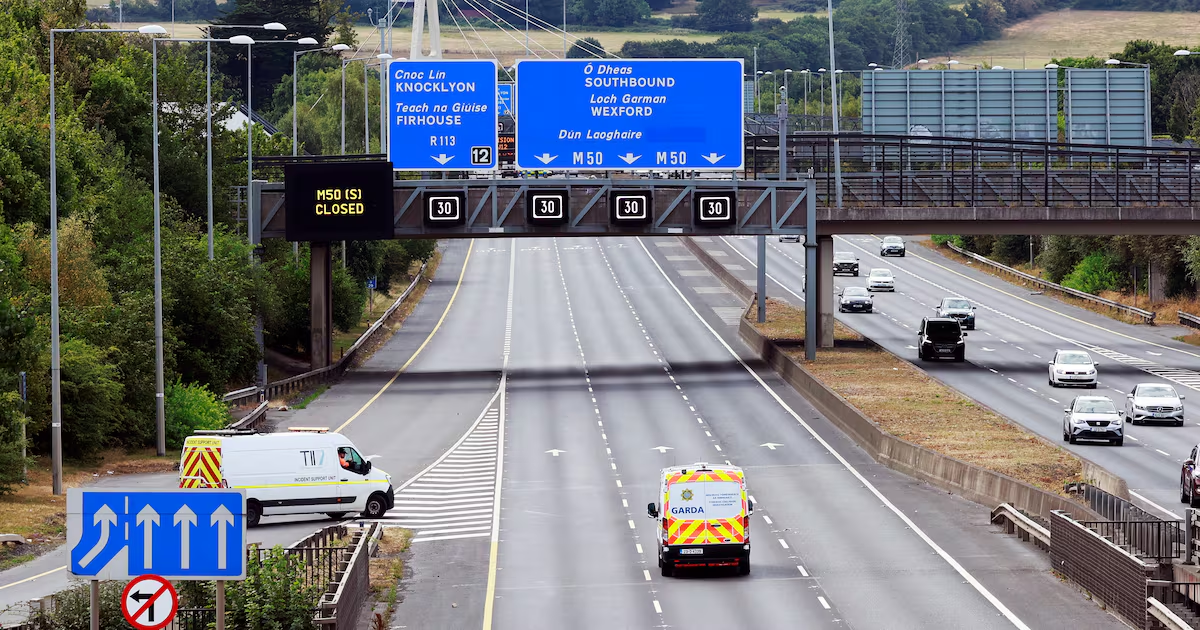
The M50 has seen the most incidents of wrong-way driving of any motorway in Ireland since 2019, and the number has been steadily increasing almost every year since then.Increased focus has been placed on the issue of cars driving on the wrong side of the motorway since five teenagers were killed early last Sunday morning while doing so, injuring four innocent people, including a seven-year-old.There were 514 recorded incidents of wrong-way driving on Irish motorways detected by or reported to Transport Infrastructure Ireland’s (TII) Motorway Operations Control Centre between 2019 and August 17th, 2026.However, new data shows that only a small portion of these recorded incidents, 6 per cent, are confirmed to be related to Garda pursuits. The cause of nearly three in 10 incidents, however, is unknown, and many more are not detected.The statistics show the number of incidents is increasing dramatically. There have been twice as many cars detected driving the wrong way since the start of January this year (62) as in the whole of 2020 (31).While the Covid-19 pandemic reduced traffic volumes in 2020, the previous year saw just six more detections. The number of incidents peaked in 2024, when 91 wrong-way driving incidents were recorded.Between 2019 and 2024, the frequency of incidents increased by 146 per cent, from 37 to 91 – but at the current rate of incidents, 2026 is on track to surpass that number.The road with the most incidents during that period was the M50, with 81 incidents. Sixty three of these, or 78 per cent, have come since the beginning of 2023.On the M7, which connects Dublin and Limerick, combined with the continuation of the road, the N7 as it reaches the M50, 80 wrong-way driving incidents were reported. The motorway has seen a steady flow of incidents since the data collection was started.The N25, which connects Rosslare to Cork through Waterford City, has had 70 such incidents since 2019 – all bar nine since 2023. The headline figure is likely to underrepresent the number of wrong-way driving incidents as the data is based on camera detections and reports made by other drivers. Some incidents may go unnoticed or unreported.In response to queries from The Irish Times, TII broke down the 514 incidents as follows: 6 per cent of the incidents were confirmed to be related to Garda pursuits; 14 per cent to motorists who took U-turns at toll plazas; and a further 17 per cent who made illegal U-turns at other locations.Garda headquarters said that, aside from deliberate acts, driving errors or poor driving decisions put the general public at risk of devastating consequences and were treated as serious offences likely to incur prosecution. The largest single cohort was people who drove down the wrong exit ramp, at 26 per cent. A further 9 per cent of incidents were categorised as “other”.Twenty eight per cent of the 514 incidents were labelled “unknown”. TII explained that it was “difficult to definitively categorise” all incidents when many take place out of view of its CCTV coverage. Some incidents only come to the State agency’s attention through media reports, it said.“These events are also entered into our records in an effort for the record to be as complete as possible, but again often with minimal detailed information available.”The agency’s camera network is predominantly focused on motorways in and around Dublin and Cork. It is understood that less camera coverage exists on regional motorways, such as the M9, where the recent tragic crash occurred.There has been a 32 per cent increase in the number of incidents detected in 2026 so far. Cars have been detected driving the wrong way down motorways 62 times to date this year, against 47 such incidents between January and mid-August 2025.There were seven wrong-way driving detections between August 1st and 17th – more than in the entire month of July (six) and the same number as in June.
M50 and M7 have had the highest number of wrong-way driving incidents since 2019
Situations where vehicles are found driving on the wrong side of a motorway set to reach record high this year
649 words~3 min read