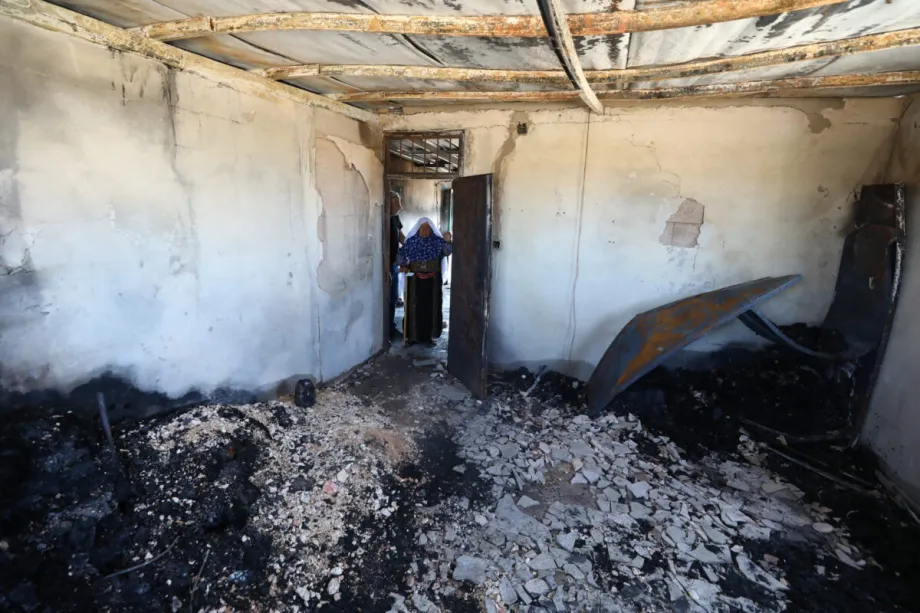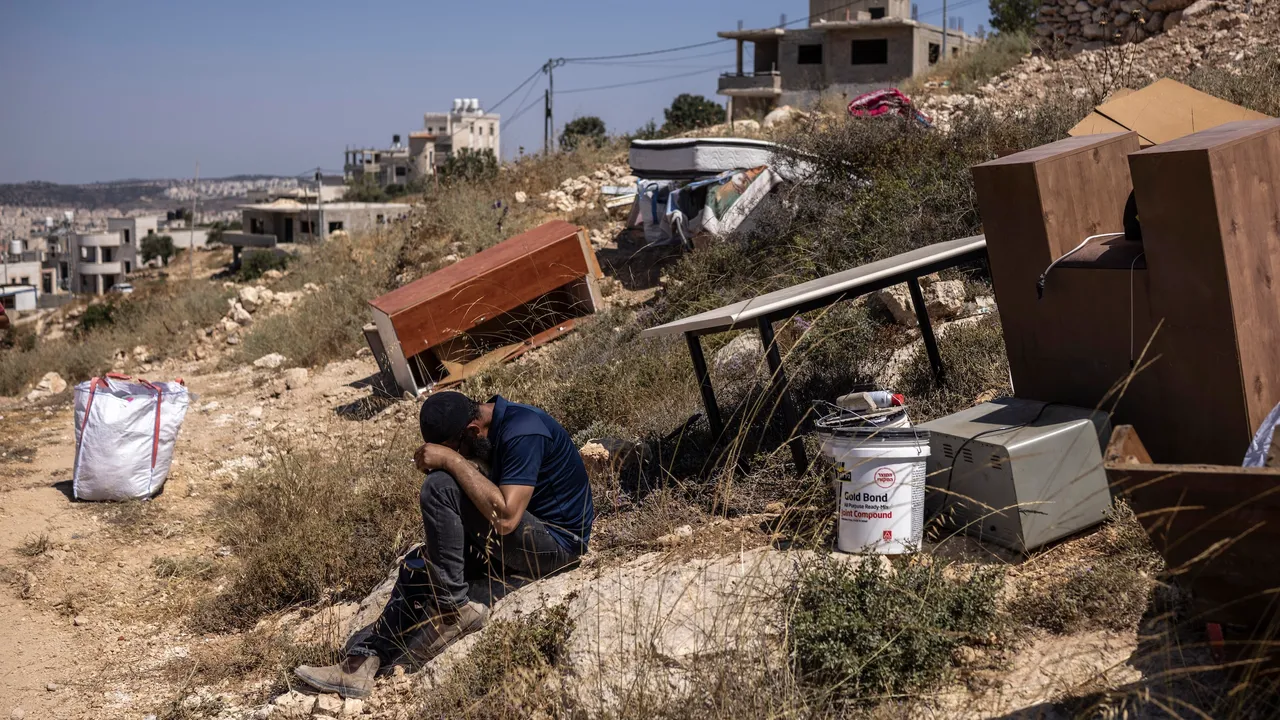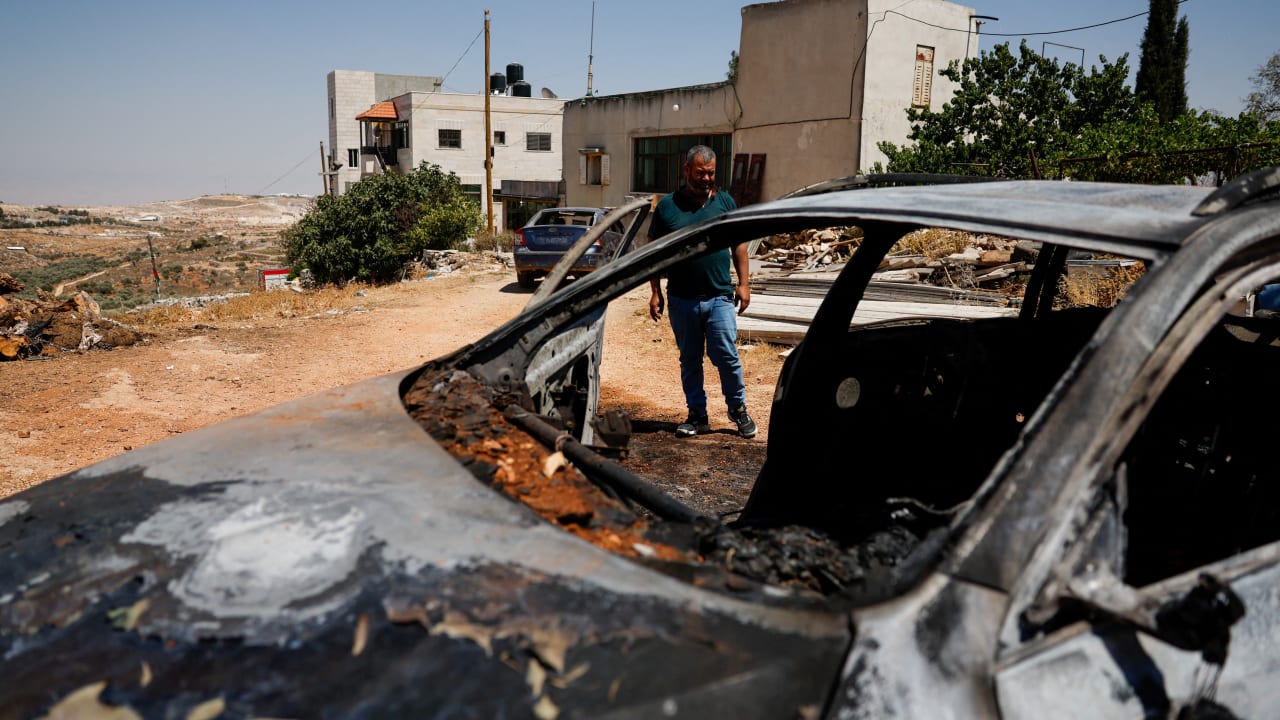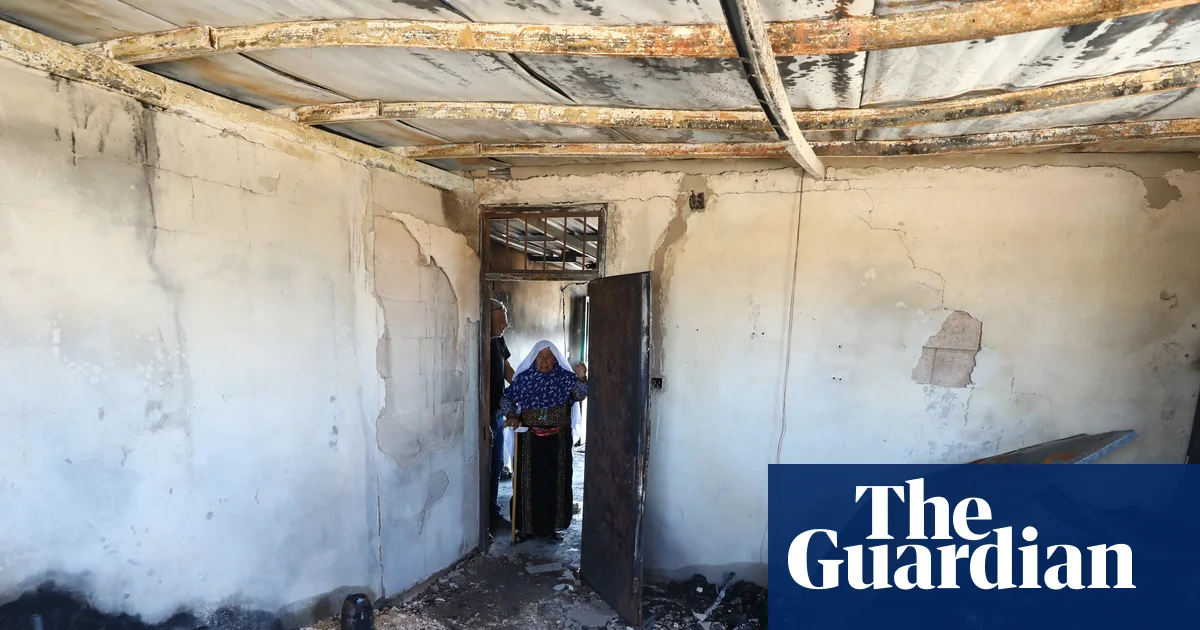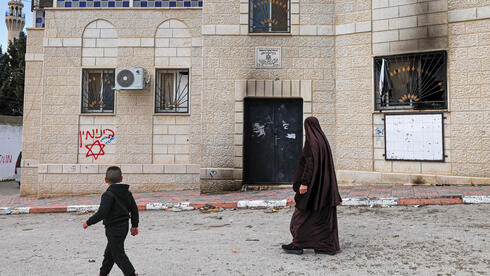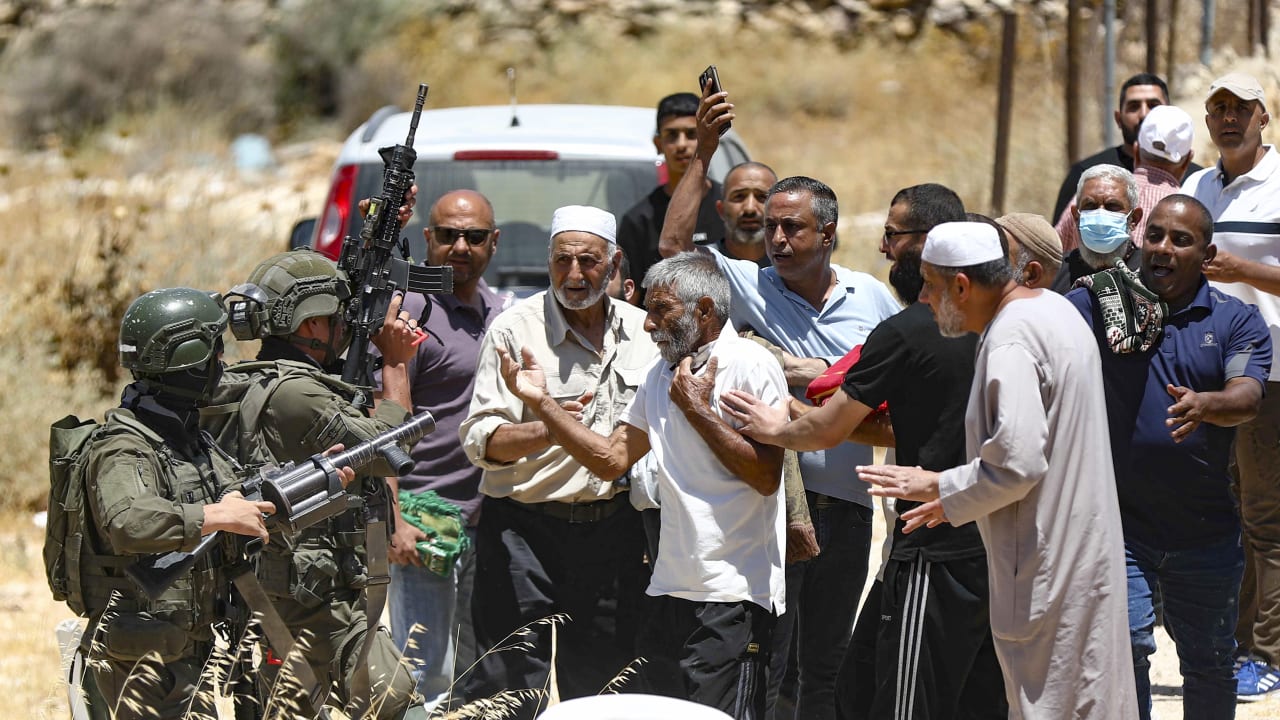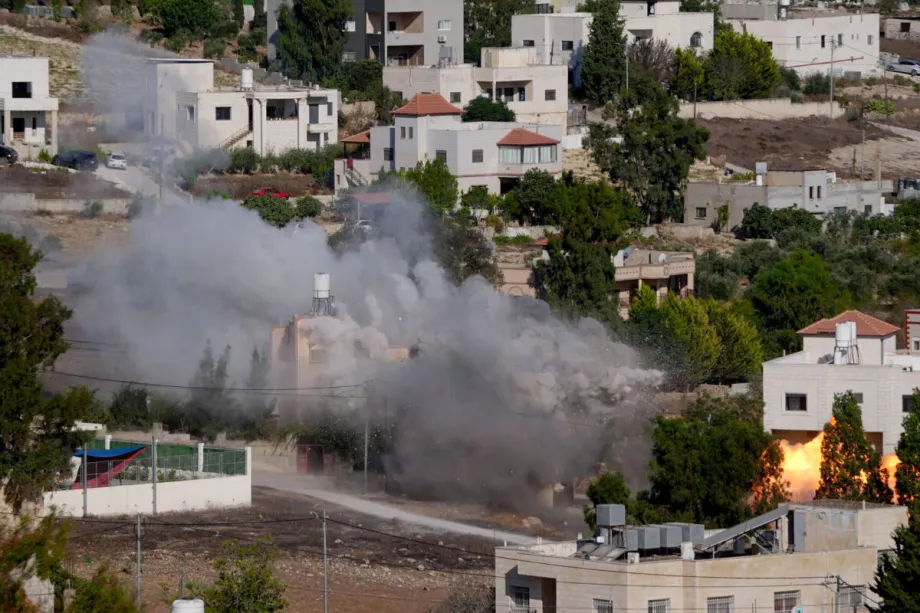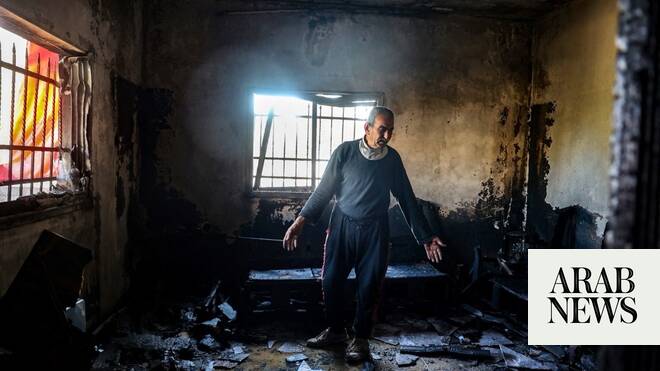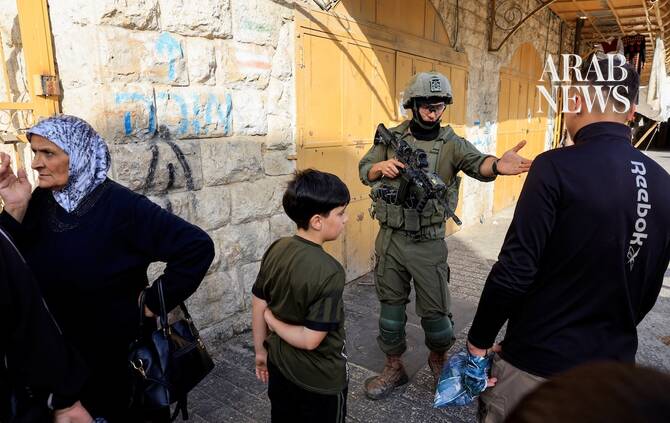
More than 800 incidents have been recorded this year as security officials warn settler violence, Palestinian attacks and the Palestinian Authority’s economic crisis could combine to ignite the regionSenior Israeli security officials are warning that the West Bank is “highly volatile,” pointing to a sharp rise in nationalist violence alongside mounting economic and political pressures and signs of renewed Palestinian lone-wolf attacks.More than 800 incidents classified as nationalist crime have been recorded since the beginning of the year, according to Israeli security data. Of those, between 90 and 100 were classified by the military as serious incidents.Violent clashes between Israeli settlers and Palestinians in the West Bank (Photo: Ma’avak Al Kol Dunam)The figure is the highest recorded at this stage of a year since 2023, when more than 1,000 incidents were reported.“At the current pace, we will surpass the 2023 record,” security officials warned.The surge has raised questions over the ability of the IDF and Israel Police to curb violence by Israeli extremists, particularly after security forces succeeded in reducing Palestinian militant activity in parts of the West Bank.Security officials say the difference lies partly in the legal and intelligence tools available to authorities. Gathering intelligence on Israeli civilians is subject to tighter restrictions, while authorities have also lost the ability to use some administrative detention measures.Footage of Sunday’s terror attack in the village of al-Auja“Restraining orders are not signed arbitrarily. They are based on solid intelligence,” officials said.Authorities are now seeking to expand the measures available to them, including asset seizures and financial sanctions.“The determination to act is absolutely there, but the toolbox available against Israelis is fundamentally different, and the results reflect that,” the officials said.The IDF is also increasingly frustrated by extremist activists deliberately creating friction in areas under Palestinian civil or security control.Under the Oslo Accords, the West Bank is divided into Areas A, B and C. Area A is under Palestinian civil and security control, Area B is under Palestinian civil control with Israeli security responsibility, while Area C is under full Israeli control.A military official said activists were deliberately trying to blur those boundaries by entering or attempting to establish a presence in Areas A and B.“You can be ‘pioneers’ and ‘settle the land,’ as they say, in hundreds of existing farms and communities, but the attempt to blur the lines between Areas A and B and Area C, and the push to settle inside Areas A and B, significantly harms the entire settlement enterprise,” the official said.“The IDF did not sign the Oslo Accords, but what is the point of these actions now? There is no Knesset legislating laws at the moment, and this is being done solely for provocation. When public leaders sit in Area B, they cause enormous damage and delay the establishment of regulated communities. Just before the holidays and the elections, we are on the brink of escalation.”The warnings come amid growing U.S. pressure over violence by Israeli extremists in the West Bank. U.S. Ambassador to Israel Mike Huckabee has said that burning cars and homes and invading private property to the point that residents fear remaining there constitute acts of terrorism.Security officials say the rise in nationalist violence is only one of several factors threatening stability.Another is the worsening financial crisis facing the Palestinian Authority. Israel has halted transfers of tax revenues it collects on the PA’s behalf, and Palestinian government employees have been receiving only around 40% of their salaries for more than a year.Palestinians also view the establishment of 104 communities and around 160 agricultural outposts in the West Bank as de facto annexation, regardless of whether Israel formally declares sovereignty.At the same time, succession struggles inside the Palestinian leadership, approaching Palestinian elections and Israel’s own election campaign are contributing to growing tension.The IDF Central Command is also concerned by what officials describe as early signs of a renewed wave of lone-wolf Palestinian attacks.Recent incidents include a stabbing attack in the village of al-Auja, a car-ramming attack at the Gush Etzion Junction and an incident in which a weapon was seized at Rimonim Junction.Security officials fear such attacks could inspire copycat incidents elsewhere in the West Bank.The IDF currently has 25 battalions deployed across the territory in an effort to prevent the situation from crossing into broader escalation, particularly as the Jewish holiday period and elections approach.
IDF warns West Bank tensions near breaking point as nationalist violence hits new high
More than 800 incidents have been recorded this year as security officials warn settler violence, Palestinian attacks and the Palestinian Authority’s economic crisis could combine to ignite the region
721 words~3 min read