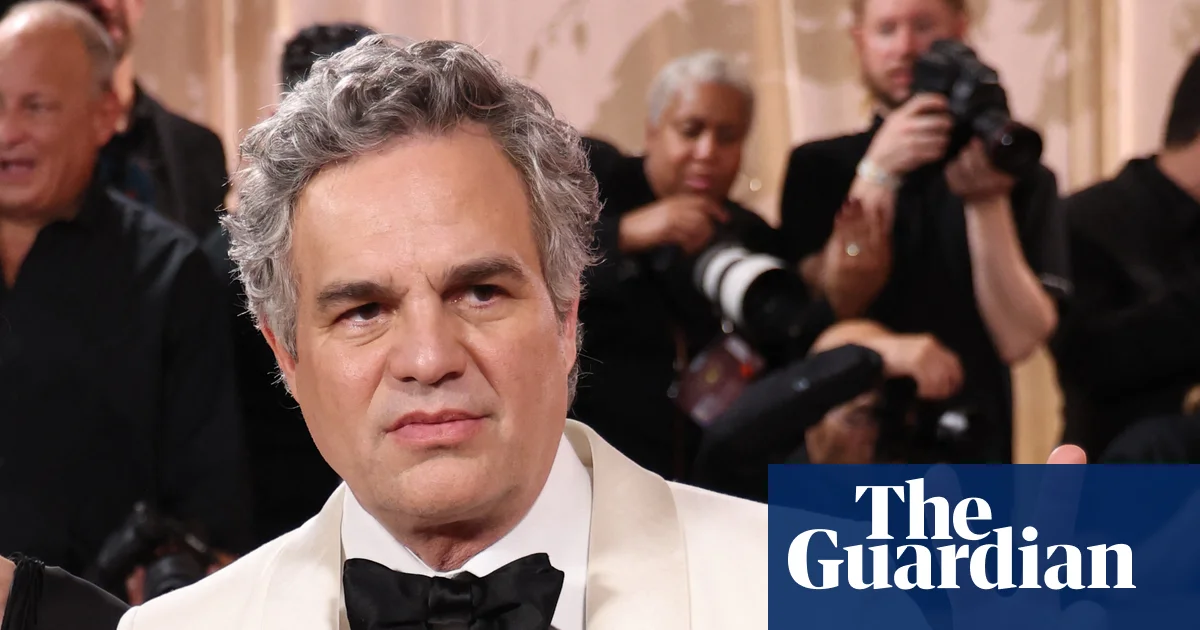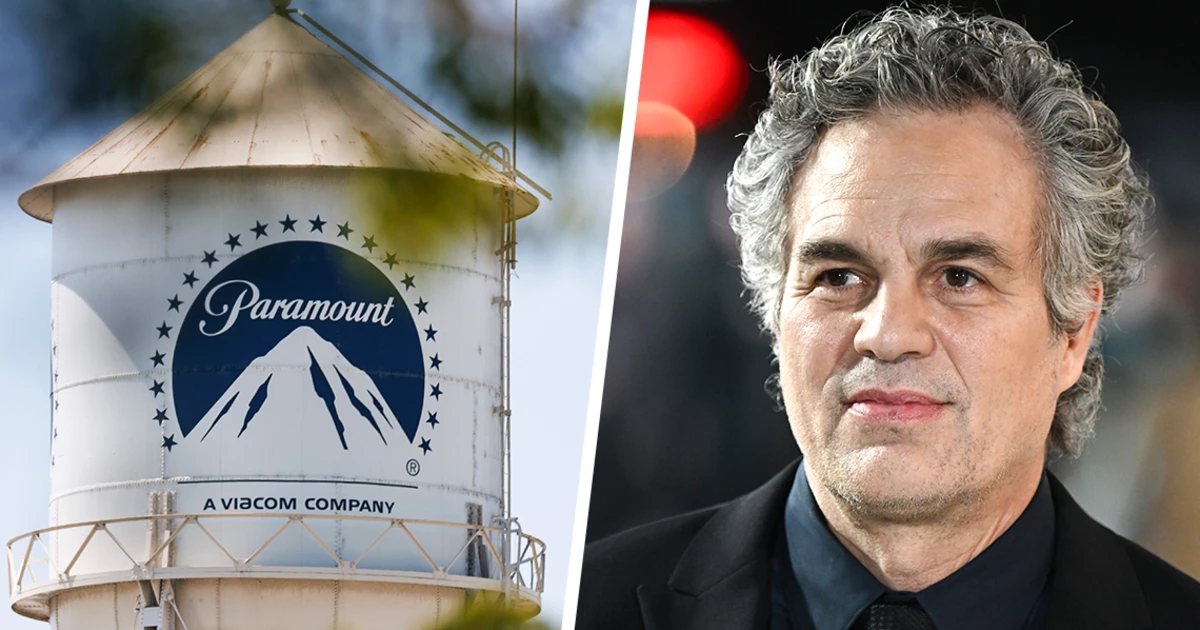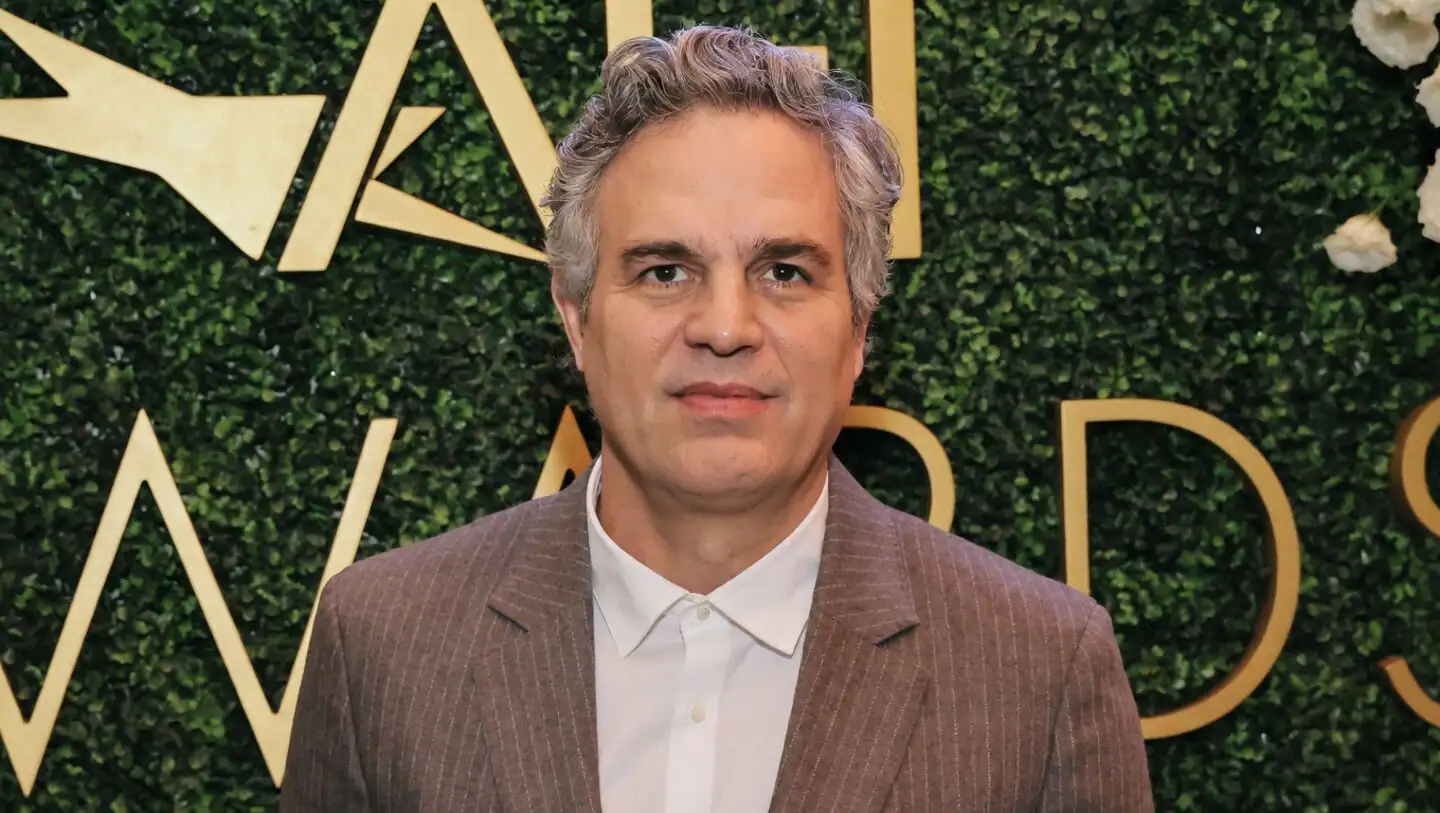
Mark Ruffalo has found himself at the centre of a fresh Hollywood controversy after Paramount Skydance accused the actor of using “antisemitic tropes” in his criticism of the studio’s proposed $111 billion Warner Bros. Discovery takeover. Ruffalo has rejected the accusation, setting off a public clash that has brought the merger debate into the contentious territory of Israel, corporate influence and free speech.The Oscar-nominated actor, who has been one of the most prominent Hollywood critics of the Paramount-Warner Bros. deal, called the accusation “appalling and fundamentally dishonest” in a statement posted Saturday. Ruffalo said his criticism was directed at Israeli government actions, military technology contracts and the executives involved in them, not Jewish people.What did Mark Ruffalo say about Paramount and Oracle?The latest clash began after Ruffalo shared a video of Oracle executive vice chair Safra Catz discussing the technology the company made available to Israel following the October 7, 2023, Hamas attacks.Ruffalo used the video to criticize Oracle founder Larry Ellison, whose son, David Ellison, is CEO of Paramount Skydance and is leading the Warner Bros. acquisition. Ruffalo argued that Oracle’s technology ties to Israel were relevant because Larry Ellison is providing substantial financial backing for his son’s proposed media deal.Ellison has agreed to personally backstop about $40.4 billion in equity financing for the transaction. Ruffalo wrote that Oracle’s technology could ultimately become connected to one of the world’s largest media conglomerates and described the war in Gaza as a “genocide” built on an “apartheid system of oppression powered by Oracle.”Oracle has longstanding business relationships with Israel’s government and military. Catz, who previously served as Oracle CEO and is now on Paramount’s board, has publicly discussed the company making technology available to Israel after the October 7 attacks.Why did Paramount accuse Ruffalo of antisemitism?Paramount responded Friday, saying it was “troubled when antisemitic tropes are invoked in purported service of a business dispute.”The company specifically objected to Ruffalo applying words such as “genocide” and “apartheid” to the corporate transaction, calling the language “a bridge too far” and saying it “cheapens the very real suffering” associated with those terms. Paramount also said it does not tolerate prejudice against anyone. Ruffalo rejected that interpretation.“Criticizing the actions of the Israeli prime minister, a military technology contract, or the executives who supply it is not the same as criticizing Jewish people,” he wrote. He added that his views came from his political convictions and said he has “deep love and respect” for Jewish people.Mark Ruffalo has been a vocal critic of the mergerRuffalo’s opposition to the Paramount-Warner Bros. deal is not new. He has helped organize Hollywood resistance to the acquisition, with more than 5,000 entertainment workers signing a campaign opposing the merger. Among those publicly associated with the campaign are Ben Stiller, Bryan Cranston and Jane Fonda.His concerns include potential job losses, reduced competition and threats to editorial independence. The proposed deal would combine Paramount’s CBS and Paramount+ operations with Warner Bros. Discovery assets including Warner Bros., HBO Max and CNN. The merger is currently being challenged by 12 US states on antitrust grounds despite receiving approval from the Justice Department.The stakes are also significant for Hollywood workers. A Los Angeles County report has estimated that approximately 4,500 jobs could be lost in Los Angeles if the merger proceeds.The dispute has now drawn support for Ruffalo from other entertainment figures, while Jewish organizations including the Simon Wiesenthal Center have backed Paramount’s criticism.
Mark Ruffalo hits back after Paramount brands his Warner Bros. merger criticism antisemitic, calls the accusation ‘fundamentally dishonest’
Actor Mark Ruffalo is currently embroiled in allegations of antisemitism by Paramount Skydance, which he has vehemently denied. Ruffalo clarifies that his criticism is aimed at the actions of the Israeli government and their technology. He notably pointed out connections between Oracles technology and Israel, illustrating how its founder financially supports the arrangement.
569 words~3 min read