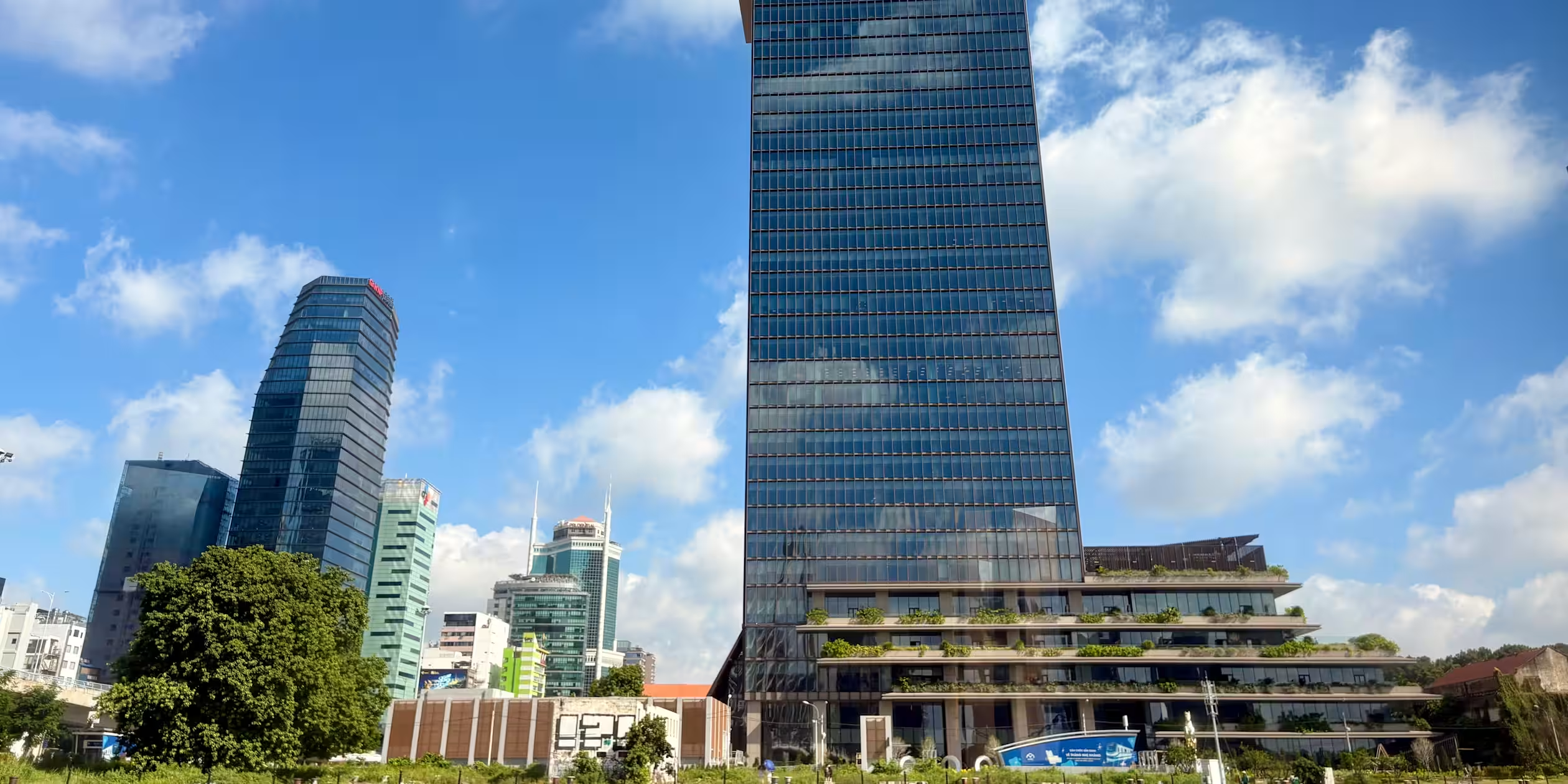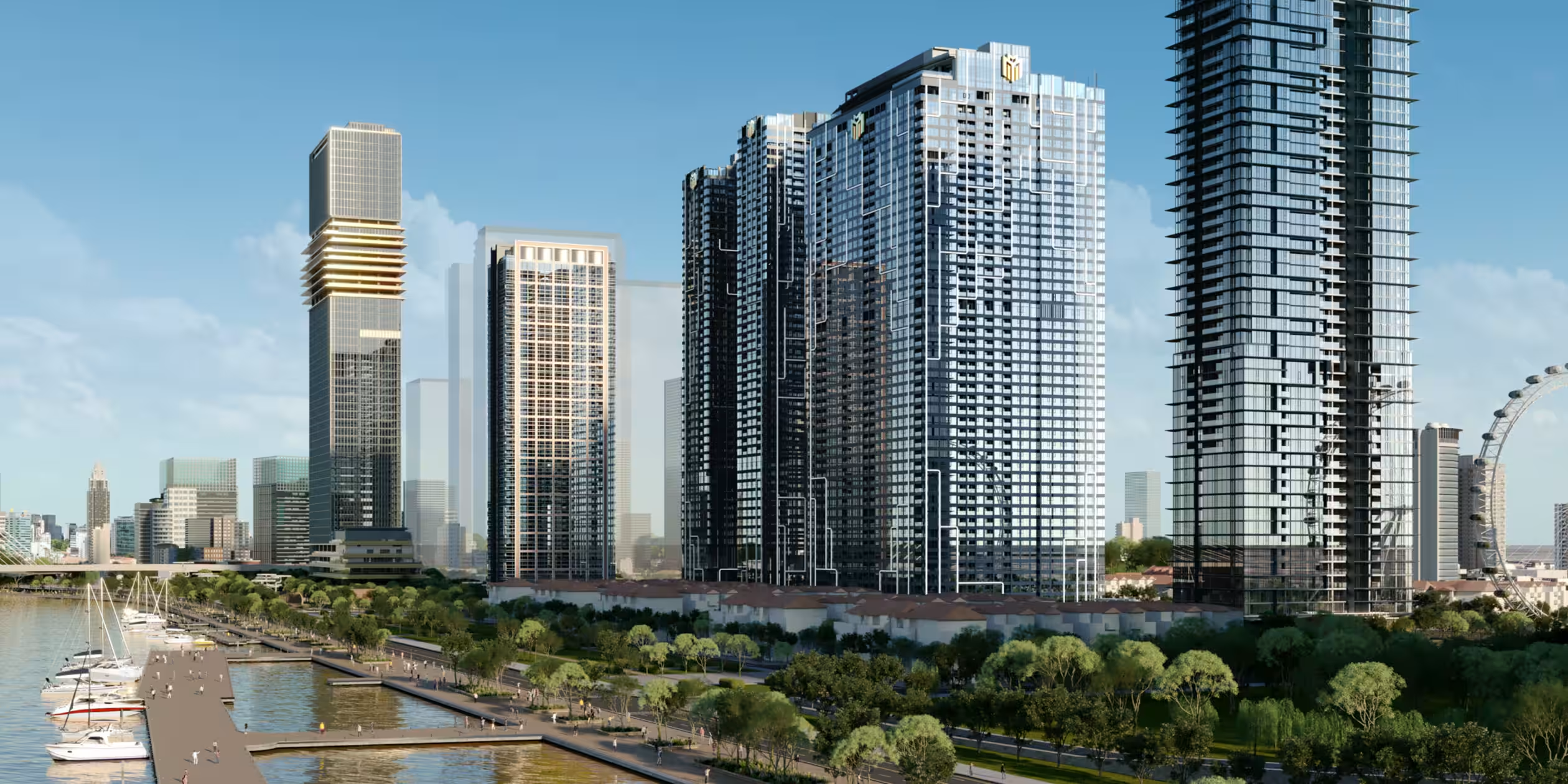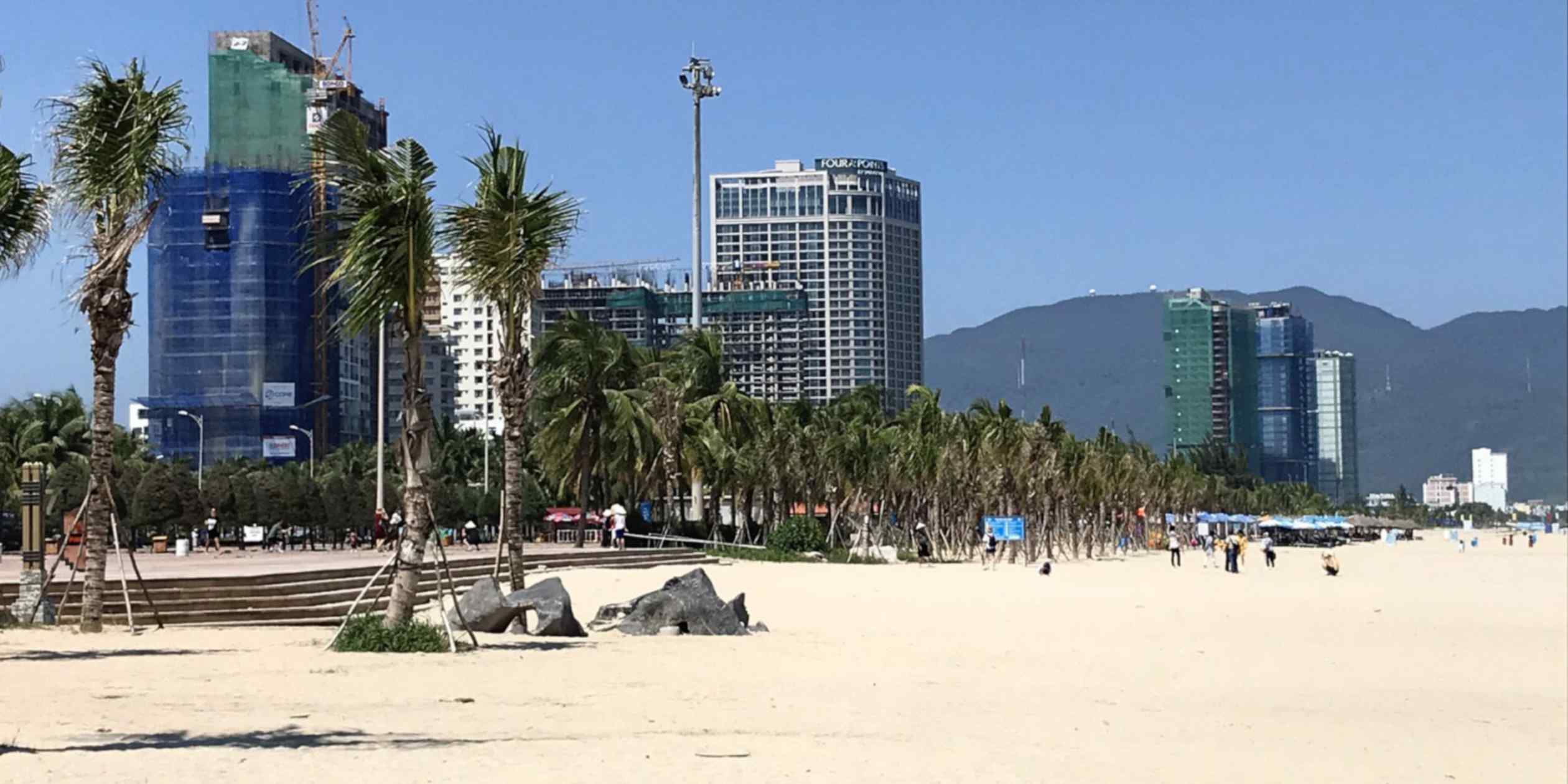
Vietnam has embarked on its boldest financial reform in decades. In January and February 2026, the country launched two international financial centres (IFCs) in Da Nang and Ho Chi Minh City, betting that these new hubs of international financial activity will drive Vietnam’s next phase of development.
Meeting Vietnam’s official development objectives will require nearly US$600 billion in infrastructure investment by 2040, leaving a funding gap of US$100 billion that public finances and domestic banks alone cannot bridge.
Vietnam’s nascent and heavily bank-dominated financial system compounds the problem. Between 2019 and 2023, banks mobilised an average of US$53.5 billion annually, while the stock market raised US$2.9 billion. Financing long-term investments in infrastructure, clean energy and advanced industries will require deeper capital markets, more sophisticated financial services and stronger links to global sources of capital.
The IFCs are designed to address these structural constraints. Legislation passed in June 2025 established a 1200-hectare special regulatory zone across the two cities, physically eclipsing hubs like the Dubai IFC and India’s Gujarat International Finance Tec-City.