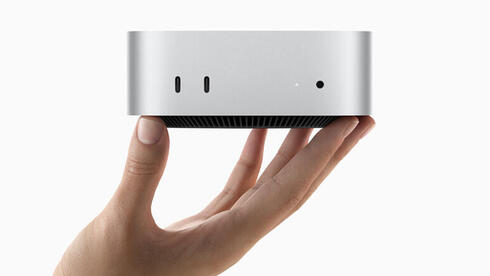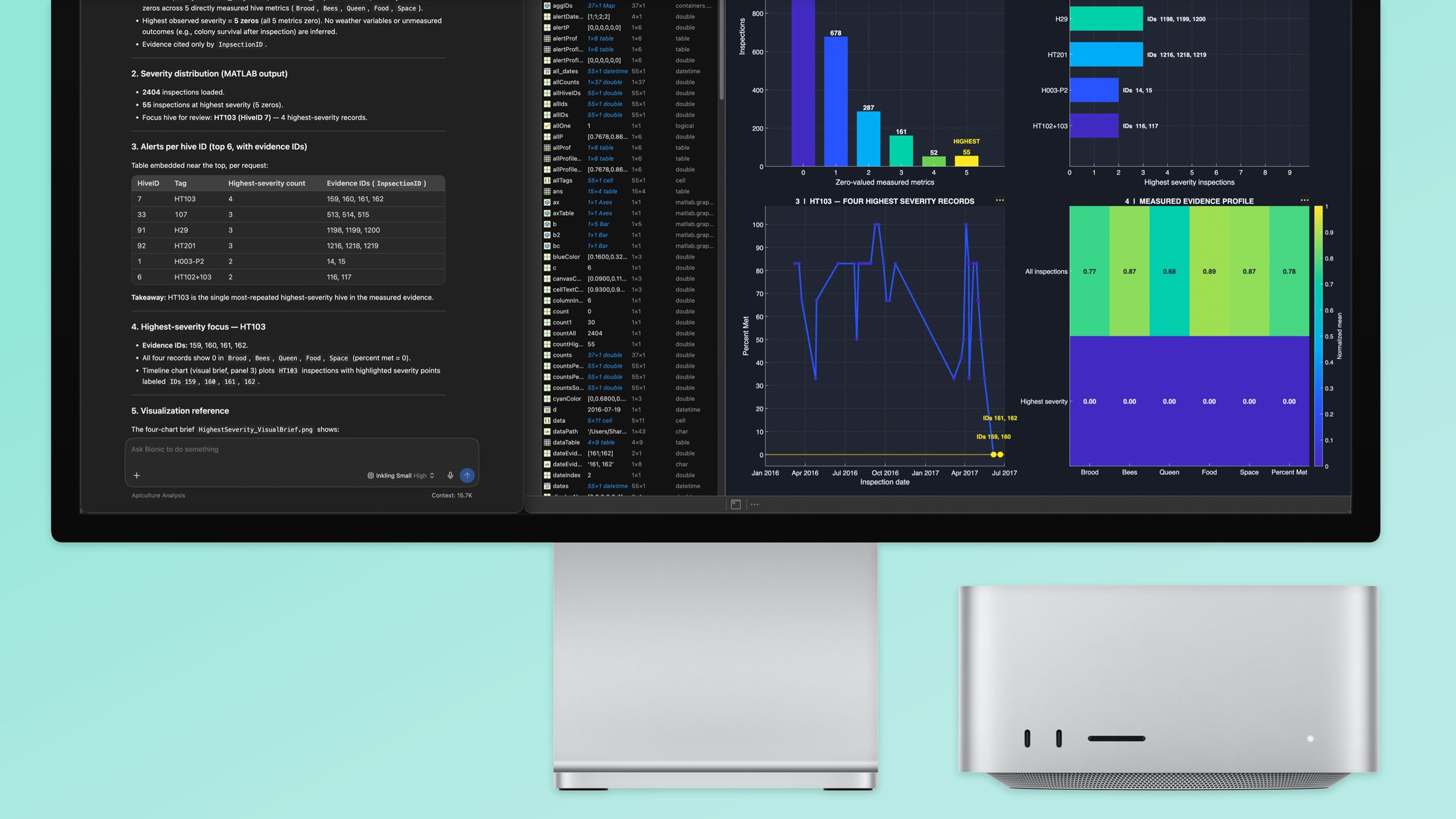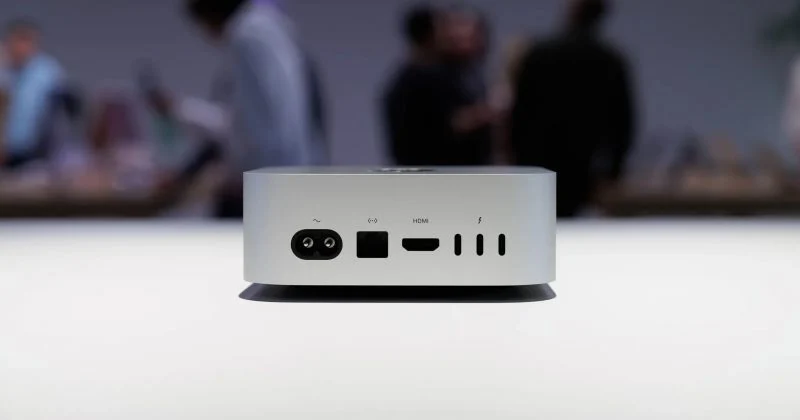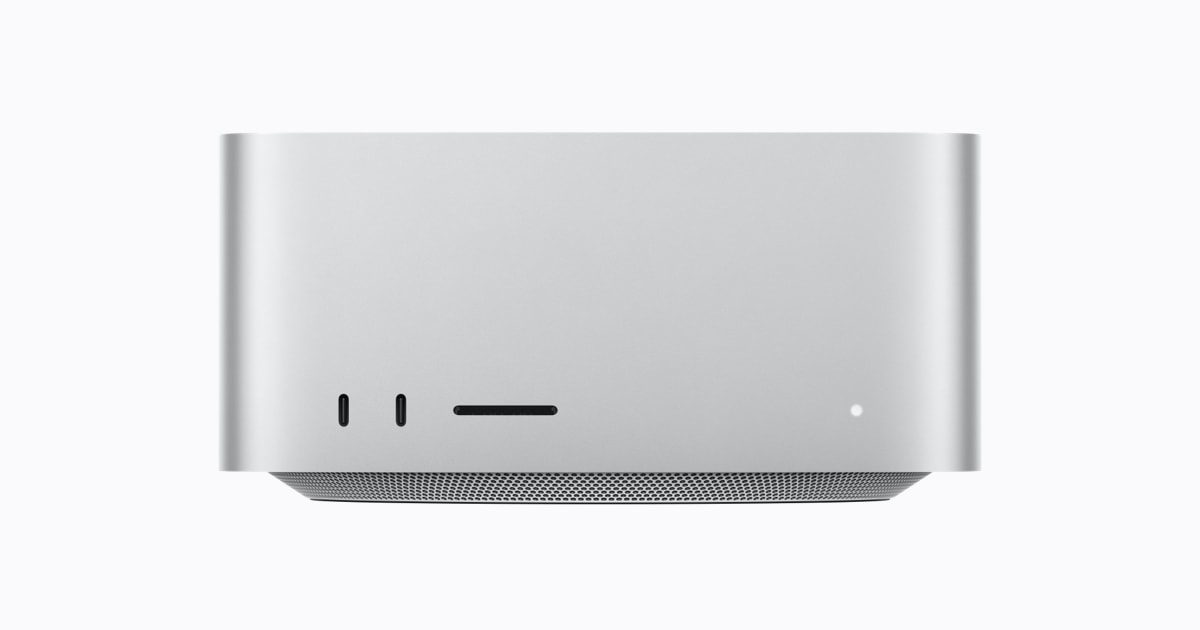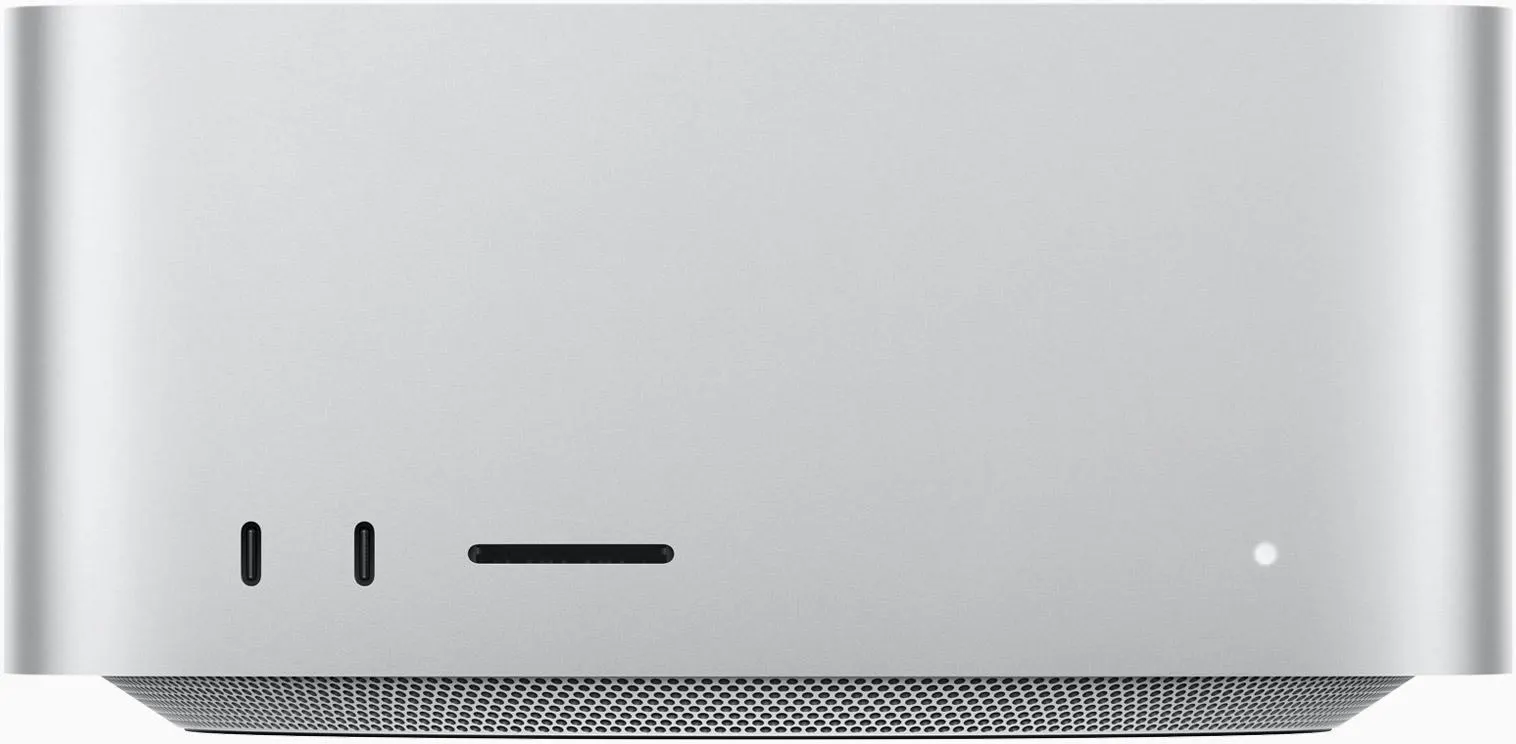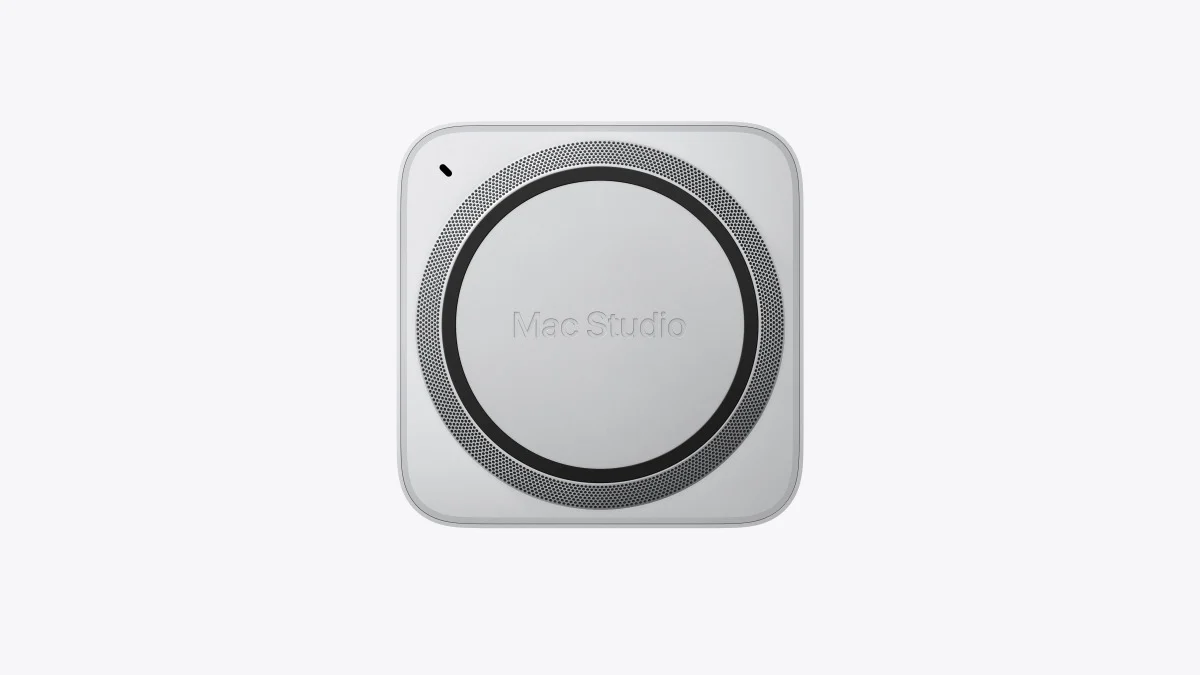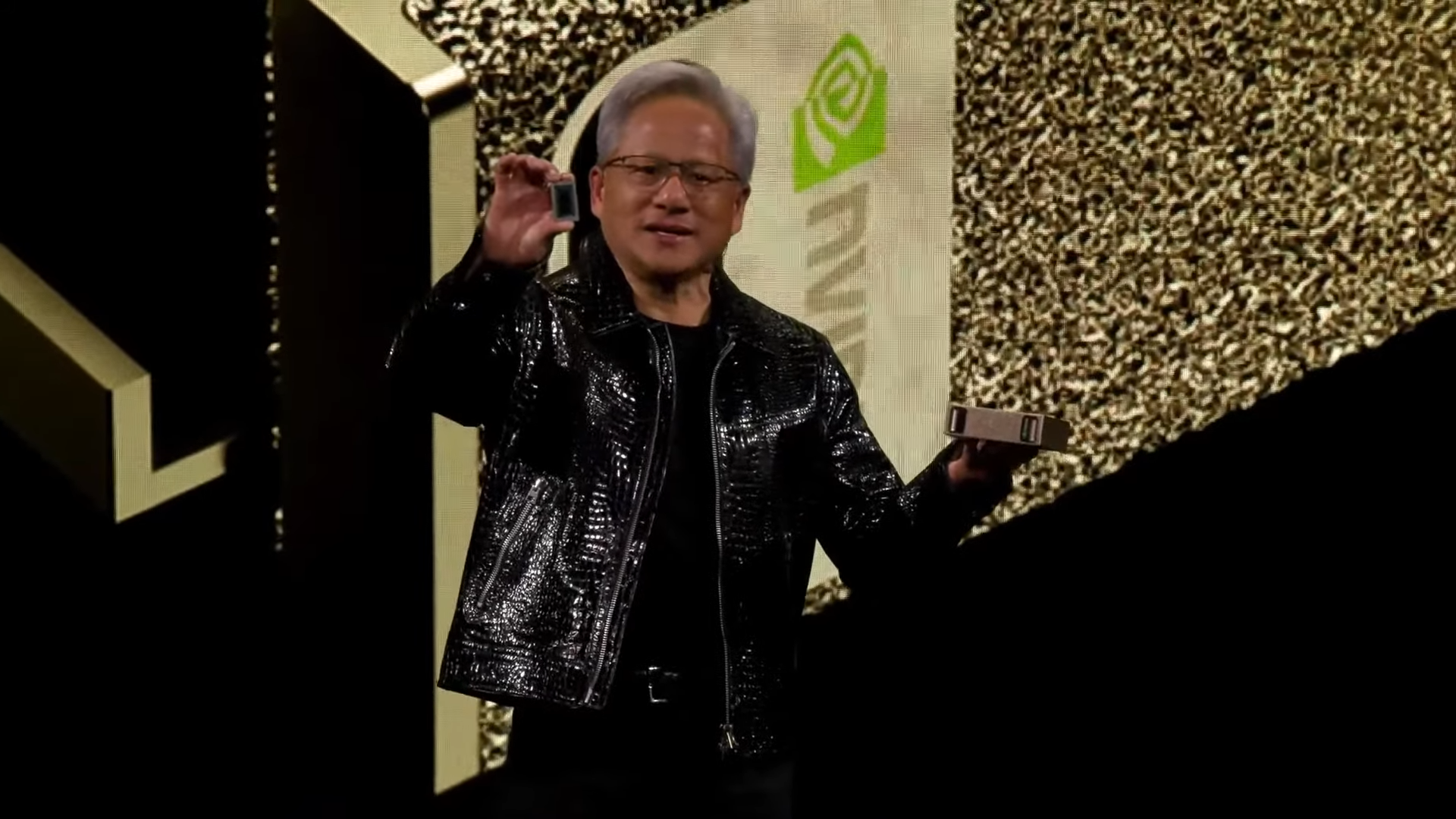
Two weeks ago I priced out what it would take to run a 200B-parameter model in my apartment in Dhaka without cloud tokens. The used-GPU route kept dead-ending: a card with enough VRAM either doesn't exist at consumer prices or melts my budget on electricity before it melts anything else. So when Apple announced the new Mac Studio with M5 Ultra yesterday, and NVIDIA's DGX Spark has been sitting on the same shelf since earlier this year, the comparison wrote itself: two boxes, roughly $5,500 give or take, both pitched as the desk-side local AI machine. They could not be more different machines.
Full disclosure up front: I have used neither. What follows is a spec-and-benchmark analysis from Apple's newsroom, NVIDIA's datasheet, and independent DGX Spark reviews. I run my own AI agent infrastructure and I write Java and Spring Boot for a living, so the buying lens here is a working backend developer's, not a researcher's.
The One Chart That Explains Everything
Strip away every marketing slide and two numbers decide which local AI box you should buy: how much memory it has, and how fast that memory moves. Memory capacity decides whether a model fits. Memory bandwidth decides how fast you can read weights, and LLM inference is almost entirely a memory-bandwidth problem once the model is loaded.