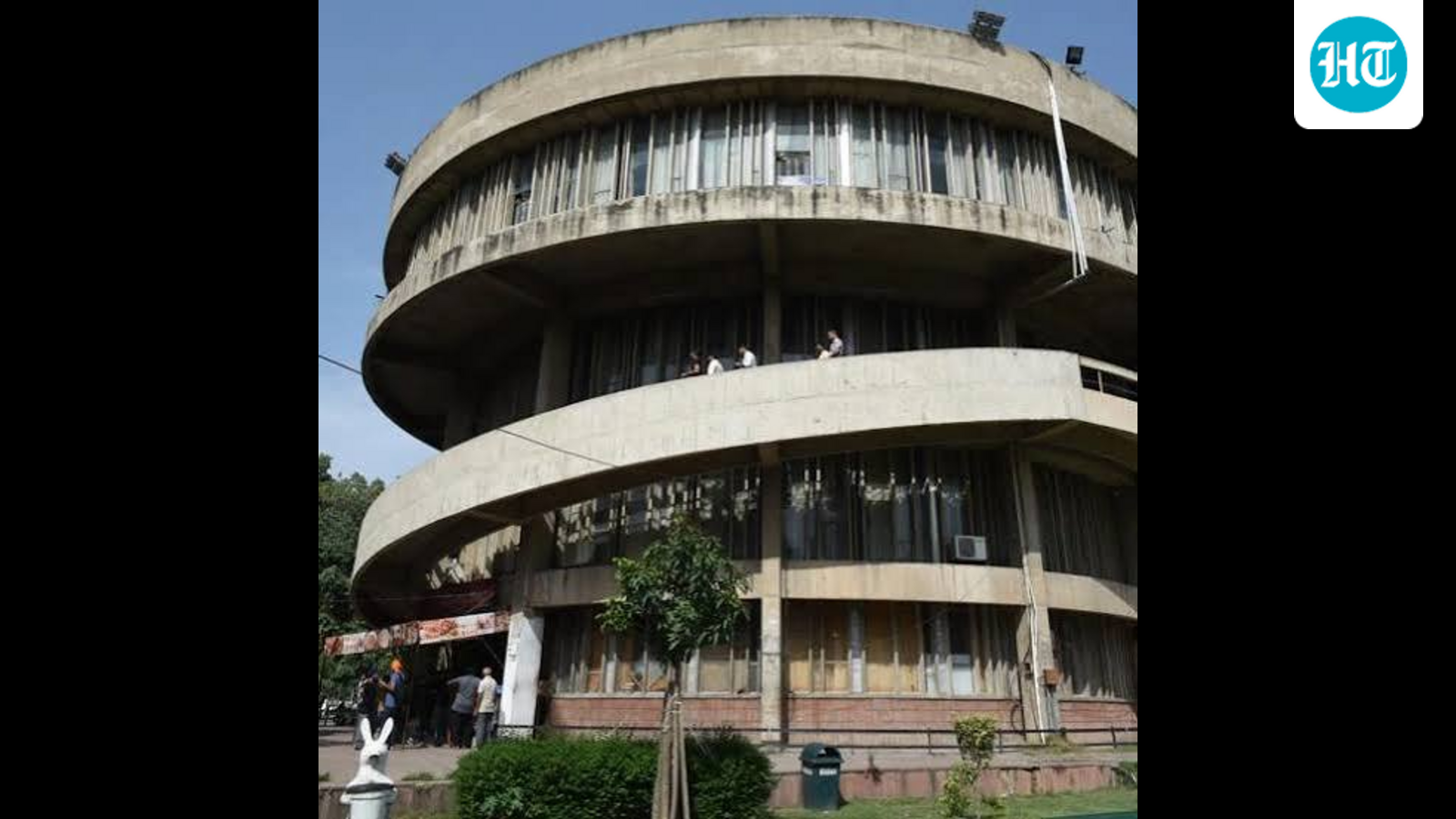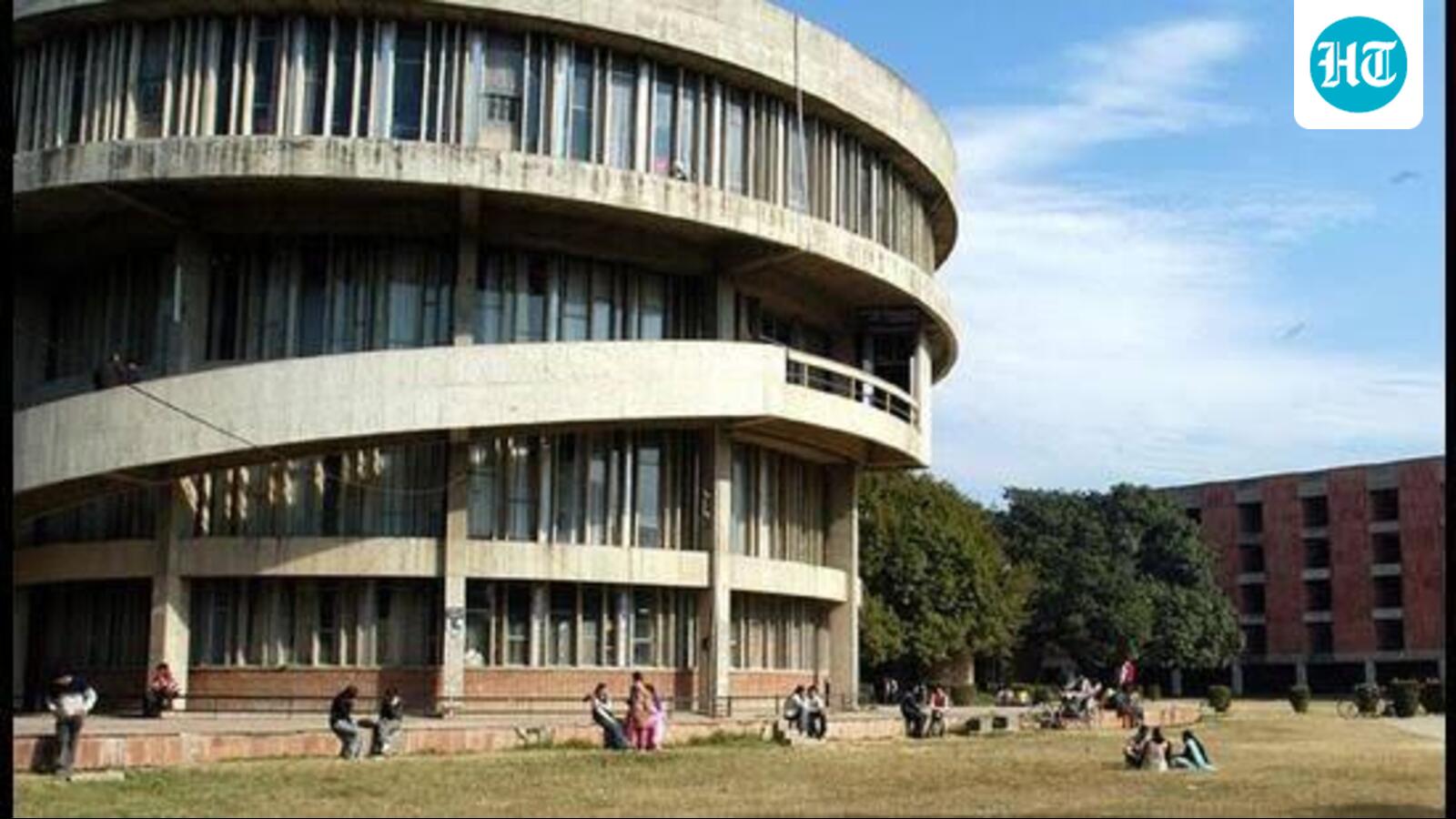
Campaigning at the city’s girls’ colleges has been largely subdued with limited visible activity at Post Graduate Government College for Girls (PGGCG), Sector 42, MCM DAV College for Women, Sector 36, Guru Gobind Singh College for Women, Sector 26, and Dev Samaj College for Women, Sector 45.At MCM DAV College for Women, Sector 36, students are participating in the election process despite the absence of a formal party system. (HT Photo for representation)At PGGCG-11, the only girls’ college in the city with an active presence of student parties, students say restrictions on campaigning have made it difficult to reach voters. In the other colleges, students are contesting independently.Smayra Shyam, a BA third-year student contesting for the presidential post on the Gandhi Group of Students’ Union panel at PGGCG-11, said, “Compared to the university and co-ed colleges, we face more restrictions. We are not allowed to use printed stickers, banners or photographs of candidates, which are common during elections. We had to announce our panel outside the college gate as authorities do not allow other leaders to enter the campus.”Shyam said her panel was raising issues faced by hostellers, including outing days, hostel timings and food hygiene, but added that day scholars were not allowed to campaign inside hostels.“We haven’t seen the same rules in other co-educational colleges or at the university, where candidates are able to interact with hostel students,” she said.Former PGGCG-11 students’ council president Pooja Kashyap said most issues raised by students were campus-level concerns, including clean drinking water in coolers, hostel gate timings, extended library hours and network problems in hostels.“Even these minimal demands are met with restrictions. If more girls come forward and participate in the elections, the current scenario will change,” she said.At PGGCG-42, an MA student, who did not wish to be named, said, “I haven’t seen any election activity in the college or heard of any candidate contesting. There are no student parties in our college and there is not much craze for elections in general.”At MCM DAV College for Women, Sector 36, students are participating in the election process despite the absence of a formal party system. Former general secretary Pranat Setia said genuine issues concerning students and hostellers were being raised, while the students’ council was also responsible for organising the annual fest. “Students staying away from parties is, in a way, beneficial as the focus remains on issues rather than groupism,” he said.At Guru Gobind Singh College for Women, students have been getting elected to the council unopposed for the past few years, resulting in no voting.According to Panjab University political science professor Ashutosh Kumar, elections are central to democracy, but women’s participation needs to translate into greater representation in leadership. “Women have been seen voting in large numbers compared to their role in leadership. Compared to the last 25 years, the participation of women in students’ council elections has increased,” he said.Kumar said women’s participation in elections could be viewed through three aspects — participation, contestation and representation. While the number of women voting and contesting elections is increasing every year, their representation in leadership positions remains comparatively low.He said women’s reservation in student bodies should be supported along the lines of other representative institutions, including panchayats and, from 2029, the Lok Sabha and state legislative assemblies.
Chandigarh: Elections remain a low key affair at women’s colleges
At PGGCG-11, the only girls’ college in the city with an active presence of student parties, students say restrictions on campaigning have made it difficult to reach voters
548 words~2 min read