To be successful using constantly evolving AI technology, enterprises need a deep understanding of their business processes and flexibility in the models and agents they use.
August 18, 2026
Generative and agentic AI has seen wide use by enterprises over the last few years. But now, as at the start of the AI boom with OpenAI’s release of Chat-GPT in 2022, it appears as if the rapid pace of technology development has not matched adoption. The current focus on the cost of using AI means that enterprises have to take a hard look at the ways they’re applying generative AI and make sure they’re gaining value in how they apply it.
However, recently a shift has started as enterprises have toned down their skepticism about how generative and agentic AI technology could help them. Businesses of late have felt a pressing need to implement the technology in light of the OpenClaw open source personal agent phenomenon, Anthropic’s release of the domain-adaptable Claude Cowork and powerful Mythos models and Nvidia CEO Jensen Huang's call to enterprises to embrace an “OpenClaw strategy.”
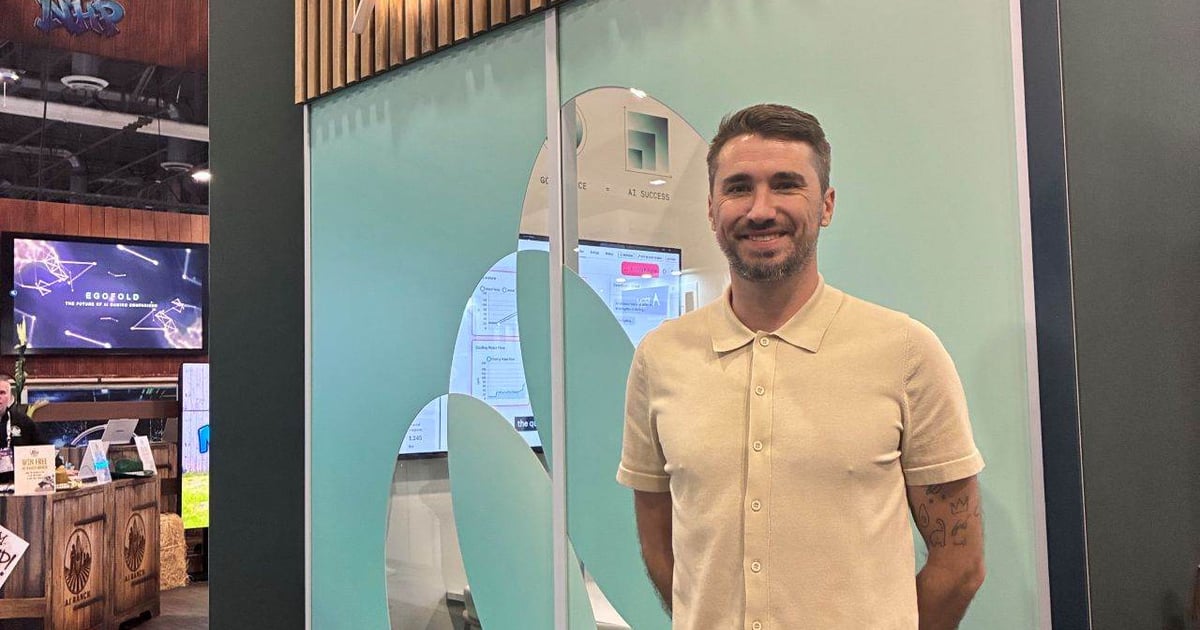
In this interview from the Ai4 2026 conference in Las Vegas earlier this month, Jed Dougherty, senior vice president of AI and platform at enterprise AI and machine learning platform vendor Dataiku, discusses some of the obstacles enterprises face with agentic autonomy and choosing the right models or agents. For Dougherty, no matter the brand of AI an enterprise chooses, it must manage it so it works for its organization.