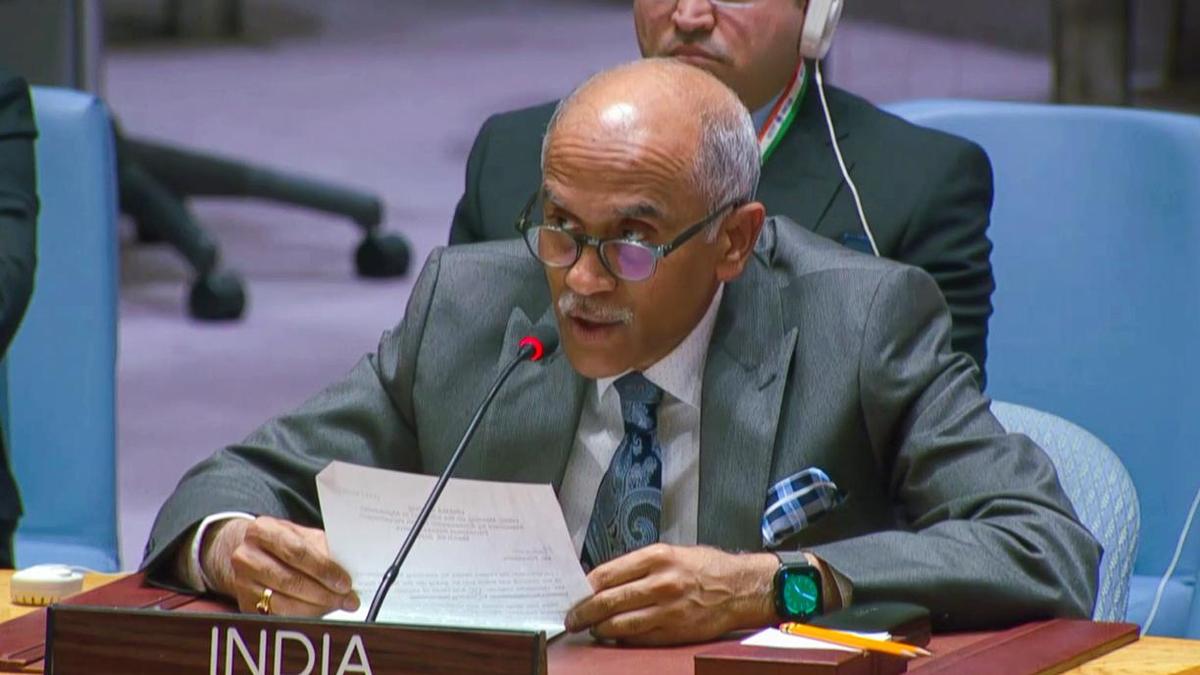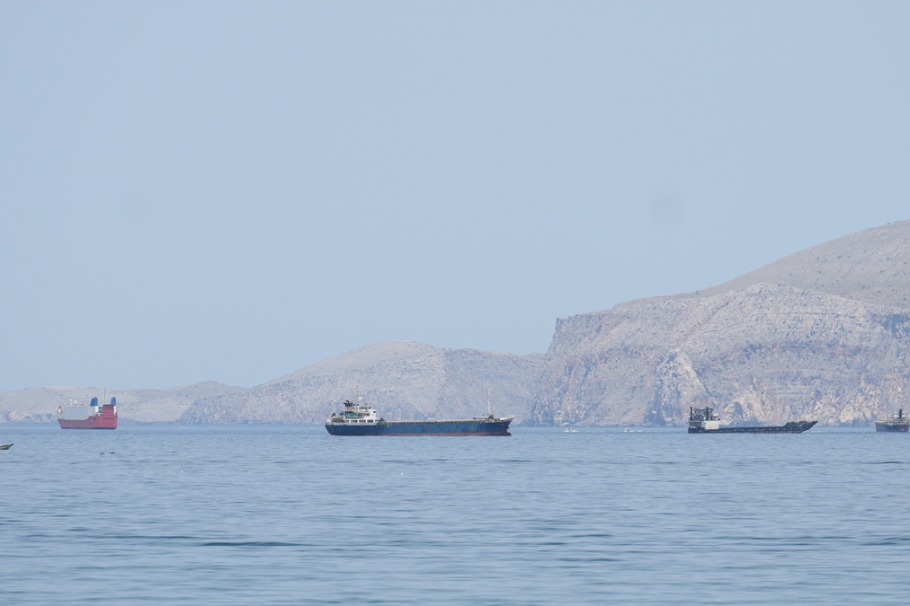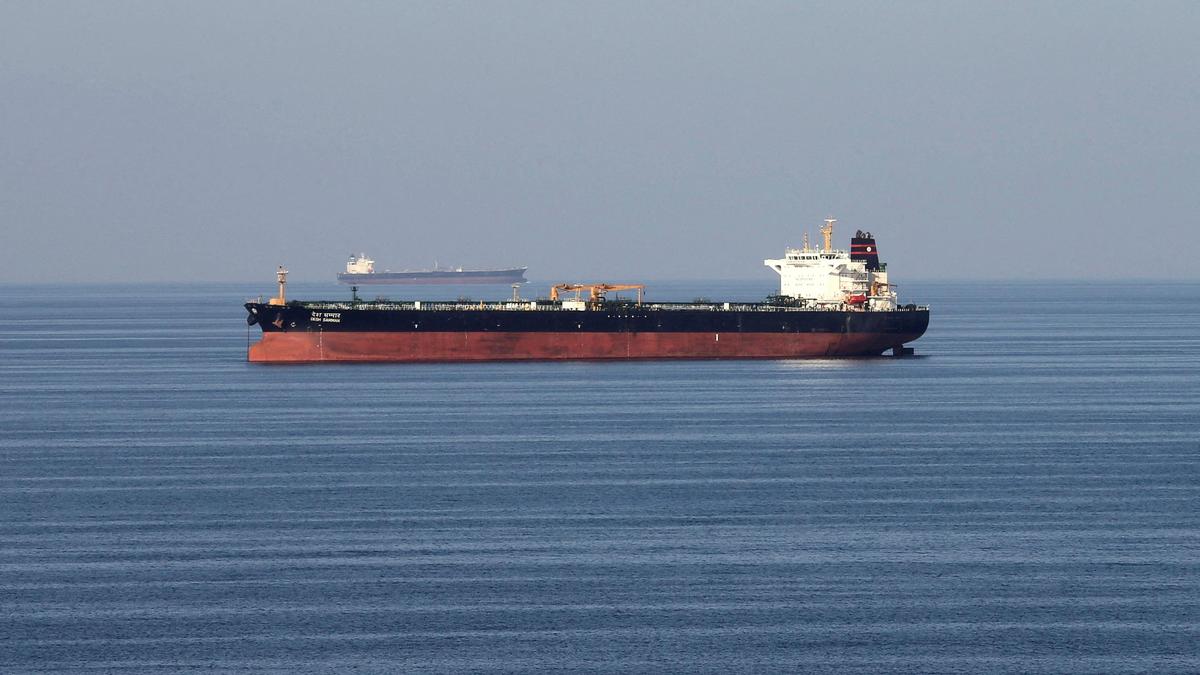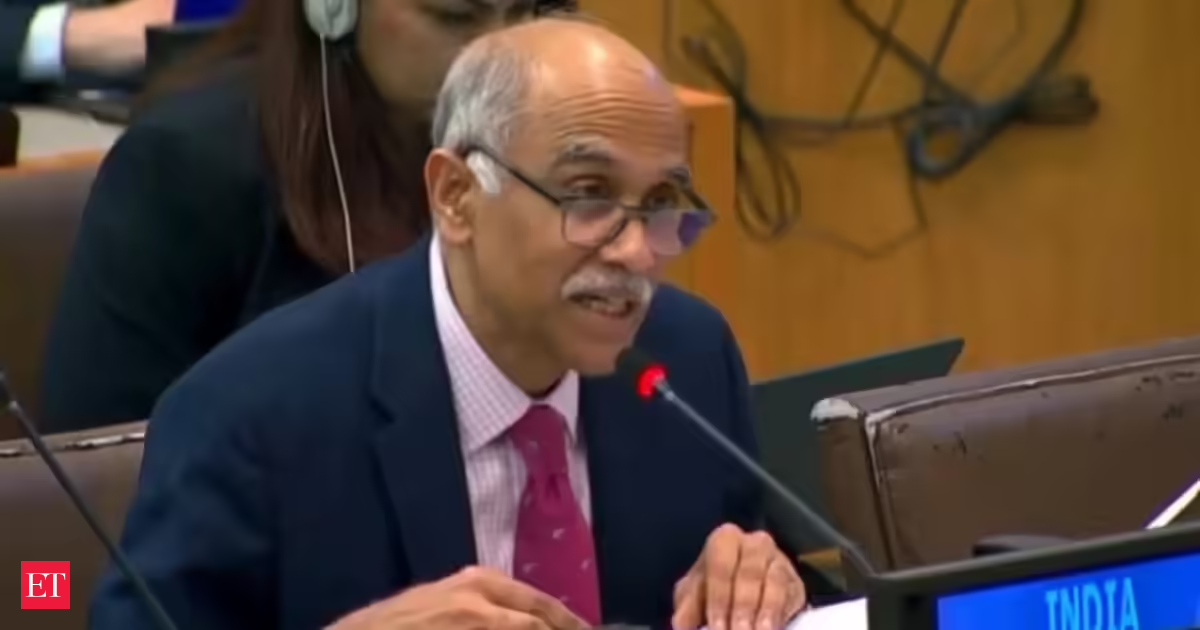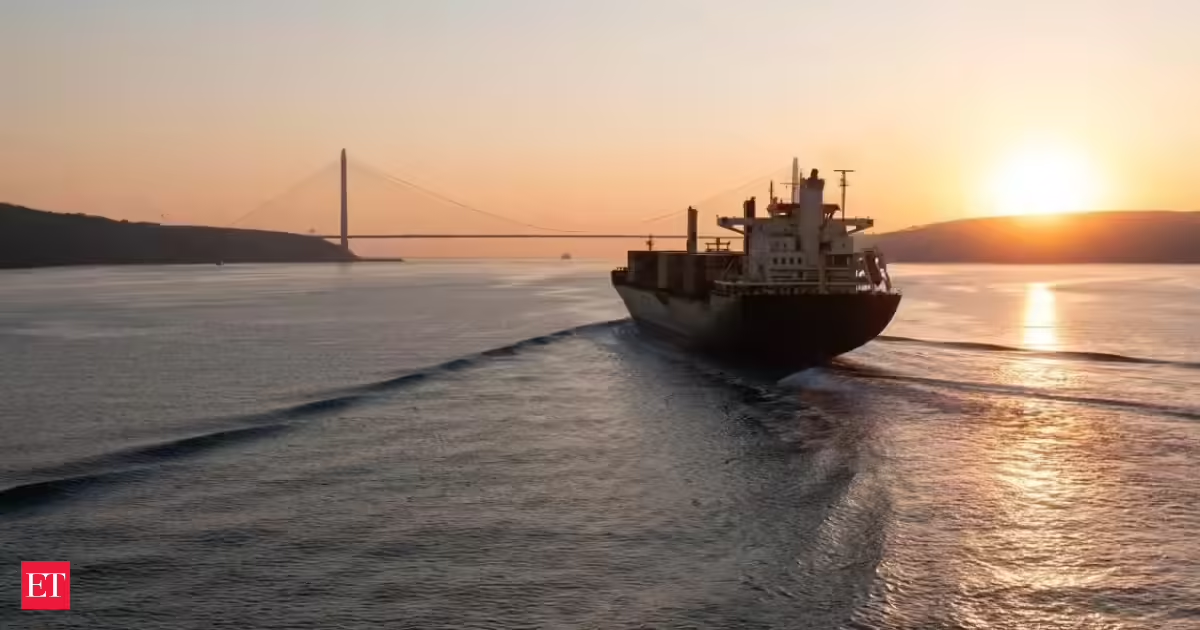
United Nations: India has called on the international community to work collectively to safeguard critical sea lanes, emphasising that secure and predictable maritime trade routes are indispensable for uninterrupted movement of food, fertilisers and fuel."Food insecurity remains one of the gravest humanitarian consequences of armed conflict. Today's conflicts increasingly generate ripple effects far beyond the immediate theatre of hostilities," India's Permanent Representative to the UN Ambassador Harish Parvathaneni said.Addressing the UN Security Council High-Level Open Debate titled 'Food Under Fire: The Security Council's Role in Mitigating Global and Local Food Crises' on Tuesday, Parvathaneni said disruptions to energy markets, fertiliser supplies, maritime transport, humanitarian logistics and agricultural trade have demonstrated how regional conflicts can threaten food security across the world, with the greatest burden falling on developing countries that are highly import-dependent.India emphasised that the "immediate priority" of the UN Security Council should be to mitigate the humanitarian consequences of conflict. "This requires facilitating safe, rapid and unimpeded humanitarian access, supporting de-confliction arrangements where appropriate, and ensuring that the Council's own measures, including sanctions regimes, do not inadvertently impede humanitarian assistance or legitimate food and agricultural trade."Underscoring the need to preserve the safety and freedom of navigation for commercial shipping in accordance with international law, Parvathaneni said, "Secure and predictable maritime trade routes are indispensable for the uninterrupted movement of food, fertilisers, fuel and other essential commodities.""Disruptions to commercial shipping during conflicts can have cascading effects far beyond the immediate region, disproportionately affecting food-importing developing countries and humanitarian operations," he said.The international community must therefore work collectively to safeguard critical sea lanes and maritime infrastructure, while ensuring that legitimate commercial trade and humanitarian shipments are able to proceed without undue impediment, he said.Addressing the debate, UN Secretary-General Antonio Guterres noted that the year 2025 saw not only the highest number of armed conflicts since World War II, but also among the highest levels of global acute hunger on record, with at least 266 million people facing acute food insecurity.The year 2025 also marked the first time this century that two famines were confirmed simultaneously, in Sudan and Gaza, which Guterres described as a "shameful milestone".He added that the UN's latest Hunger Hotspots report shows that conflict and violence are the primary drivers in 12 out of 13 hunger hotspots of greatest concern.As the US-Israel war against Iran continues, Guterres said the Strait of Hormuz carries around a fifth of global oil supplies, and a third of global fertiliser trade."Restrictions and closures have driven up commodity prices, and made availability plummet. And attacks on commercial vessels in the Red Sea are further threatening supply chains for food and other commodities," the UN Chief said.India told the Council that food insecurity is fundamentally a consequence of conflict, political instability and underdevelopment, not their root cause.Parvathaneni called for timely assessments of disruptions to critical supply chains, including food, fertiliser, fuel and humanitarian logistics, drawing upon the technical expertise of the Food and Agriculture Organisation, the World Food Programme, and other relevant agencies. "Such assessments must remain objective, evidence-based and free from politicisation," he said.India further said that member States, international financial institutions, regional organisations and development partners must work together to strengthen domestic agricultural production, diversify supply chains, improve storage and logistics infrastructure, and promote climate-resilient agriculture."Predictable and affordable access to fertilisers, quality seeds, technology and concessional finance remains indispensable, particularly for developing countries. Open, transparent and rules-based trade in food and agricultural inputs also remains critical to global food security," he said.Parvathaneni also cautioned against "over-reliance " on any single model of production, saying this would be counter-productive as they are vulnerable to geopolitical disruptions, economic coercion and weaponisation."We must encourage small and marginal farmers to enhance their productivity and contribute to ensuring food security in developing countries of the Global South. We must also encourage climate-resilient crops such as millets rather than limit conceptions of food security to the biggest staple, grain crops such as rice, wheat and corn," he said.
India urges global cooperation to safeguard sea lanes for food, fuel at UNSC
India called for global cooperation to safeguard critical sea lanes for essential goods. Secure maritime routes are indispensable for uninterrupted movement of food and fuel. Conflicts increasingly generate ripple effects far beyond immediate areas of hostilities. The UN Secretary-General noted record armed conflicts and high levels of global hunger. India stressed mitigating humanitarian consequences of conflict as an immediate priority.
660 words~3 min read