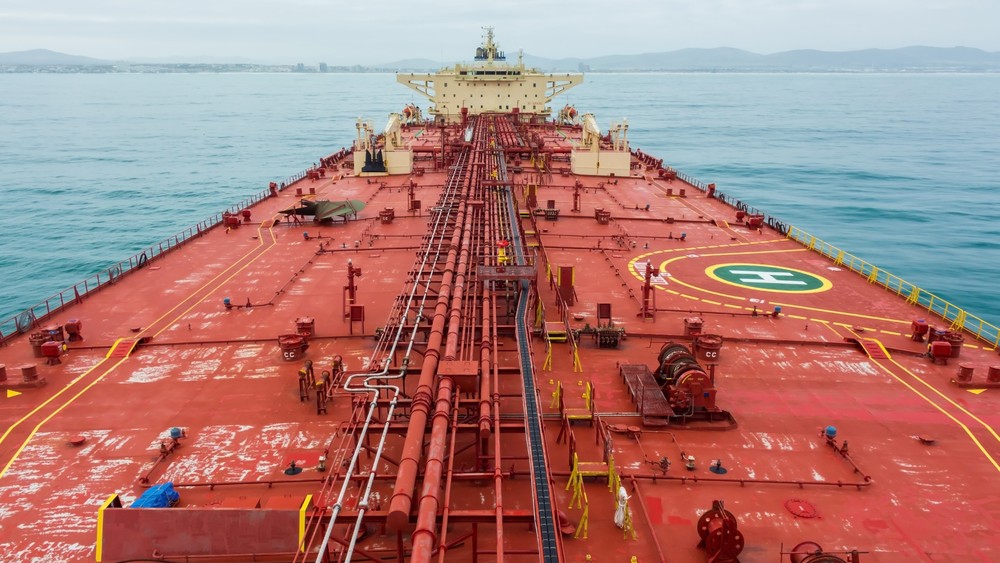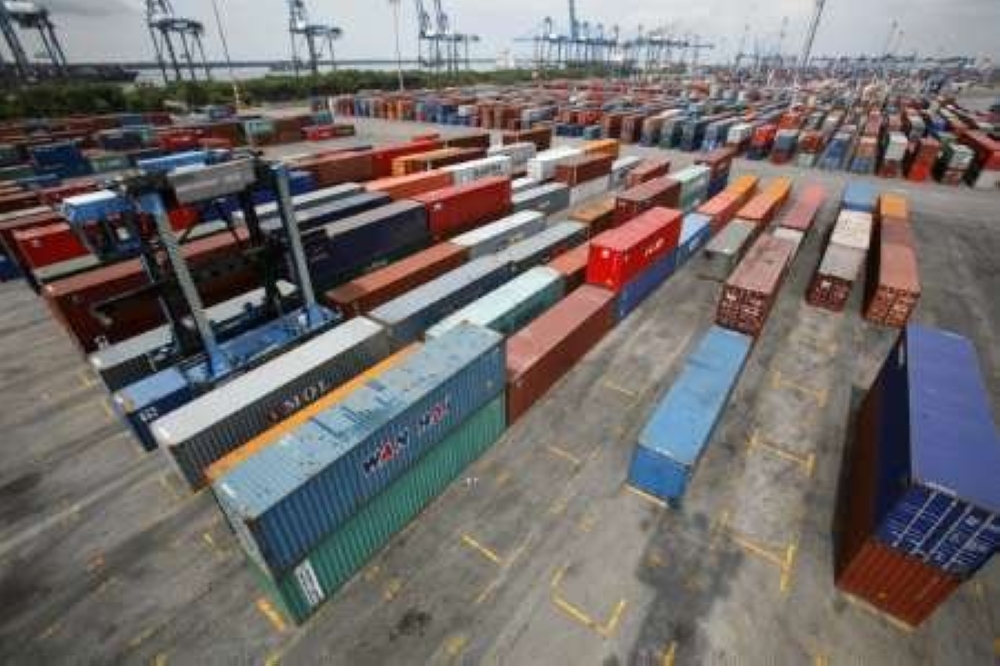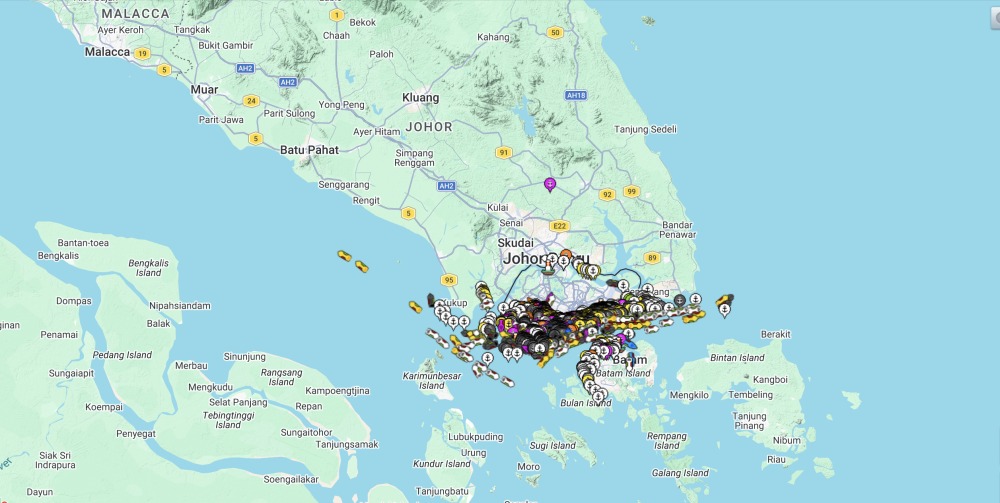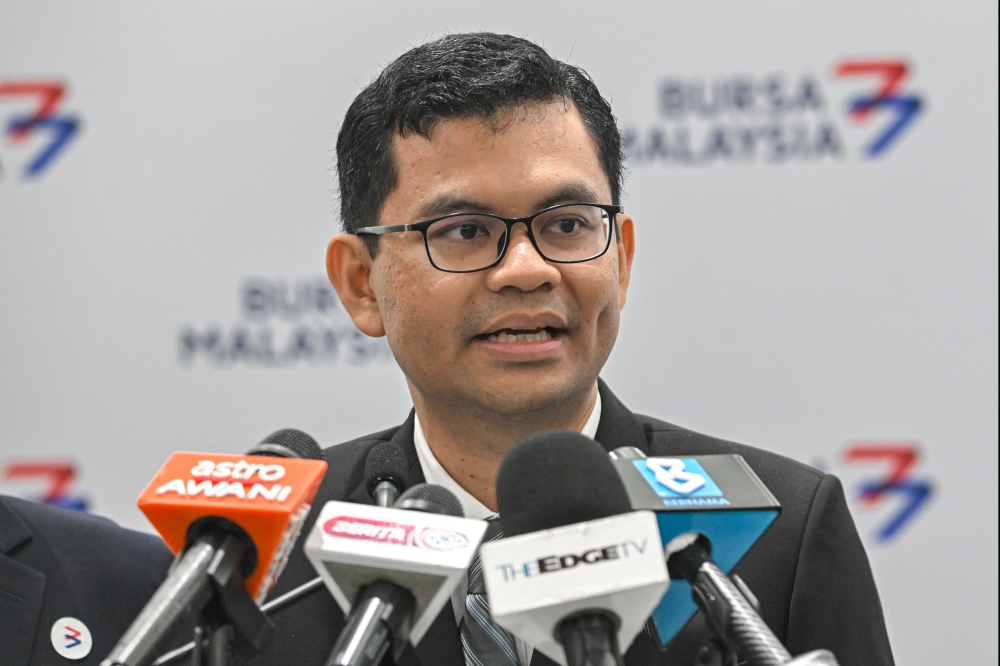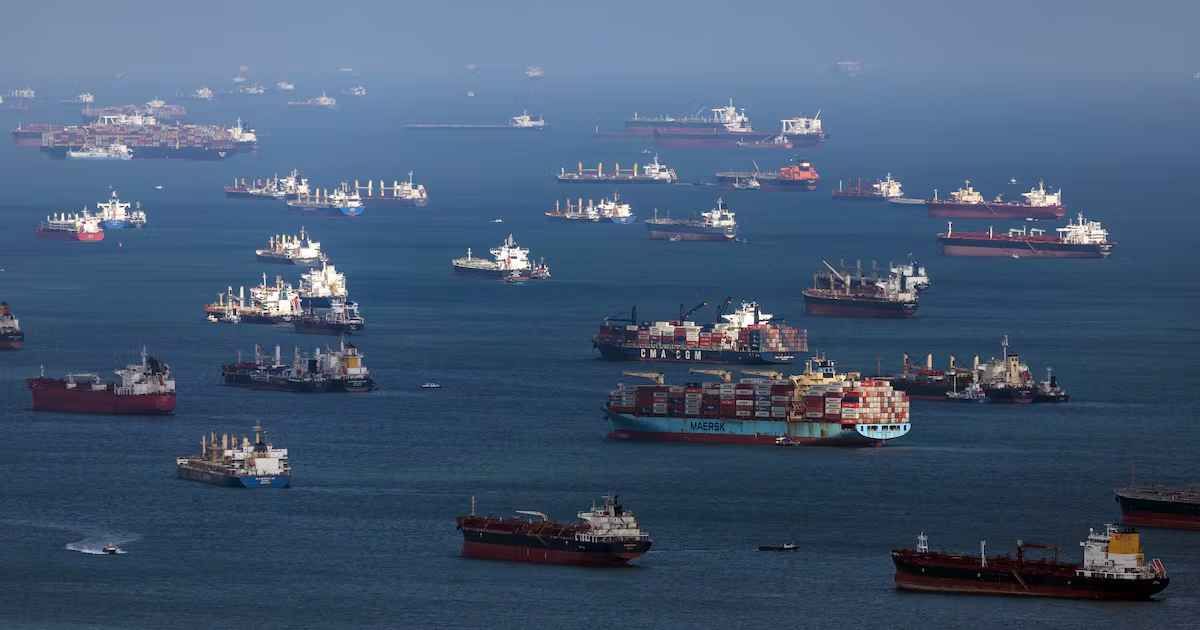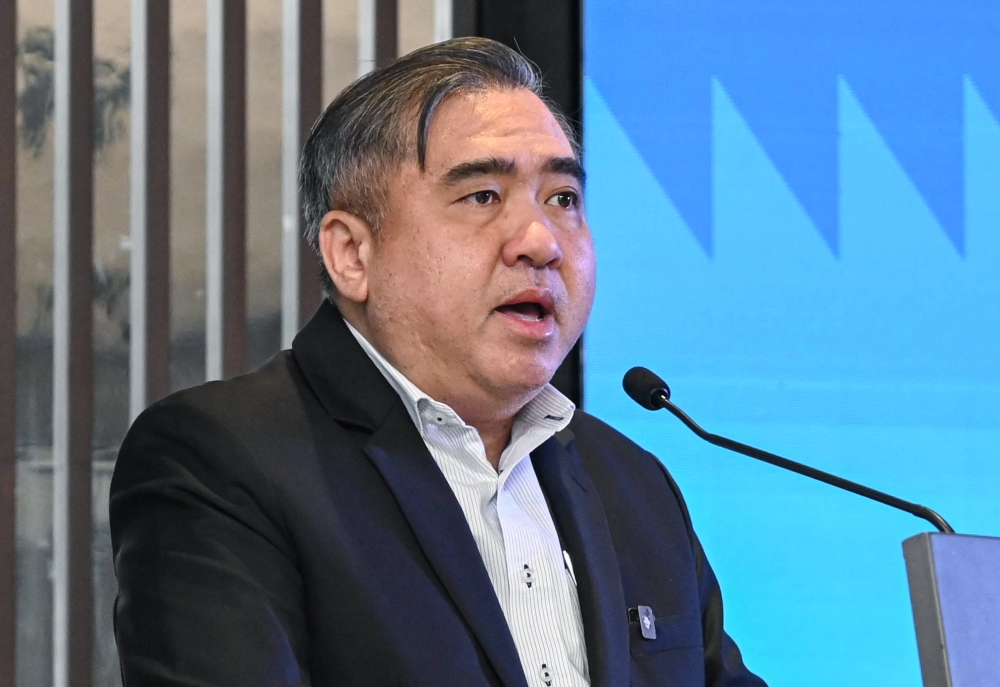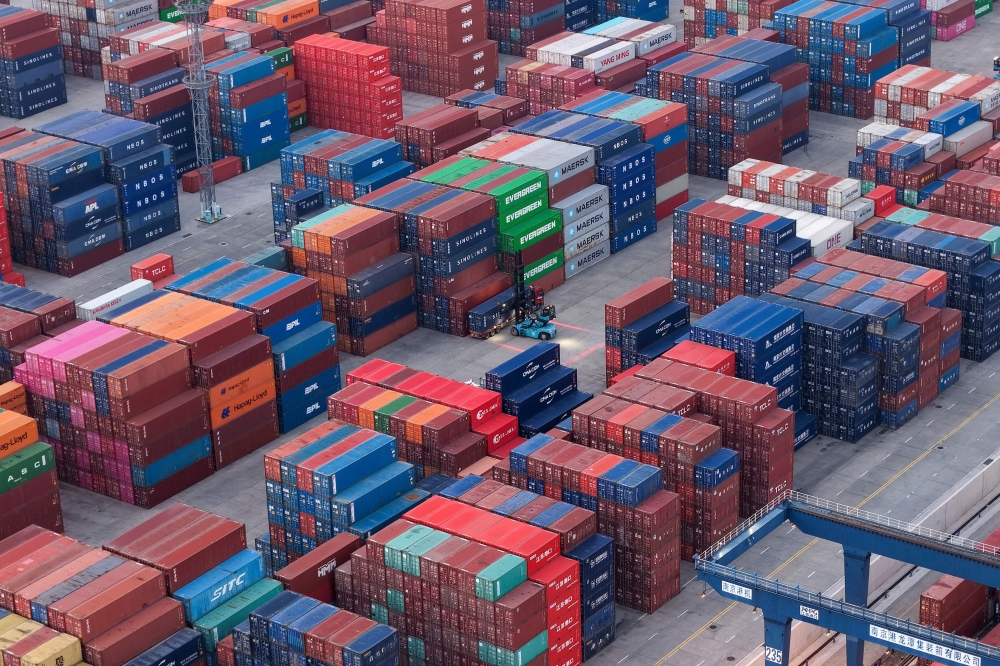
Shipping Association Malaysia chairman Ooi Lean Hin said growing cargo volumes are colliding with shrinking capacity in parts of Malaysia’s logistics ecosystem, warning that unresolved driver shortages and underinvestment could become a ‘ticking time bomb’. — AFP pic First Published: Wednesday, 26 Aug 2026 10:11 AM MYT KUALA LUMPUR, Aug 26 — Malaysia needs to address the lack of investment across its shipping and logistics ecosystem as gateway cargo grows while capacity in supporting industries shrinks, said Shipping Association Malaysia (SAM) chairman Ooi Lean Hin.Ooi, who is also the co-founder and managing director of MTT Shipping and Logistics Bhd, said while gateway cargo is recording compounded growth, capacity in the trucking industry is shrinking.He said many operators are looking to exit the business.“You have a growth, a compounded growth this year in the gateway cargo, but you have an industry with a shrinking capacity,” he said during a panel discussion at the LogiSYM Malaysia 2026 conference last week.Logistics ecosystem faces capacity pressureOoi said the industry is grappling with congestion, poor turnaround and a shortage of drivers, while longstanding issues including investment and driver salaries remain unresolved.“They’re short of drivers. They talk about trying to shift traffic to the night with incentives and all that.“But if you can’t make it out to the day shift, why talk about night?” he said.“If the driver is making RM4,000 or RM5,000 a month driving a car, why would he switch and drive a truck? So that’s the real issue.“Unless it is addressed, it is a ticking time bomb,” he said.Ooi stressed that building capacity across the ecosystem is critical to supporting future growth.“Building capacity, in my opinion, is a very important aspect that needs to be addressed, and governments need to look at why are we not investing in the future growth,” he said.He cautioned that expanding port capacity alone would not be sufficient if bottlenecks remained elsewhere in the supply chain.“Capacity in shipping alone is not a guarantee to absorb all the ongoing trade, because there are many congestions along the supply chain,” he said.Port competitiveness goes beyond capacityEchoing Ooi’s view, maritime industry expert Nazery Khalid said having additional capacity alone does not guarantee port competitiveness.He said the way ports are assessed has moved beyond conventional measures such as throughput and the number of shipping calls.“The days of measuring port competitiveness on its throughput handled and number of shipping calls alone are effectively over,” he told Bernama.Nazery said ports are operating in an environment characterised by vulnerabilities, uncertainties, complexity and ambiguity, arising from ever-changing geopolitics and regulations, growing digitalisation and focus on environmental, social and governance (ESG).“Port performance is evaluated beyond the conventional, traditional yardsticks of infrastructures, physical advantages and capacity to handle growing cargo volumes and shipping calls,” he said.Nazery, who moderated the CEO Panel: Ports & Shipping at LogiSYM Malaysia 2026, said port competitiveness is no longer solely about capacity.“The business model of ‘build it and they will come’ has become obsolete and ports are not just gauged based on cargo concentration, cranes, cost and connectivity,” he said.Nazery said measures used to gauge port competitiveness now include their effectiveness in servicing the hinterland and the range of logistics players servicing them.They include value-adding activities such as free zones, adherence to ESG principles, energy efficiency, sustainability, climate and service resilience.Other measures include scaling up the adoption of cyber technologies, including artificial intelligence (AI), and making data-driven decisions.“These make up the new battleground in which ports today have found themselves competing.“They are profoundly recalibrating the operating landscape of ports and challenging the definition of port competitiveness,” he said.“A competitive port is one that is able to integrate itself seamlessly and effectively into the entire ecosystem of the supply chain it serves, including at the global level,” Nazery said.Investing ahead of demand Meanwhile, Westports Malaysia Sdn Bhd chief executive officer Vijaya Kumar Puspowanam said port operators need to have visibility of future demand.More importantly, he said, they must be willing to take the risk that demand may not be there when the facilities are completed.“So you really need to have a visibility of what’s happening in the future.“But more importantly, you must be willing to take the risk that it may not be there when you complete your facility. At our site, Westports, from day one we have taken that risk,” he said during the panel discussion.Vijaya said Westports remains confident in adding capacity as it believes trade will continue to grow despite global challenges.“Because if we are late in putting investment in, I think, you can forget about all the other choke points, as the ports are the biggest choke points,” he said.He said new capacity at Westports is expected to start coming onstream from the end of 2028.Its current capacity of 14 million twenty-foot equivalent units (TEUs) could potentially double to 28 million TEUs.“If there is continuous demand and if we continue hitting the trigger points of 80 per cent utilisation rate, we will be confidently building capacity at least for the next 15 years,” Vijaya said.He also acknowledged that capacity in other parts of the ecosystem is lagging, reinforcing the need for capacity building beyond ports.“We believe in capacity building. We have to be ahead of the curve,” he added. — Bernama
Malaysia’s logistics crunch is a ‘ticking time bomb’, shipping chief warns
KUALA LUMPUR, Aug 26 — Malaysia needs to address the lack of investment across its shipping and logistics ecosystem as gateway cargo grows while capacity in supporting industries...
871 words~4 min read