Academia
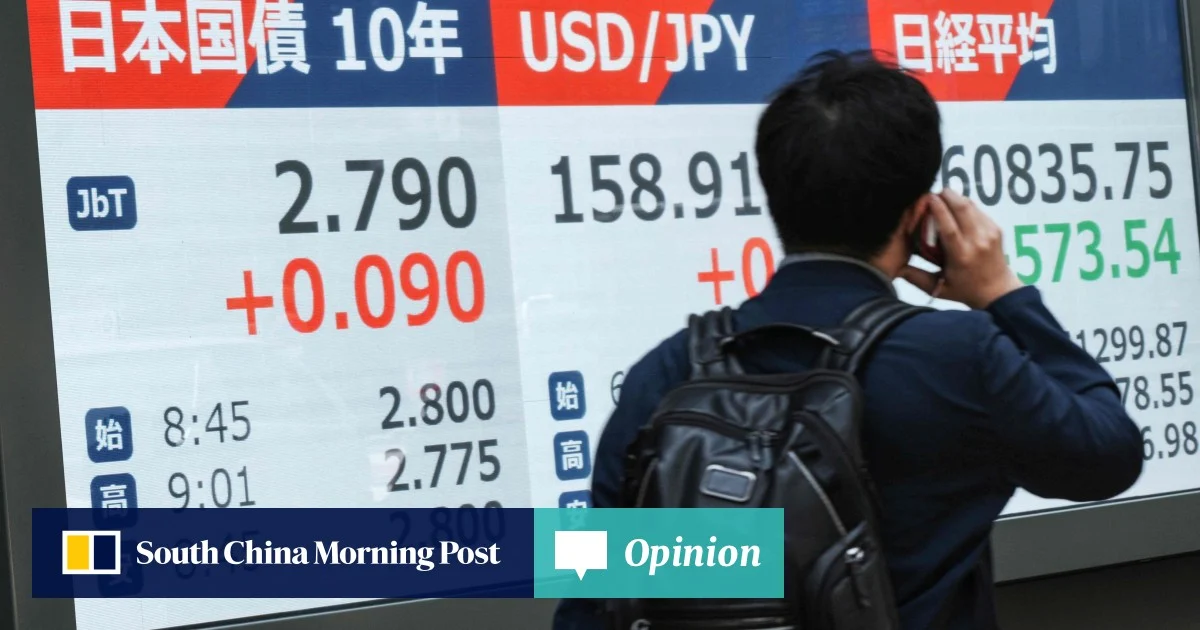
Other financial systems have only so much capacity to receive a large and rapid reallocation without destabilizing themselves.
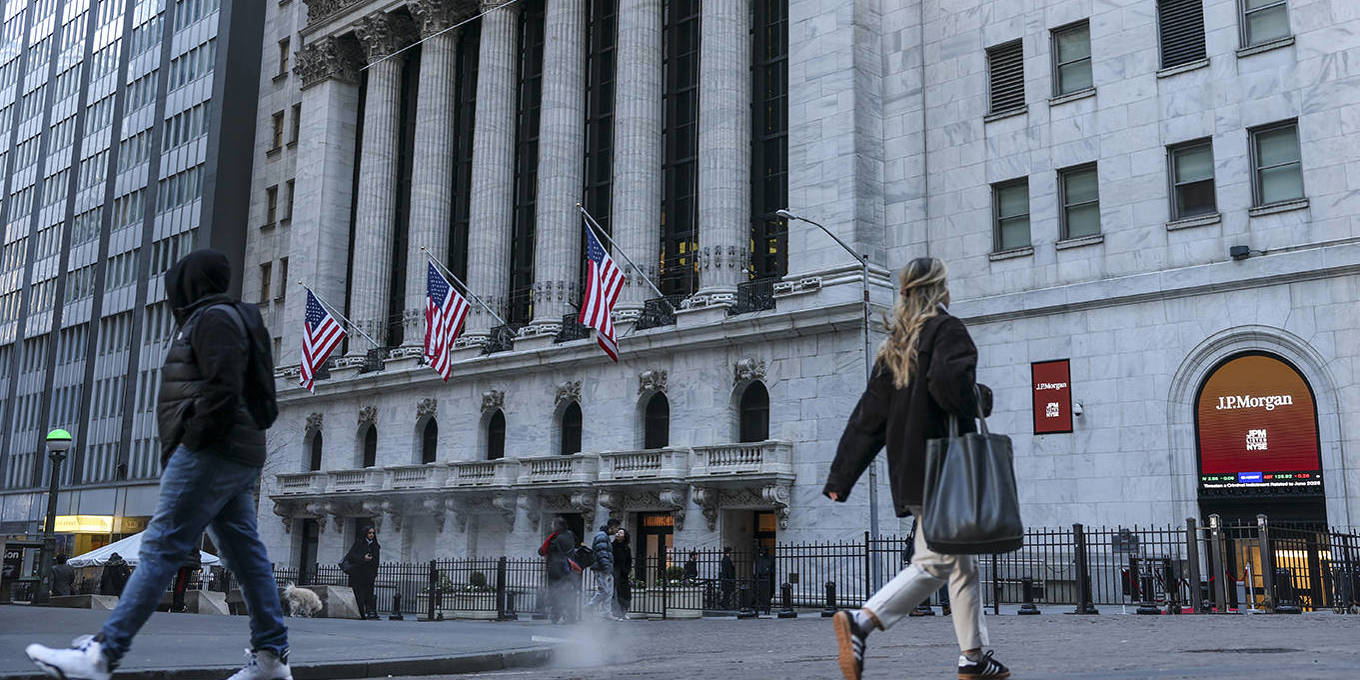
A person walks on Wall Street near the New York Stock Exchange (NYSE) on Feb. 13, 2026 in New York City, the United States. (AFP/Angela Weiss)
Investors have no shortage of reasons to diversify away from the United States. America’s public debt is rising, political polarization is deepening, trade policy has become unpredictable, the rule of law is now in doubt and financial sanctions have encouraged other governments to seek alternatives to the dollar. Yet there has been no great exodus from US markets. The dollar still accounted for 56.8 percent of allocated foreign-exchange reserves at the end of 2025, and was used in 89.2 percent of all foreign-exchange trades surveyed by the Bank for International Settlements.
These figures are usually explained by America’s economic size, legal protections, innovative companies, deep capital markets and the network effects created by the dollar’s roles in trade, credit, payments and reserves. But the main constraint is hiding in plain sight: Even if the world wanted to move several trillion dollars out of the US, where would the money go?