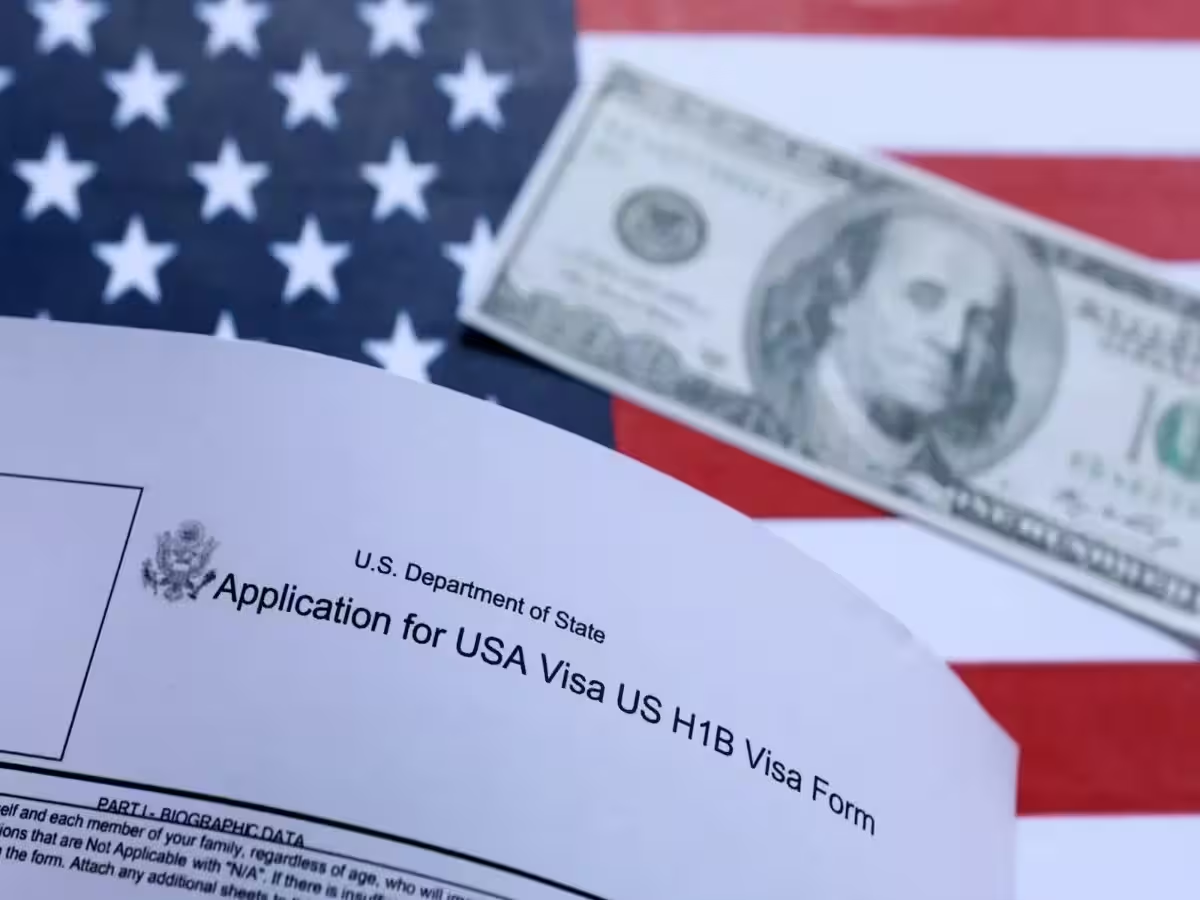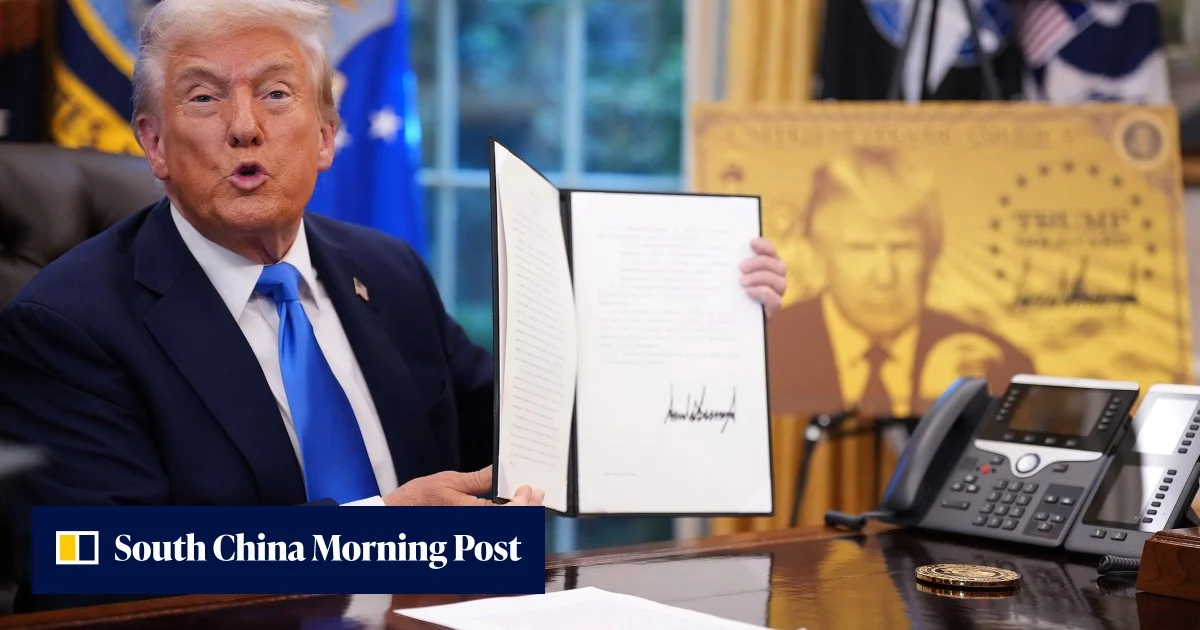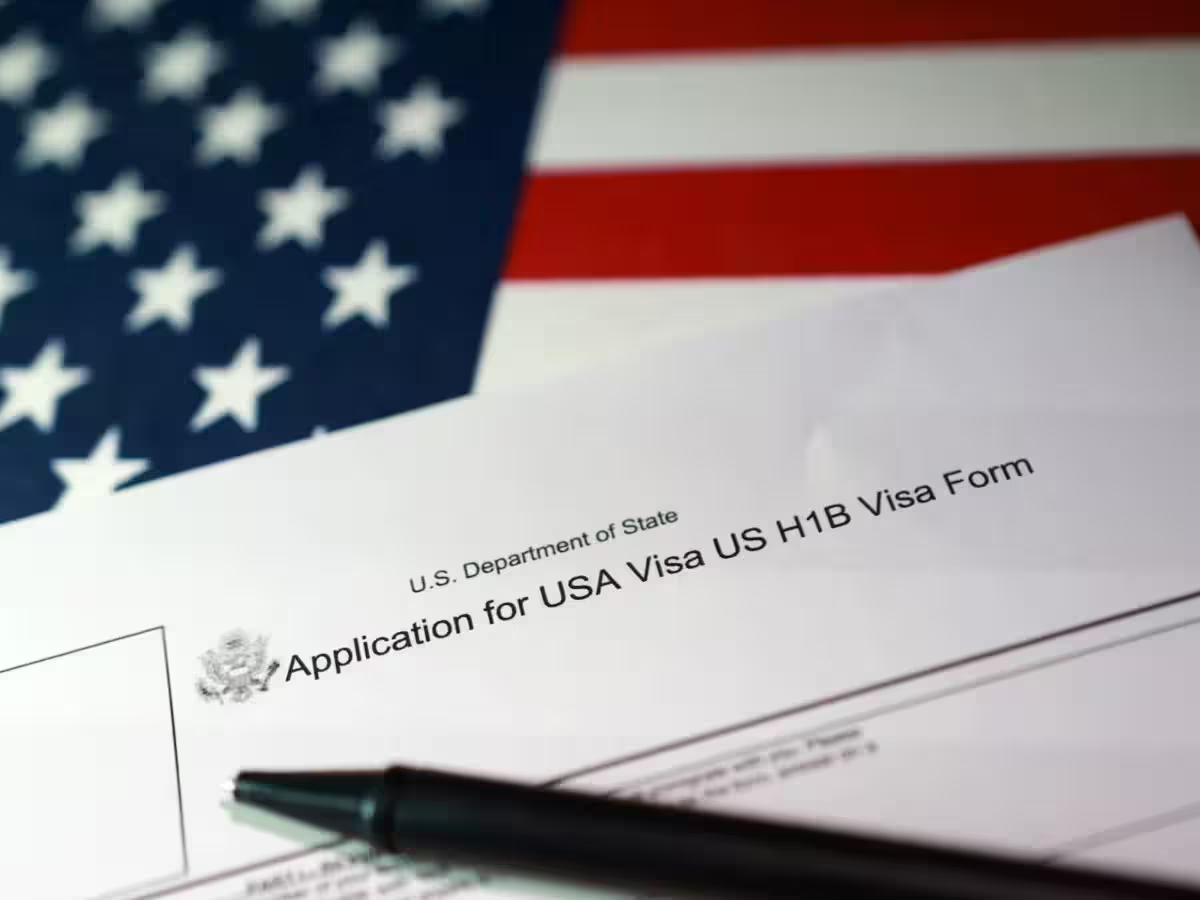
The Trump administration has fired another missile at H-1B, a $103,265 fee that the courts will likely block. The Indian government may also protest, but it should do the opposite: urge the US to kill the programme altogether.If US tech companies continue eliminating jobs after foreign hiring ends, American politicians will no longer be able to blame Indians. (Shutterstock)That is because this deeply flawed visa is hurting Americans, Indian-Americans, and the perception of India itself.The US’ greatest advantage has always been immigration, and it attracts the world’s best minds. Indian engineers and scientists create companies and jobs in the US, make medical and technology breakthroughs, and lead some of the US’s largest corporations.But this isn’t because of the H-1B visa; it is despite it.Also Read | For Indians in the US, two new $100,000 walls may be coming up: What H-1B visa and OPT fees could meanThe H-1B was meant to fill genuine shortages of specialised skills but has become a vehicle for labour arbitrage. Indian outsourcing companies turned these visas into a business model. Shoddy body shops and recruiters continue to manufacture experience and embellish résumés. Many applicants claim skills they do not possess; some simply fake their résumés.American corporations willingly participate because the arrangement benefits them. A worker whose immigration status depends on an employer is at its mercy. Visa restrictions make it difficult to change jobs, and accepting a promotion can jeopardise a green-card application or send the worker to the back of the line. So, they don’t demand raises, reject assignments, or leave a substandard job.The green-card backlog and per-country limits have turned this into indentured servitude for Indian workers because they have to wait decades for permanent residence. They cling to their jobs praying they don’t get laid off. If they are, they have at most 60 days to find another employer or leave the country, abandoning their homes and friends.Of course, the technology giants lobby only for more H-1B visas, not for the green cards that can free their employees.The greatest tragedy is what is happening to American workers who have spent decades building their careers. They have mortgages, children in college, medical bills, and families depending on their salaries. Many are laid off as their employers hire younger foreign workers. Some suffer the final humiliation of being ordered to train their replacements.Also Read | H-1B visa woes: Why the $103,265 fee could spark another legal fight and why Indian professionals need to worry?A layoff at that stage of life wipes out savings, ends health insurance, and derails their children’s education. One of Silicon Valley’s darkest secrets is that it discriminates against age for a simple reason: Experienced workers get paid higher salaries.Displaced Americans are right to be angry: There is real fraud, real labour arbitrage, and real damage to American families. The companies, recruiters and applicants that corrupt the system have earned their wrath.Not surprisingly, this anger spills over onto innocent Indian-Americans. Doctors, scientists, professors, researchers, entrepreneurs, and exceptional engineers who play by the rules and contribute enormously to the US end up as targets of resentment for abuses committed by others.The attacks move beyond jobs and immigration; Indians are mocked for their accents, food, and culture. Hinduism is ridiculed and vilified and loyalty to the US is questioned. People who have spent their lives serving the country are told they do not belong. The corruption of H-1B gives racists an excuse to attack an entire community.Sadly, many Americans now resent Indians, while Indian workers feel trapped, and the employers and intermediaries creating the problem gain the benefits.Why should India defend this?H-1B is like a cancer on the US’ skilled-immigration system, hurting American workers, exploiting foreign workers, and rewarding dishonest intermediaries. It is destroying public confidence in skilled immigration.The H-1B programme should end, and Indians and Americans alike should celebrate its demise.India need not worry that this will cripple its IT-services industry because dependence on H-1B has already fallen dramatically. As of March 31, India’s six largest IT-services companies collectively recorded about 11,000 H-1B approvals, down nearly 40% from a year earlier. TCS had roughly 3,000 approvals against a workforce of 585,000. Infosys had just over 3,000 against a workforce of 331,000.These companies have spent years changing how they operate. They hire more Americans locally, perform more work offshore, and use delivery centres around the world. Ending the H-1B might raise some costs and disrupt a few projects, but this is minor.Also Read | US plans to hike H-1B visa fee over $100,000, moves to make it permanent; Indians may face impactThe harsh reality, however, is that the jobs will not return to American workers because they are disappearing altogether. Artificial intelligence is automating the work on which the outsourcing model was built: software testing, maintenance, documentation, and programming itself.The same technology that allows an Indian outsourcing company to complete a project with fewer engineers in Bengaluru allows an American corporation to complete it with fewer engineers in Boston. A project that once required 100 engineers now requires 30.The other 70 jobs do not move from India to the US, they vanish.The elimination of these visas will take India out of the line of fire. If technology companies continue eliminating jobs after foreign hiring ends, American politicians will no longer be able to blame Indians. The US will have to confront automation and its own treatment of older, experienced workers.America surely needs to rethink its immigration system so that when it brings in the people it really needs, they are treated as future Americans, not cheap labour. They must be free to change jobs and start companies.India has nothing to gain from defending a programme that exploits its citizens, discredits their achievements, and harms its own standing.Vivek Wadhwa is CEO, Vionix Biosciences. The views expressed are personal
H-1B is ‘like a cancer’ on skilled immigration. Why India should support its end
India has nothing to gain from defending a programme that exploits its citizens, discredits their achievements, and harms its own standing.
964 words~4 min read