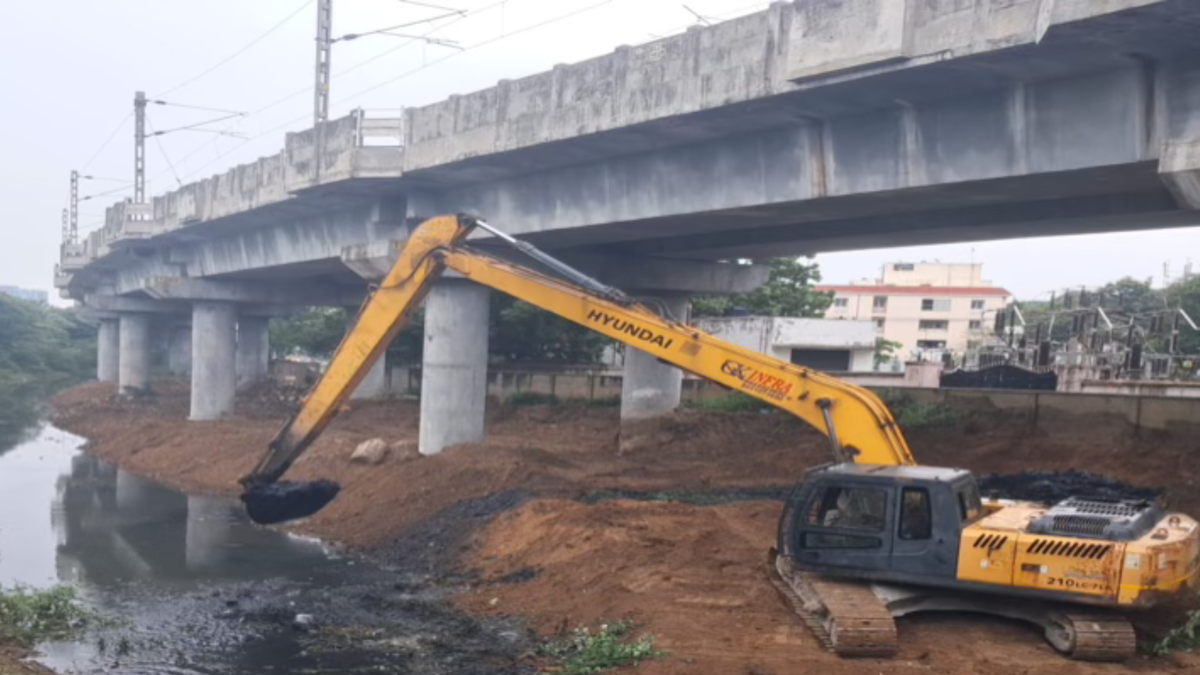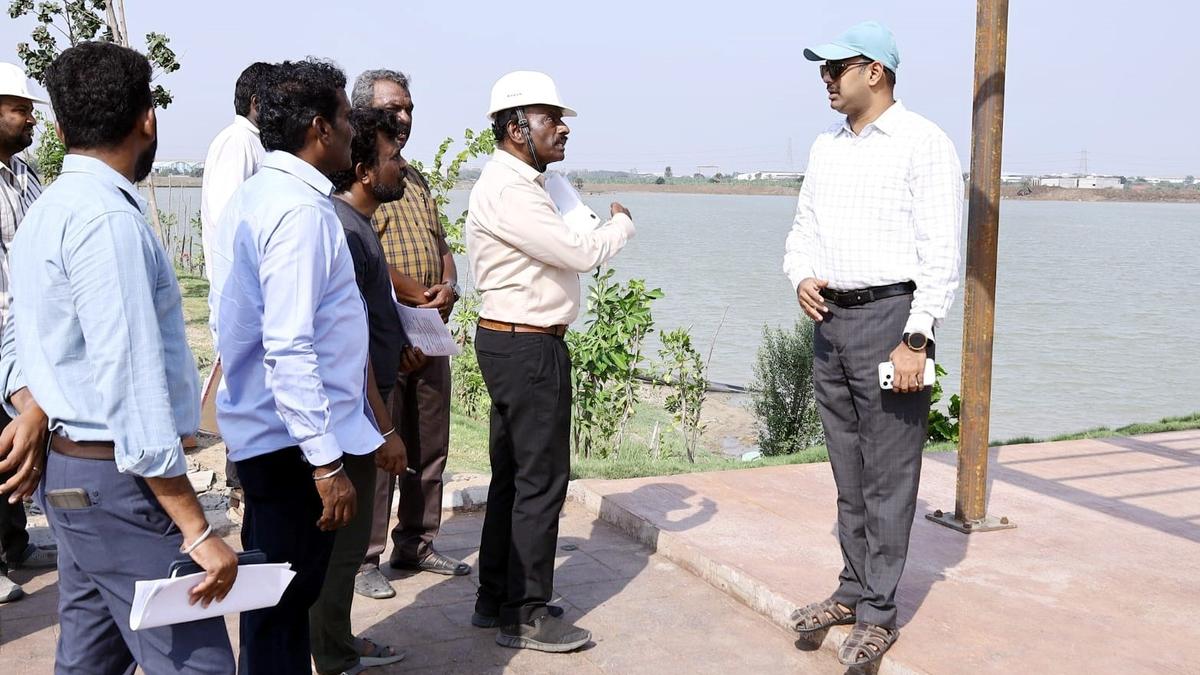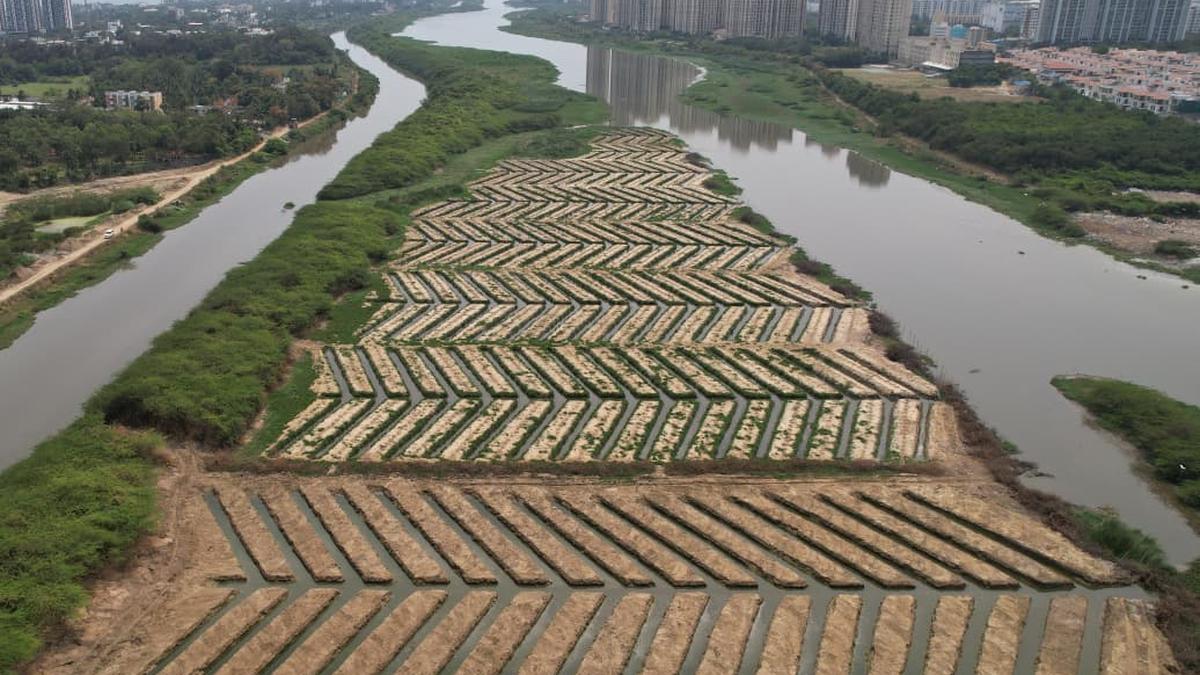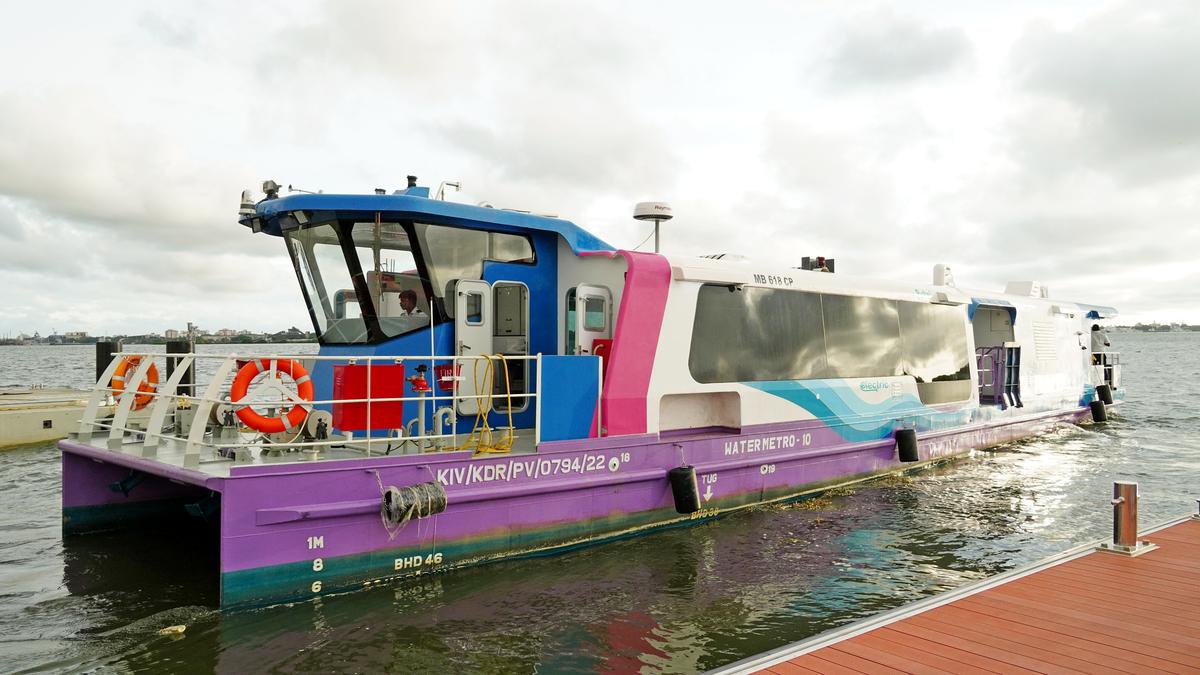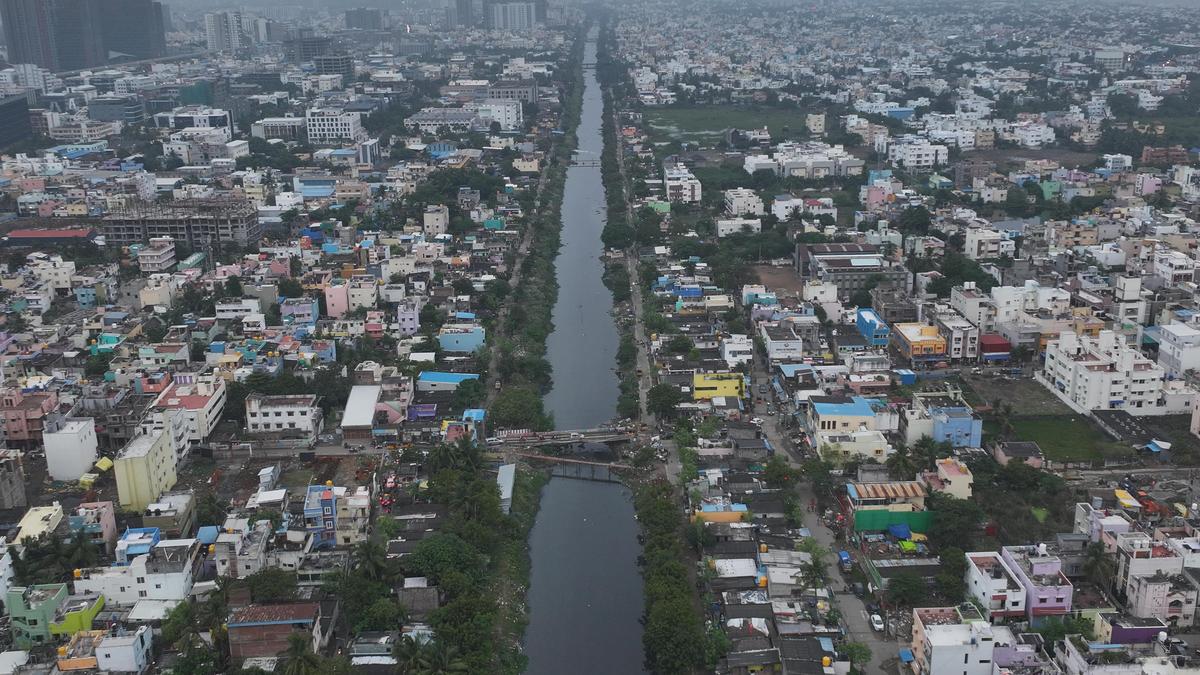
The restoration of the Buckingham Canal (B’Canal) and other water courses of Chennai has yet again occupied the attention of the authorities after the Tamilaga Vettri Kazhagam (TVK)-led government came to power nearly three and a half months ago. Sections of the media have reported that the State government is examining a ₹876.35-crore plan to make a 7.2-km-long stretch of the central portion of the B’Canal — from Napier Bridge over the beach road to the Adyar river over Greenways Road in R.A. Puram — navigable again, with passenger boats, floating restaurants, and cargo movement. Originally constructed in 1806 by Basil Cochrane and privately owned and operated by him, the waterway was then called Cochrane Canal. Initially, the length of the waterway was a little less than 18 km, with the Canal cutting through strips of land and shallow backwaters from Chennai to the Ennore estuary. Subsequently, it was extended to Pulicat Lake, opening up navigation for small craft over a distance of 40 km north of Chennai. Taken over by the government in 1837, the waterway was named the East Coast Canal and extended in 1857 to Dugarajapatnam (in Tirupati district of Andhra Pradesh, around 135 km north of Chennai). In 1878, it acquired the present name, Buckingham Canal, after the Governor of Madras, the Duke of Buckingham and Chandos.
Buckingham Canal back in the limelight
Authorities revive Buckingham Canal's navigability plans, aiming for eco-friendly transport and pollution reduction in Chennai's waterways.
1,485 words~7 min read