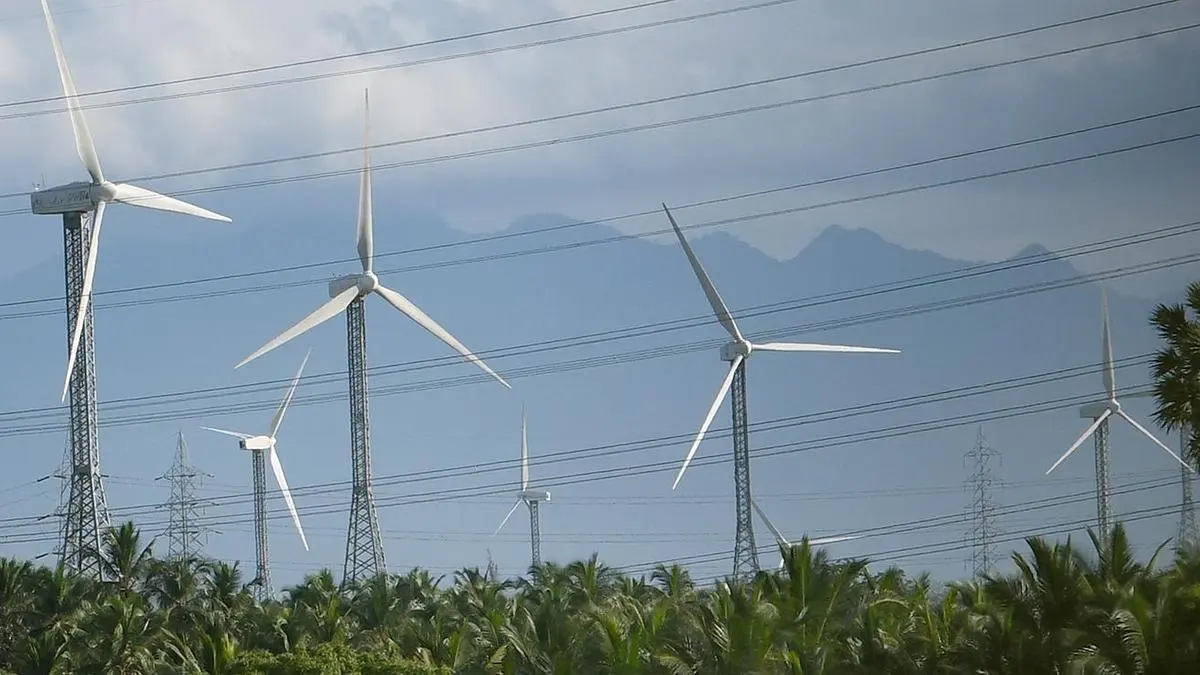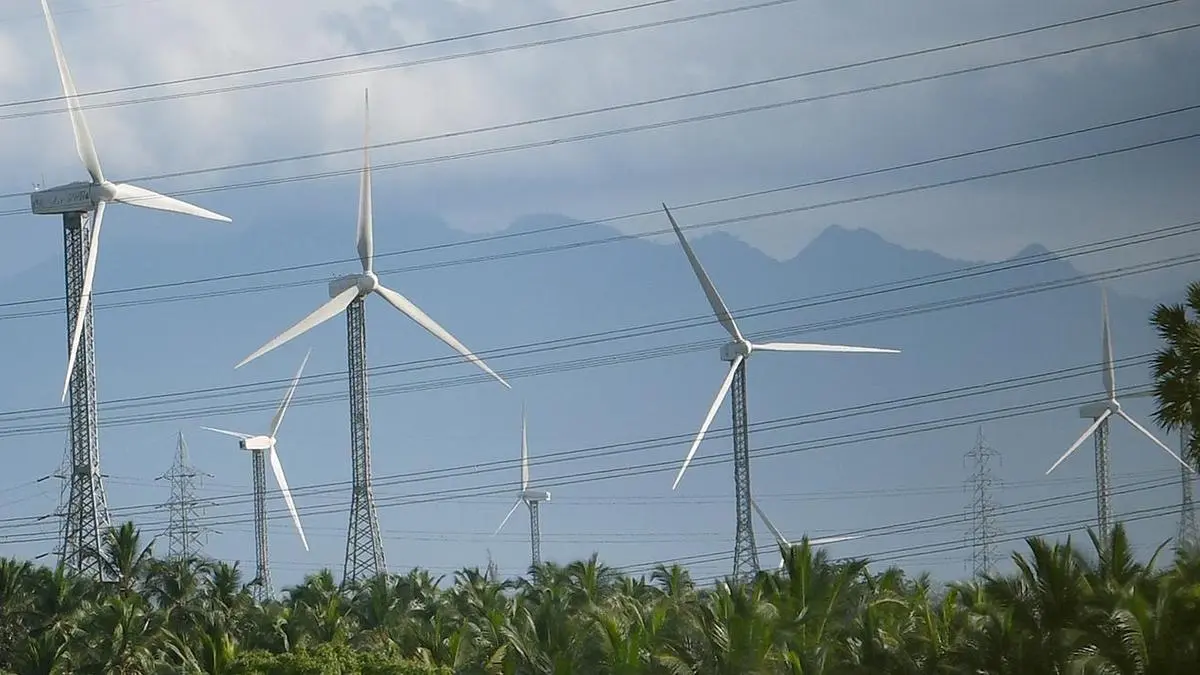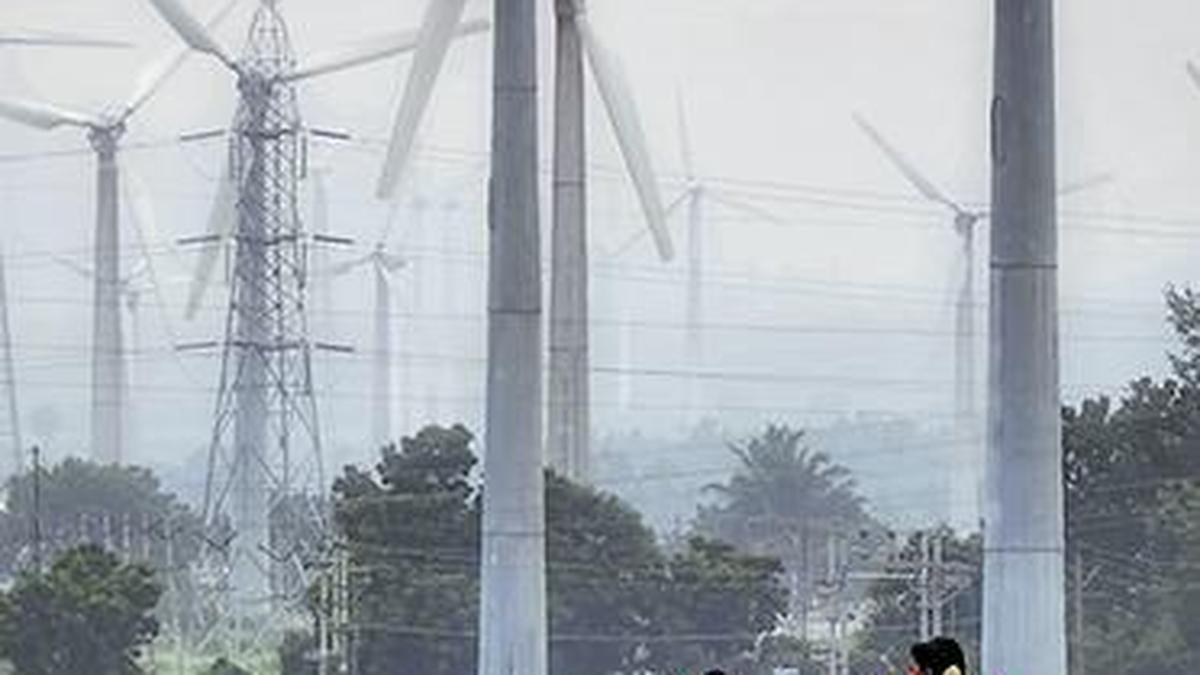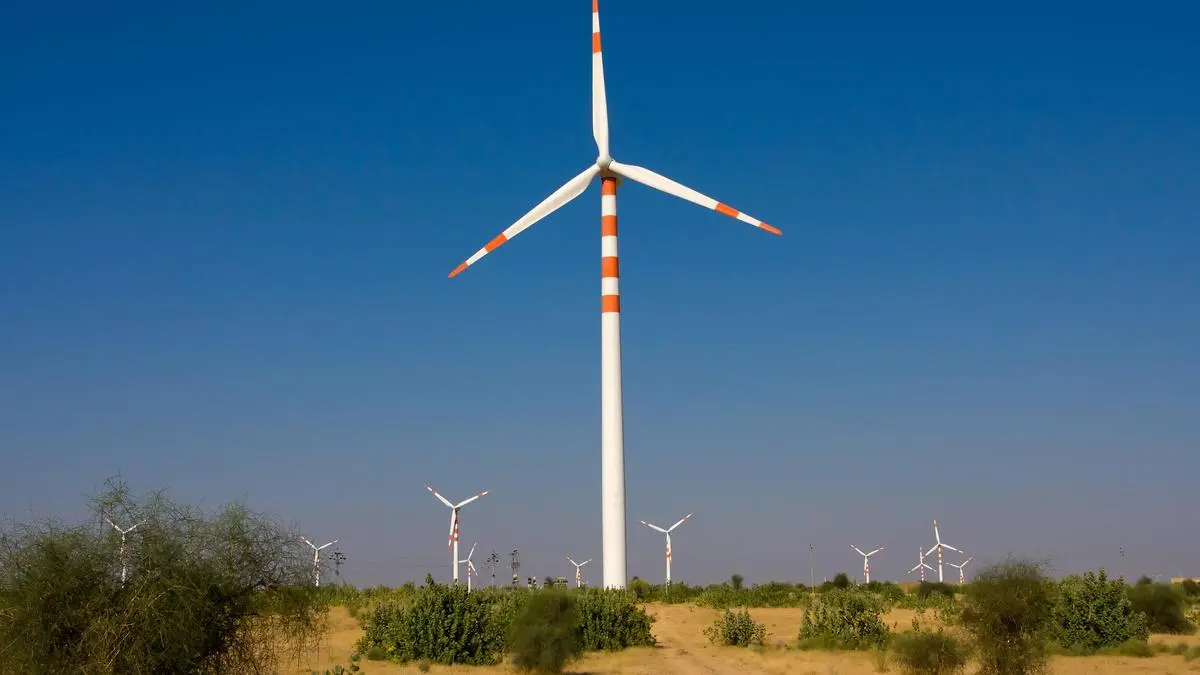
A wind farm owner in Tirunelveli put it to me bluntly last month: his turbines were commissioned at a time when mobile phones were still a novelty. Today, those machines generate barely a third of what a modern turbine could produce on the same site.He has been trying to repower the project for two years. But the process involves navigating multiple clearances, renegotiating power purchase agreements and securing exemptions on turbine spacing. While these issues remain unresolved, the wind continues to blow, but its potential remains largely untapped. Every season of delay means lost generation, lost revenue and clean energy capacity that India cannot afford to leave unused.That is the real cost of delay in Tamil Nadu’s renewable-energy story. This is not a resource problem. It is a speed problem.Why speed is the whole gameI have led enough capital-intensive projects to know that competitive advantage rarely comes from the idea alone. It comes from the ability to move decisively while others are still deliberating. Rajasthan recognised this opportunity through its solar parks and, within a few years, emerged as India’s largest solar state. Gujarat built an early lead in solar powered pumps for agriculture. Tamil Nadu was an early pioneer in wind energy three decades ago. But that first-mover advantage now risks becoming a legacy of ageing turbines calcifying into old iron in some of the country’s most valuable wind sites.Every month a 1990s-era turbine operates at a fraction of its potential is a month of lost export competitiveness for the MSME down the road, paying ₹8 a unit for electricity while its Vietnamese competitor pays ₹2.80. Leadership in this sector is not about announcing targets five years out. It is about compressing the two-year concept-to-commissioning timeline for wind, clearing the paperwork queue, and making land, substations and PPAs ready before the investor asks for them — not after.The anecdote every discom should sit withTalk to any Southern textile exporter today and you will hear a version of the same story: an order lost not on quality, but because a lower-cost power market can simply beat them on landed cost. One mid-sized garment unit near Tirupur recently walked away from a European order because a competitor in a lower-power-cost country could deliver at a price that the exporter’s own energy bill made impossible. That is not a hypothetical risk. It is happening now, order by order, while repowering proposals remain stuck in a queue.Contrast that with what happens when infrastructure is ready in advance. Where wind parks with pre-built substations and secured right-of-way are offered to investors, projects can move from intent to capacity in months, not years — because the constraint is administrative readiness, not investor appetite. PSUs such as NTPC have signalled real interest in Tamil Nadu’s wind and solar parks. That interest has a shelf life. Capital goes where the runway is already built.What actually needs to move, and fastNone of these fixes is a complicated engineering problem. They are decisions waiting for someone senior enough to take ownership, set a deadline and drive them through.1.Relax the spacing rule — TNERC and TEDA, 90 days.The Tamil Nadu Electricity Regulatory Commission and the Tamil Nadu Energy Development Agency should jointly notify a repowering-specific relaxation of the 5D x 7D spacing rule at high-wind sites. If treated as a priority rather than another item in the backlog, it can be delivered within a quarter.2. Stand up a Wind and Solar Parks Corporation — TANGEDCO, TANTRANSCO and the State Energy Department, with POWERGRID at the table from day one.Tamil Nadu needs a TIDCO-style entity with a clear mandate to develop renewable-energy parks and coordinate the common infrastructure around them. It needs a founding order, not another feasibility study. POWERGRID should be brought into the design stage so that substations and evacuation infrastructure are built to interstate-ready specifications from the outset, rather than retrofitted later. The target should be clear: the first 1,000 MW of park capacity should be leased within 18 months, not after another multi-year development cycle.3. Fix PPAs and banking — TANGEDCO and TNERC, with IWTMA and CII Southern Region as industry counterparts.The discom and regulator hold the pen on PPA terms and banking rules. The Indian Wind Turbine Manufacturers Association and CII Southern Region can bring the concerns of single-owner projects and MSME captive users directly into that process, rather than leaving them to years of representations. A time-bound stakeholder mechanism — not another open-ended consultation — should resolve these issues within a single power-purchase cycle.4. Push the interstate transmission case — Chief Minister’s Office directly to the Ministry of Power, CEA and POWERGRID, backed by the Southern Regional Power CommitteeThis is the one issue that needs political weight, not just bureaucratic follow-up. A state government delegation making the case directly to the Union Ministry of Power and the Central Electricity Authority, with the Southern Regional Power Committee providing the technical backing, can achieve more than another round of letters moving through official channels. The ask should be specific: a defined transmission roadmap, committed capacity and a clear implementation timeline for Tamil Nadu’s next phase of renewable growth.This issue has been raised for more than a decade. It now needs a named owner, a defined roadmap and a deadline — not another place in the queue.A new government’s golden openingTamil Nadu has just installed its first government outside the two Dravidian parties in nearly six decades. Every new government has a window of opportunity that established administrations rarely get: a genuine honeymoon window to move quickly and demonstrate results before inertia sets in.Repowering is close to the perfect early win. It needs no new tax, no land acquisition battle and no ideological confrontation. What it requires is regulatory clarity, administrative coordination and the will to move agencies that already exist in the same direction. Deliver it in year one, and it becomes a proof point for how this government can get stalled infrastructure moving elsewhere too.The opportunity is real and rare. The risk is leaving it on the table long enough for the wind, quite literally, to move on without us.The wind farm owner in Tirunelveli, the exporter near Tiruppur, and the PSU deciding where to deploy its next rupee are all waiting for the same thing: decisions made at the speed the opportunity demands, not at the speed of a file moving between desks.None of this requires a new institution. TNERC, TEDA, TANGEDCO, TANTRANSCO, IWTMA, CII Southern Region and the Union Ministry of Power already exist, with the mandates and expertise required. What is missing is coordination: all of them at one table, working to one timeline, with the Chief Minister’s Office driving accountability and holding the system to delivery.Tamil Nadu does not need a new resource. It needs to rediscover the urgency that made it India’s wind pioneer three decades ago — and apply it once more, while the advantage is still there to be claimed.The writer is President - Danfoss India and Chairman - CII Southern regionPublished on August 26, 2026
Repowering Tamil Nadu’s wind power sector
The new TN govt must move fast in reviving wind energy, where its ‘first mover advantage’ is in danger of running out
1,167 words~5 min read