Academia
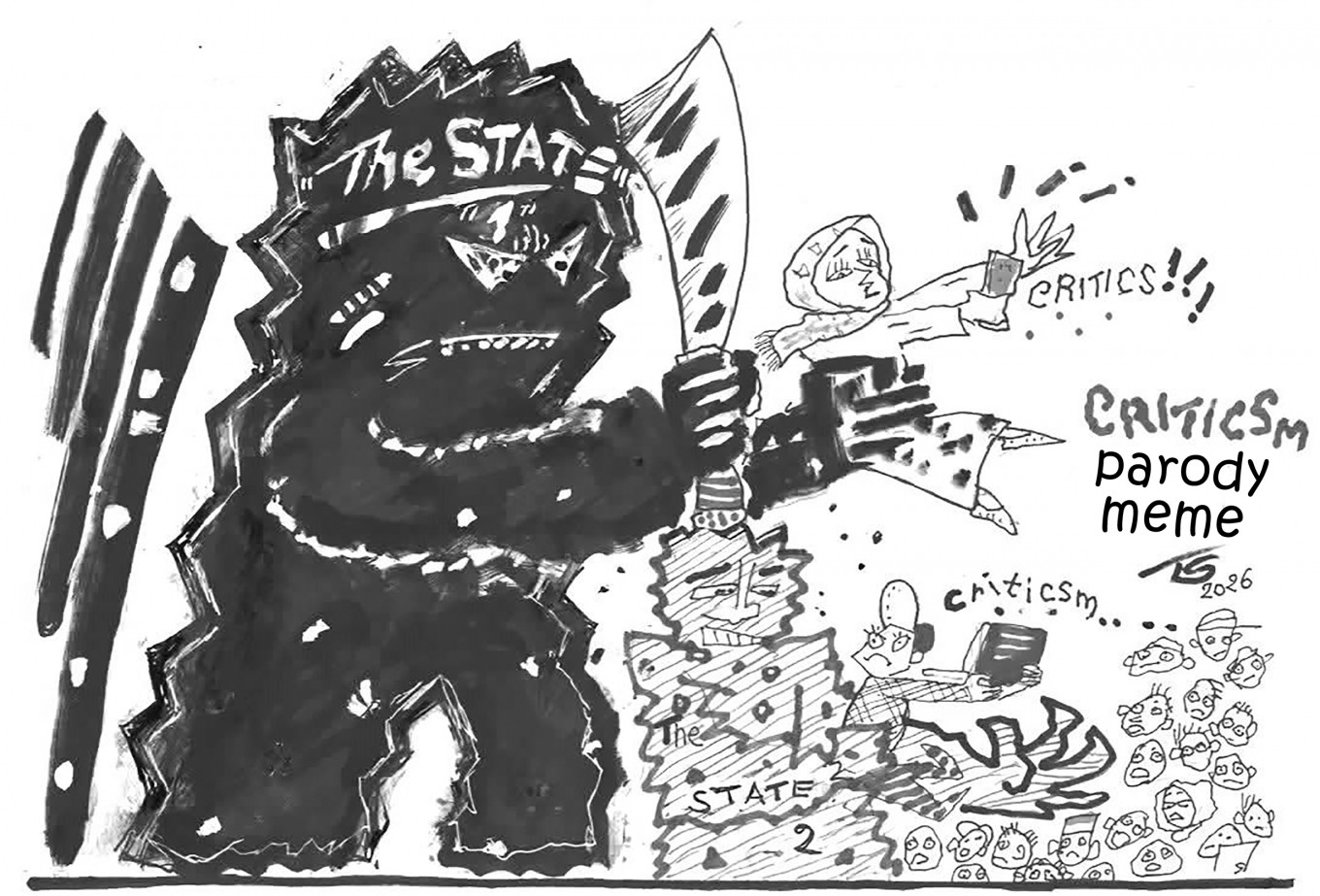
Despite years of constitutional reform and judicial intervention, the state's reflexive tendency to criminalize criticism of those in power remains alive and well.
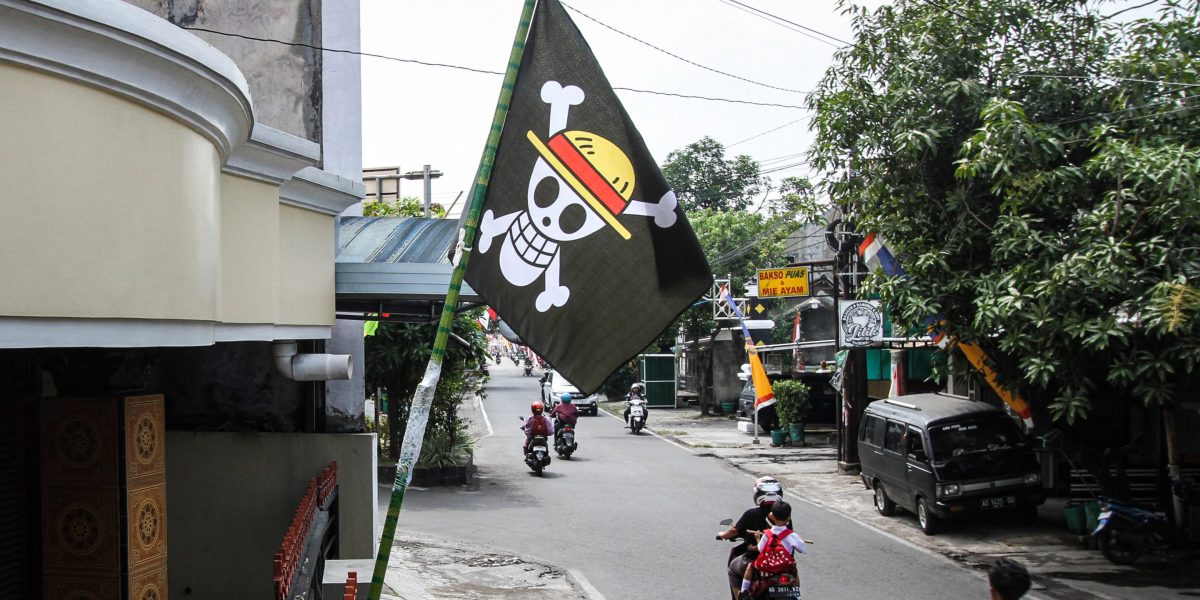
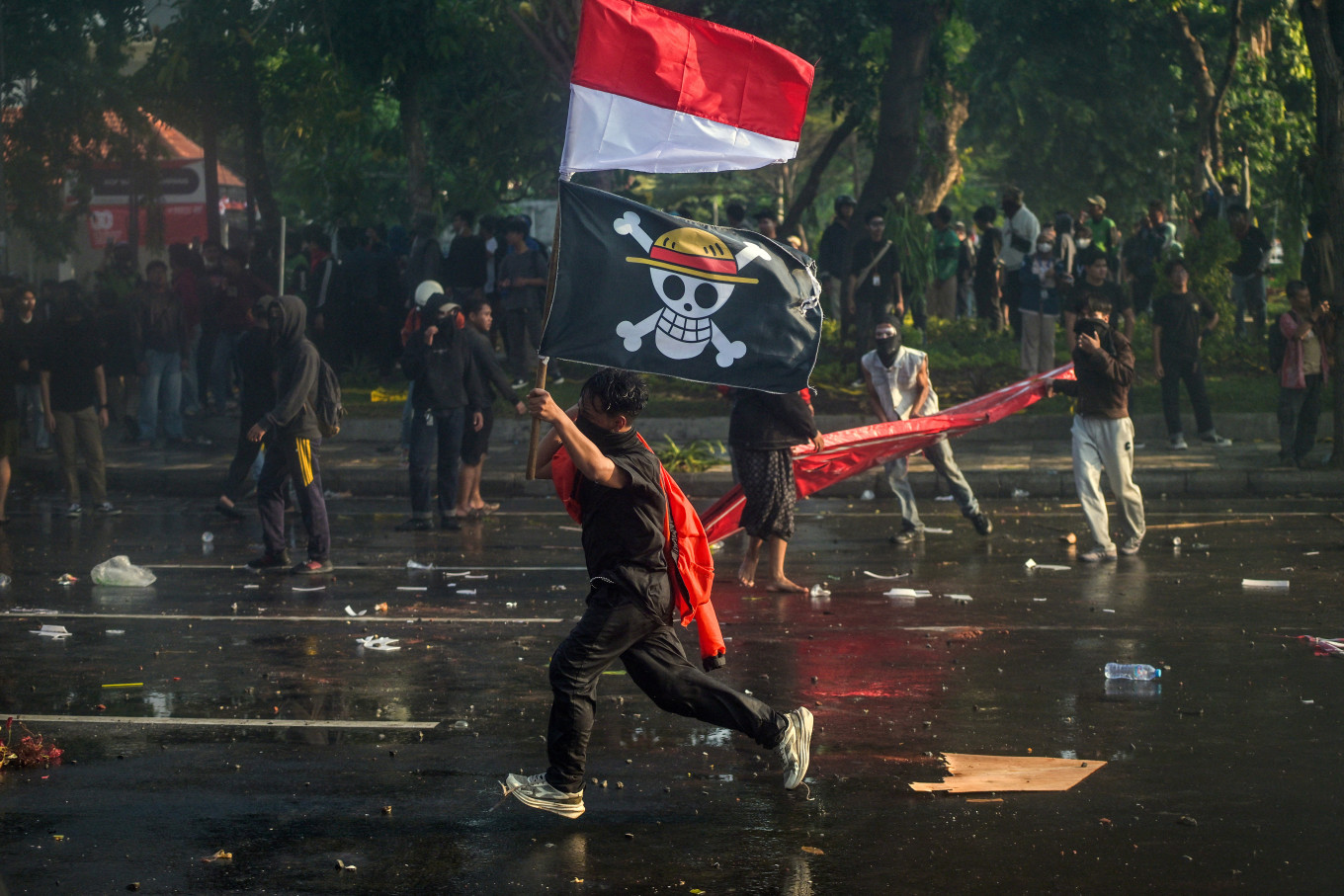
A demonstrator carries Indonesia’s national flag alongside a pirate flag from the Japanese anime One Piece, an internet symbol of protest against government policies, on Aug. 29, 2025, during a rally outside the residence of the Governor of East Java, in Surabaya. (AFP/Juni Kriswanto)
When West Java Police arrested two social media users for mocking President Prabowo Subianto's claim that Iran has nuclear weapons, it was more than another bizarre headline - it was a warning sign. Despite years of constitutional reform and judicial intervention, the state's reflexive tendency to criminalize criticism of those in power remains alive and well.The irony is striking. Even as the Constitutional Court has moved to narrow speech-related offenses under the Electronic Information and Transactions (ITE) Law, law enforcement and regulators appear to be finding new ways to achieve the same result: suppressing criticism and discouraging dissent.
The controversy began when Prabowo publicly stated that Iran possessed nuclear weapons. The remark drew criticism from foreign policy observers and prompted a response from the Iranian Embassy in Jakarta, which denied Tehran had developed or sought nuclear capabilities.