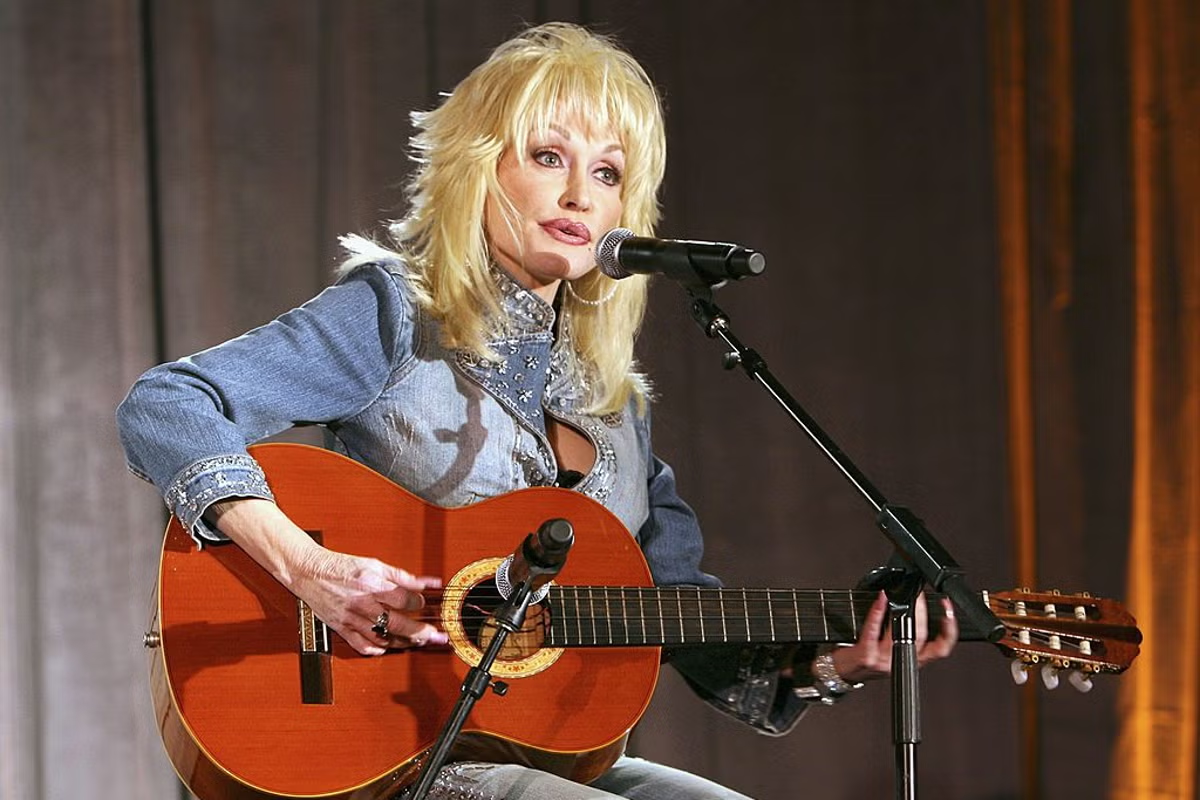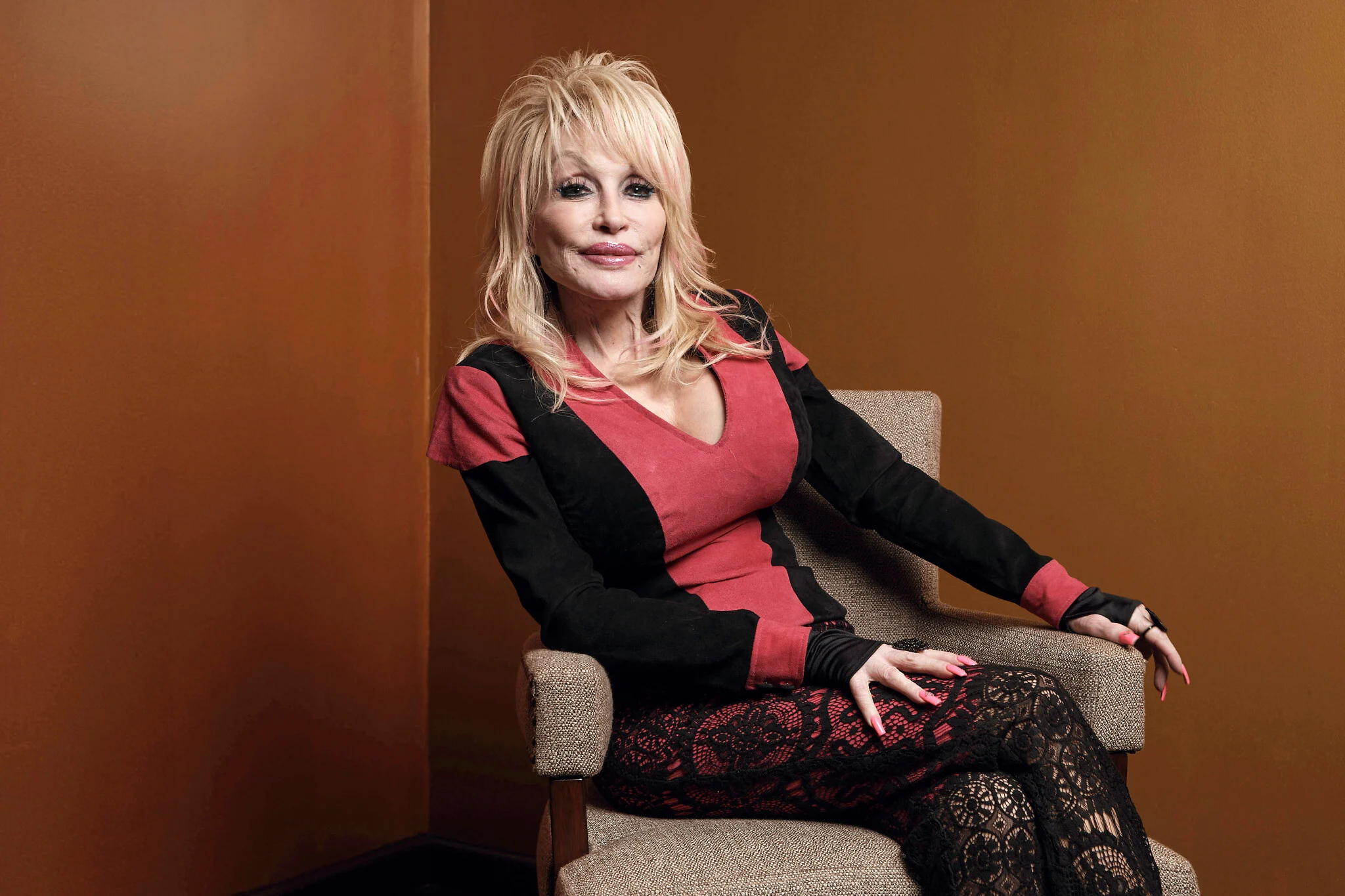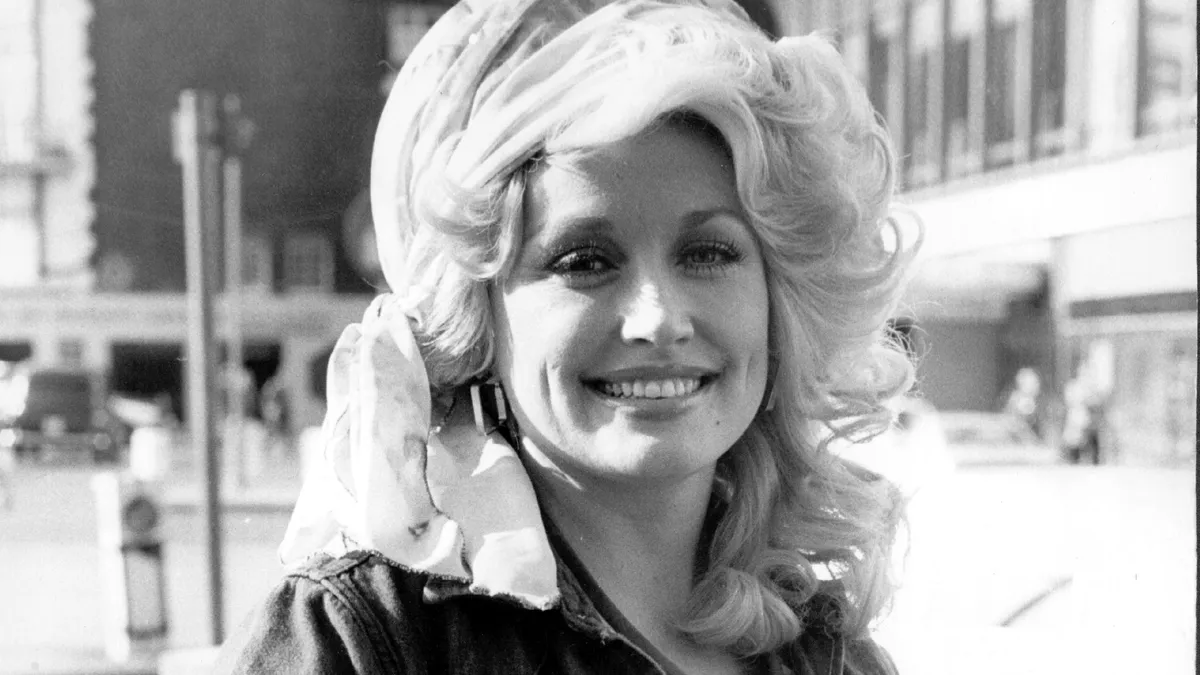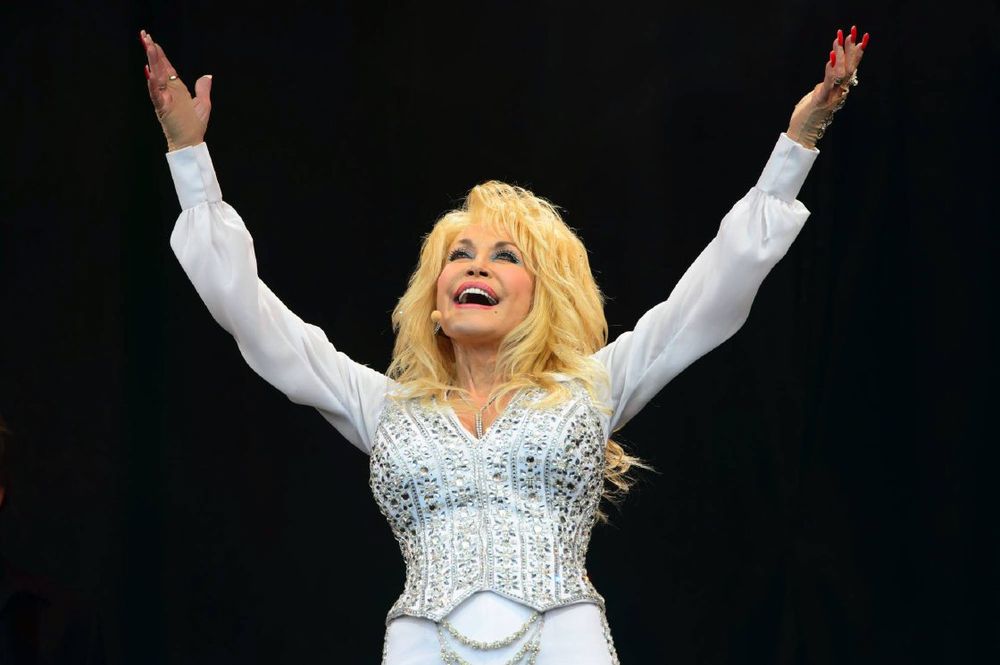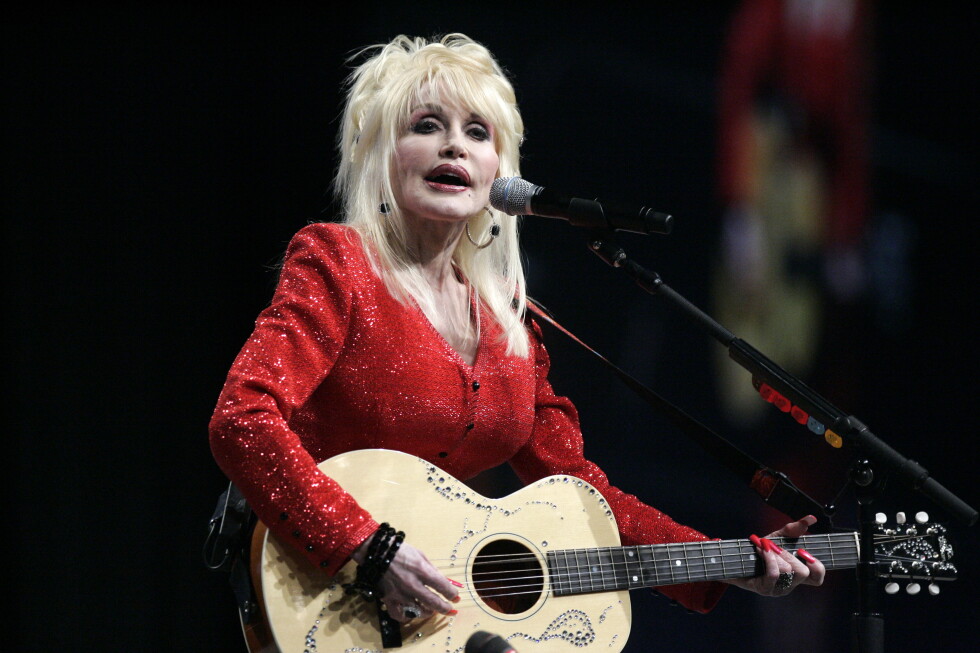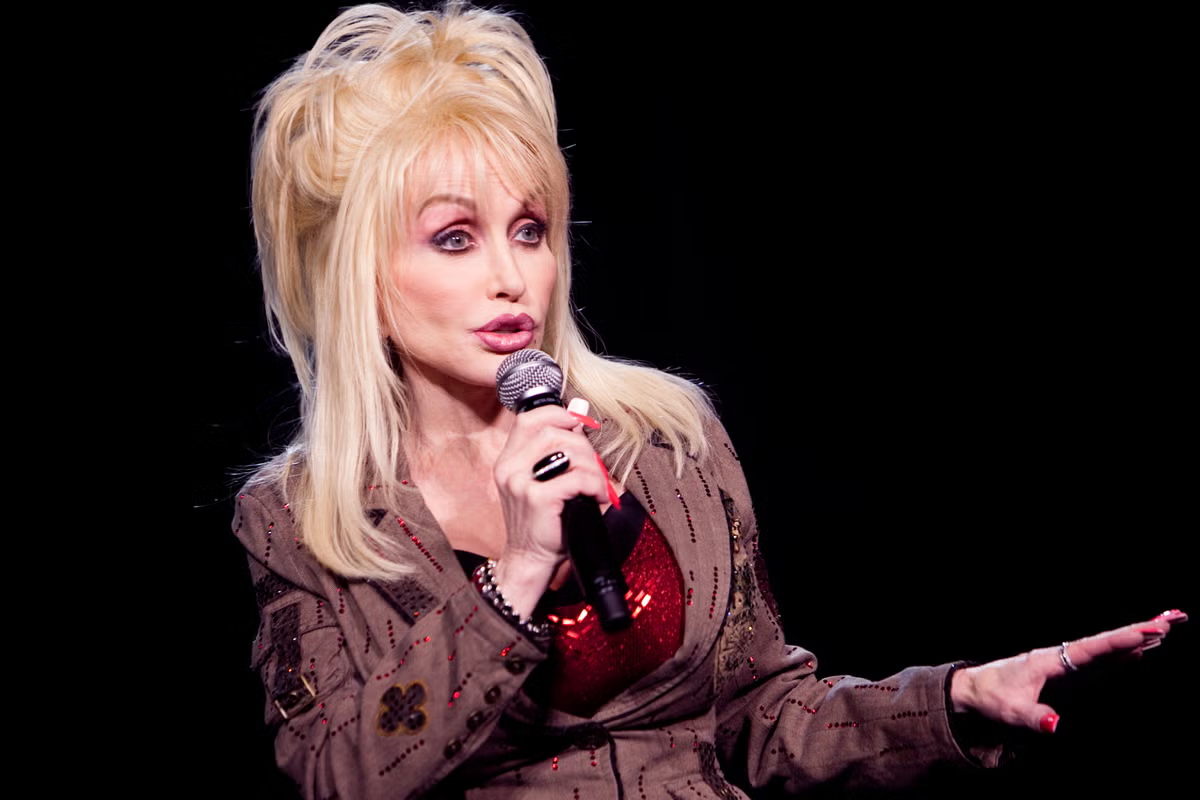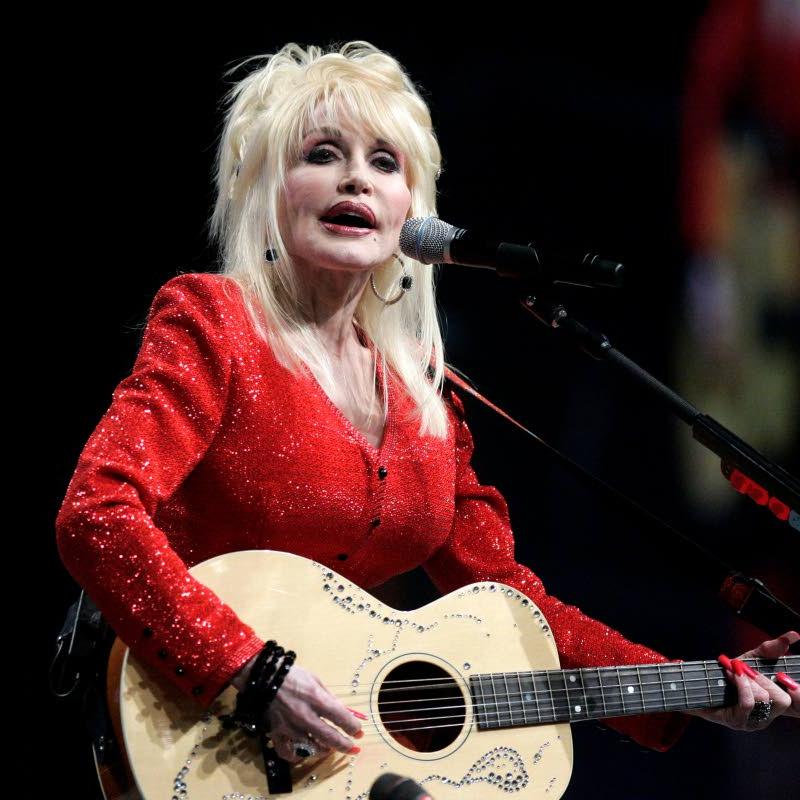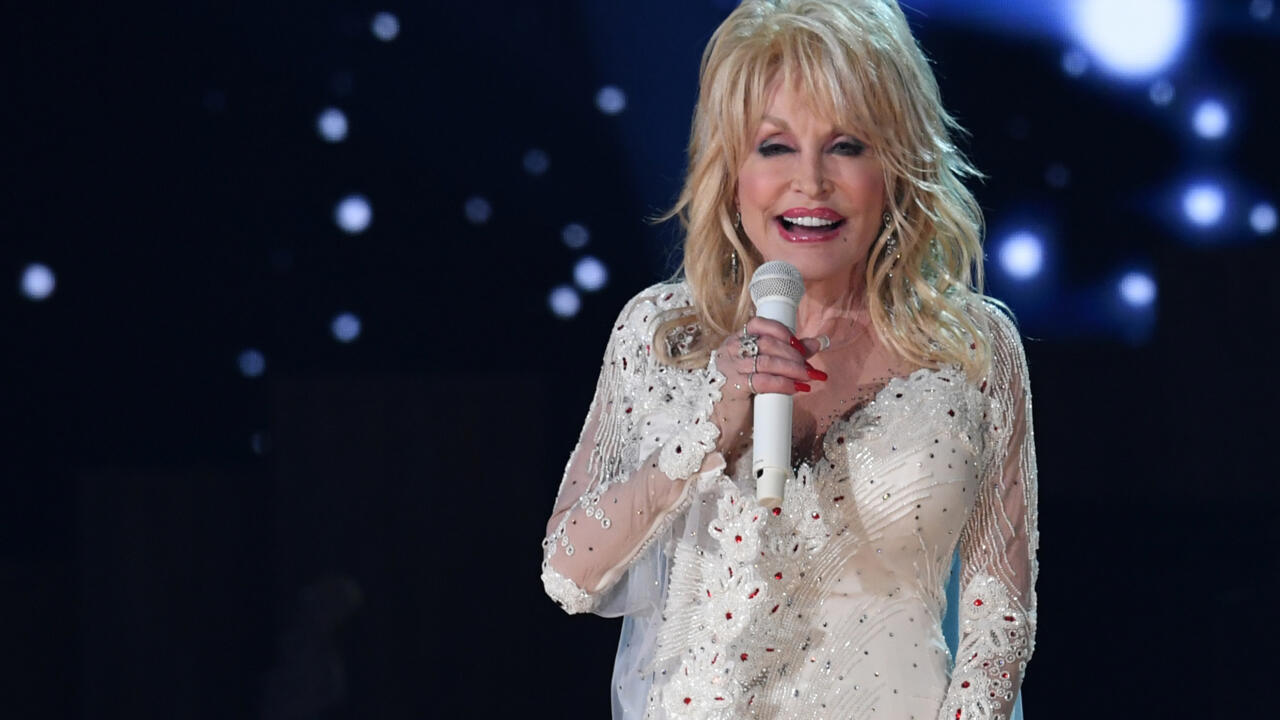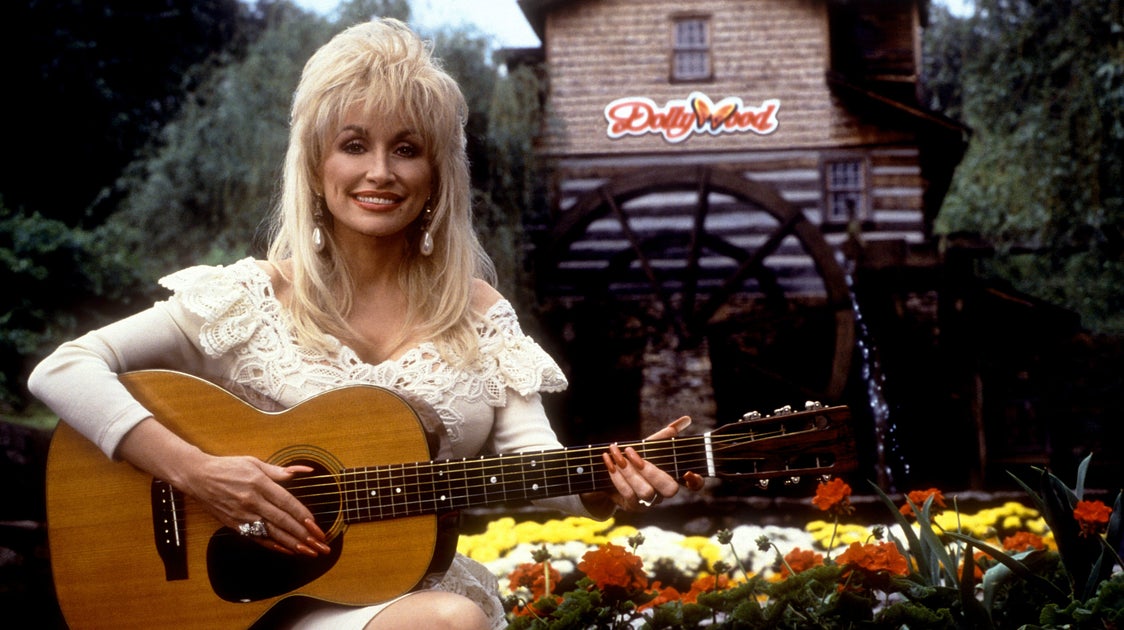
Dolly Parton, who died Tuesday at 80 at her home in Nashville, Tennessee, was known for her country chart-toppers, outsized blonde locks and an equally outsized personality.But another part of her legacy has nothing to do with her music or that iconic voluminous hair. (“The higher the hair, the closer to God,” she joked, in true Southern girl fashion.) Starting in the 1980s, Parton devoted herself to philanthropy, building a charitable legacy through her Dollywood Foundation that arguably puts her in the ranks of any Carnegie or Rockefeller. (Plus, she did it without the robber-baron baggage — and with rhinestones and wigs on.) Did you get a COVID vaccine? You have Parton to thank in part for that. Parton donated $1 million in April 2020 to Vanderbilt University Medical Center, funding early-stage research that helped develop the Moderna COVID-19 vaccine. (At the time, a humble Parton said she played a “small part” in the vaccine’s development; fans joked that she “saved the world.”) Received a free book every month as a child through Dolly Parton’s Imagination Library? You’re not alone. Since 1995, Parton and her Dollywood Foundation have gifted over 300 million free books to children in thousands of communities across the U.S., Canada, the U.K., Ireland and Australia.Parton ― whose estimated net worth Forbes put at $450 million last year ― earned the Carnegie Medal of Philanthropy in 2022, and recalled the inspiration behind the reading program. “This actually started because my father could not read and write and I saw how crippling that could be,” the “9 to 5” singer said during her acceptance speech. “My dad was a very smart man. And I often wondered what he could have done had he been able to read and write. So that is the inspiration.” Rui Vieira - PA Images via Getty ImagesDolly Parton’s Imagination Library launched in the United Kingdom in 2007. Since 1995, Parton and her Dollywood Foundation have gifted over 300 million free books to children in thousands of communities across the U.S., Canada, the UK, Ireland, and Australia.Dolly Parton’s childhood in poverty gave way to a legacy of philanthropy.Much of Parton’s extensive philanthropy was rooted in lived experiences growing up in poverty. Born in 1946 to Robert Lee and Avie Lee Parton, the singer was one of 12 children raised in a tiny, one-room cabin in the Smoky Mountains of rural East Tennessee. The home had no electricity or running water.But the young Parton “felt like a star when I would stand on the front porch, put the tobacco stick down the crack on the porch back home on Locust Ridge and sing my little heart out,” she told People last fall.Singing wasn’t her only talent. As a teen, Parton played snare drum in the Sevier County High School marching band, an experience that later inspired her support of school music programs, including the one at her alma mater. In 2022, journalist Michael Harriot shared a tweet revealing decades of support, which went viral and drew renewed attention to Parton’s low-key philanthropy.“If you talk to someone who was in choir or band at a majority Black HS, you’ll eventually discuss those annoying fundraisers for uniforms, instruments, etc. & a SURPRISING number will casually say: “Oh, Dolly Parton paid for ours,’” he wrote.Here’s a quietly wonderful thing I noticed:If you talk to someone who was in choir or band at a majority Black HS, you’ll eventually discuss those annoying fundraisers for uniforms, instruments, etc. & a SURPRISING number will casually say:“Oh, Dolly Parton paid for ours”— Michael Harriot (@michaelharriot) October 6, 2022Nathan Hickman, the current band director at Sevier County High School, told HuffPost that beginning in 1971, Parton offered concerts at the high school to provide band instruments for students in the Sevier County band program.Hickman confirmed that she purchased marching band uniforms several times over the years, including their newest ones in 2020. “Mrs. Dolly” as he affectionately referred to Parton, “never failed to take care of us.” “As a small tribute to show appreciation for her gift, our uniform has a small butterfly on the left sleeve,” he said. “Dolly’s legacy is an example of generosity, and that legacy will live on through the students in the Sevier County High School Band.” In the early ’90s, when Parton learned that about 35% of students in her home county were dropping out of school, she took personal action by launching the “Buddy Program.”The idea was that every seventh- and eighth-grade student would pair with a “buddy,” and each student who graduates receives $500 from Parton herself. For kids from struggling families, that was a huge incentive, and the program produced results; dropout rates for participating classes fell from 35% to just 6%. Parton also offered college scholarships for high school seniors in the community. Michael Ochs Archives via Getty ImagesAs a teen, Parton (pictured here in 1955 and 1965) played snare drum in the Sevier County High School marching band, an experience that later inspired her support of school music programs, including the one at her alma mater. IParton gave back to hospitals and teachers in the U.S., too.In 2007, Parton raised and contributed $1 million to help build a new community medical facility in Sevier County, Tennessee. The hospital and cancer center opened in Sevierville in 2010 with a 30,000-square-foot Dolly Parton Center for Women’s Services, which now operates as part of Covenant Health.“Dolly Parton represented the very best of East Tennessee,” Jim VanderSteeg, the president and CEO of Covenant Health, told HuffPost via email. Parton “showed us that meaningful change begins with caring for others and investing in the communities we call home,” he said. “Her legacy of generosity and compassion continues through the care provided to women and families every day, and her example will continue to inspire future generations to serve, give back, and make a difference.”One of Parton’s final philanthropic efforts in healthcare was a partnership with what was formerly known as East Tennessee Children’s Hospital. In February, the hospital was renamed Dolly Parton’s Children’s Hospital in her honor.In the world of education, the Dollywood Foundation created the inaugural Chasing Rainbows Award in 2002 to honor teachers annually who have overcome significant personal obstacles and gone on to make a difference in students’ lives. In 2015, Kansas teacher Dyane Smokorowski received the award. Speaking to HuffPost, Smokorowski recalled what it was like to fly out to Dollywood to have the award presented to her and to meet Parton in person.“Everything people saw in her interviews was exactly what I experienced in person,” she said. “She was kind, generous, personable, funny and wonderfully animated.”While waiting to meet the singer, Smokorowski listened as a reporter interviewed her.“Beneath all that warmth and humor was an incredibly intelligent businesswoman and determined leader who understood her values, knew what she wanted to accomplish, and did not allow obstacles to stop her,” the teacher said. Terry Wyatt via Getty Images“Everything people saw in her interviews was exactly what I experienced in person,” said Dyane Smokorowski, a teacher who met Parton while receiving an educator award from her. “While waiting to meet her, I listened as another reporter interviewed her. Beneath all that warmth and humor was an incredibly intelligent businesswoman and determined leader who understood her values, knew what she wanted to accomplish, and did not allow obstacles to stop her.” But Smokorowski’s favorite memory from the trip involved her son, Paul, who was a high school junior at the time. The day the family met the singer in Tennessee was also the night of junior prom back in Kansas. “When I mentioned that he had missed it to be there with me, Dolly said, ‘Well, Paul, I didn’t go to prom either. Maybe we can be prom dates for a moment.’ She pulled him close for a picture, giggled, and gave him a playful nudge while he turned every shade of red.” Smokorowski recalled. “That mock prom lasted only a few seconds, but that joyful little moment has stayed with us ever since.”Reflecting on Parton’s legacy of giving back, Smokorowski thinks the best way to honor the singer is “use our own gifts to help people move through difficult moments, discover their possibilities, and find their own rainbows.”Smokorowski spent only a few minutes with Parton, but it left a lasting impression on her.“She modeled how to lead with courage while continuing to love people without creating division,” she said. “I have carried that lesson in my heart ever since and try to bring that same spirit to the way I live, lead and serve others.
A Huge Part Of Dolly Parton's Legacy Has Nothing To Do With Music
The “9 to 5” singer wasn’t just iconic songs, big hair and sparkles.
1,431 words~7 min read