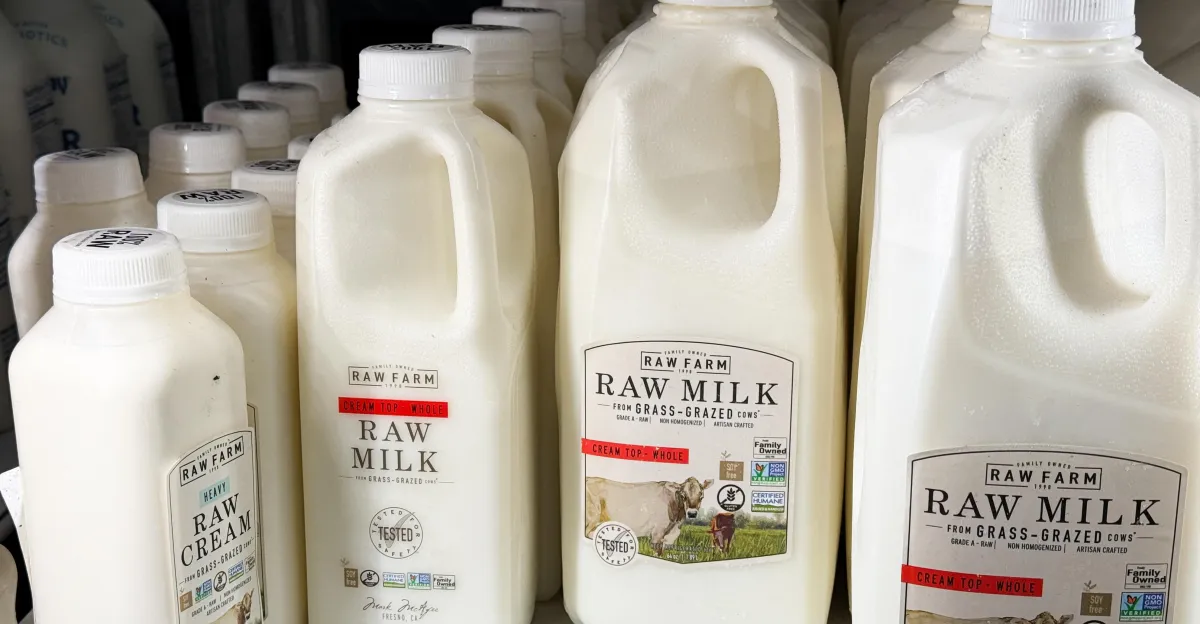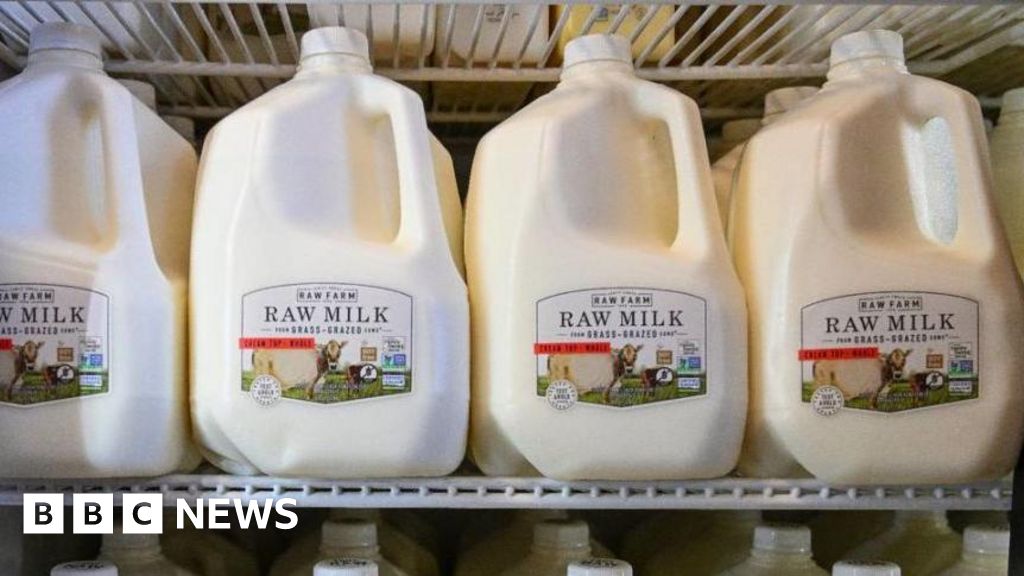
Long before pasteurised milk became a routine part of American life, families in New York faced a serious and often overlooked public-health danger, contaminated milk.
In the late 19th and early 20th centuries, raw milk could carry harmful pathogens and was especially dangerous for infants and young children.
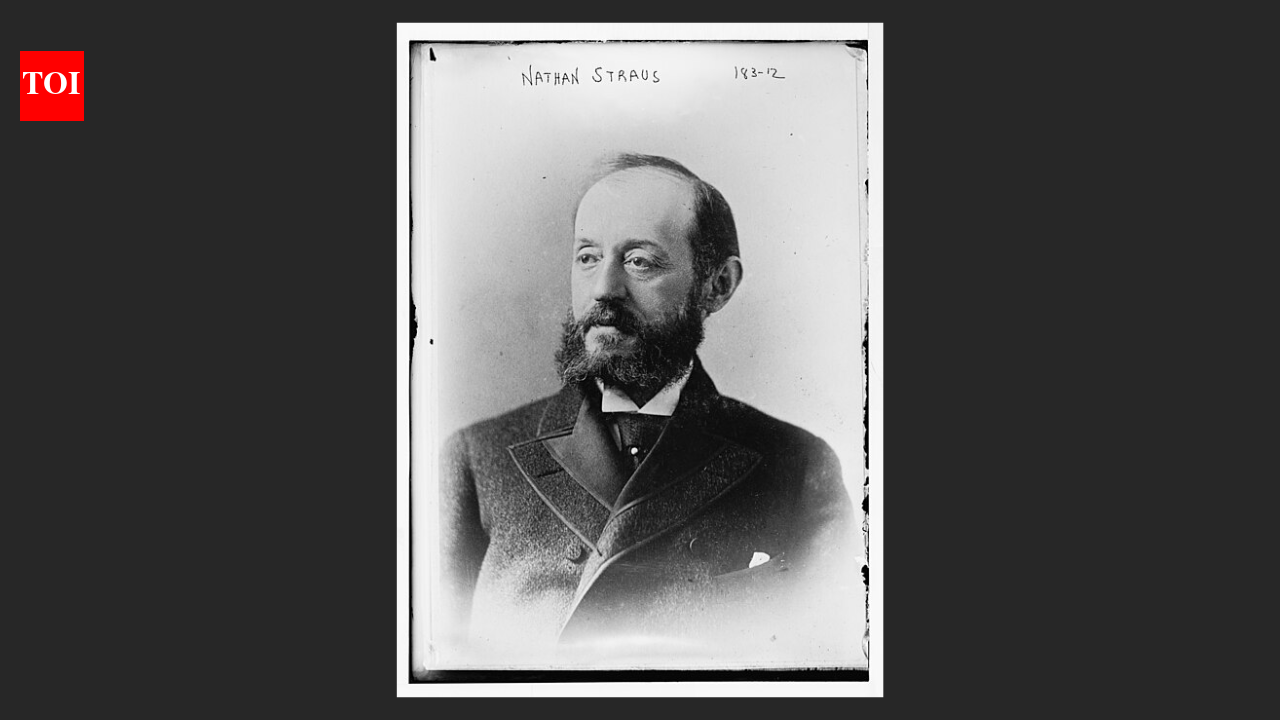
One wealthy businessman, Nathan Straus, used his fortune and business experience to tackle the problem in an unconventional way.
Rather than simply donating money to charities, Straus created a system that combined philanthropy with practical retail distribution.
He established milk laboratories and depots where pasteurised and refrigerated milk could be sold cheaply or provided free to families who could not afford it.