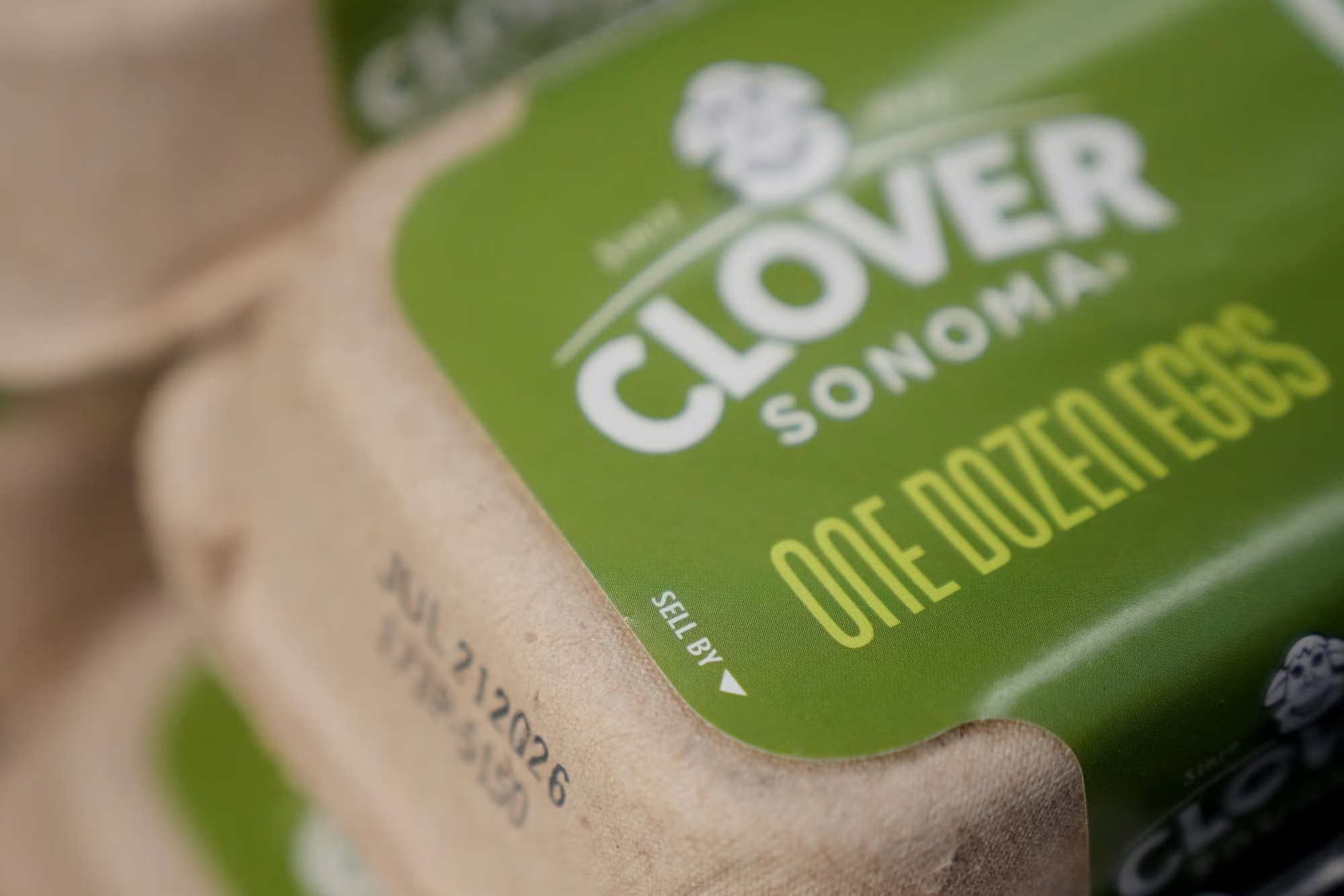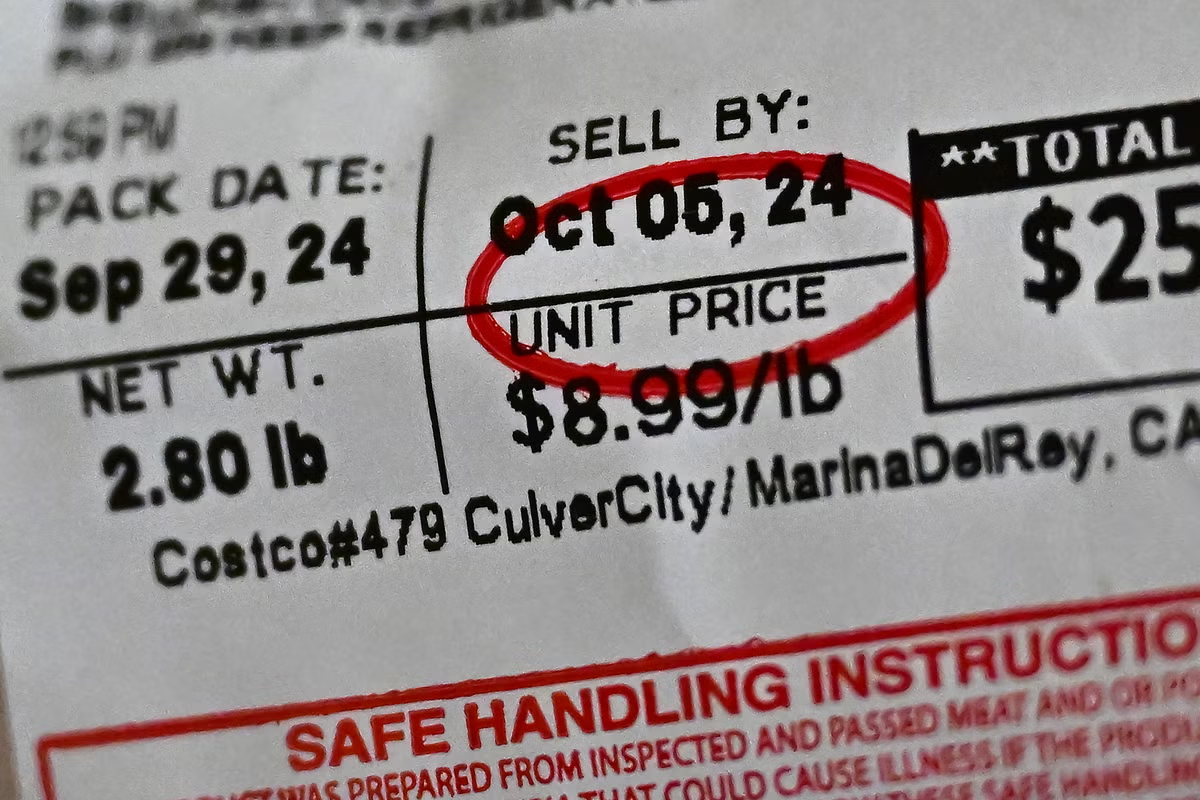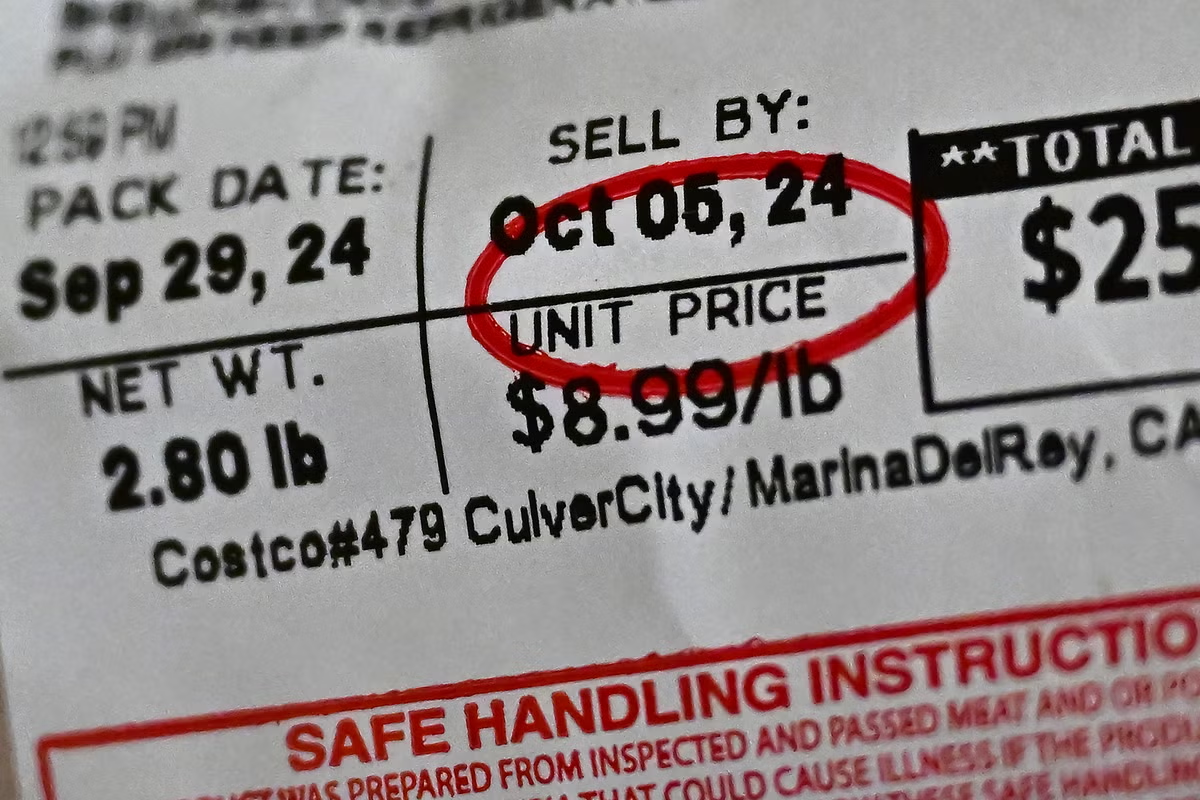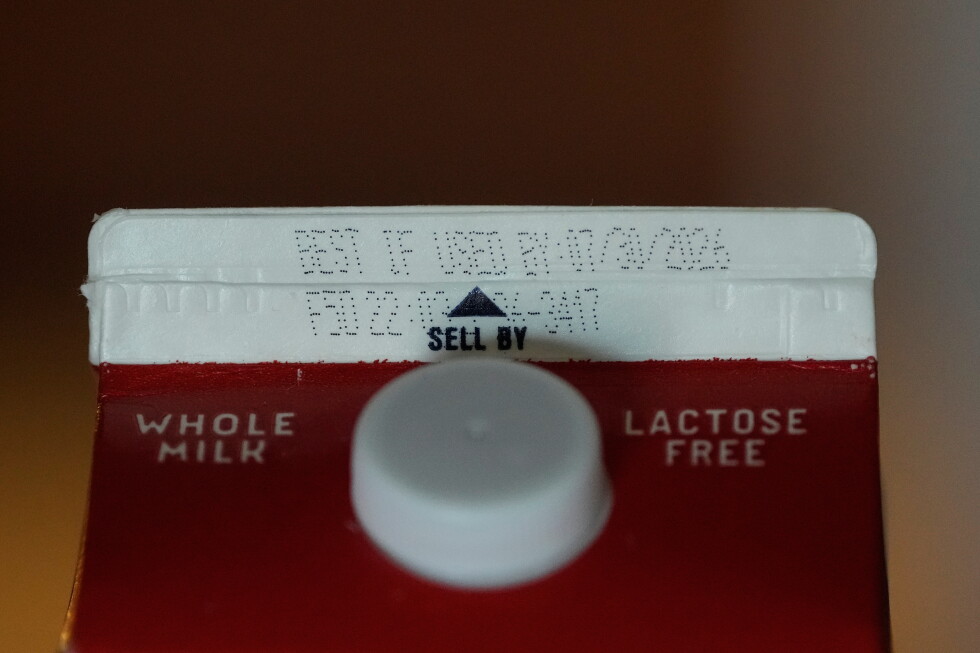
In July, a new labeling law took effect in California to make clear the dates when foods have merely passed their prime and when they would actually be risky to eat. The rule standardizes label language (such as “Best if used by” versus “Use by”) with an aim to increase safety and clarity for consumers and reduce food waste.
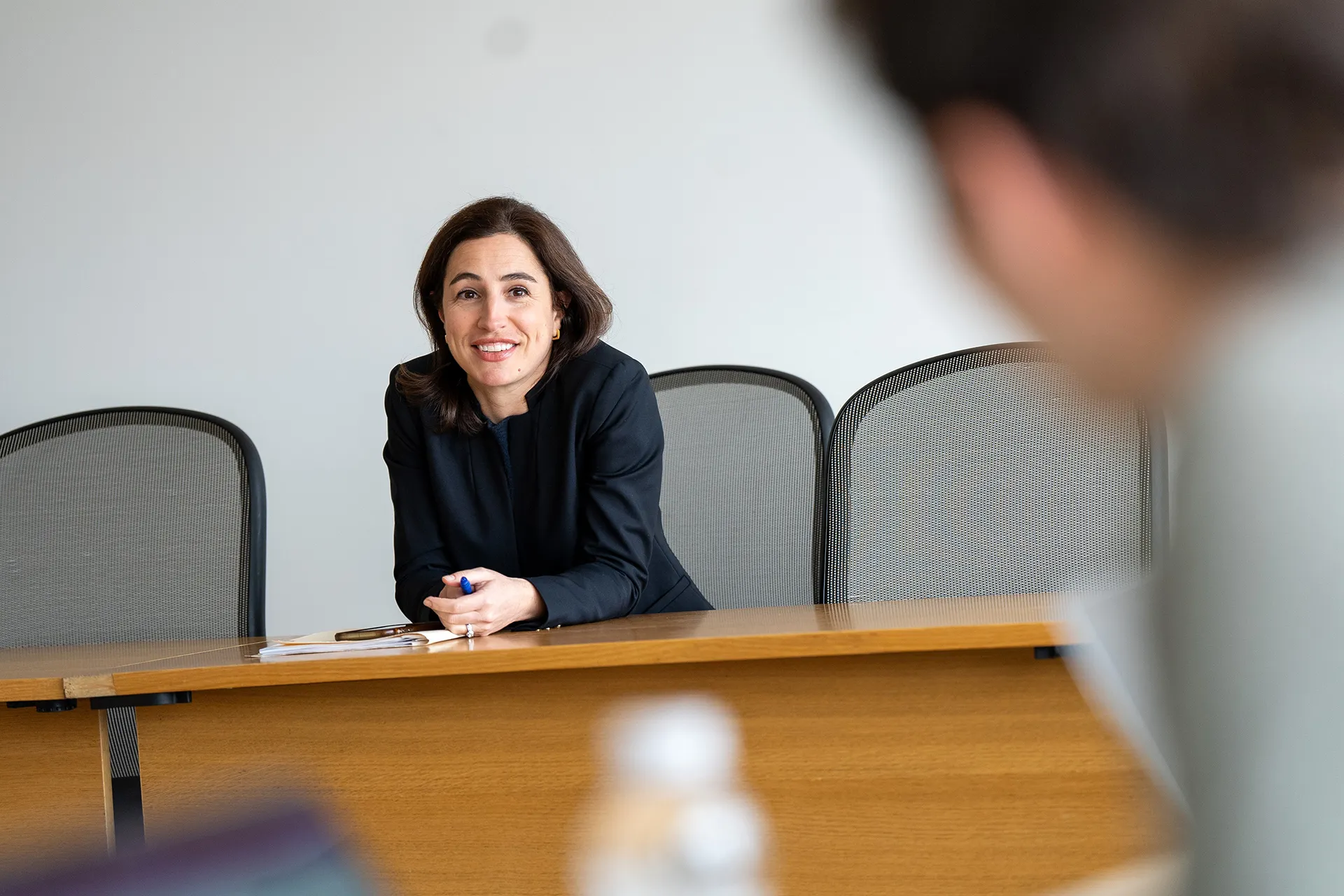
The Gazette spoke with Emily Broad Leib, clinical professor of law and director of Harvard Law School’s Food Law and Policy Clinic, about the potential impact of the law, the movement to pass similar legislation at state and federal levels, and its potential to address a national problem of consumers throwing out about a third of the food they buy. The interview has been edited for clarity and length.
Gazette: California recently passed legislation regulating date labels because of their role in food waste. What was the source of the confusion?
Emily Broad Leib: We know that in the U.S. and in other places they’ve been tied to both household-level food waste and waste throughout the supply chain. I’ve heard from partners in the supply chain that sometimes food will be thrown away three months before the date because they know that’s not enough time to get it to the distributor, onto the shelf, and into someone’s home.