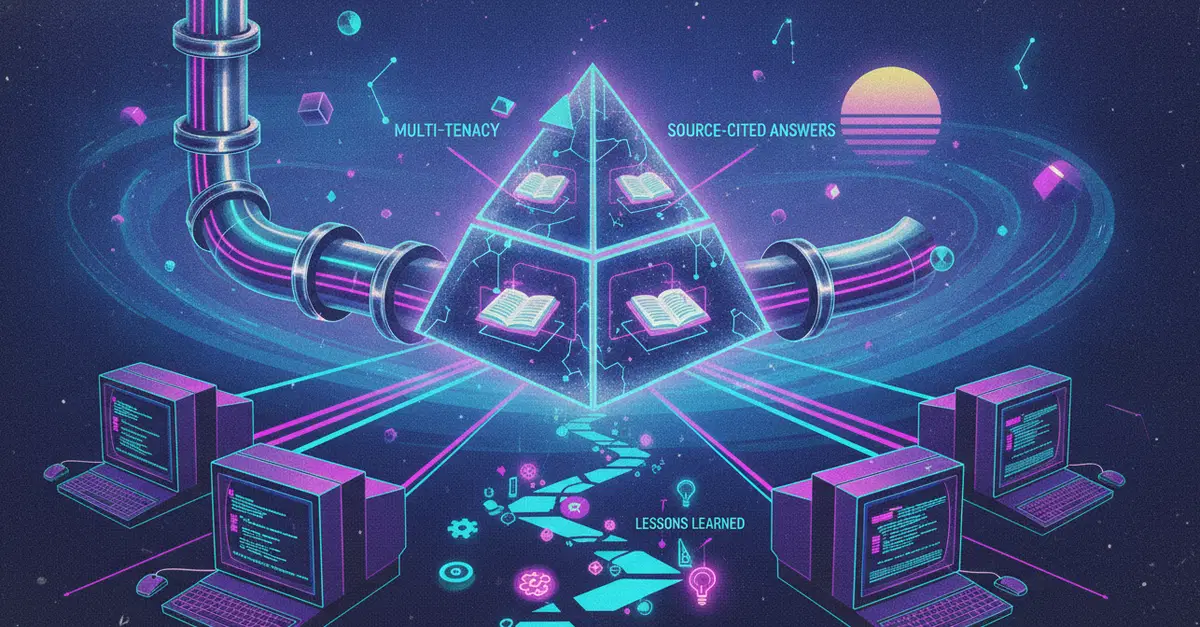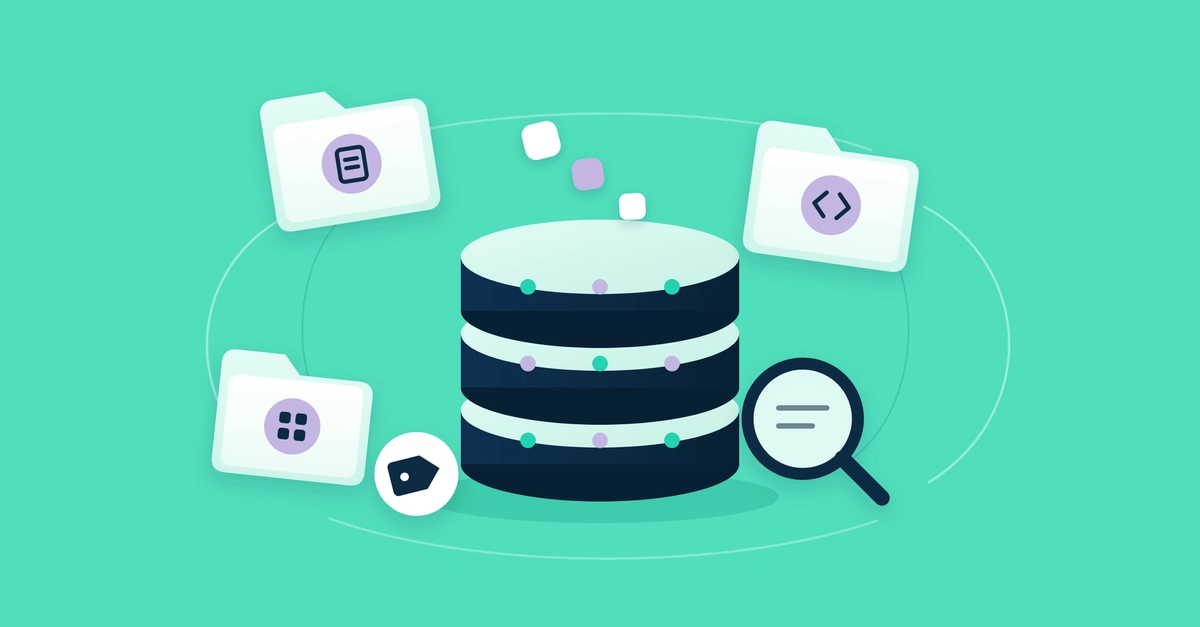
TL;DR: A Knowledge Base in ByteChef is a managed RAG store: drop in documents (PDF, Markdown, Word, JSON, plain text - and scanned PDFs or images, through an OCR path) and ByteChef parses, chunks (with size and overlap you pick per knowledge base), embeds, and indexes them in a pgvector-backed Spring AI VectorStore. Retrieval is everywhere you'd want it: a Knowledge Base Search tool for AI Agents (with tag filtering), Load/Search/Update/Delete actions for workflows, and a built-in search interface for testing. Keeping the index current is yours to drive - re-run an ingestion workflow on whatever schedule you like - and the part to plan for deliberately is upstream deletes, which no refresh can spot on your behalf.
Every team building with agents arrives at the same sentence: "It should know our stuff." The product docs. The runbooks. The policy PDFs. And the standard answer - RAG, retrieval-augmented generation - is conceptually simple: chunk the documents, embed the chunks, search by similarity, hand the best matches to the model.
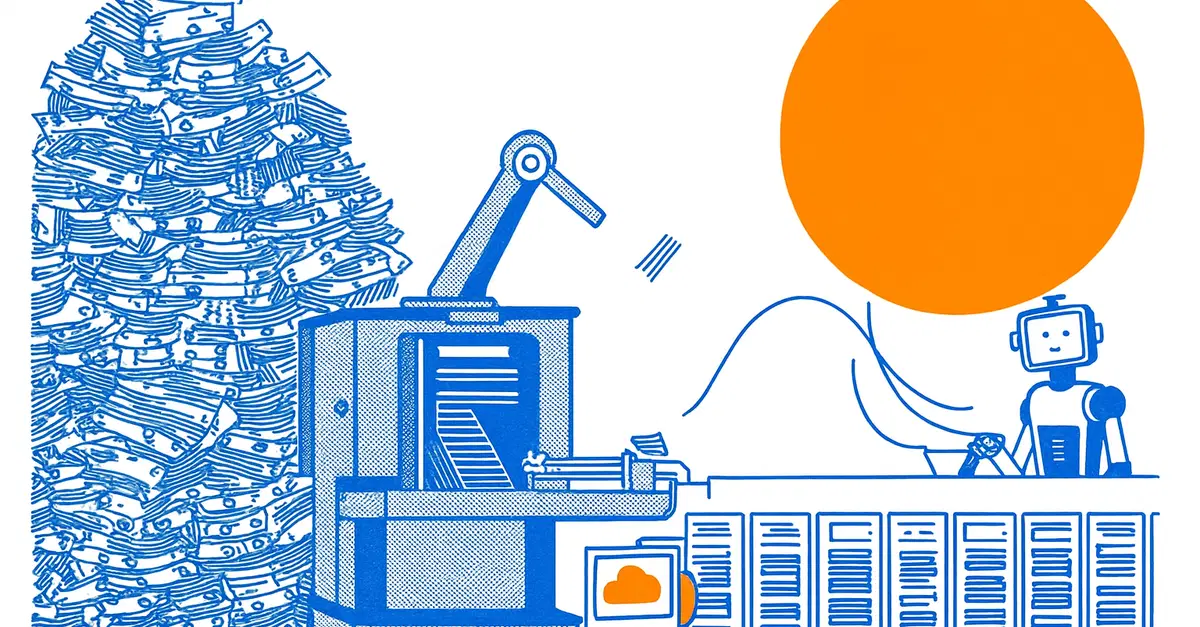
The concept is a weekend. The operation is a project. Someone has to parse five file formats, pick chunk sizes, run an embedding model, host a vector database, keep the index in sync when the source-of-truth changes - and notice when a document is deleted upstream, because a knowledge base that confidently serves stale policy is worse than none at all. That's the gap between a RAG demo and a RAG system. ByteChef's Knowledge Base closes most of it for you - and this post is honest about the part it leaves to you.
 aws.amazon.com