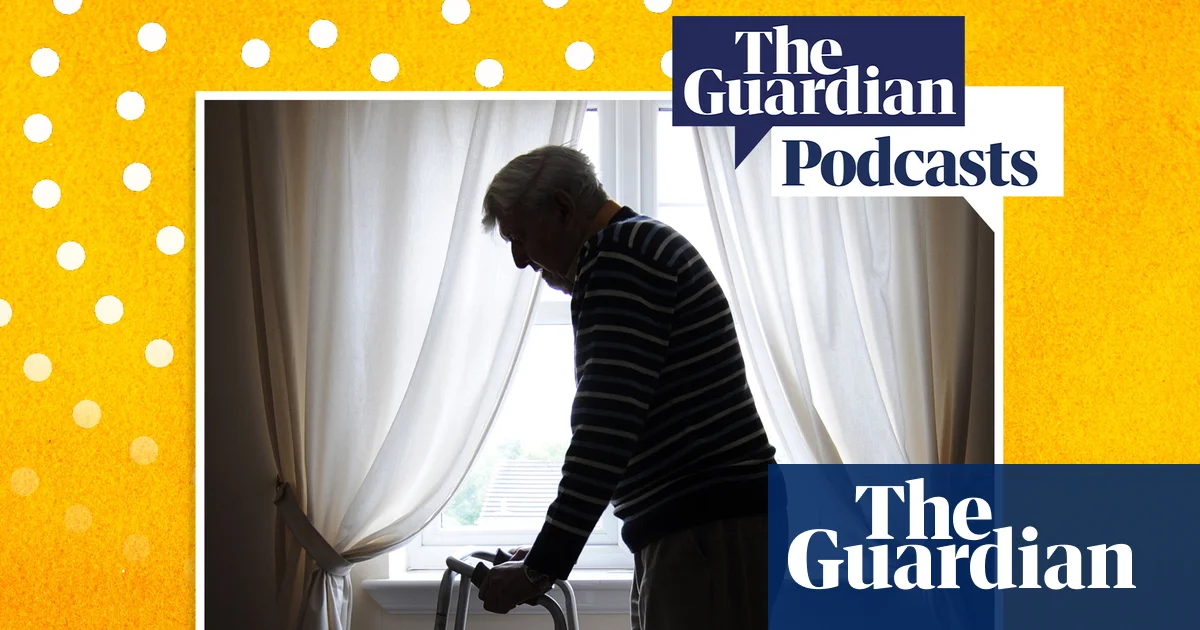
OpinionAugust 26, 2026 — 5:01amThe most worrying thing about the new aged care system is not that people are paying more for care. It is that some are deciding they can’t afford care at all. A YouGov survey of 1044 senior Australians found that one in three have reduced or stopped home care since November 1 because they can’t afford the new co-contributions.The impact is greatest among those under financial pressure: almost seven in 10 say the new payments have made them more reluctant to seek help, rising to nearly three in four among those experiencing financial hardship. Sadly, for 6 per cent, the cost of care now means choosing between aged care and essentials such as food and electricity.While it may not sound like a care issue, social isolation has serious consequences for your health.iStockThe survey found that seven in 10 believe aged care services are too expensive. However, there is an important distinction that appears to be getting lost. The new system doesn’t apply a co-contribution to every service.Think of your Support at Home funding as one bucket of money, divided into three smaller buckets – clinical care, independence and everyday living – with a different co-contribution applying to each.Clinical care, which includes nursing and allied health, has a zero co-contribution. These services can cost $150 to $200 an hour, and they will certainly use up funding in your Support at Home package, but they won’t cost you anything out of your own pocket.That’s what makes it particularly alarming that up to 13 per cent of survey respondents have reduced or given up clinical services. If people are refusing nursing or allied health because they believe they cannot afford it, we have a communication problem as well as a care problem.Before saying ‘no’ to care because you think you can’t afford it, check what you will actually have to pay.At the other end of the scale are everyday living services such as cleaning, meal preparation, gardening and home maintenance. The survey showed the highest proportion of recipients (20 per cent) had reduced or eliminated domestic help.These services can cost $100 to $150 an hour and attract a co-contribution of between 17.5 per cent and 80 per cent. For a full pensioner, paying 17.5 per cent of a $150 gardening or home maintenance service means a contribution of $26.25 an hour.If you can afford it, that may seem reasonable. For a self-funded retiree paying 80 per cent, $120 an hour, it’s a different proposition, and they may be better off buying private services. The survey doesn’t make it clear whether some people are opting for private care instead.Social support sits in between. It is classified as an independence service which attracts a contribution of between 5 per cent and 50 per cent. With prices of $100 to $130 an hour, that could mean paying anywhere from $5 to $65 an hour.Up to 14 per cent of people receiving social support have reduced or declined these services. While it may not sound like a care issue, social isolation has serious consequences for your health.Under the new system more people are paying more towards their home care, but the cost is not across the board. Clinical care remains free, while the biggest increases are concentrated in independence and everyday living services.Before saying “no” to care because you think you can’t afford it, check what you will actually have to pay.Rachel Lane is the author of Downsizing Made Simple, a book and website aimed at demystifying downsizing.Advice given in this article is general in nature and not intended to influence readers’ decisions about investing or financial products. They should always seek their own professional advice that takes into account their own personal circumstances before making any financial decisions.Expert tips on how to save, invest and make the most of your money delivered to your inbox every Sunday. Sign up for our Real Money newsletter.Rachel Lane is author of the best-selling book Aged Care, Who Cares? and Downsizing Made Simple with fellow finance expert Noel Whittaker.From our partners
The alarming reason one in three seniors are giving up aged care
If people are refusing nursing or allied health because they believe they cannot afford it, we have a communication problem as well as a care problem.
675 words~3 min read