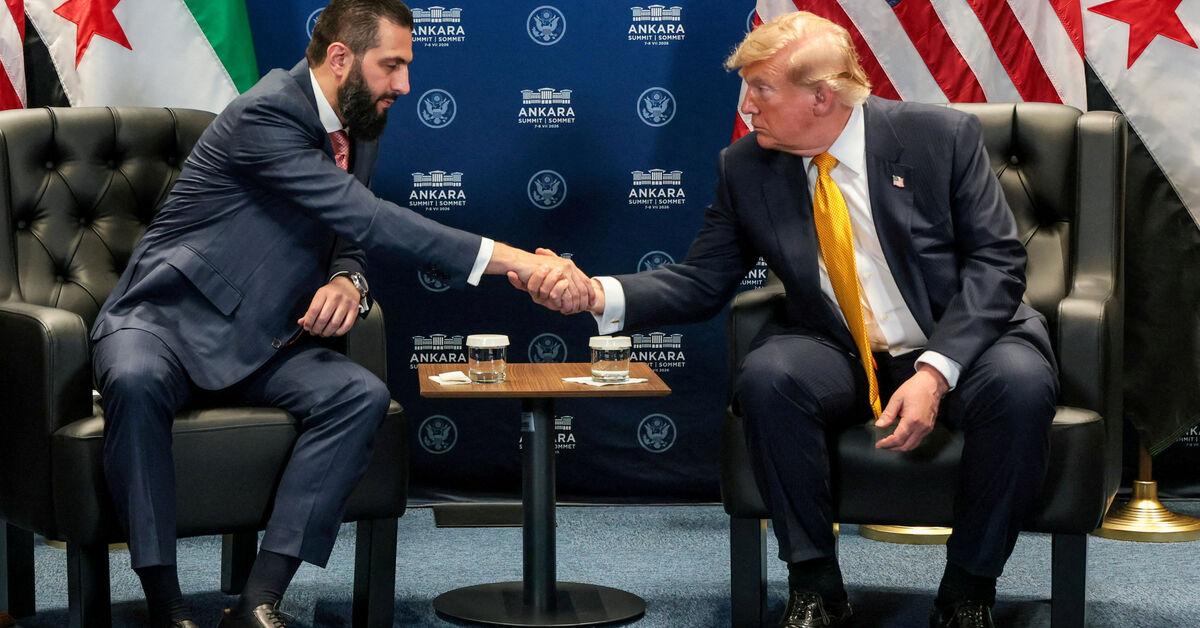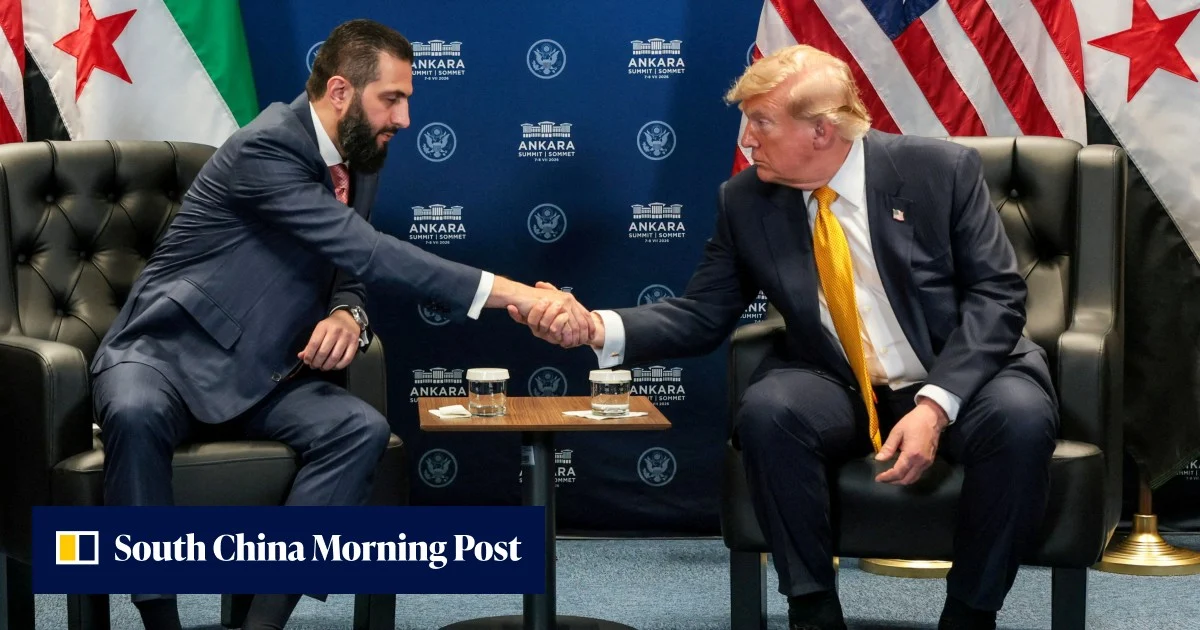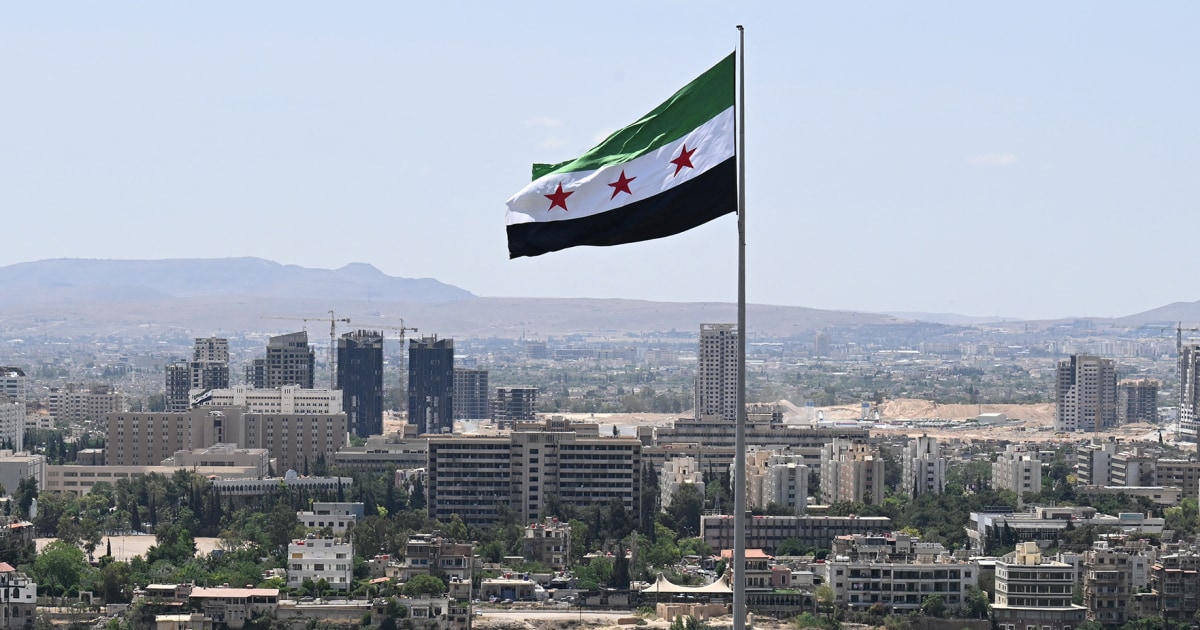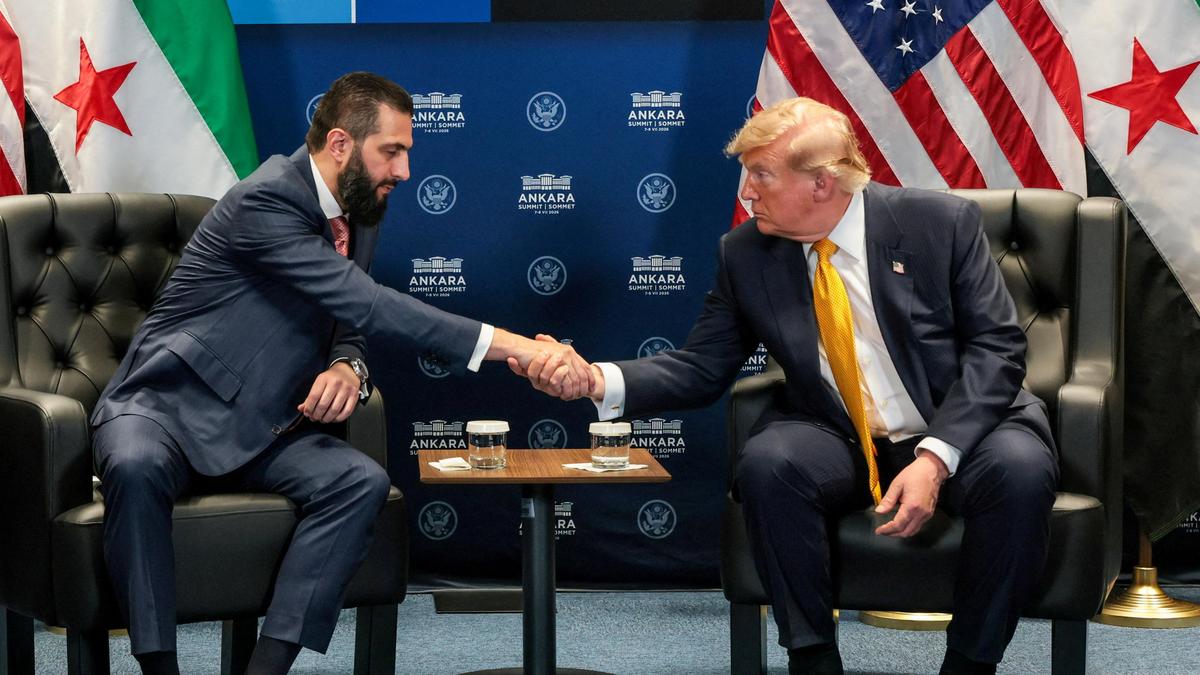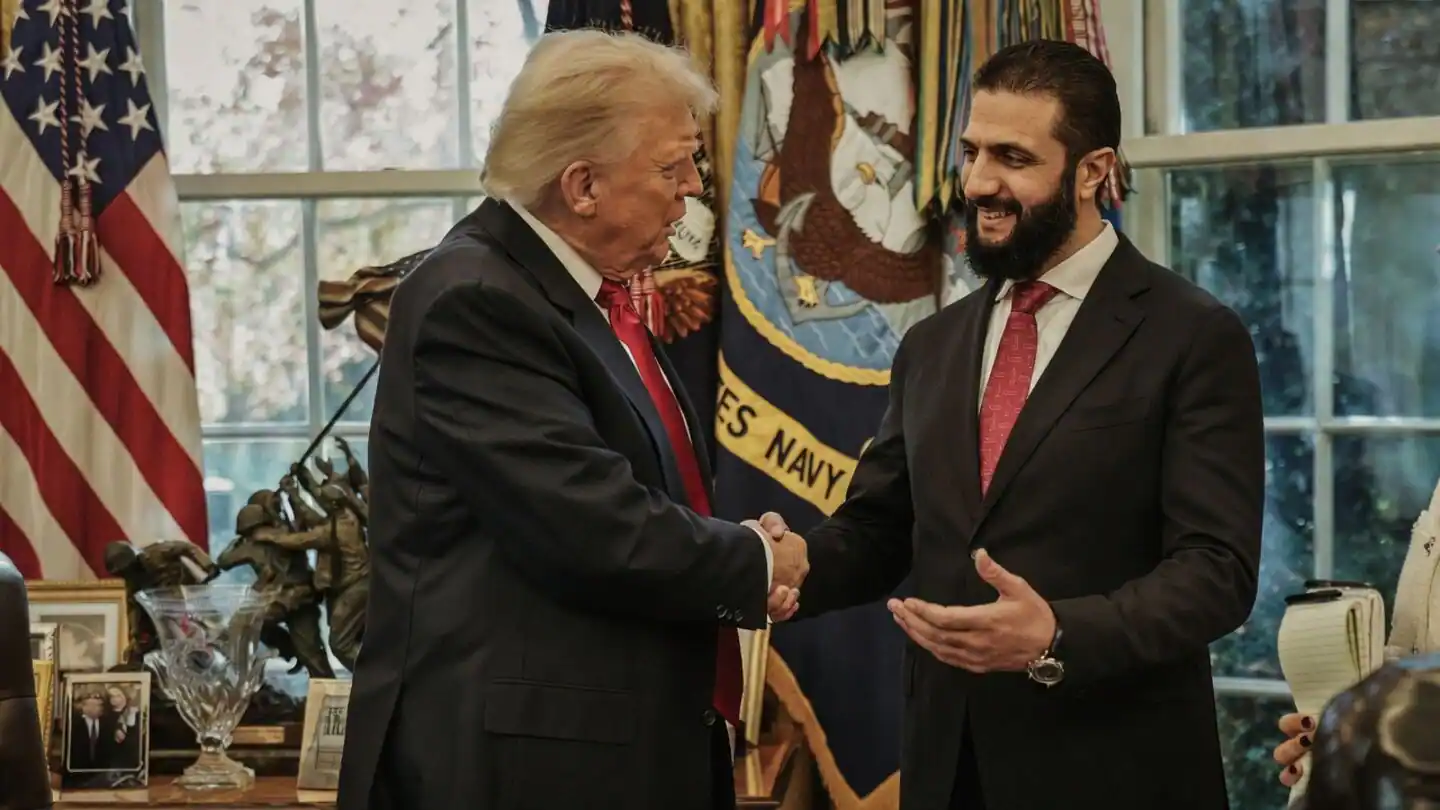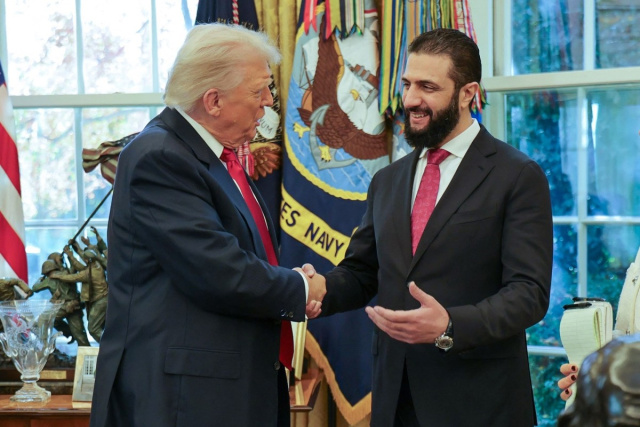
The United States removed Syria from its list of state sponsors of terrorism (SST) on Monday, lifting what Damascus says was the last major impediment to investing in the country as Washington deepens ties to the new Syrian government.For all the latest headlines, follow our Google News channel online or via the app.Although the Trump administration terminated comprehensive US sanctions on Syria in July 2025, remaining a designated SST carried severe prohibitions.Syrian Foreign Minister Asaad al-Shibani told Reuters on Saturday that the government hoped removing what he called the “last obstacle” would help reconnect Syria to the global financial and economic system and boost investment. “There is no longer any obstacle to investment, doing business and rebuilding economic life in Syria,” he said.Syria was excluded from US foreign assistance, defense exports and sales, certain-dual use items and financial transaction. The designation was also a major deterrent for banks and investors with a number of mechanisms that exclude the country from the global financial system.An SST designation triggers US Treasury Office of Foreign Assets Control (OFAC) enforced financial sanctions that block all “property and interests in property” of the foreign government within the US or passing through a US bank or company. This definition covers almost anything of value, including bank deposits and stock holdings, debts owed to the government, contracts, insurance payouts, even minority stakes in companies it partly owns. OFAC can also bar Americans and US businesses from trade or financial transactions with the government.The most powerful isolating force is less direct, however. Foreign banks that process transactions for a designated SST risk losing access to the US correspondent banking system. These banks facilitate international transactions, and a loss of access can cut banks from dollar denominated commerce entirely as almost all cross-border trade and credit clears through USD correspondent accounts at some point. As a result, banks worldwide simply avoid designated countries rather than risk losing this access.Lastly, the US is obliged to oppose all World Bank and IMF lending to an SST. The combined effect is that credit, trade finance, and investment is greatly curtailed.This explains why Marco Rubio described the de-listing as eliminating the “final major barriers for private sector investment in Syria and [promoting] Syria’s economic recovery and reintegration into the global economy.”The re-opening of Syria to international credit could be transformational. The government is seeking billions of dollars in investment to rebuild after nearly 14 years of war. The World Bank estimated in 2025 that Syria’s post-conflict reconstruction costs would be over $200 billion, or ten times 2024 GDP.In recent months Syria has been opening back up to international capital. Syria’s finance ministry said this month that Finance Minister Mohammad Yisr Barnieh held talks with Bank of America executives over potential cooperation and Mastercard announced in May that it was working with the Qatar National Bank (QNB) and Syria’s central bank to prepare infrastructure for international card payments in the country. Abu Dhabi Commercial Bank, QNB and JPMorgan are arranging a $7billion loan for reconstruction projects. The borrower is a Qatari construction conglomerate with ties to Syria, and the loan is to be guaranteed by QNB. Last week, Arabian Business reported an $800 million investment by Emirati logistics firm DP World in the Port of Tartus.While the cost of rebuilding is eyewatering, Syria’s de-designation is an essential first step in attracting further private capital.With ReutersRead more: President says Syria ‘shakes off dark stain’ with removal from US terror listUS officially removes Syria’s designation as a State Sponsor of Terrorism
US removes Syria from state sponsored terrorism list opening country to global investment
The United States removed Syria from its list of state sponsors of terrorism (SST) on Monday, lifting what Damascus says was the last major impediment to
585 words~3 min read