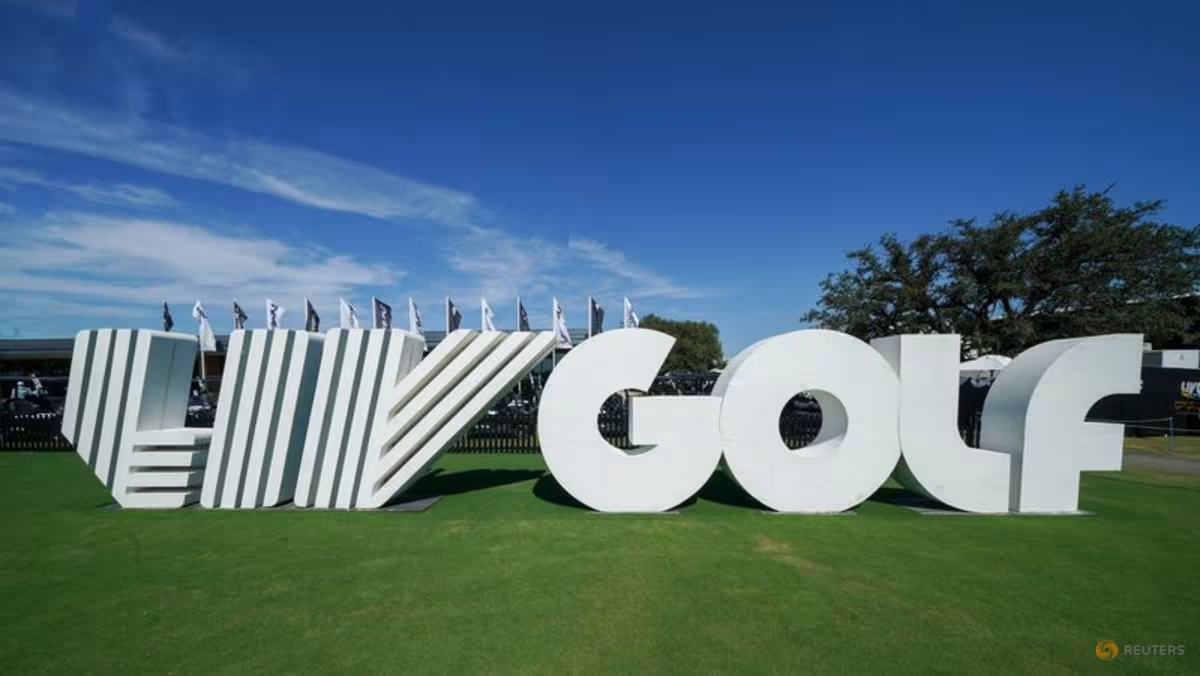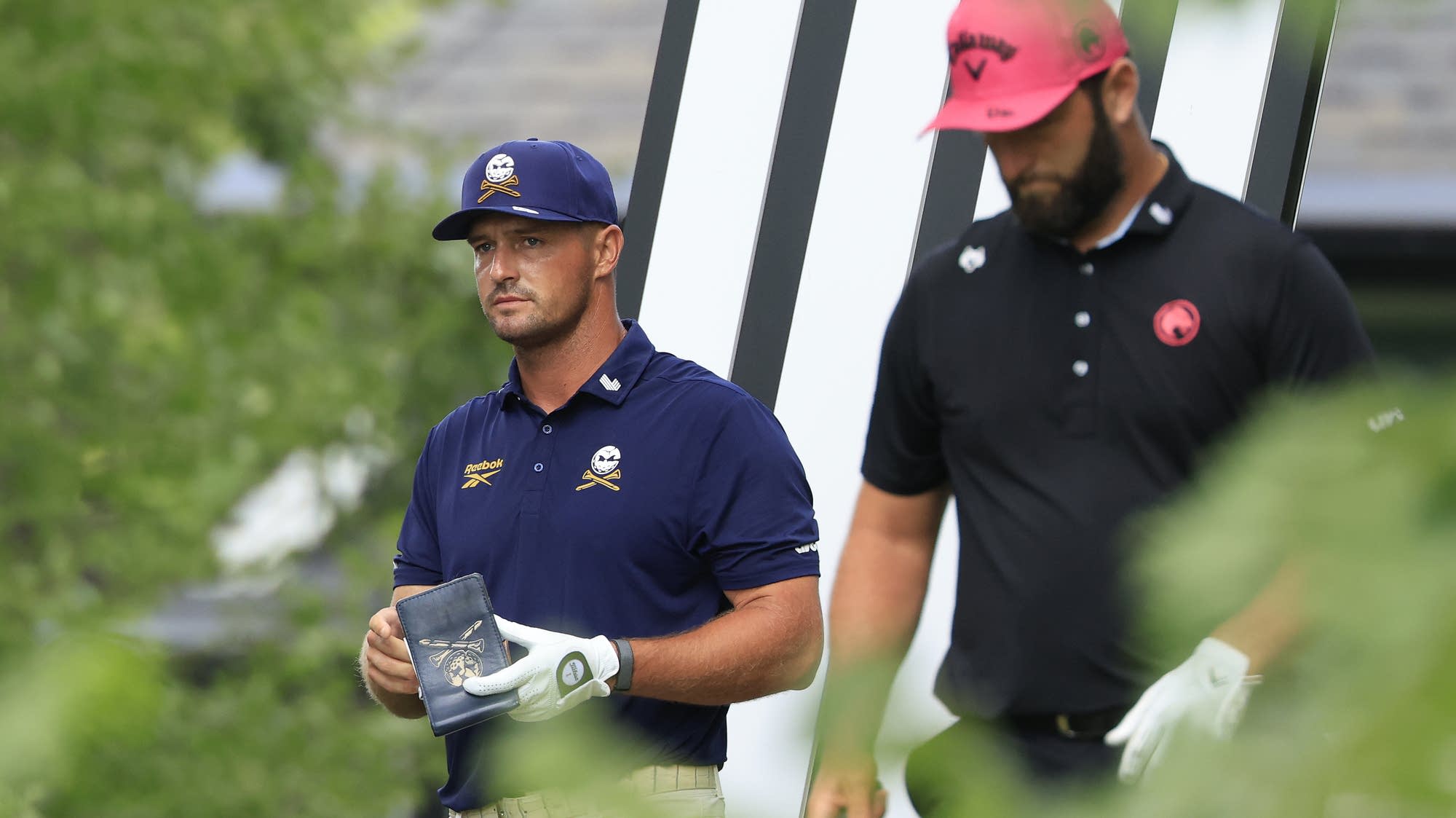
The upstart pro golf organization LIV Golf hosted its last tournament of the year on Sunday, which could perhaps be its last tournament ever.LIV was financed by Saudi Arabia’s sovereign wealth fund. It upended the golf world back in 2022 when it lured some star players away from the PGA Tour. According to Reuters, the Saudi Public Investment Fund invested more than $5 billion in the venture. But it stopped supporting the organization at the end of this season, leaving LIV’s future in doubt.The rise and fall of LIV Golf is not exactly an original story.A lot of other pro leagues — basketball, football, baseball — have seen upstart organizations challenge them at some point. LIV Golf fits into that tradition, said Alicia Jessop, a sport law professor at Pepperdine University, because it tried to do something different from the traditional PGA Tour.“It turned golf on its head, right? It had loud music and concerts and cheering at holes,” she said.LIV’s story diverges from past startup leagues, though, because the Saudi government wasn’t pouring money into LIV just to disrupt pro golf, said Victor Matheson, an economics professor at the College of the Holy Cross.“It could have always been simply a way to direct attention about Saudi Arabia towards fun things like golf, rather than less fun things, like assassinations of of journalists,” he said.Matheson referred there to the assassination of journalist Jamal Khashoggi at a Saudi consulate in 2018. From the start, LIV Golf was saddled with accusations of sportswashing.Still, thanks to Saudi Arabia’s deep pockets, it pulled big star players away from the PGA Tour with huge payouts. But it had trouble attracting TV deals, sponsors, and, most importantly, fans.That’s a familiar problem for startup leagues, said David Berri, an economics professor at Southern Utah University — they don’t have any history or context to make fans care.“That's why upstart leagues, no matter how much money you put into it, and how many music performers you hire to perform at your events, that's not going to change the fact that most fans don't know what they're looking at, and they're not going to pay any attention,” he said.Saudi Arabia’s investment fund decided to cut its losses this year. But its multi-billion-dollar attempt to break into pro golf may have accomplished a larger objective, said Jodi Balsam, a professor at Brooklyn Law School.“It's now considered a legitimate player in the world of sports investment,” she said.It’s attracting a growing number of high-profile sporting events to its domestic market, including the 2034 Men’s World Cup.
Saudi Arabia will no longer fund LIV Golf. What happened?
The golfing upstart was able to pull big stars away from the PGA Tour, but ultimately struggled to attract TV deals, sponsors and fans.
425 words~2 min read