Chinese private space firm delivers first complete satellite export to Southeast Asia, offering 'turnkey solution' for developing nations
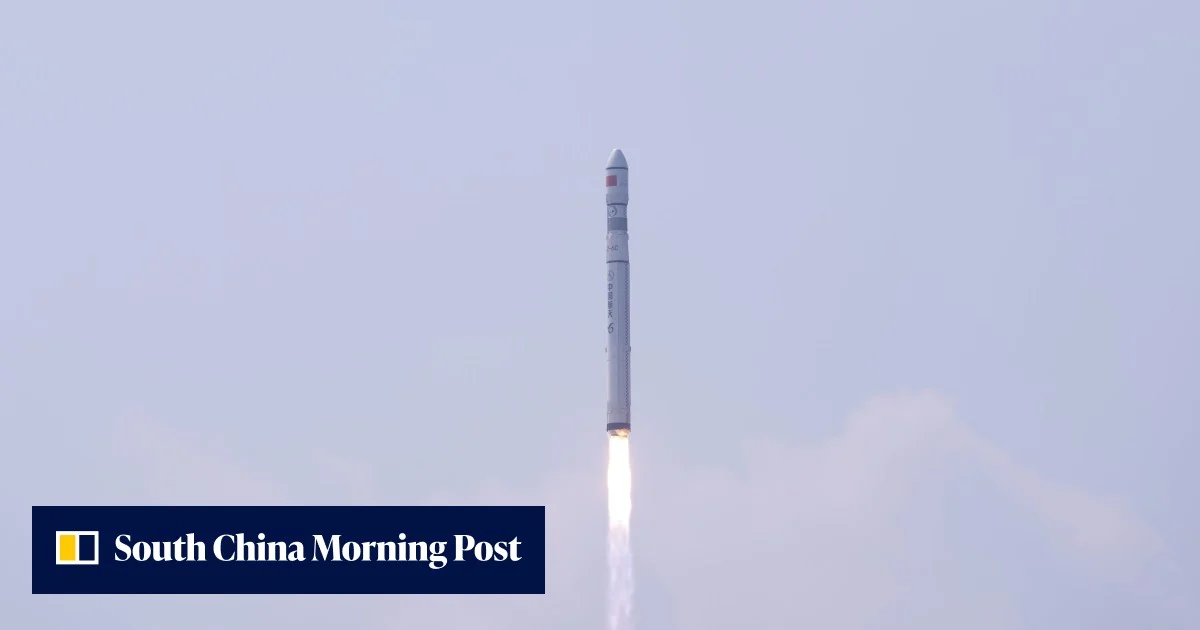
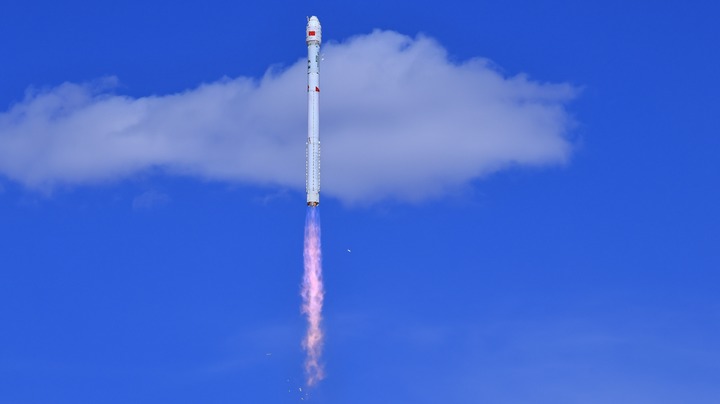
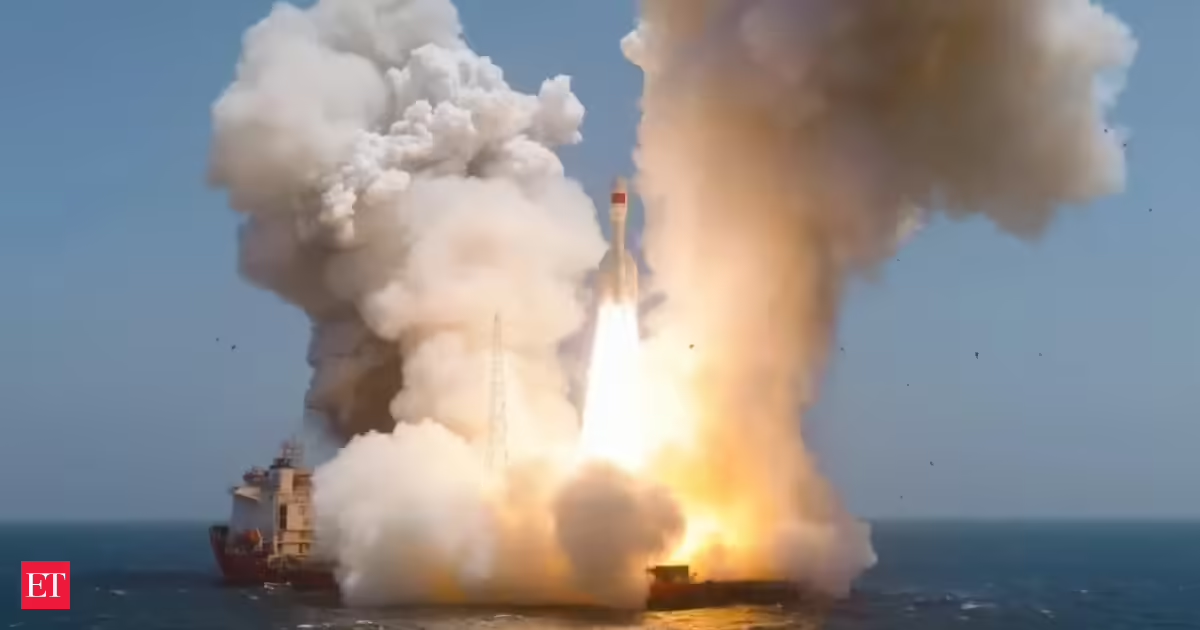
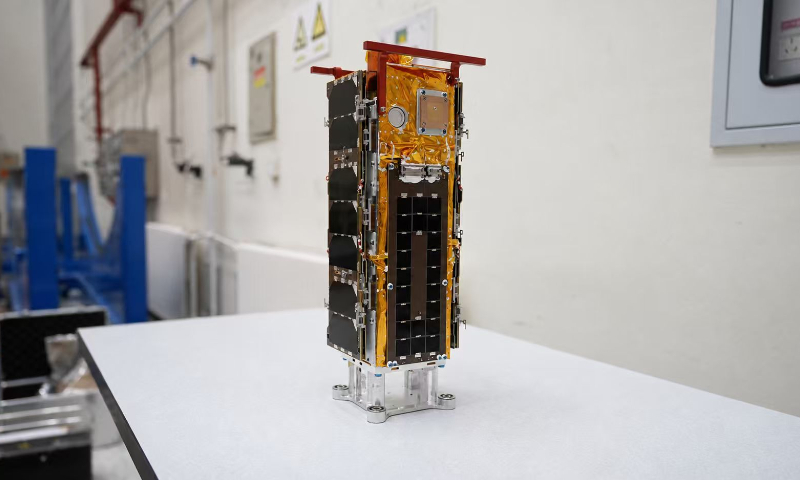
The Lingzhi-09 Thailand CubeSat, developed by Chinese commercial space company GalaxySpace Photo: Courtesy of GalaxySpaceChinese commercial space company GalaxySpace on Tuesday completed the development, launch, and on-orbit delivery of a complete satellite for Thailand's Geo-Informatics and Space Technology Development Agency (GISTDA). It marks the first time that a Chinese commercial space company has done so for a Southeast Asian country, demonstrating that Chinese private firms are now capable of providing overseas customers with integrated solutions covering satellite delivery, operations, and professional training, industry insiders said.At 11:21 am on Tuesday, a Long March-6C carrier rocket lifted off from the Taiyuan Satellite Launch Center in North China's Shanxi Province, successfully sending seven satellites into their preset orbits. Among them, three of the satellites were developed by GalaxySpace, including the Lingzhi-09 Thailand CubeSat.The Lingzhi-09 Thailand CubeSat was delivered to GISTDA, which is responsible for implementing Thailand's space technology and geo-informatics programs, and has led the development of the Thailand Earth Observation Satellite program.The satellite is designed to collect remote-sensing data for applications in land management, agriculture, and environmental monitoring. It will also support education and training at Thai universities in areas including satellite design and development, telemetry, tracking and control, and remote-sensing applications, GalaxySpace said in a statement sent to the Global Times on Tuesday. It is also the first time the company exported a complete satellite and ground system to a Belt and Road Initiative (BRI) partner country."In the satellite internet sector, Thailand has developed a certain level of industrial awareness and market readiness. With a clear demand and an emerging industrial ecosystem, the country is regarded as one of Southeast Asia's most promising space markets," a spokesperson of GalaxySpace told the Global Times, noting that Thailand is the first stop in the company's overseas expansion.He added that as the company expands international cooperation, the successful delivery and launch of the Lingzhi-09 Thailand CubeSat marks an important milestone in the coordinated development of the space industries of China and Thailand.With regard to the project, GalaxySpace provided GISTDA with an integrated solution covering the satellite, ground system, and capacity building. The Chinese company organized several intensive training programs in China for members of the Thai team and later dispatched specialists to Thailand to provide on-site instruction. The GalaxySpace spokesperson described the move as the first genuine full-chain export of technologies and capabilities covering "satellite-ground system-talent," which he said would help Thailand achieve advancement from practical satellite applications to systematic understanding, and move from "using satellites" to "understanding satellites.""This cooperation has demonstrated GalaxySpace's end-to-end overseas delivery capabilities and represents an international application of our engineering and systems capabilities. Building on this achievement, we will focus on expanding markets in BRI partner countries, steadily broaden our overseas industrial layout, and promote space technology globally," Liu Chang, co-founder of GalaxySpace, told the Global Times on Tuesday.Wang Yanan, editor-in-chief of the Beijing-based Aerospace Knowledge magazine, told the Global Times on Tuesday that the export could be seen as a "turnkey solution," in which a Chinese private firm not only provides hardware but also software support, including launch services, ground tracking, telemetry and command, personnel training, and technical support."There is rising global demand for such solutions, particularly in developing countries that are in dire need of space resources — whether for monitoring earthquakes, volcanoes and floods, or for applications in agriculture, communications and disaster relief," Wang noted.He predicted that there will be more diversified and targeted global demand for space resources. For example, some will focus on areas such as ground remote-sensing and agricultural plant protection, while others will require large-scale infrastructure, including low-Earth orbit Internet of Things constellations.How Chinese private space companies stand out in this global race will largely be determined by their ability to adapt to specific requirements, provide complete solutions, and ultimately offer competitive pricing. "This capability will be developed in parallel with improvements in the rockets' payload capacity and reusability," Wang stressed. As commercial space remains an emerging industry, complete satellite export projects led directly by private Chinese companies have been rare, yet the sector is developing at a markedly faster pace.In 2024, Oman's first artificial satellite OL-1 was successfully launched. Chinese private space company Star Vision led and implemented the satellite export project, marking the overseas delivery of China's first commercial satellite and ground system solution. Also, GalaxySpace successfully conducted communication tests in Thailand based on its Mini Spider, China's first low-Earth orbit broadband communication test constellation, in 2024.