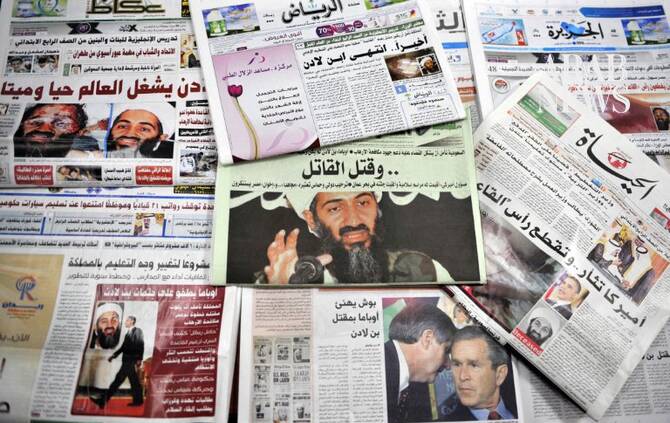
LONDON: On Aug. 24, Al-Riyadh, the Saudi daily, will stop its print edition after more than six decades of daily presence in the lives of Saudi and Arab readers. The newspaper will continue publishing digitally. The decision also applies to Al-Yamamah, the cultural and political magazine that predates Al-Riyadh by more than a decade.
The end of a newspaper’s print edition inevitably raises questions about the future of journalism. But we must first distinguish between two things: the end of a newspaper and the end of print. What is ending is the form in which we have become accustomed to receiving the newspaper each morning. Paper is leaving the scene, while the newspaper is attempting to begin a new life on digital platforms.
The growing number of newspapers abandoning print confirms that the economics of print journalism has reached a critical point — practically, a state of intensive care.
The reader who once waited for the newspaper each morning to discover what had happened in the world has changed. Today, news reaches readers before the newspaper has even opened its pages. Their phones tell them about events the moment they happen; social media platforms provide photographs, videos and comments; and news websites update their pages around the clock.