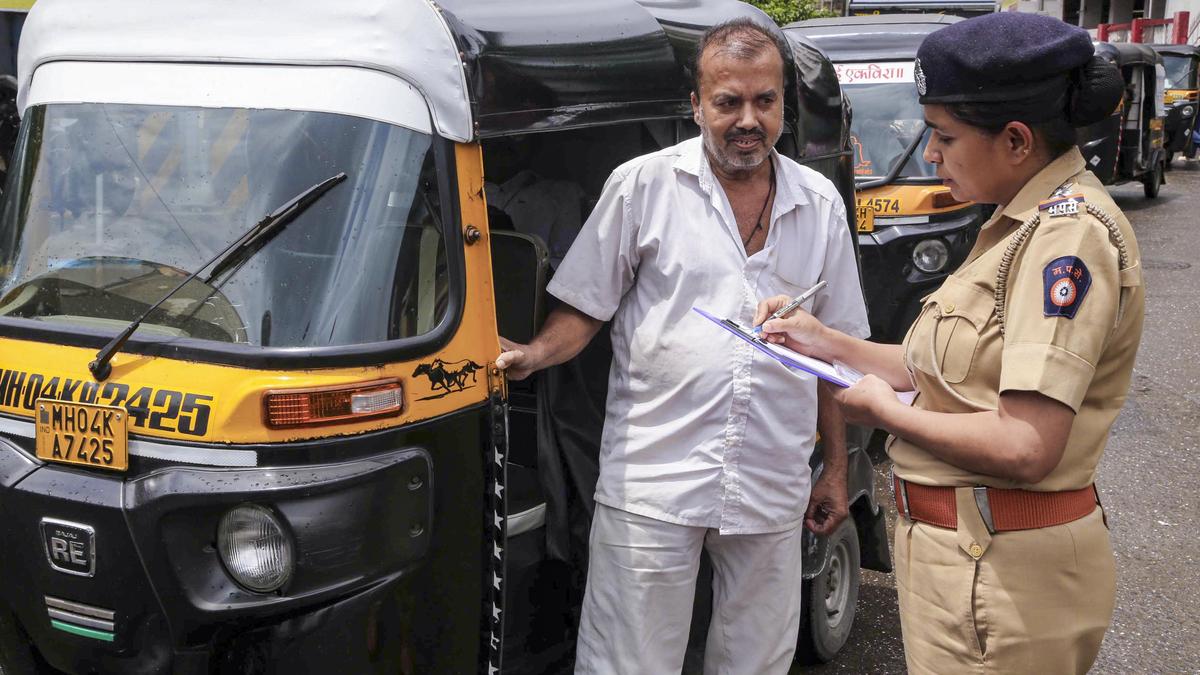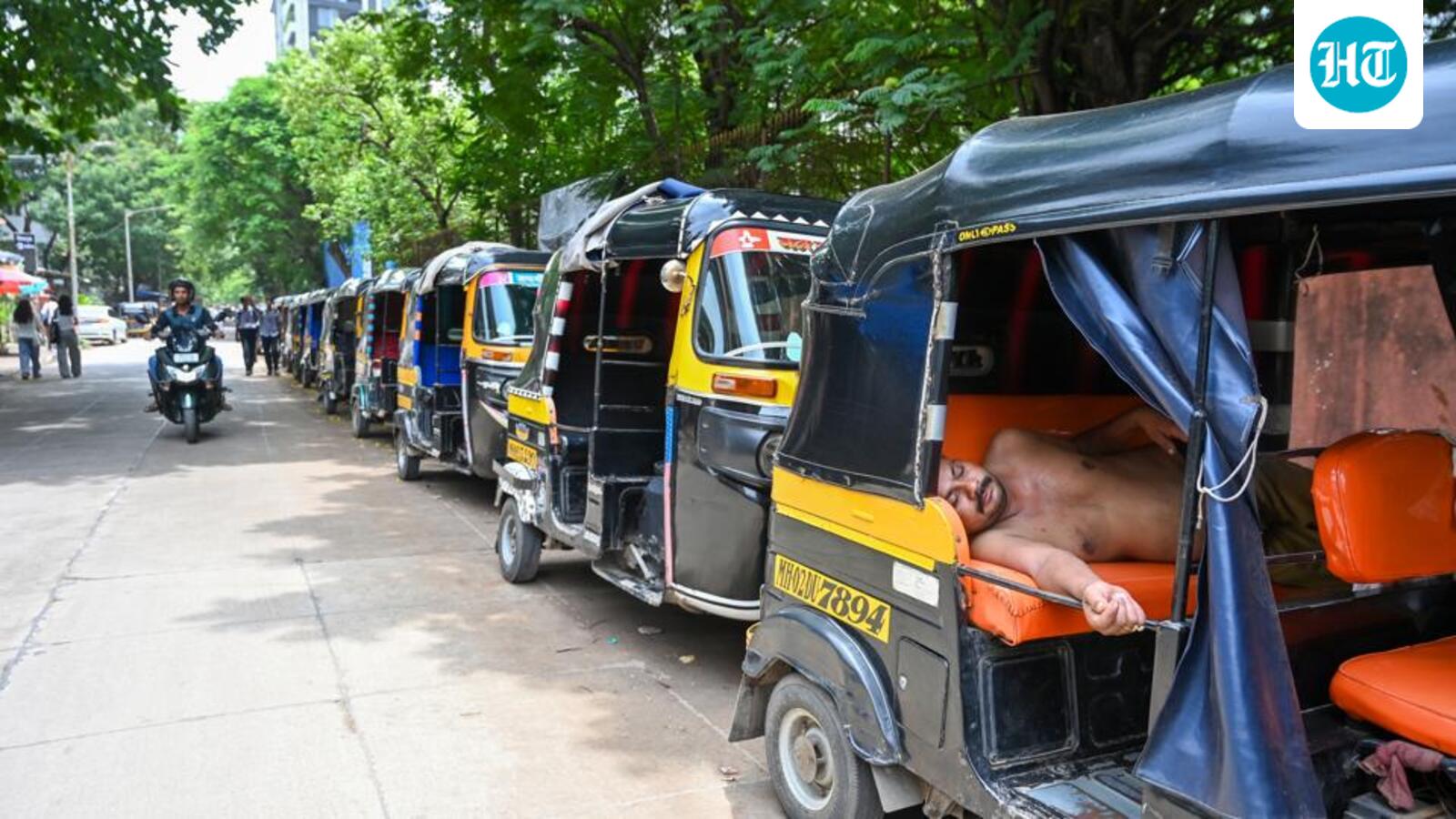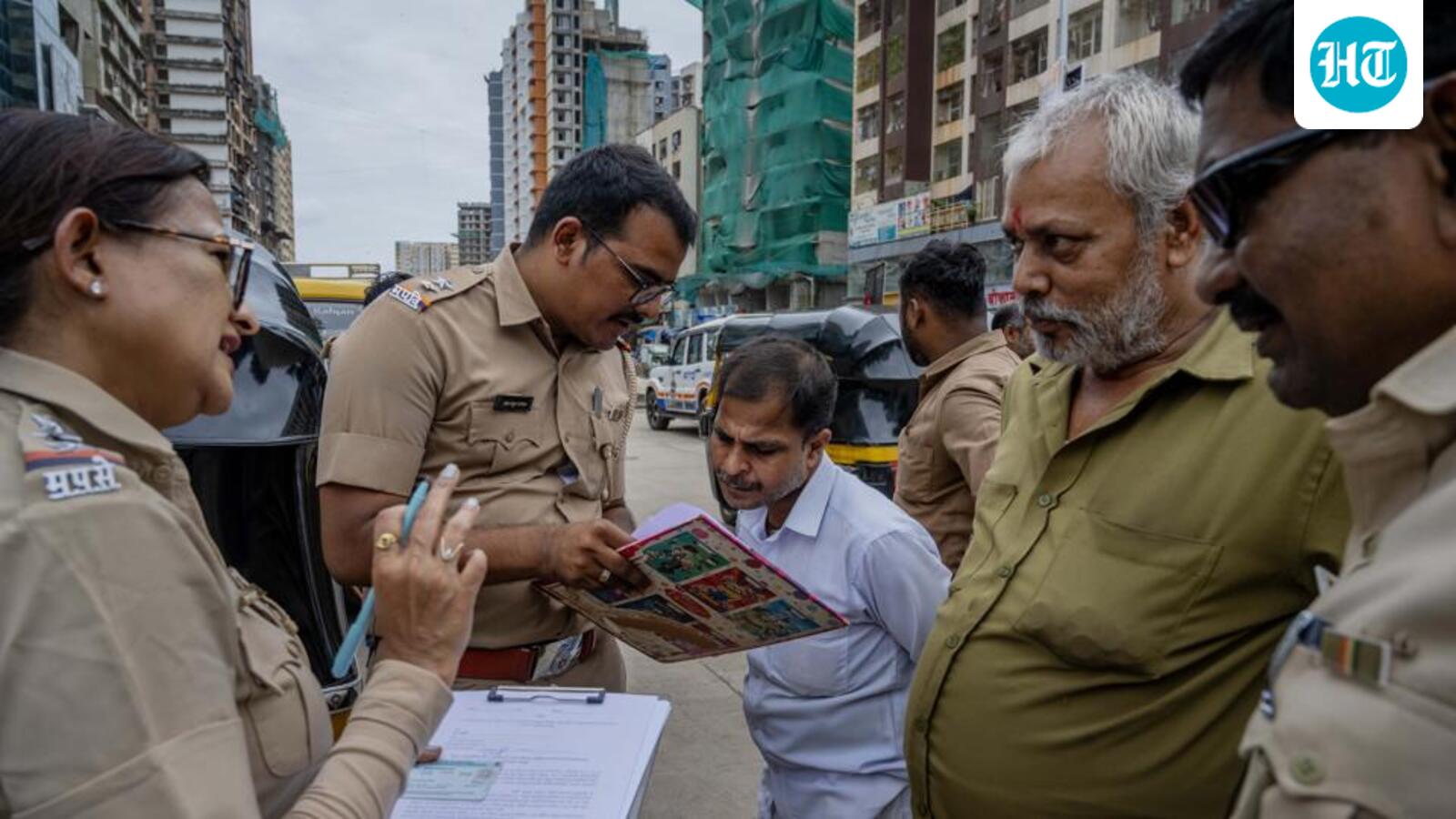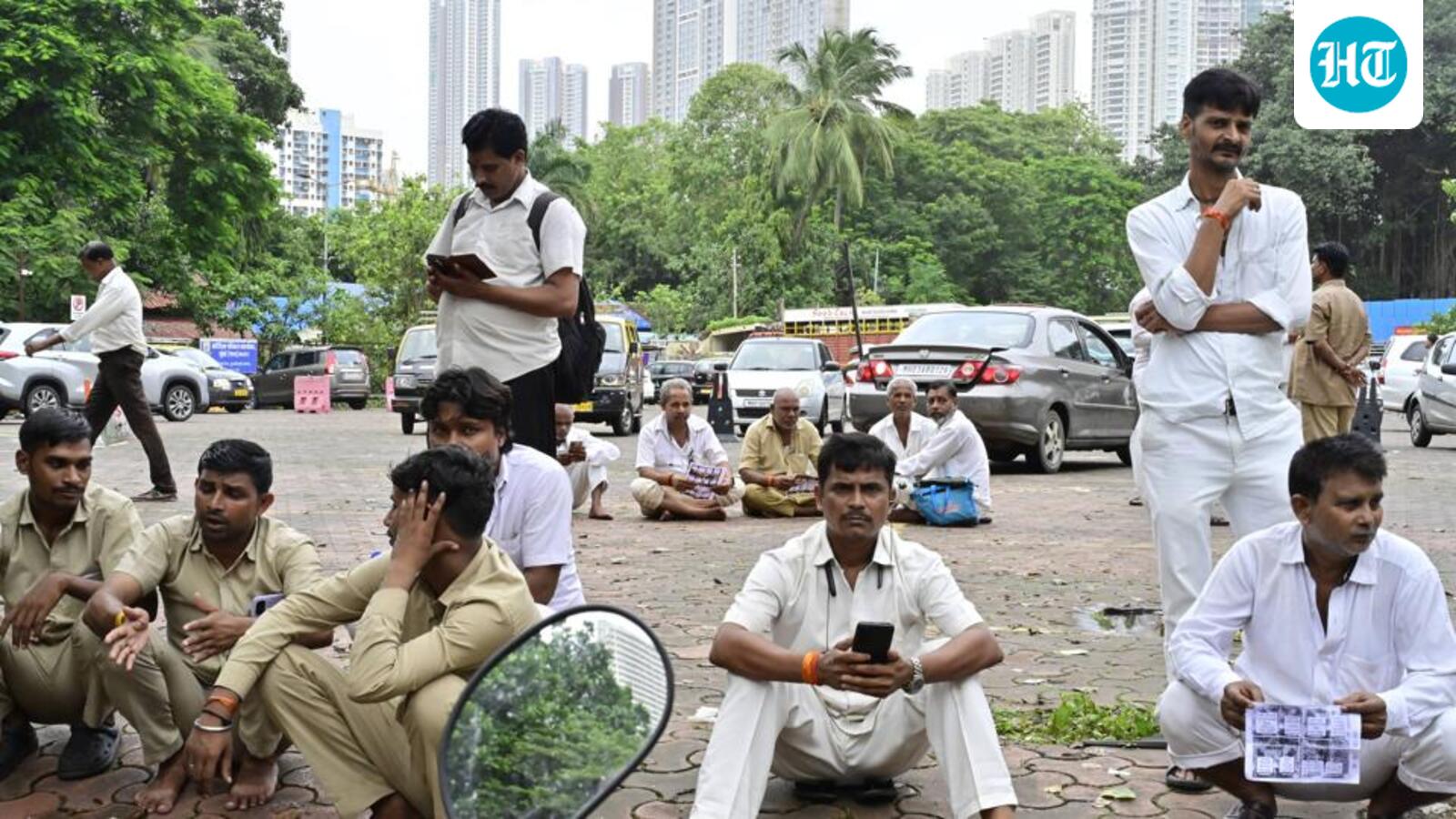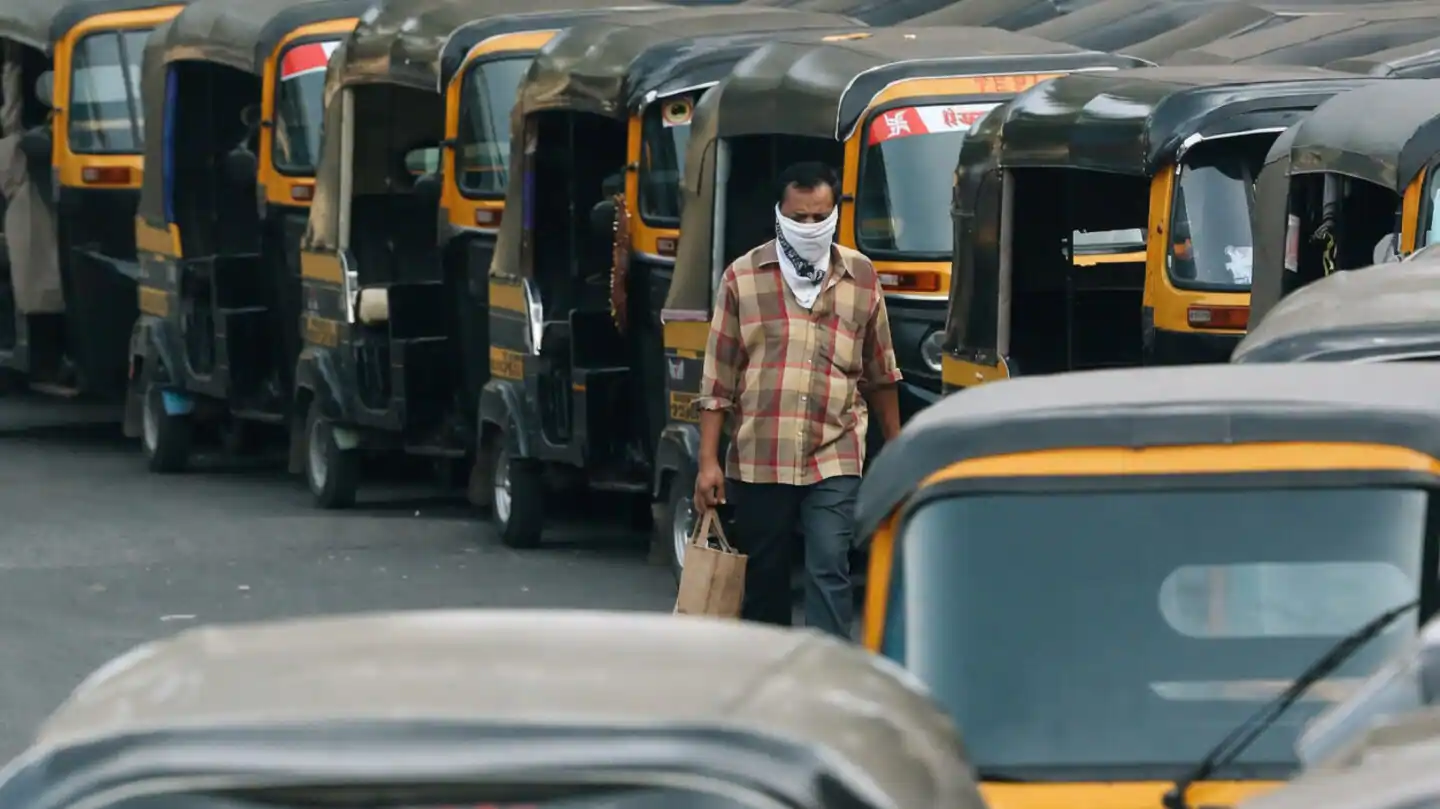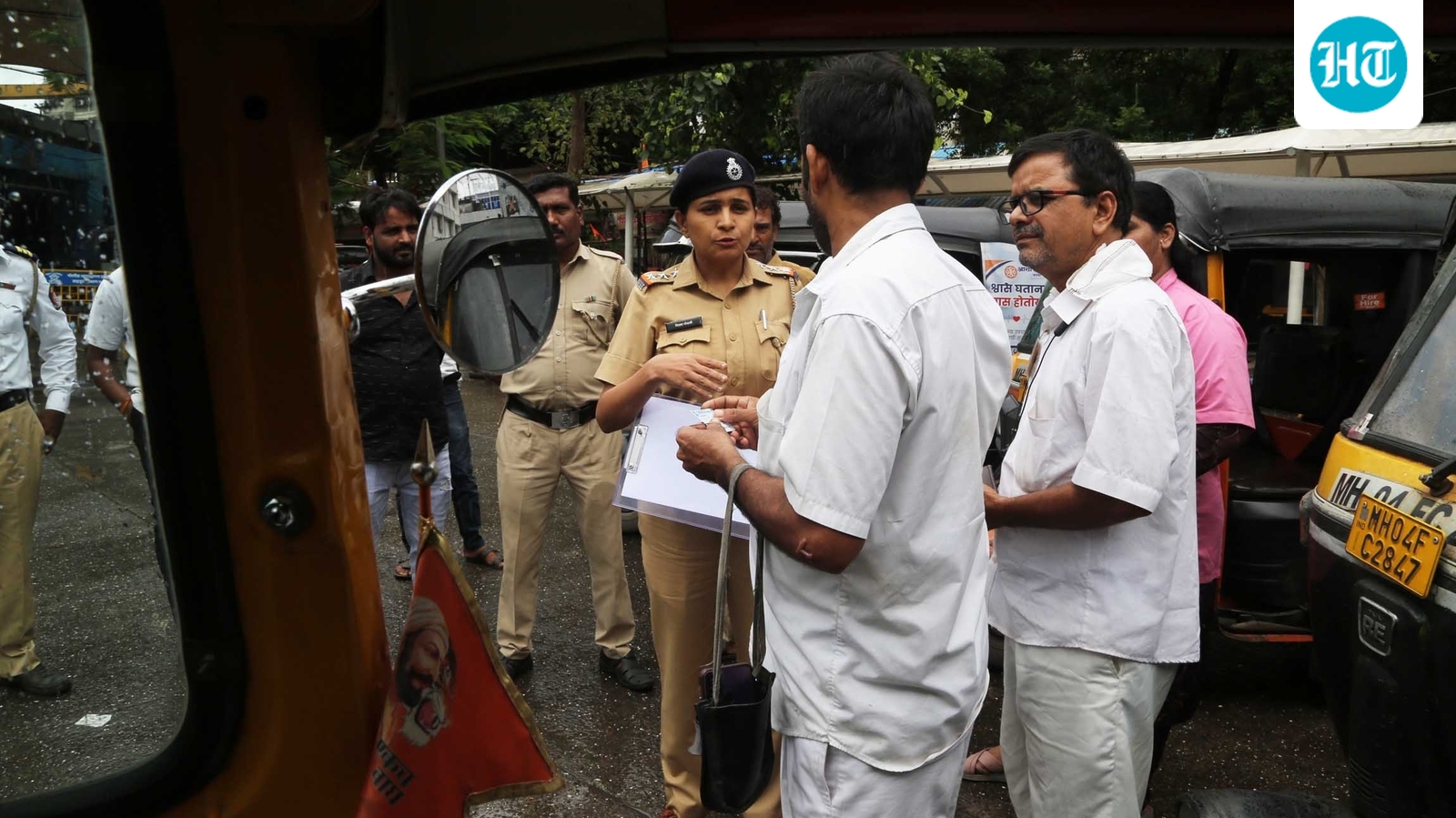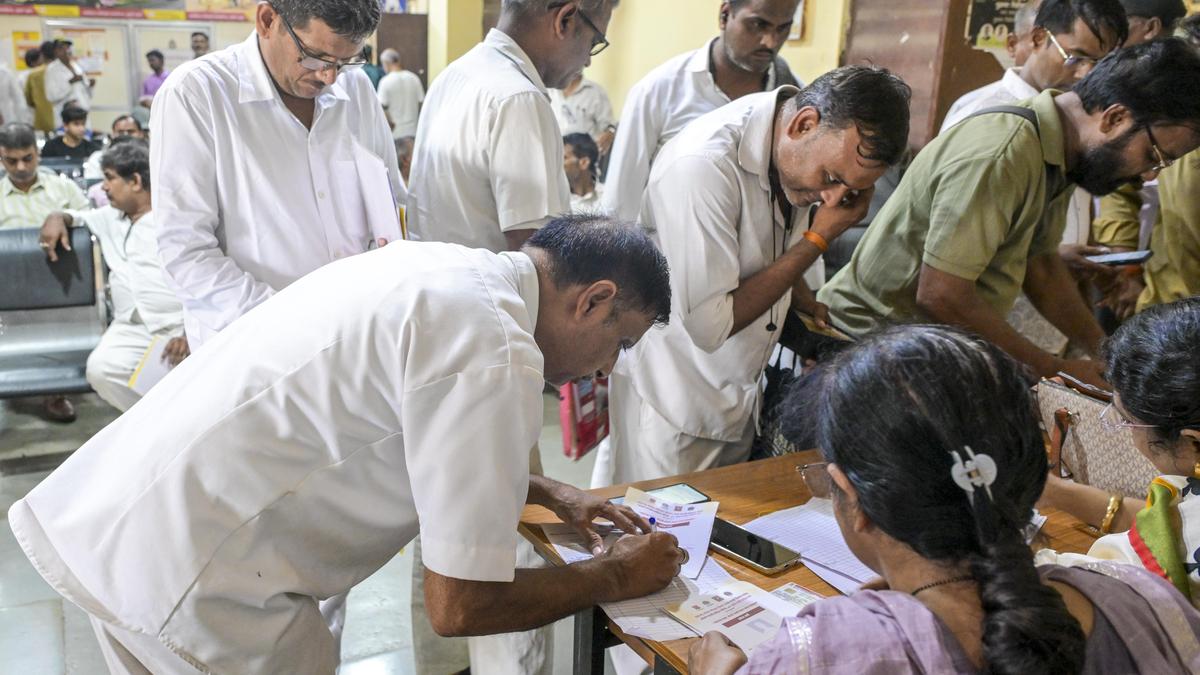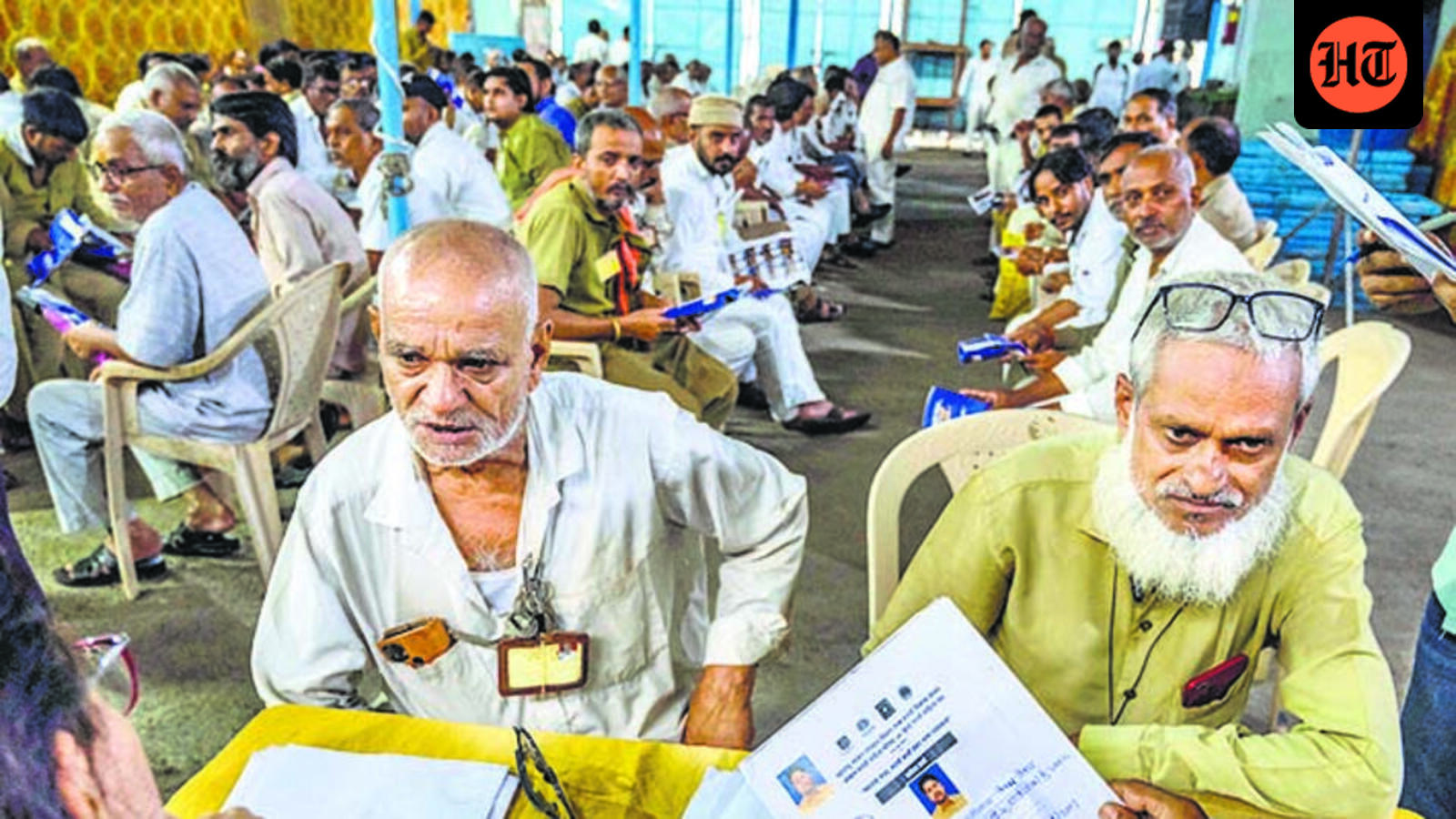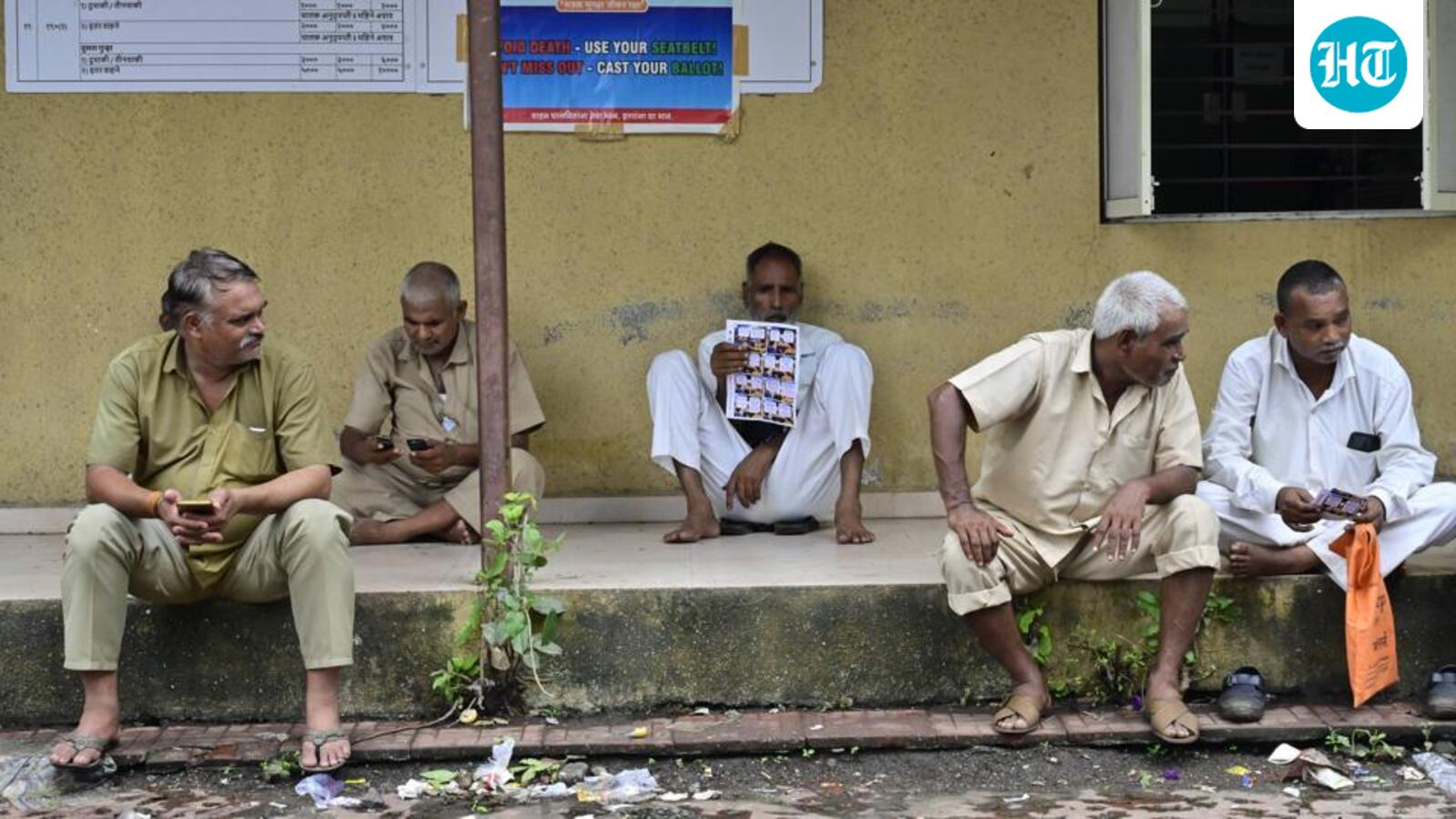
SynopsisMumbai’s auto-rickshaws reflect the city’s multilingual character, with drivers routinely switching between Hindi, Marathi, Malayalam, Tamil, Bengali, Gujarati and Hinglish.ET BureauMumbai's autowalas have always been the city's unofficial linguists - polyglots on three wheels and a rearview mirror who can switch from Hindi to Malayalam to Hinglish and back again faster than the traffic lights. So, when they were told that they must all learn Marathi, else... a section of them understandably hit the brakes by calling a flash strike on Monday. After all, forcing linguistic uniformity on Mumbai is like asking the Arabian Sea to speak only Arabic. A Mumbai auto ride's charm lies not just in its Muqaddar ka Sikandar-along-Marine Drive zigzagging, but in its multilingual soundtrack. A Gujarati passenger can find comfort in a driver who greets her with a 'Kem chho?' A Tamilian might beam at a 'Vanakkam!' And a Bengali might feel cosy with a 'Kemon achhen?' Before all three unite in the universal Mumbai phrase, 'Meter se chalo, boss.'Non-Marathi autowalas don't dilute Mumbai's identity but amplify it. They make the city's chaos comprehensible to outsiders, turning every ride into a mini-cultural exchange programme. Mumbai's strength has always been its ability to absorb. Its autos are rolling ambassadors of that spirit. So, let's not turn the city's most democratic vehicle into a linguistic exam hall. The only language that truly matters on Mumbai's roads is the one spoken fluently by every driver and passenger alike: survival. ...moreElevate your knowledge and leadership skills at a cost cheaper than your daily tea.Subscribe Now
Mumbai autowalas' multilingual meter - The Economic Times
Mumbai’s auto-rickshaws reflect the city’s multilingual character, with drivers routinely switching between Hindi, Marathi, Malayalam, Tamil, Bengali, Gujarati and Hinglish.
256 words~1 min read