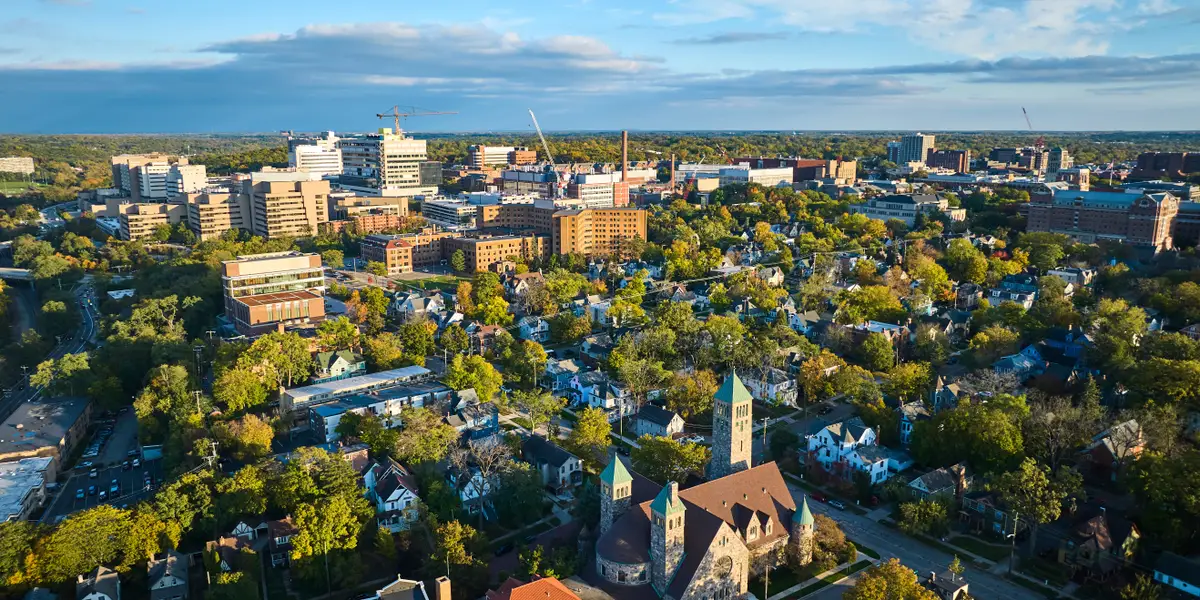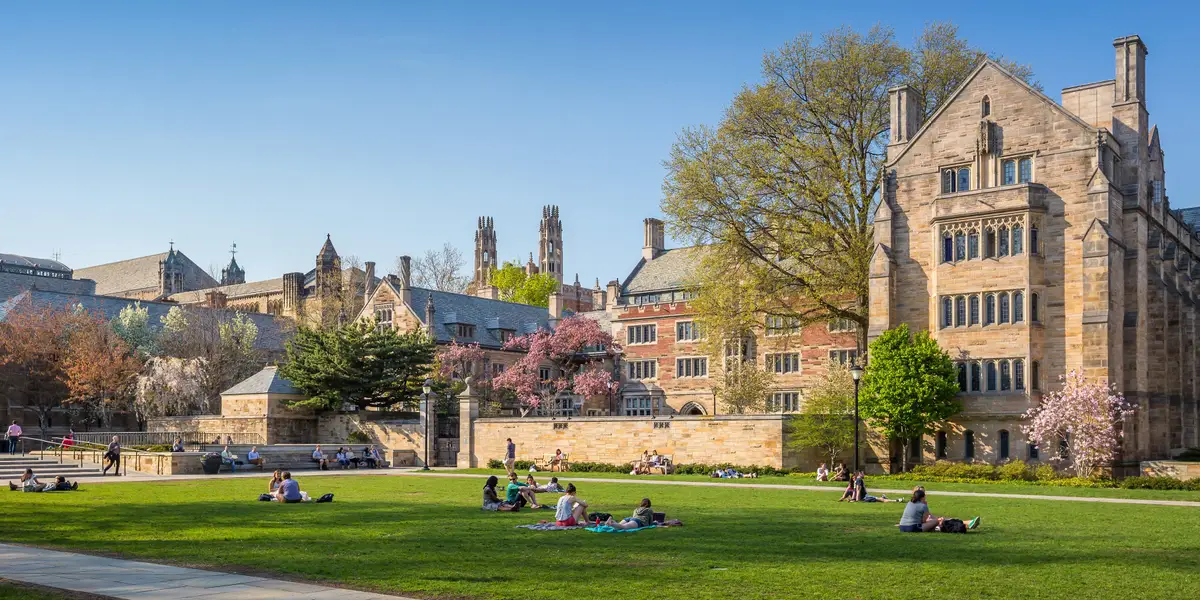
Choosing where to go for college can be one of the biggest financial and personal decisions teenagers and their families make. It can shape their access to alumni networks, research opportunities, and internships, as well as their careers going forward.For some, moving away for a stronger academic program or better long-term earnings potential is worth the cost and the distance. For others, the sticker shock of tuition at out-of-state schools and the costs of moving away from home make in-state options much more appealing.The good news for both kinds of students is that quality education is available across the US, whether it's in the big cities or tucked away in charming college towns.Every year, US News & World Report ranks universities across the US and compares the quality of their offerings to students in categories such as academic disciplines and overall value.For this story, Business Insider consulted the publication's 2026 Best National Universities ranking, which evaluated 434 schools using up to 17 measures of academic quality. The ranking looked at school-reported and third-party data like graduation and retention rates, graduates' debt loads and earnings, faculty and financial resources, and admissions selectivity, among others.The list, while broad, doesn't include liberal arts colleges focused on undergraduate education, like Amherst College or Pomona College, or regional universities with limited doctoral programs.Critics of US News & World Report's lists have said they can put pressure on schools to perform well in certain categories to boost their perceived prestige, and that important non-quantifiable factors that determine how good a school is may not be well represented in the publication's method.US News has defended its rankings as a useful resource for students and families."Our rankings don't capture every nuance," US News & World Report executive chairman and CEO Eric Gertler wrote in a 2023 Wall Street Journal op-ed after a coalition of law and medical schools decided to boycott the list by not submitting their data."Academic institutions aren't monolithic or static; comparing them across a common data set can be challenging," Gertler continued. "But we reject our critics' paternalistic view that students are somehow incapable of discerning for themselves from this information which school is the best fit."The rankings have also been at the center of legal controversies. In one case, the former dean of Temple University's business school was convicted of fraud after prosecutors said false and manipulated data were submitted to the publication to boost the school's online MBA ranking.Still, its rankings remain one barometer for school standards and can indicate particular strengths at institutions across the country.We identified the highest-ranking school in each state on the 2026 list. See which university topped the list in your state.
The best university or college in every US state
Choosing where to go for college can be one of the biggest decisions teenagers and their families make. Here's the best college in your state.
4,630 words~21 min read