Published August 25th, 2026 - 16:13 GMT
Highlights
urkey has strongly opposed Israeli military operations in Syria, while U.S. officials have also expressed concern over the escalation. The dispute has unfolded as Israel’s government frames Turkey and President Recep Tayyip Erdogan as security threats
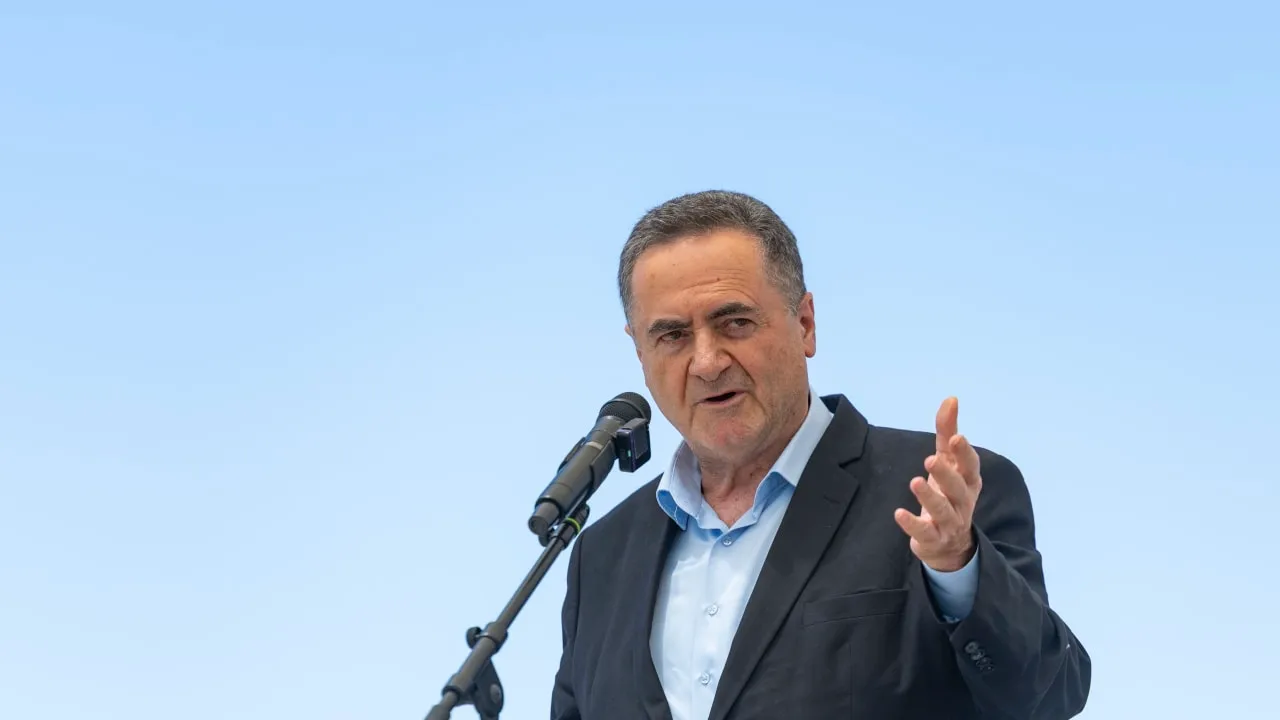
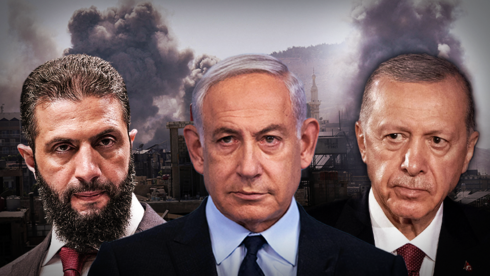
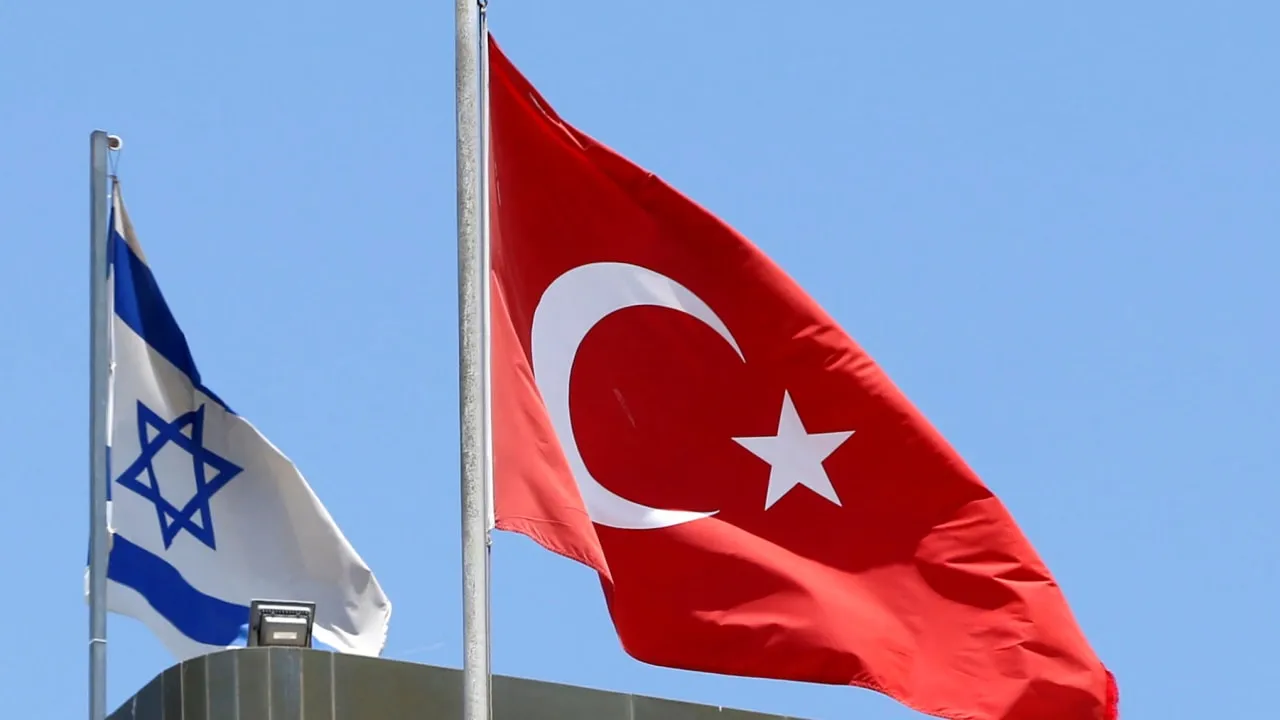
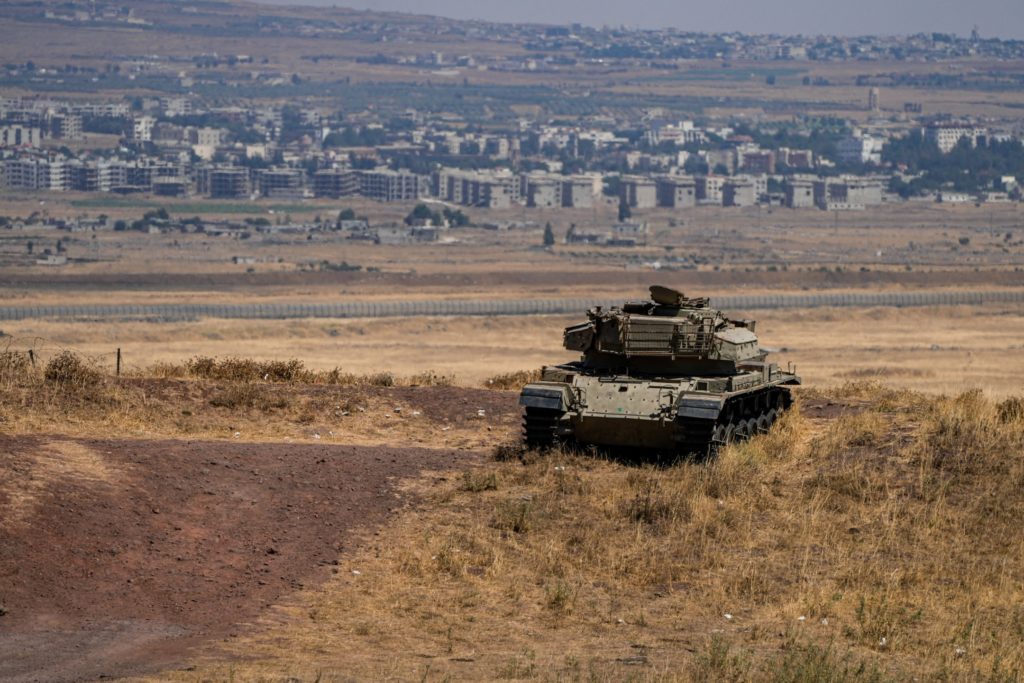
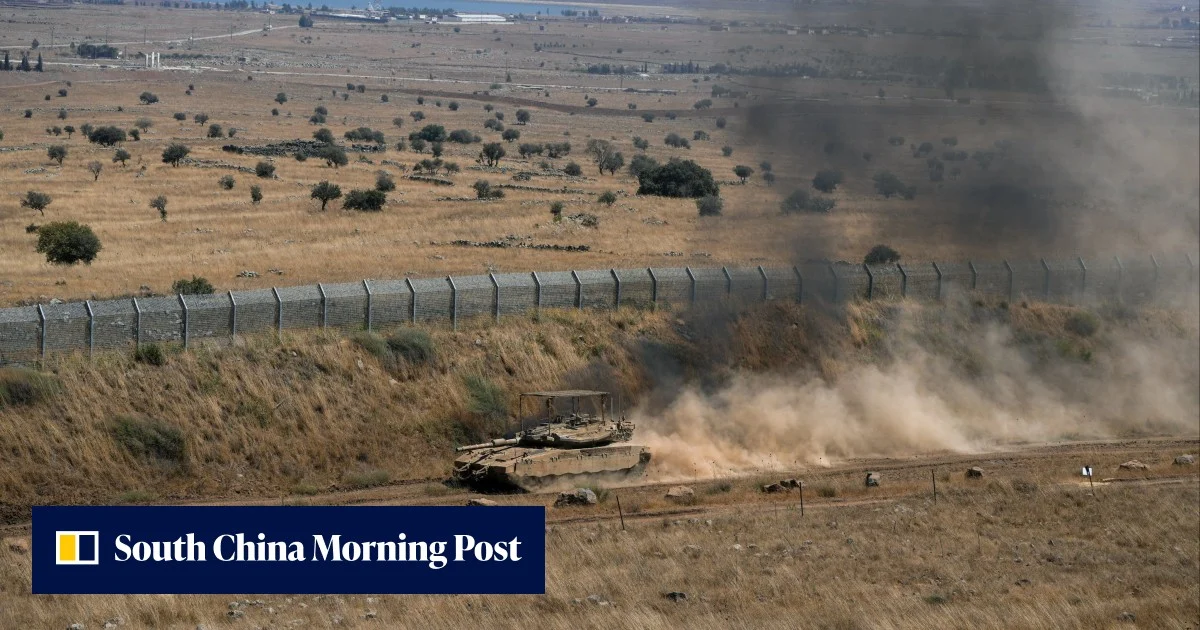
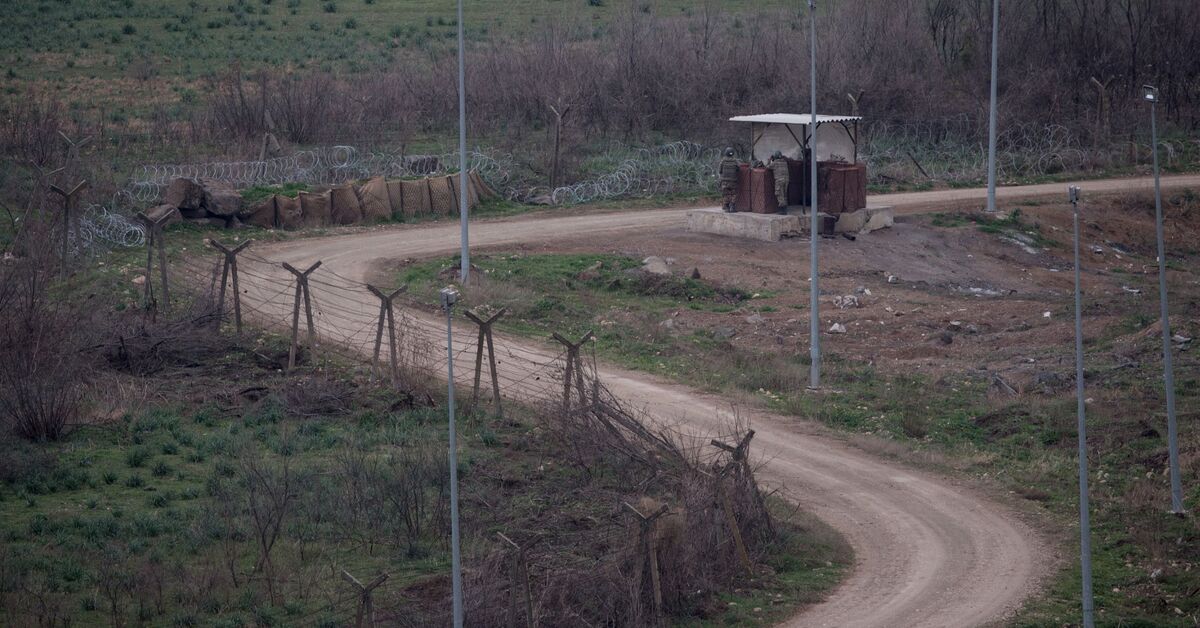
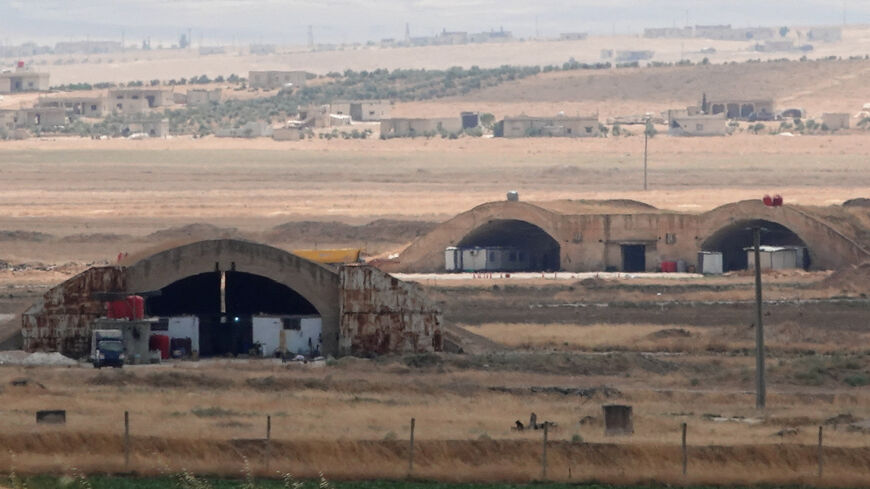
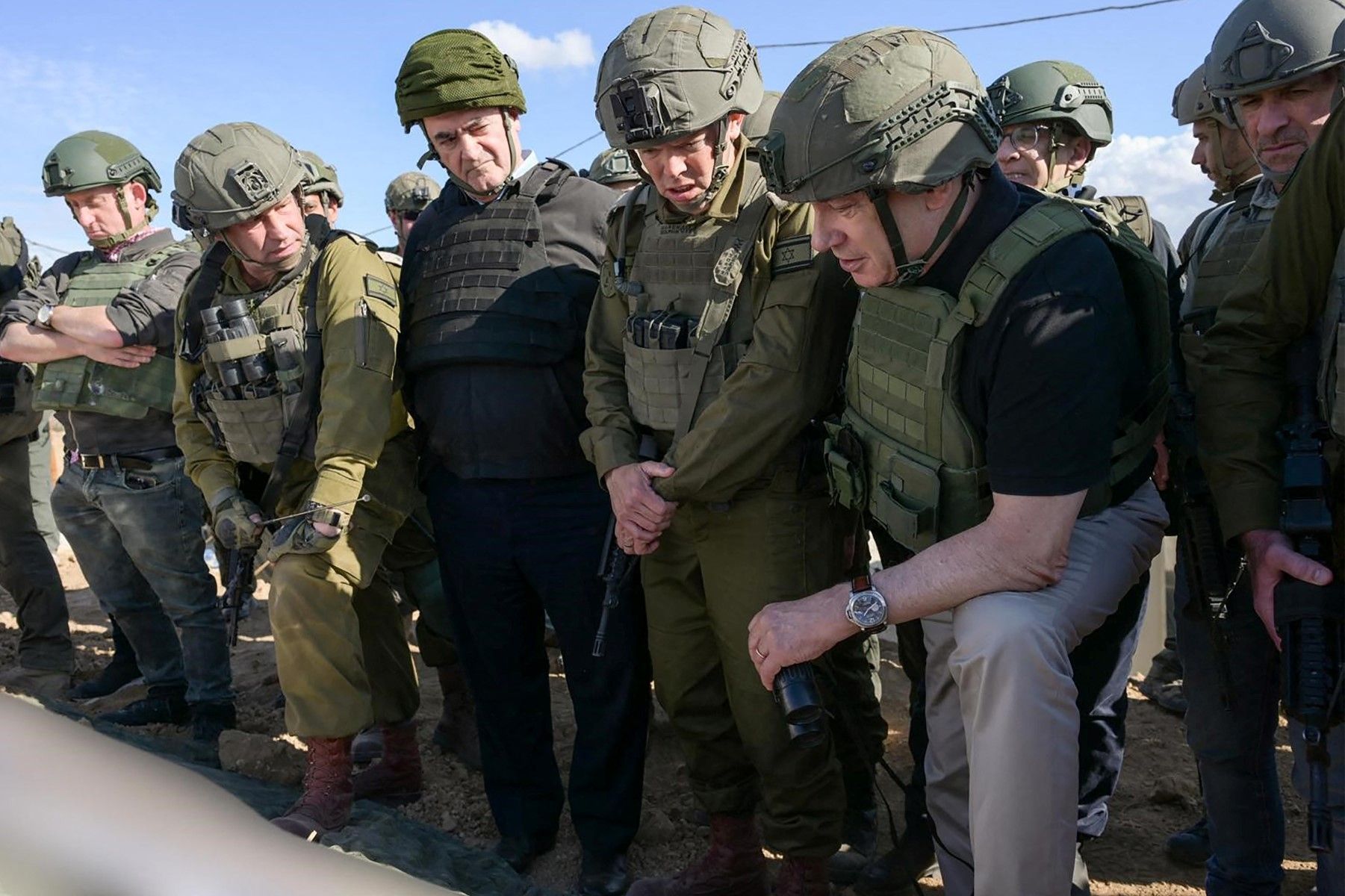
ALBAWABA- Just two days after Syria and Israel held high-level, U.S.-mediated talks in Amman aimed at reducing tensions, Israeli Defense Minister Israel Katz visited Israeli forces stationed on the Syrian side of Mount Hermon, sending a pointed message to Damascus and a warning to Ankara. The visit underscored the widening gap between diplomatic efforts to de-escalate tensions and Israel’s continuing military presence and operations inside Syrian territory. Speaking during the visit on Tuesday, Katz told Syrian President Ahmed al-Sharaa that Israeli forces would remain on Mount Hermon and in the security zone as long as Israel considered there to be threats emanating from Syria. “When you wake up in the morning in the palace in Damascus and look up at Mount Hermon and see the IDF, you know that we are here to protect our communities and our border,” he said. He added that Israel had acted against what it described as a Turkish attempt to establish a military foothold in Syria and would continue to oppose such efforts. Syria's Foreign Ministry condemned Israeli Defense Minister Israel Katz's entry across Syria's international borders, calling it a violation of sovereignty, a breach of the 1974 disengagement agreement, and called on the international community to compel Israel's immediate and… pic.twitter.com/YYDJDyN5Sv— Levant24 (@Levant_24_) August 25, 2026 Katz’s visit came days after Israeli army chief Eyal Zamir inspected forces in the same area and followed Israel’s August 18 airstrike on the Abu al-Duhur military base in northwestern Syria. Israel said the strike was intended to prevent Turkey from establishing a military presence at the site, while Ankara rejected the Israeli characterization. The attack intensified an already growing Israeli-Turkish confrontation over competing security and strategic interests in post-Assad Syria.Israel’s actions have also raised concerns that its rivalry with Turkey could turn Syrian territory into a new arena for regional confrontation. Turkey has strongly opposed Israeli military operations in Syria, while U.S. officials have also expressed concern over the escalation. The dispute has unfolded as Israel’s government increasingly frames Turkey and President Recep Tayyip Erdogan as security threats. The timing has added a clear domestic political dimension. With Israel’s October 27 election approaching, Prime Minister Benjamin Netanyahu’s Likud party has featured Erdogan alongside Iranian Supreme Leader Mojtaba Khamenei, Hezbollah leader Naim Qassem and New York Mayor Zohran Mamdani on campaign billboards bearing the message, “They want Netanyahu to lose. Don’t let them win.” The imagery situates Erdogan within a broader political narrative that portrays Netanyahu as confronting a coalition of external and ideological threats, potentially helping to consolidate his security-focused voter base. Against this backdrop, Katz’s conspicuous visit to Mount Hermon and his direct warning to Turkey can be seen as both a military signal and part of an increasingly confrontational political discourse ahead of the election. Meanwhile, Israel continues to maintain forces in occupied Syrian territory, including positions within and around the former UN-patrolled buffer zone established under the 1974 Disengagement Agreement. Jordan has called for Israel to withdraw from occupied Syrian territory and respect the agreement. The broader message from Israeli officials has also extended to the occupied West Bank, where Israel’s ambassador to the United Nations has rejected the description of the territory as occupied and invoked historical and biblical claims to justify Israeli rights to the land. Such statements, alongside Israel’s expanding military presence in Syria and its increasingly direct confrontation with Turkey, point to a broader hardening of Israeli regional policy at a moment when Washington and regional actors are seeking to contain escalation.