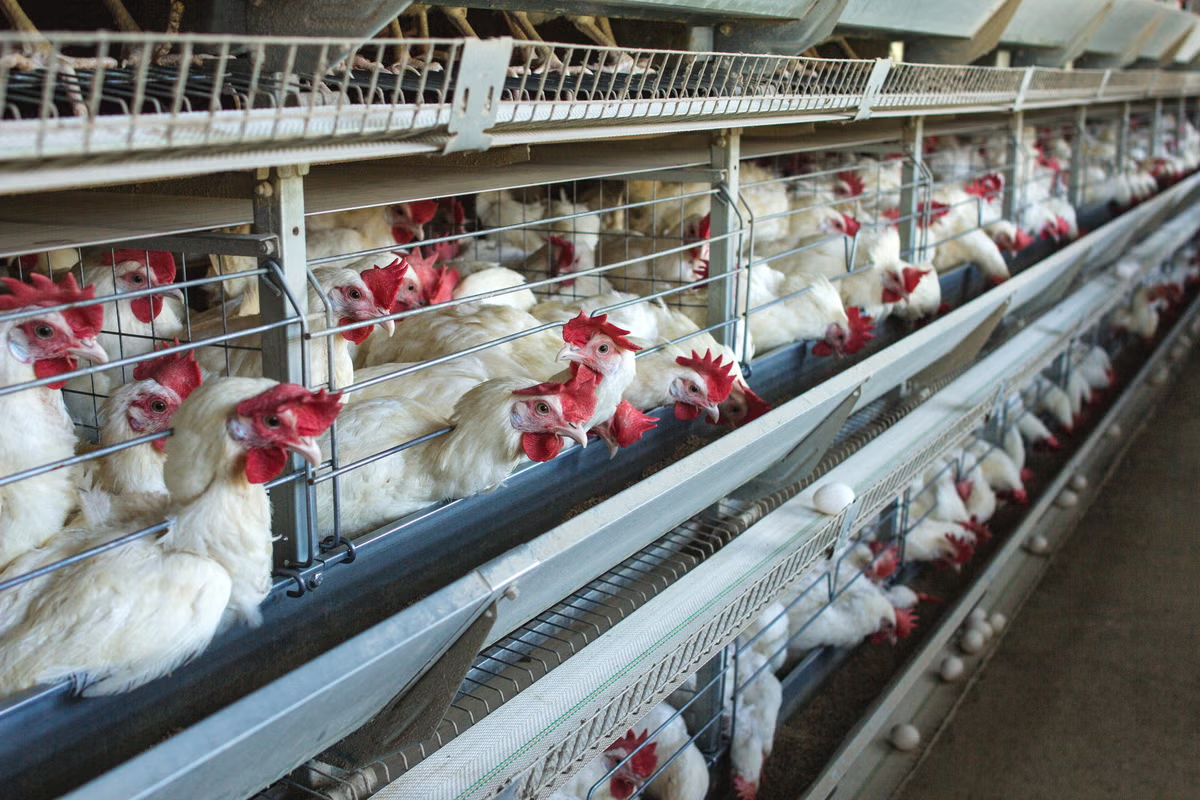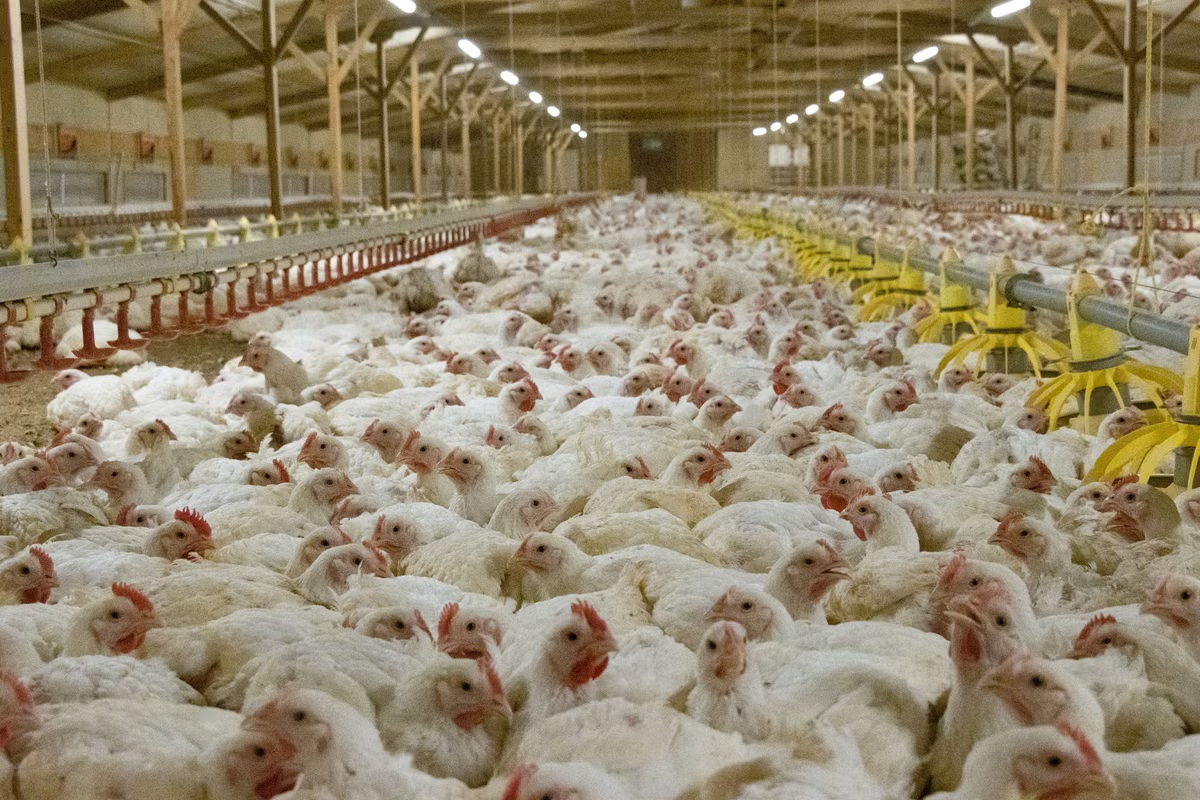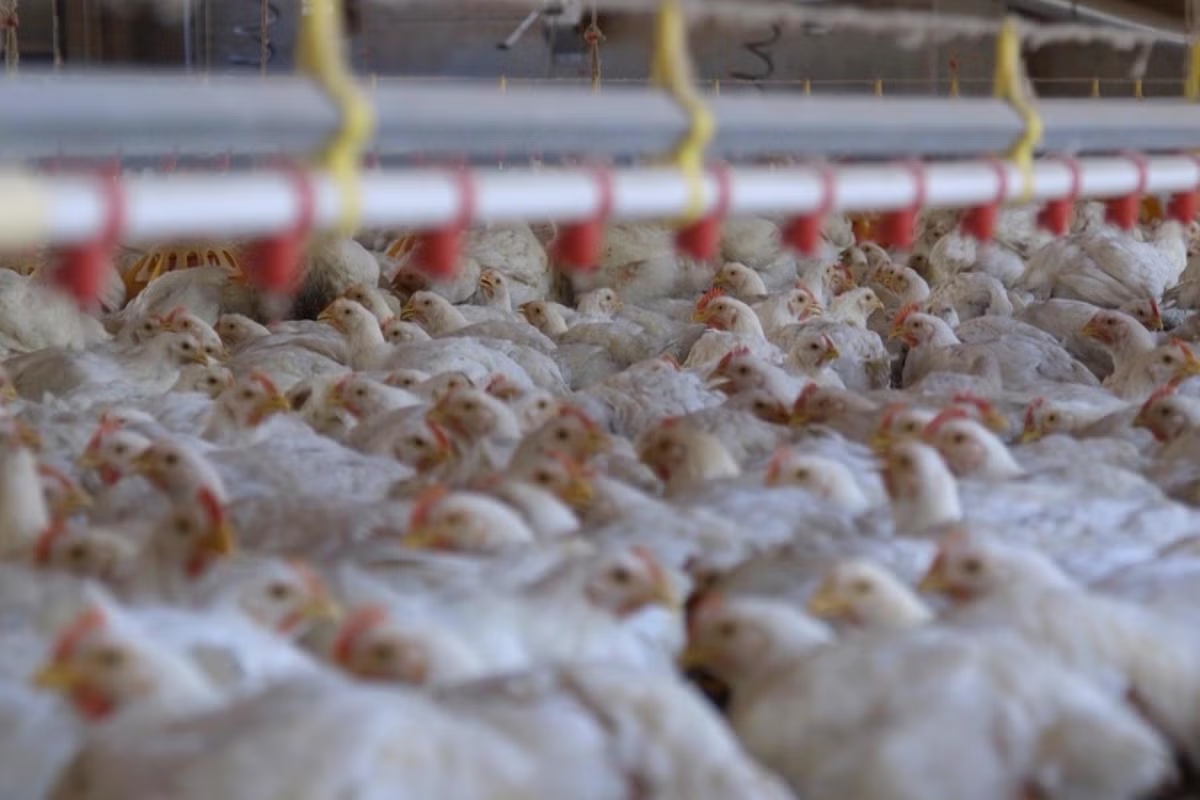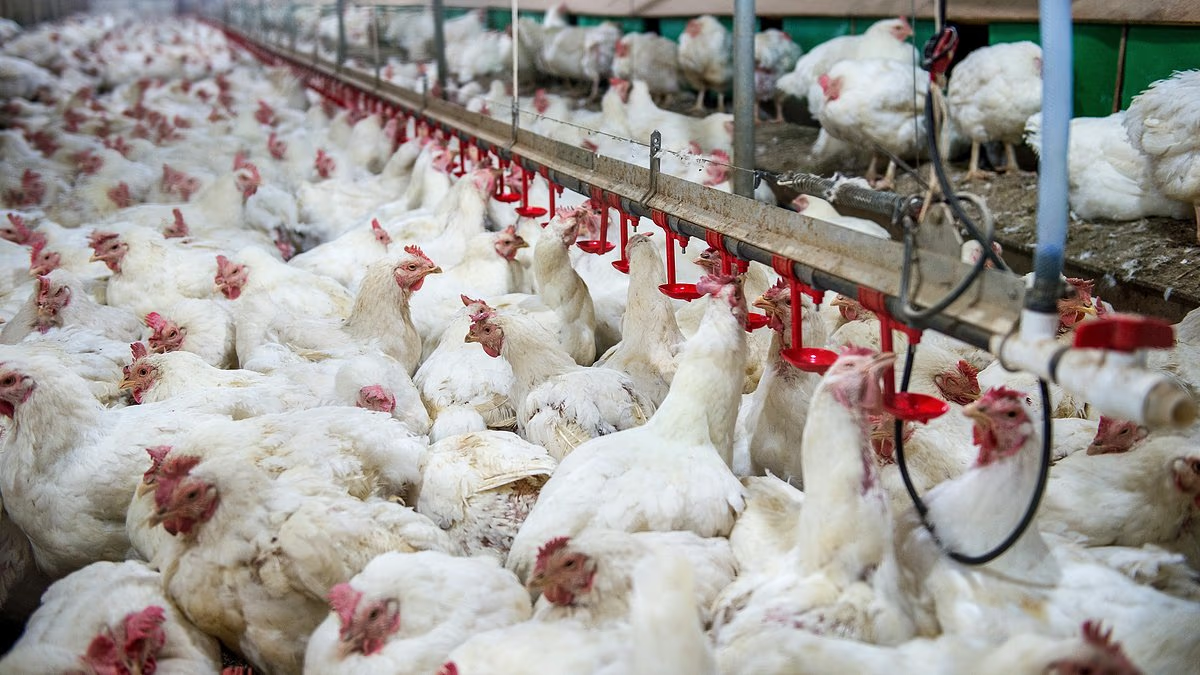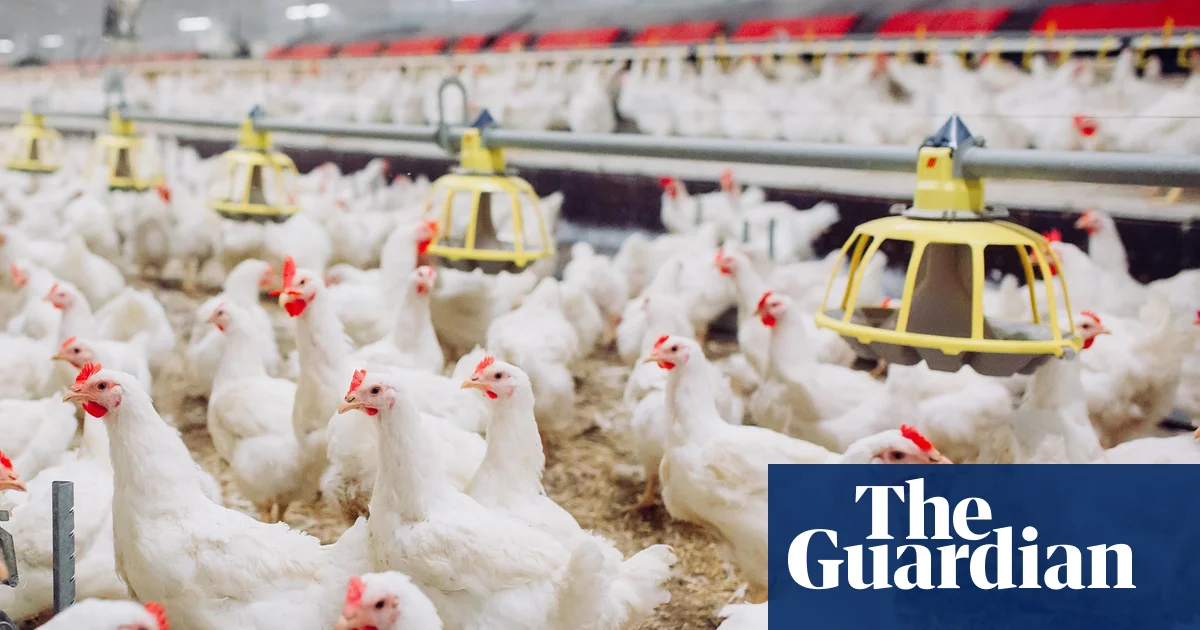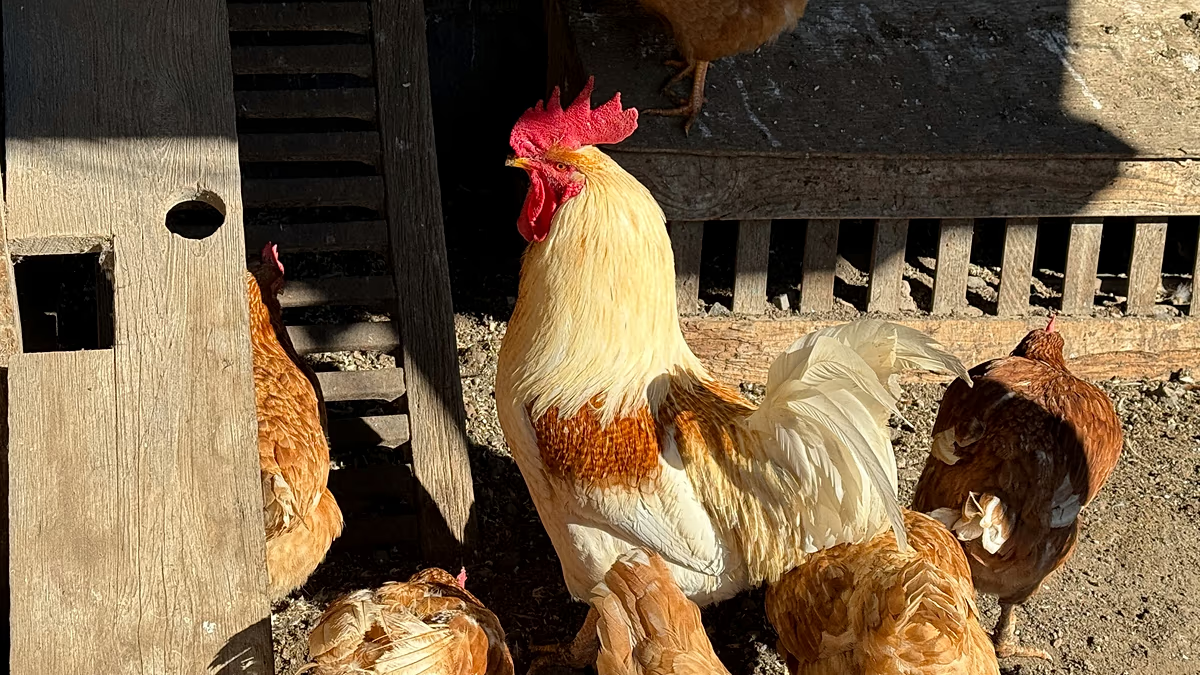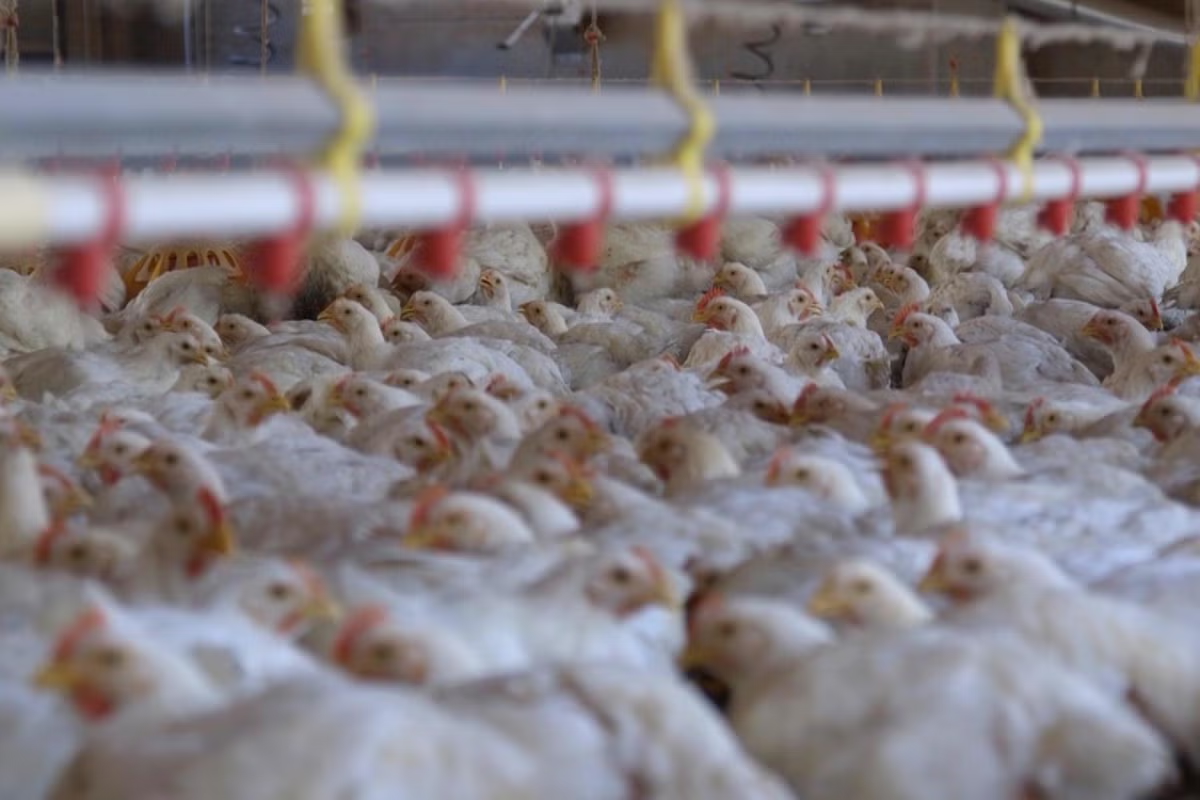
Jump to contentAllNewsSportCultureLifestyleResearch from the University of Oxford has revealed that industrial factory farming and densely populated chicken flocks in the UK increase the risk of campylobacter bacteria spreading by more than 100-fold. Campylobacter is the UK's most common bacterial cause of food poisoning, causing over 3.5 times as many gastroenteritis cases each year as all other monitored foodborne bacteria combined. The RSPCA is calling on the UK government, food companies, and supermarkets to urgently adopt slower-growing chicken breeds to curb human infection rates. Standard fast-growing meat chickens suffer from severe health issues and weak immune systems, whereas slower-growing, higher-welfare breeds are better equipped to resist bacterial infections. Transitioning to higher-welfare poultry farming could help ease strain on the NHS and mitigate risks from antimicrobial resistance, which makes campylobacter progressively harder to treat. In fullRSPCA reveals ‘secret weapon’ to tackling common cause of food poisoningMore bulletinsThank you for registeringPlease refresh the page or navigate to another page on the site to be automatically logged inPlease refresh your browser to be logged in
How factory farming is increasing the risk of common food poisoning
Jump to contentAllNewsSportCultureLifestyleResearch from the University of Oxford has revealed that industrial factory farming and densely populated chicken flocks in the UK increase the risk of campylobacter bacteria spreading by more than 100-fold. Campylobacter is the UK's most common bacterial cause of food poisoning, causing over 3.5 times as many gastroenteritis cases each year as all other monitored foodborne bacteria combined. The RSPCA is calling on the UK government, food companies, and supermarkets to urgently adopt slower-growing chicken breeds to curb human infection rates. Standard fast-growing meat chickens suffer from severe health issues and weak immune systems, whereas slower-growing, higher-welfare breeds are better equipped to resist bacterial infections. Transitioning to higher-welfare poultry farming could help ease strain on the NHS and mitigate risks from antimicrobial resistance, which makes campylobacter progressively harder to treat. In fullRSPCA reveals ‘secret weapon’ to tackling common cause of food poisoningMore bulletinsThank you for registeringPlease refresh the page or navigate to another page on the site to be automatically logged inPlease refresh your browser to be logged in