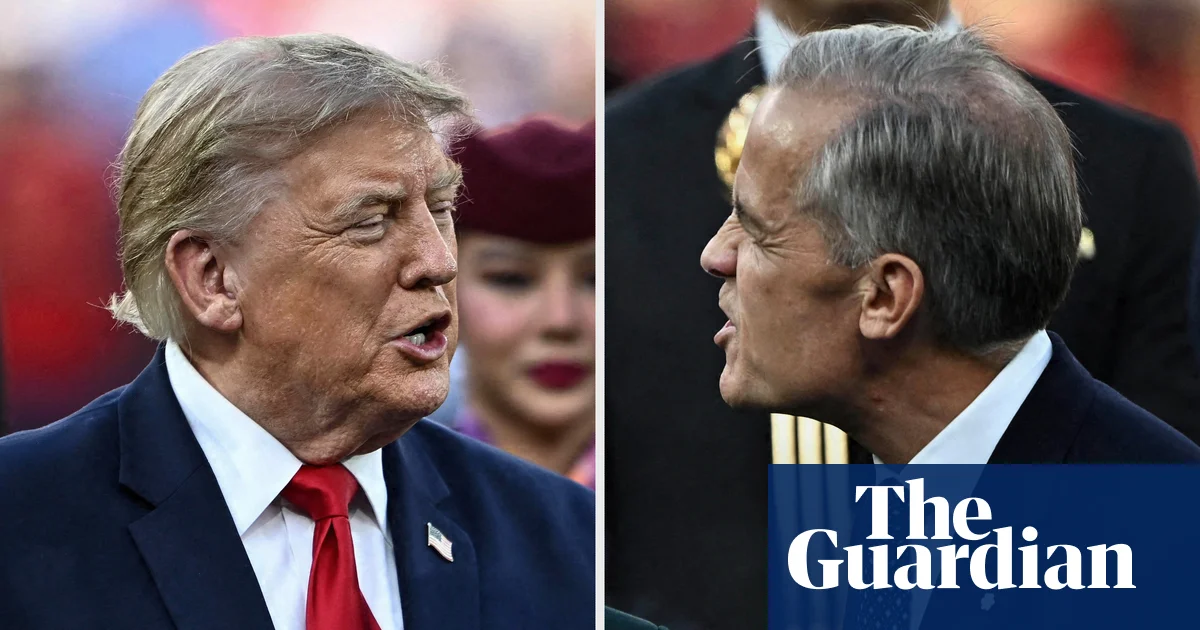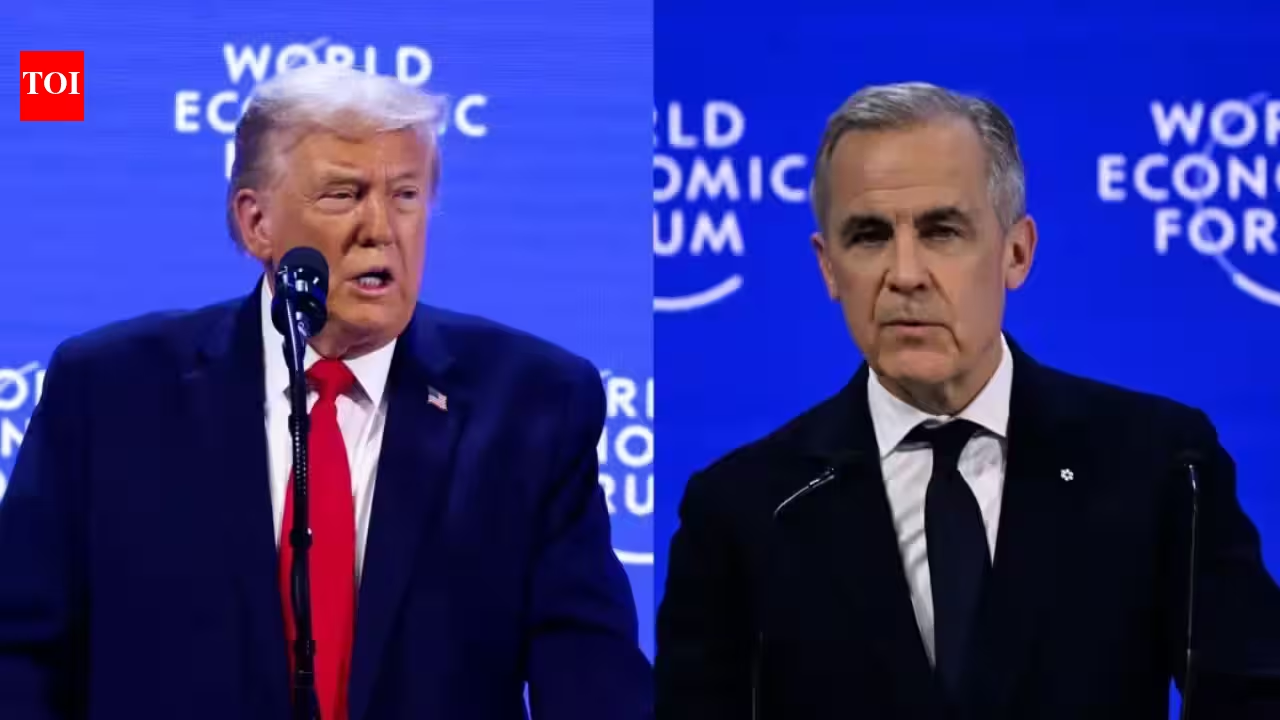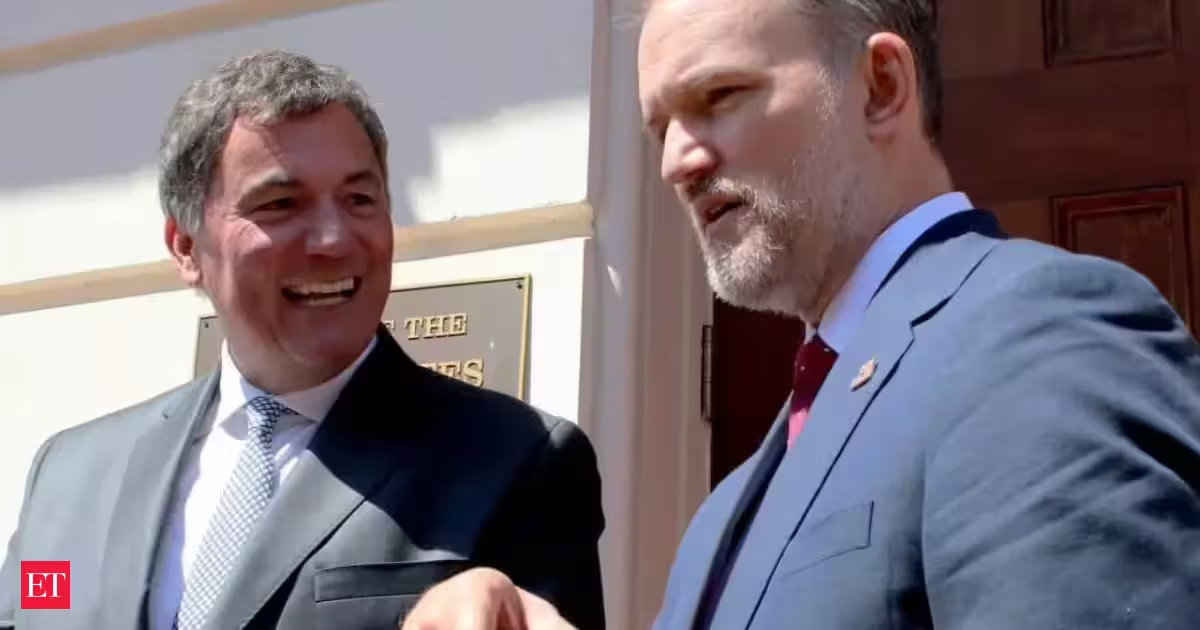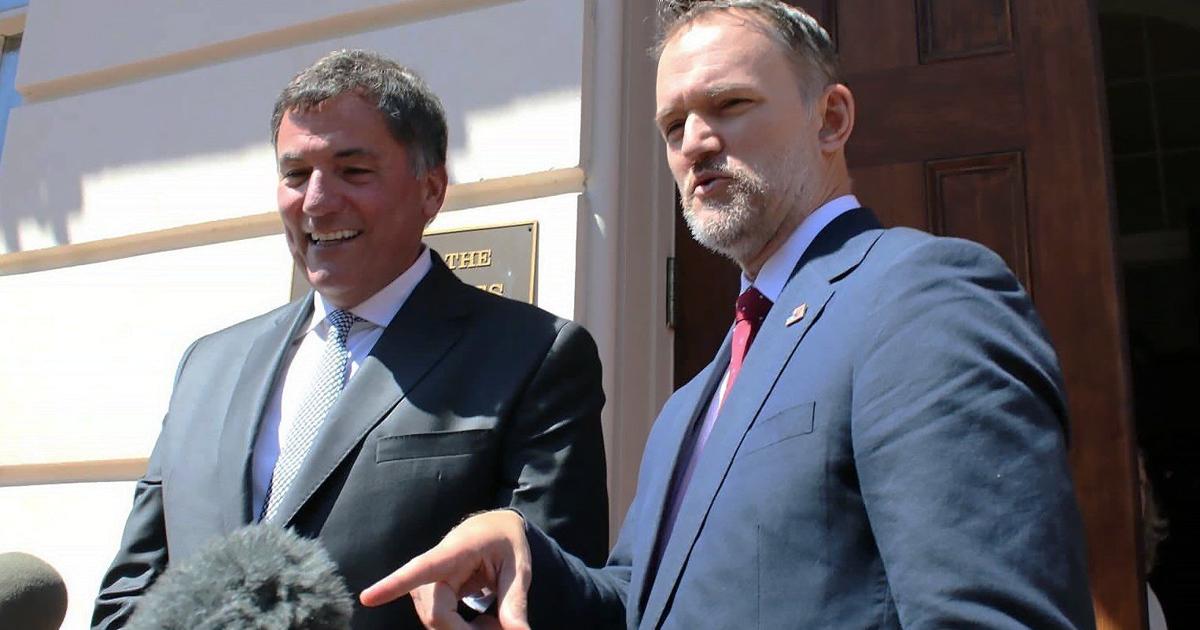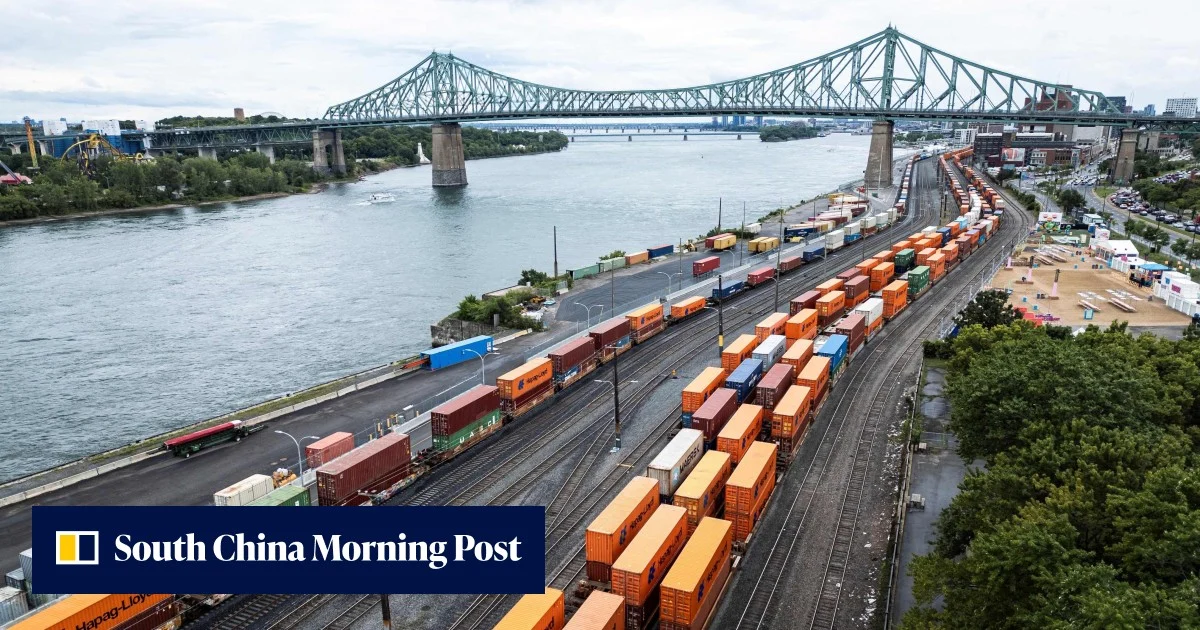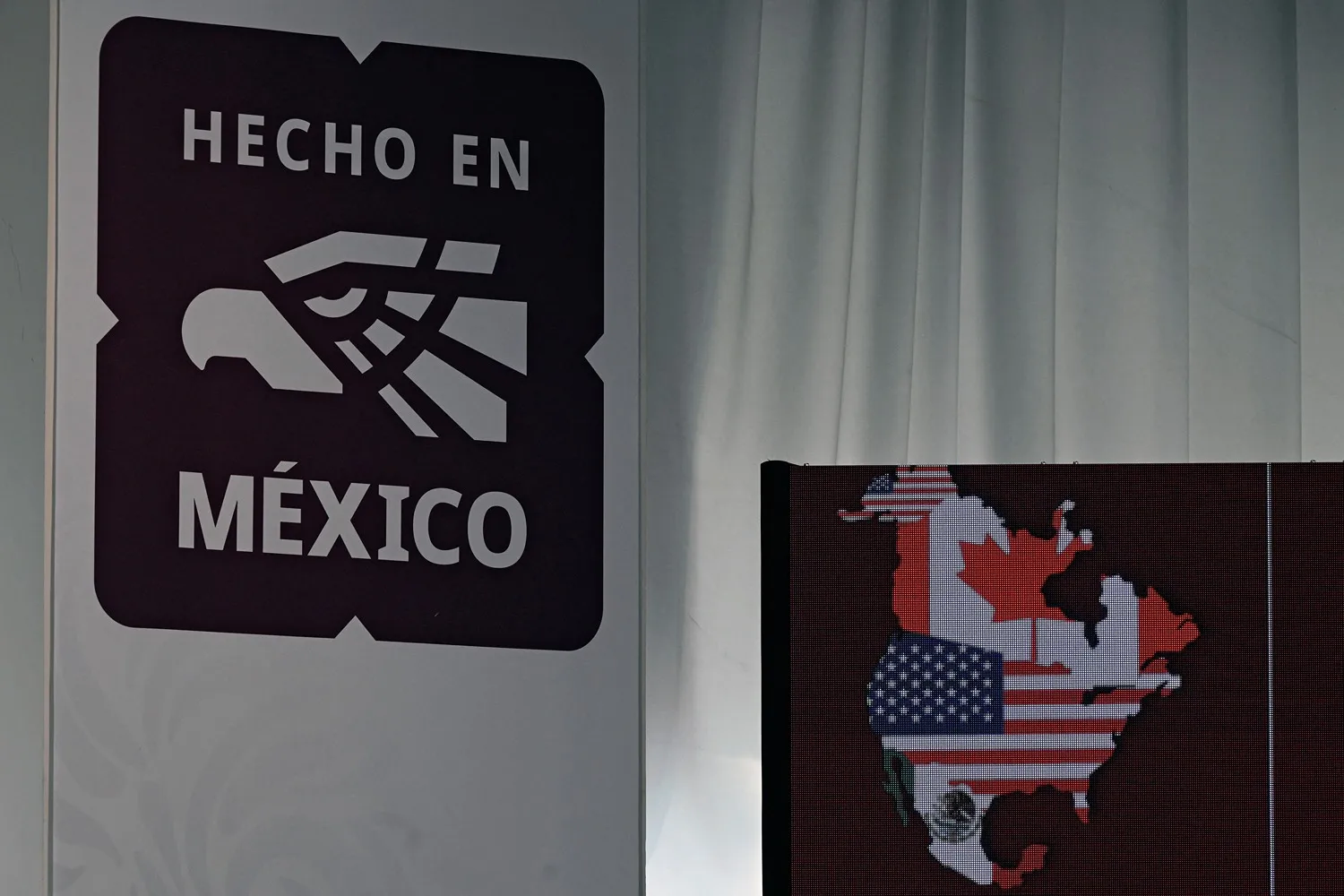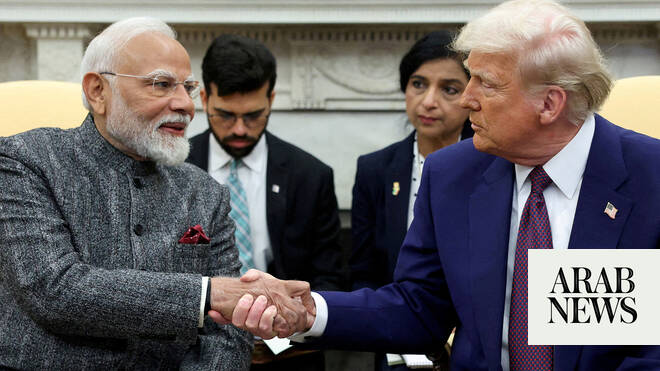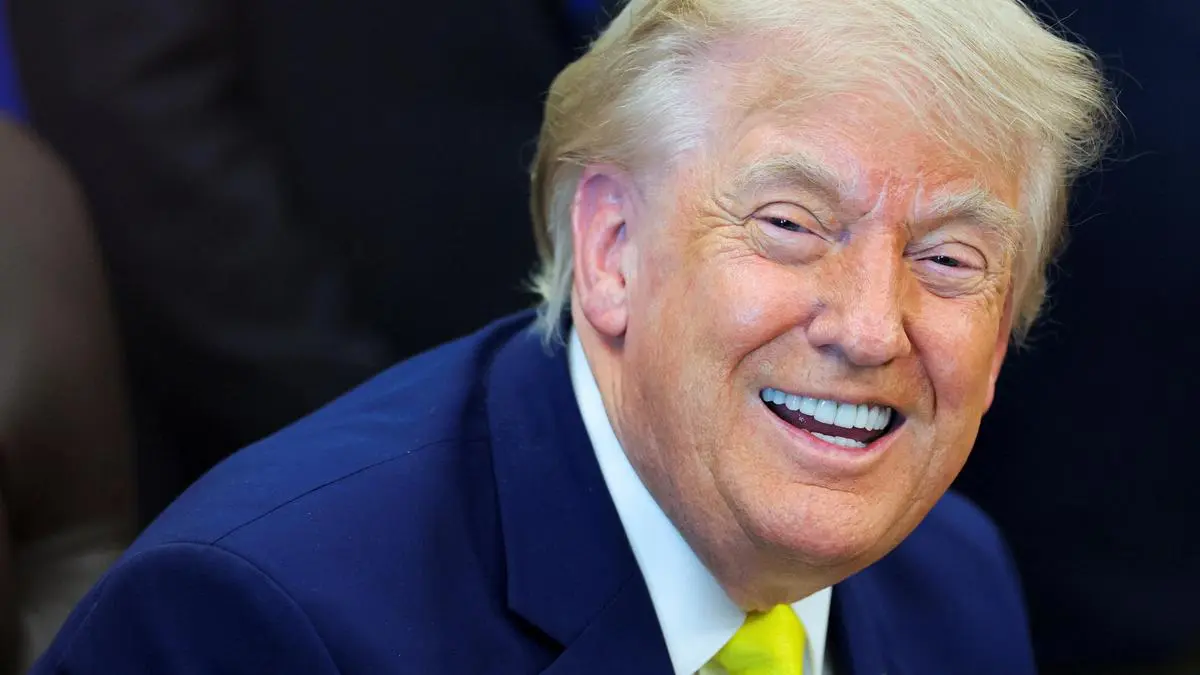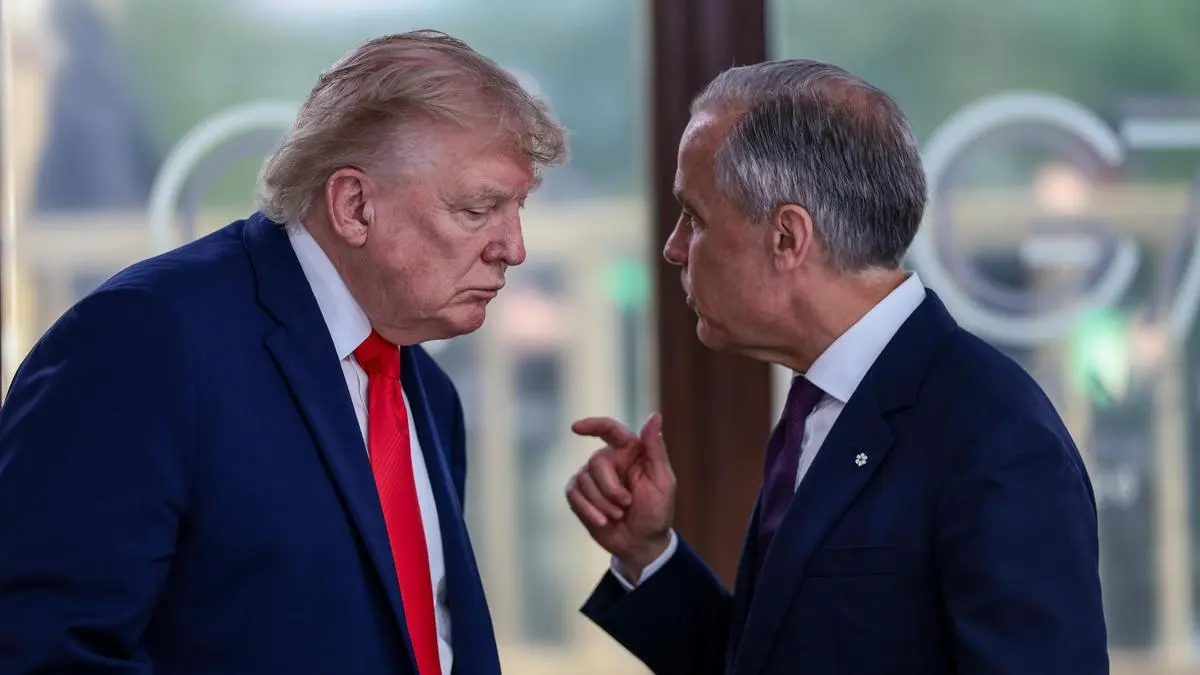
The extraordinary question is how the US and Canada, which were among the closest economic partners on the planet, reached this point
| Photo Credit:
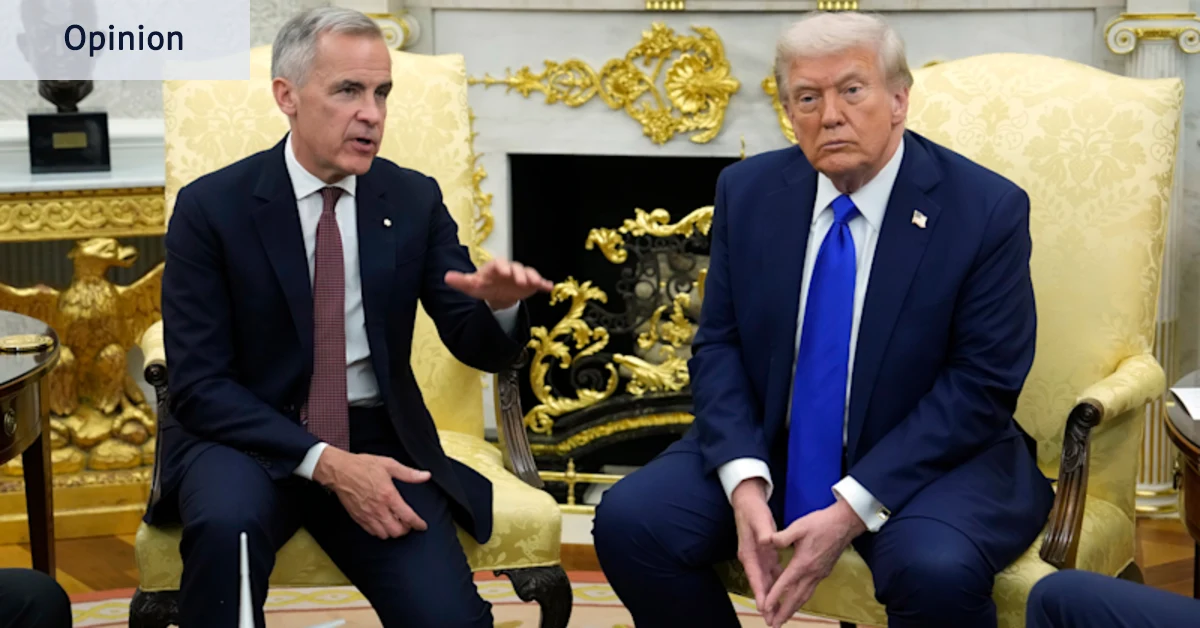
There’s a view circulating in Iran that there’s little point in striking a deal with the US while Donald Trump is president. That’s because he can change the terms at the very last minute and, even then, can’t be relied upon to honour them. Canadian Prime Minister Mark Carney just got a lesson in why that argument resonates far beyond Tehran. Only days ago, Canada and the US appeared close to a trade pact. Trump had declared “subject to the finalization of documents (we) have a DEAL.” Ottawa said “substantial progress” had been made. Then, at the eleventh hour, the talks collapsed.Carney ordered his negotiators home, saying the US had introduced last-minute “unfair” and “uneconomic” conditions. He also questioned whether any agreement with Washington could be relied upon, declaring “sometimes its signature is written in pencil.”The breakdown matters because Canada is hardly an American adversary. The neighbours have one of the world’s deepest trading relationships and have spent decades building an extraordinarily integrated North American economy. Yet now, Carney says Canada is at economic war with the US. “We were attacked,” and when a country is attacked, “you’re at war”Washington has slapped 50 per cent tariffs on $20 billion worth of Canadian goods, while Canada declared it would retaliate dollar-for-dollar.Sovereignty issuesWhat makes the Canadian experience particularly disturbing is what happened in the talks’ final stages. According to Carney, the US raised demands touching issues Ottawa regarded not merely as questions of trade but of Canadian sovereignty.One concerned language and culture. Canada is bilingual, and protecting French, particularly in Quebec, is part of the fundamental political and constitutional fabric. Language requirements irritate some foreign businesses, which complain about the extra costs. But Carney said, “We weren’t prepared to compromise on the protection of the French language and our culture.”Equally explosive were American attempts to restrict Canada’s ability to strike foreign trade agreements. Carney has spent much of his premiership seeking to reduce Canada’s overwhelming US market dependence. Giving Washington a veto over those relationships would have been a blow to Canadian sovereignty. The US also reportedly sought right of first refusal preferential access to Canada’s immense critical minerals resources.Taken individually, Washington might describe each of these as part of a hard commercial negotiation. Taken together, Canadians saw something very different: an attempt by the vastly larger neighbour to acquire leverage over Canadian policy.Carney said the Americans had “asked too much”.Why would Washington allow negotiations that appeared near completion to collapse over demands introduced at the last moment? One theory is personal animosity played a role – that Trump doesn’t like Carney and never wanted a deal. Trump has repeatedly declared Canada should become America’s 51st state.. After the talks disintegrated, he declared Canada wanted “the benefits of being a state, without being one”.Whatever Washington’s motives, it’s united Canadians as never before. Provincial premiers have rallied behind Carney, and the dispute has revived the “Team Canada” approach that Ottawa has cultivated throughout the trade confrontation. It also breathed new life into the “buy Canadian” campaign. Even earlier, US liquor had disappeared from Canadian shelves, and Canadians were avoiding US travel.India’s approachThe extraordinary question is how the US and Canada, which were among the closest economic partners on the planet, reached this point. And that brings us to India. New Delhi should study the Canadian experience extremely carefully.India was first out of the starting gate to negotiate a US trade deal. At various stages, both sides have said an accord was near only for the talks to lose momentum.Over the weekend, US Ambassador Sergio Gor said most major elements have now been agreed “in principle”, and what remains is working out the legal and technical language. Gor also announced Secretary of State Marco Rubio would return to India in October for a second time this year, portraying this as proof of the weight Washington attaches to its India ties.That’s encouraging. But only days before the Canada-US negotiations collapsed, Trump had declared the trade deal all but done.A US trade agreement could be immensely valuable. But New Delhi shouldn’t assume agreement “in principle” means the tough part is over.Every clause matters. Provisions buried in technical language may have consequences for India’s agricultural policy, its autonomy, its dealings with Russia, its digital economy or its freedom to negotiate agreements with other countries.Canada thought it was approaching the finish line, but then Washington moved the line. New Delhi will have to watch carefully to make sure the US doesn’t try the same thing.Published on August 25, 2026