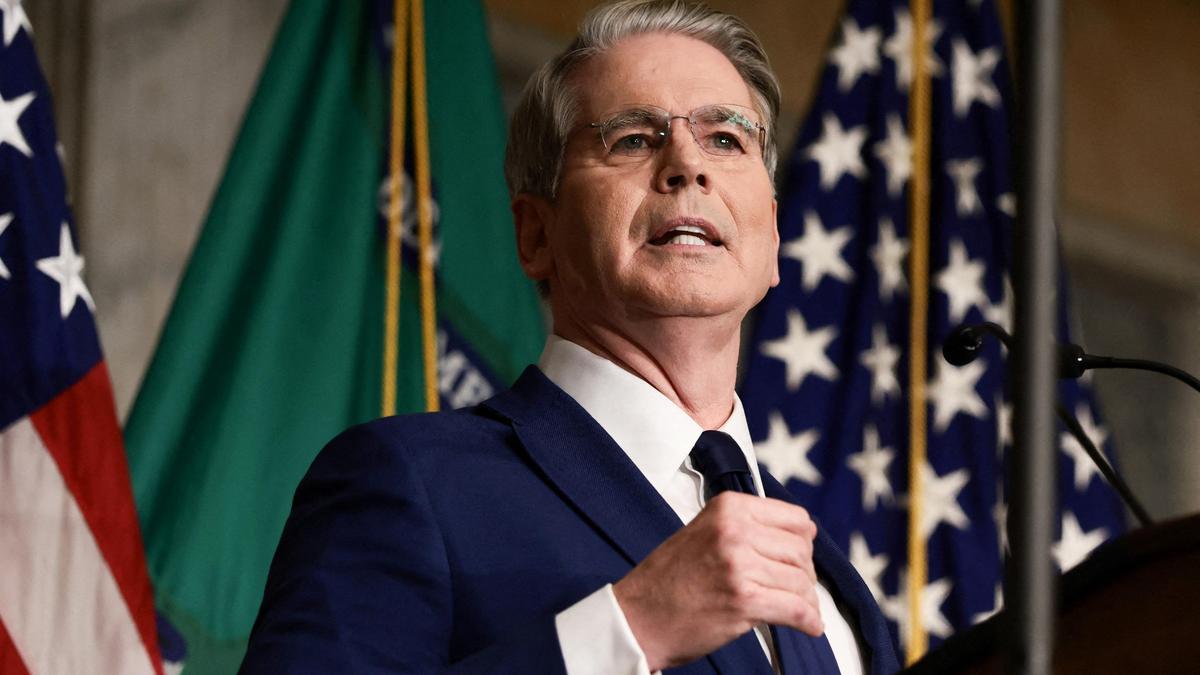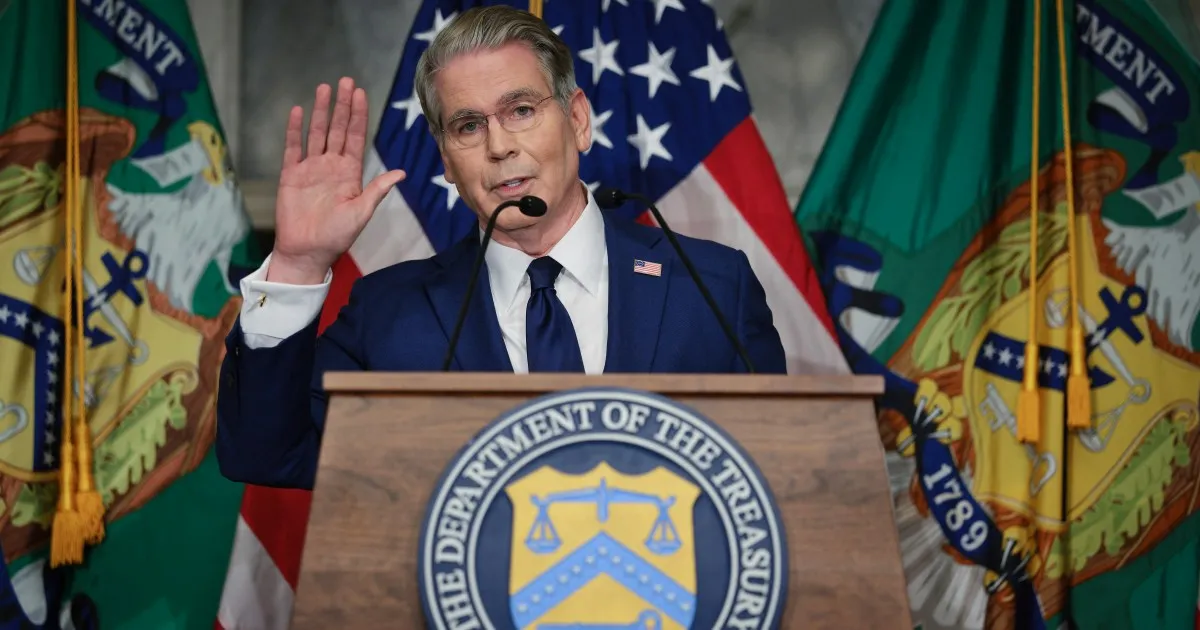
Four India-based companies were among several entities sanctioned by the United States on Monday for importing petroleum and petrochemical products from Iran.A statement released by the US Department of State said that Washington has implemented “Operation Economic Outcast”, imposing additional sanctions targeting Iran’s military activities and procurement networks, as well as traders involved in petroleum and petrochemical products.The four India-based companies include Portease Partners LLP, which is a customs broker that allegedly facilitated the import of shipments of Iranian petrochemical products to India, the statement said.Sadashiva Overseas Limited, PP Softtech Private Limited and Prakrutees Infra Impex Private Limited are the other India-based entities facing the fresh US sanctions.Indian citizens Indrismiya Ashrafmiya Sheikh and Harish Ramachandra Rangi, partners of Portease Partners LLP, and Prashant Garg, the director of PP Softtech Private Limited, have also been sanctioned, the statement added.The US state department said that Sadashiva Overseas allegedly imported petroleum products originating in Iran worth about $69 million from several companies. PP Softtech and Prakrutees Infra each allegedly imported Iranian petroleum products valued at about $25 million.Washington said that the companies were sanctioned for “knowingly engaging in a significant transaction for the purchase, acquisition, sale, transport, or marketing of petroleum or petroleum products” from Iran.Nearly 60 individuals, entities and vessels were concurrently sanctioned by the US Treasury Department on Monday.US Treasury Secretary Scott Bessant said that the objective of the fresh measures was “to sever every economic lifeline” that sustains Iran.“Iran’s enablers purchase and transport its petroleum,” Bessant said.He added that those who support the US would “reap the rewards” of its partnership, while those who align themselves with Tehran should expect to share in the isolation of what he described as a “withering regime”.Iranian Economy Minister Ali Madanizadeh told state television that Tehran was “fully prepared” for the sanctions, Reuters reported.On August 2, US President Donald Trump said that his country’s military and Israeli forces will halt attacks on Iran as “the perimeters of a deal” had been agreed upon.The new deal “would include the immediate, complete and total” opening of the Strait of Hormuz and an end to “Iran’s nuclear threat”, Trump had said on social media.This comes more than five months after the war in West Asia began on February 28. Since then, two peace talks held between Washington and Tehran have collapsed.The first round of talks that were held in Pakistan’s Islamabad collapsed on April 12, but the ceasefire in the region had largely held for nearly two months.On June 15, the US and Iran arrived at an interim agreement to stop the fighting and reopen the Strait of Hormuz, the narrow waterbody connecting the Gulf and the Arabian Sea, for commercial vessels. They also held talks in Switzerland aimed at reaching a final peace deal within two months.However, on July 8, Trump said that the ceasefire was “over”.As a consequence, the Strait of Hormuz remains effectively blocked for most international commercial vessels, triggering a global energy crisis. About 20% of global petroleum supply passes through the maritime chokepoint.Written by Anamika Pathak. Edited by Nachiket Deuskar.
US sanctions four India-based firms for importing petrochemicals from Iran
The companies were among several entities penalised by the United States as part of its fresh measures to target Tehran’s military activities and trade.
508 words~2 min read