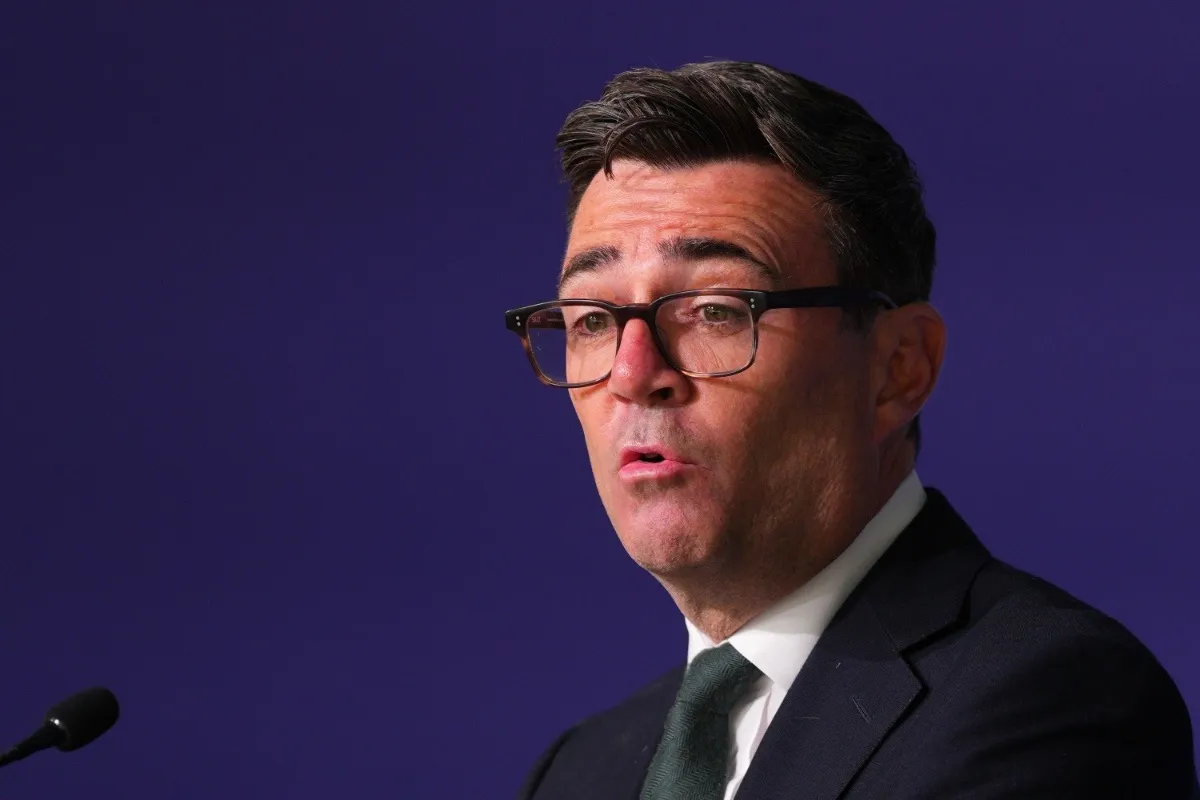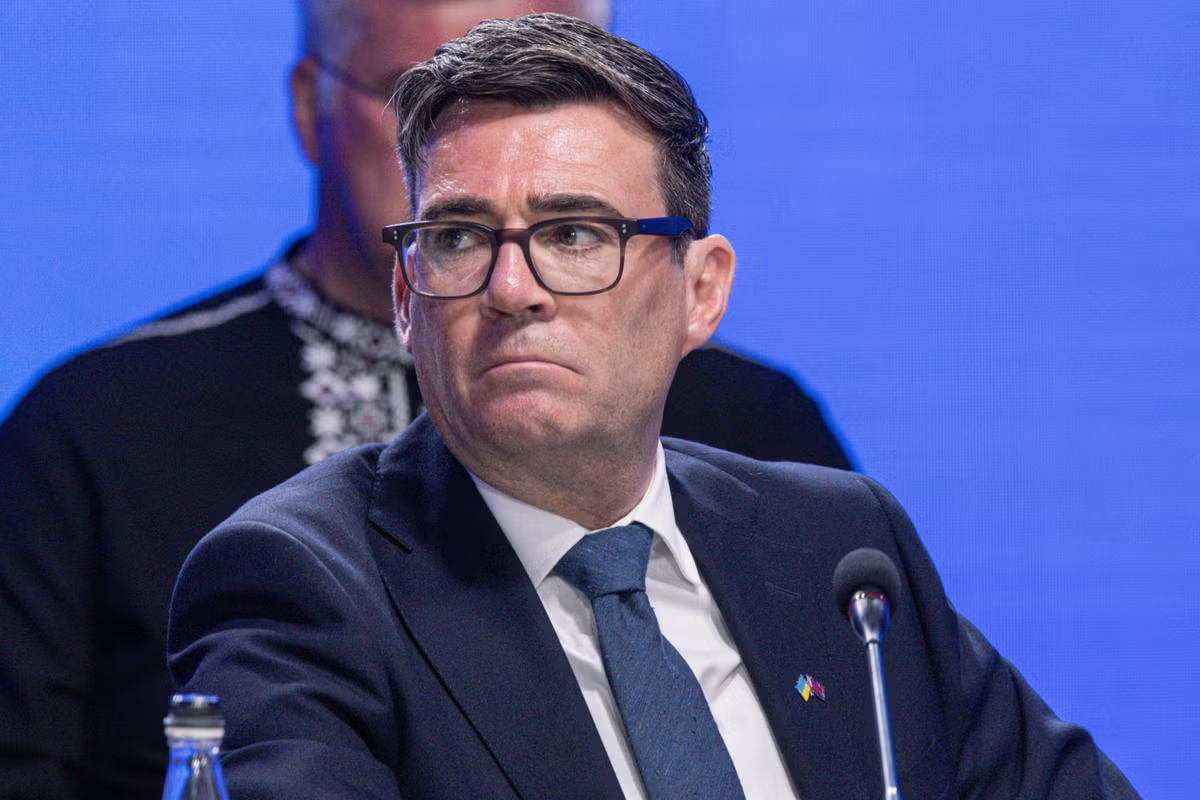
That Andy Burnham has raised the possibility of tax rises in the autumn Budget is unsurprising. The real question is how he can raise more money without harming the economy. There is a way, but a lot of people won’t like it, because it means taxing houses more.
It’s just an acceptance of the fiscal facts. Britain has a large and unsustainable gap between the money the state raises in tax and the money it spends. That gap is filled by borrowing, which leads to a national debt close to £3trn and an annual interest bill on that debt exceeding £100bn.
Raising taxes is both easy and difficult. Easy because a government has near-complete control of the tax system: if the chancellor wants to increase a tax, he just orders it to rise and Parliament nods through the relevant paperwork. Difficult, because making people or organisations pay more money in tax makes them unhappy.
It also has economic consequences. Generally, raising taxes is bad for growth. Money you pay the government in tax is money you can’t spend on stuff that generates profit for the people making and selling it. It’s also money you can’t invest in stuff that makes your business more efficient.
Rachel Reeves learned this lesson the hard way. Like John Healey, she was fenced in by the Labour manifesto, which rules out increasing the taxes that are the biggest revenue-generators: income tax, VAT and corporation tax.