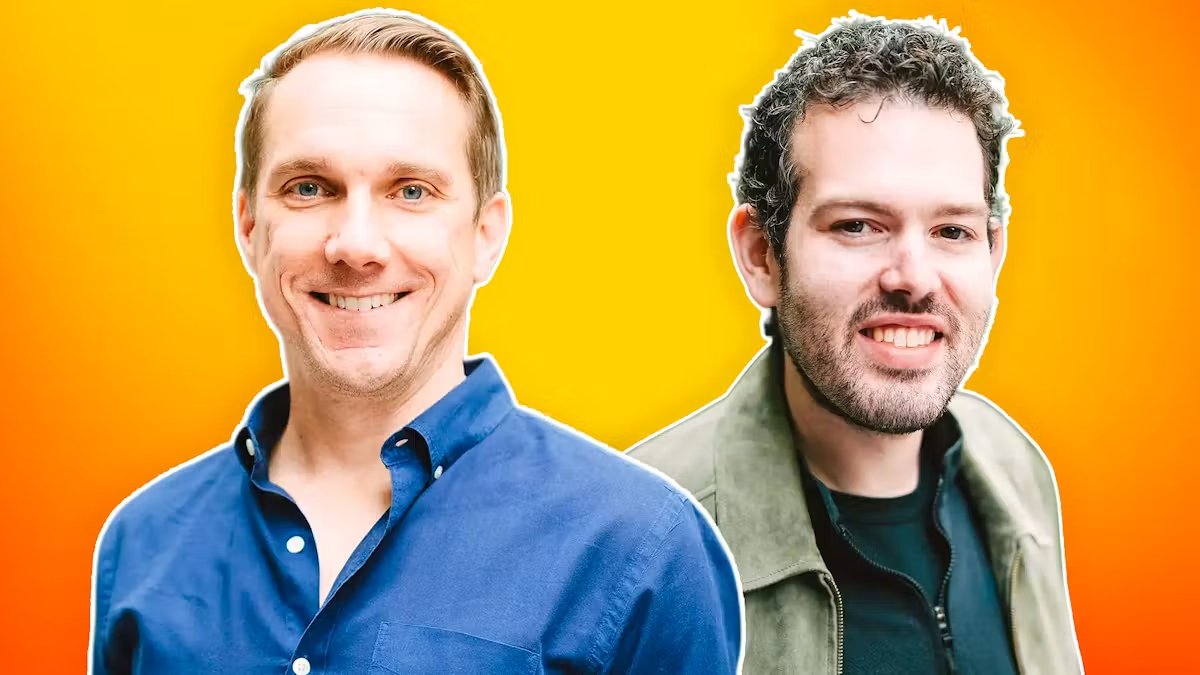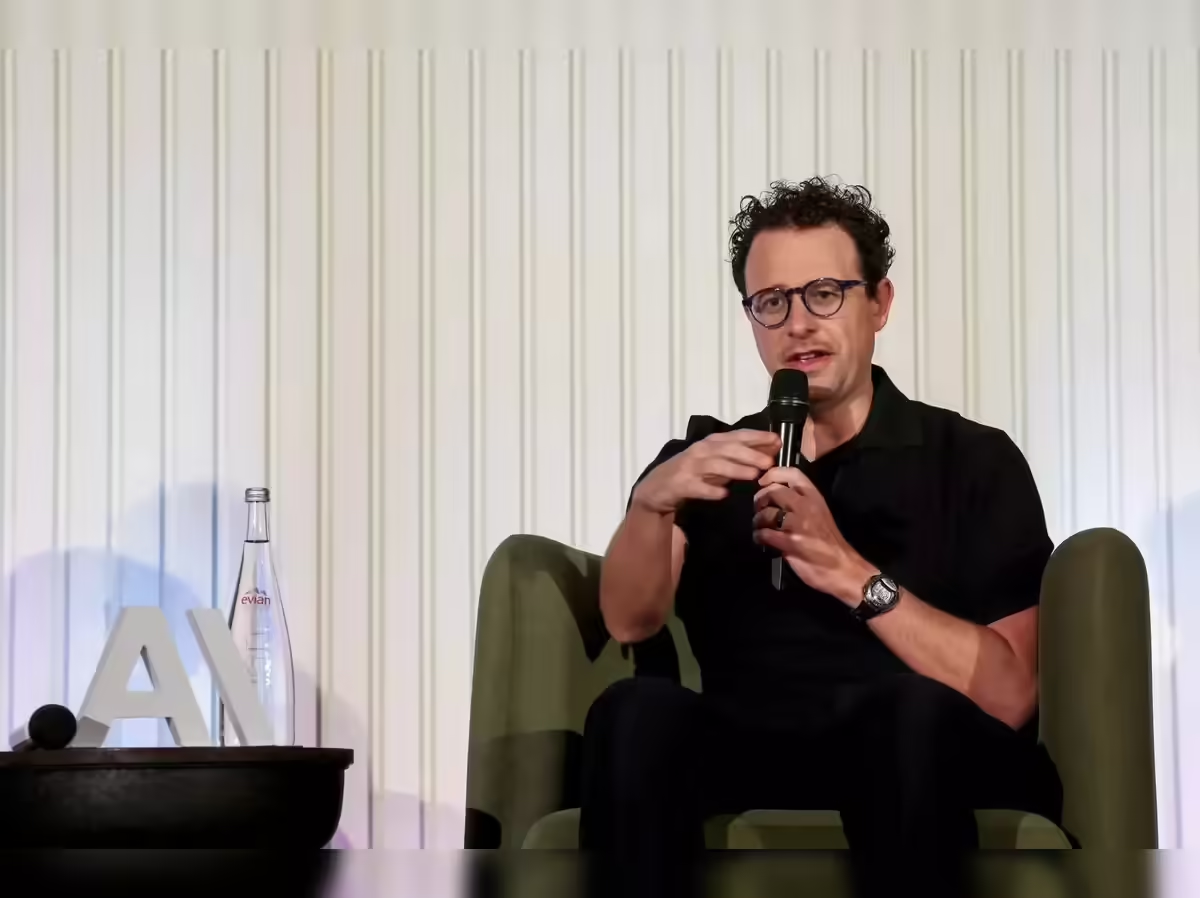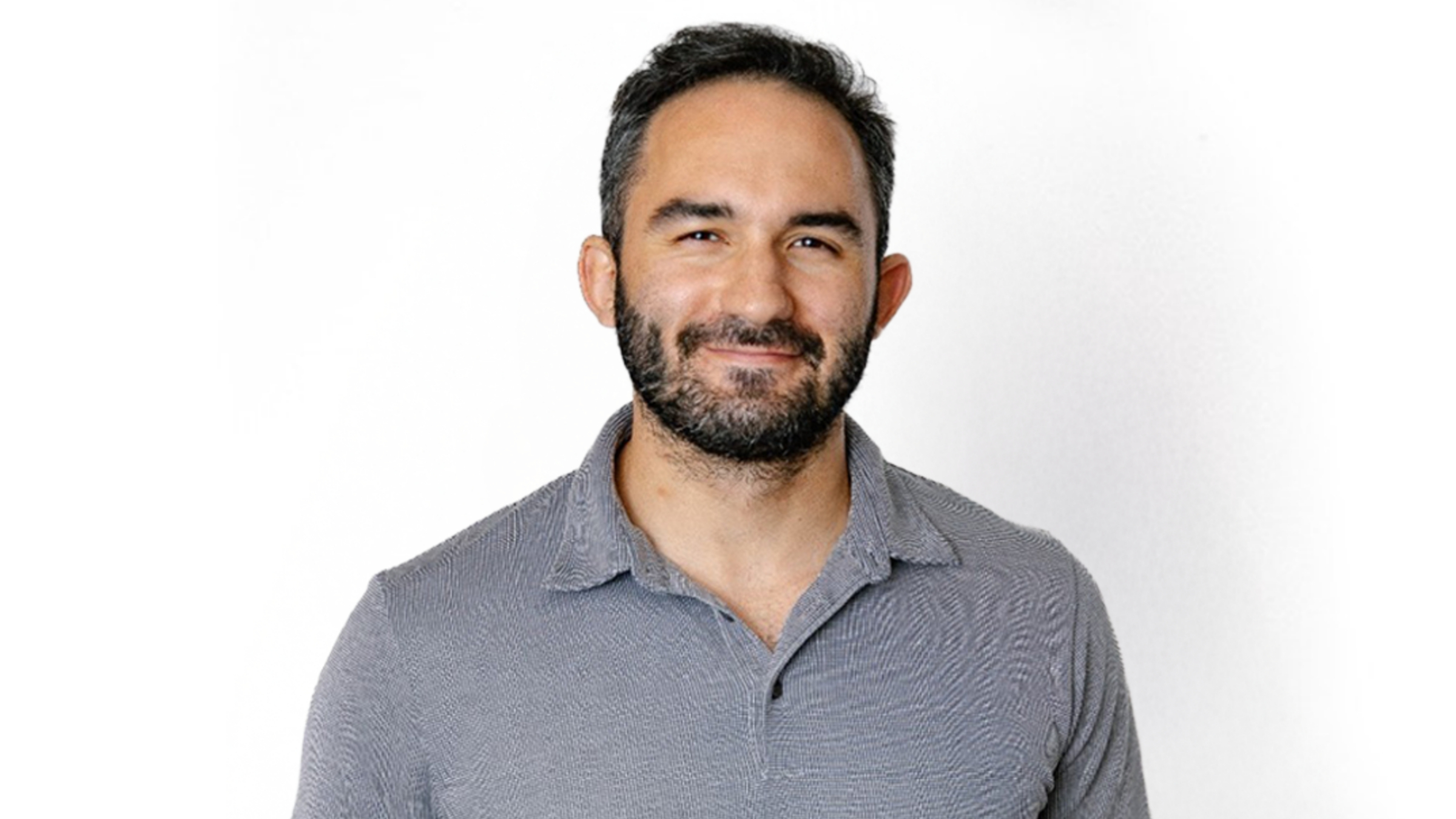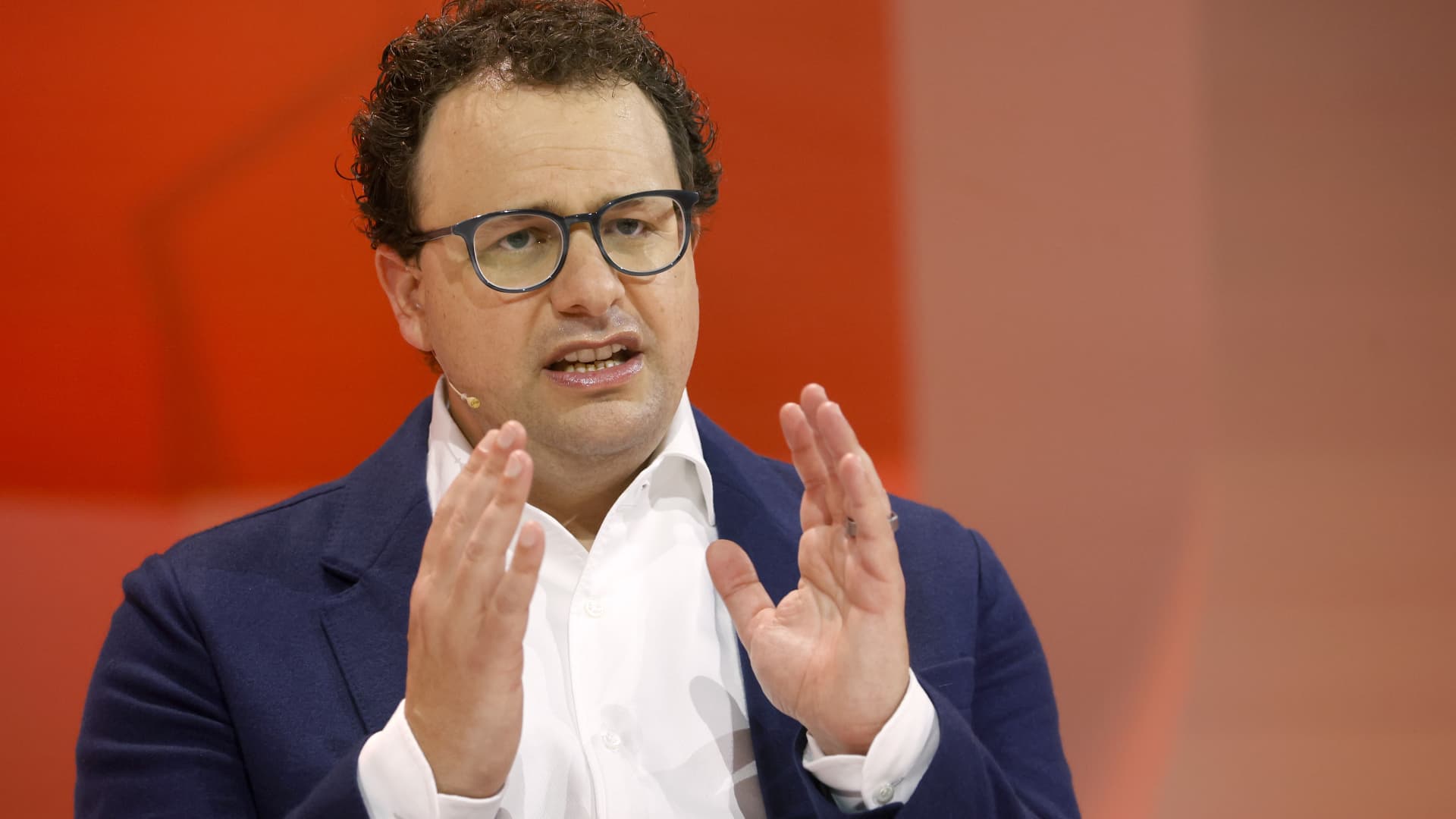
Anthropic’s Eric Kauderer-Abrams and Jonathan “JP” Pelosi reveal how Claude is moving beyond the AI assistant into enterprise workflows where data access, AI agents and governance determine whether companies can deploy it at scale. (Photo by Samuel Boivin/NurPhoto via Getty Images)NurPhoto via Getty ImagesOn June 30, shares of drug-discovery software maker Schrödinger fell as much as 8.3%, AI-driven biotech Recursion Pharmaceuticals dropped 3.3% and clinical-research data provider IQVIA declined more than 2.3%—all after Anthropic introduced Claude Science, a research workbench the company explicitly described as "not a new AI model and not a more capable model for biology." Instead, Claude Science runs existing Claude models through a system connected to more than 60 scientific databases and specialized tools, allowing researchers to work through multistep workflows. At the same time, a reviewer agent checks citations, figures and numbers before a human evaluates the result.The launch reflects a broader shift in Anthropic’s strategy, with the company building around Claude by connecting its models to the data, applications and evaluation systems that enterprises need to put AI to work.In financial services, a similar strategy is taking shape as Claude connects to financial data providers and Microsoft applications, while agents handle workflows such as credit memos, KYC screening and financial analysis inside banks and insurers. The strategy comes as Anthropic's enterprise business accelerates, with run-rate revenue reaching roughly $47 billion by late May 2026, up from about $9 billion at the end of 2025, while more than 1,000 enterprise customers now spend at least $1 million a year.Claude Science, however, does not represent a retreat from model development. Eric Kauderer-Abrams, Anthropic's head of life sciences, sees the model and the systems built around it as two parts of the same product, with better models also enabling more sophisticated tools and workflows."I don't see these areas of investment—in model capabilities and in the products surrounding the models—as being mutually exclusive; we're invested heavily in both. Everything starts with model capabilities," he told me in an exclusive interview. "However, model capabilities in themselves are not enough. There's also an under-appreciated connection between these two: better models enable more sophisticated tool use."MORE FOR YOUA frontier model can impress a data-science team in a demo, but that alone won't convince a hospital to trust it with patient data or a bank to use it for a high-stakes workflow. That gap between the demo and the deployment is the market Anthropic is now building its products for.Putting AI Agents To Work Across Scientific WorkflowsKauderer-Abrams says Anthropic is finding that Claude Science can complete large parts of a workflow and, in some cases, handle the entire workflow from start to finish. But the system still has clear limits: it cannot perform the physical laboratory work needed to generate experimental data, scientists must verify its results before taking consequential steps such as submitting regulatory documents; and researchers remain essential when a question depends on a lab's accumulated history and institutional knowledge.Those limits do not necessarily undermine Anthropic’s productivity claims, with the company reporting that users have cut project timelines by roughly 10 times in some cases, including Stephen Francis’ lab at UCSF, where researchers manually validated a Claude-generated glioma review but still completed the work in about one-tenth the time it previously required.Claude Science's reviewer agent adds another layer of scrutiny to a system designed for scientific work, where a plausible answer can be harder to catch than an obviously wrong one."We've built into Claude Science the time-tested standards that make up the fabric of how we do science—you have one group of entities doing the work, and another independent group reviewing it," Kauderer-Abrams says. Moreover, he noted that the agents operate independently, each with its own context, but emphasized that even the most capable agents, like humans, remain fallible and can make mistakes."Claude provides the reasoning and coordination of the whole process, and specialized scientific tools do what they were built to do—structure prediction, sequence analysis, the computational work that has its own established methods," he explained, referring to Anthropic's integration with Nvidia's BioNeMo ecosystem as a way to connect Claude with a broader set of specialized scientific tools.In protein design, for instance, Claude can call a structure-prediction model to understand a design target, use specialized protein-design models to generate candidates, review those candidates against relevant literature, score them with co-folding models and then decide whether to refine the design and run the process again.Turning Claude Into A Financial Services AI PlatformJonathan “JP” Pelosi, Anthropic’s head of financial services, says Claude is moving from a general-purpose assistant into the systems where banks, insurers, asset managers and wealth managers already work. He says that shift came as Claude’s financial reasoning improved, enterprise controls matured and the model connected to the data and applications financial professionals already use. "A year ago, that meant summarizing documents. Today Claude spreads financials against covenant terms, drafts credit memos, runs KYC screening, and reviews actuarial workbooks, and FIS is building an agent with us to compress AML investigations to minutes."Pelosi says the change is not simply that Claude can perform more financial tasks, but that it can now do so with the context and controls required inside regulated institutions, including prebuilt connections to LSEG, FactSet, S&P Global and Morningstar and native support for Excel and PowerPoint, where financial professionals already work.That emphasis on control, Pelosi says, means governance has to come before broader autonomy, rather than being added after the fact. "Millennium had Claude in wide use across the firm before deciding to build a digital risk analyst with us. That discipline, more than model capability, determines how far a firm can take this." The payoff, he added, is increasingly measured in the work employees can complete with the time Claude gives back. "Financial services have never had a shortage of demand. What it had was a shortage of hours, and a lot of valuable work simply never got done."Claude’s Enterprise Edge Lies Beyond The ModelThe harder question for Anthropic is whether the infrastructure it is building around Claude can create a durable competitive advantage, because financial-data integrations, agents and enterprise controls are valuable but replicable, while banks themselves have strong incentives to retain control over the systems where their most sensitive information and decisions reside.Pelosi says that the model still matters, particularly when an agent performs a long sequence of consequential tasks, because small differences in reliability can compound when Claude has to execute 20 steps against a firm's own data rather than answer a single question in isolation."The model isn't interchangeable at twenty steps, and the operating layer isn't worth much if it has to be rebuilt every model generation. What's hard is doing both at once, and designing them together, because otherwise every model upgrade means the firm reworks what it already built."That argument also points to a larger role for the general-purpose agent, which Pelosi believes can eventually become the interface between the fragmented systems that financial institutions already use. "The agent doesn't replace the systems of record. It replaces the manual hand-offs between them, and that work today often has little to no audit trail."That creates another problem Anthropic will have to solve as agents become more widespread inside financial institutions, because giving every team its own agent could create another layer of fragmentation. Pelosi calls this risk "agent sprawl”."One policy applied the same way by an agent is more auditable than fifty people applying it slightly differently, but that only holds if firms deploy a small number of well-governed agents rather than one per desk." He explained that Anthropic's responsibility is therefore not to claim that Claude will never make mistakes, but to make those mistakes visible and give institutions enough control to supervise the system when they occur."A risk committee can't govern what a vendor won't disclose. That's what we're focused on: making sure financial institutions have the confidence they need to responsibly use and trust Claude. Every output is traceable and every step is logged, while firms dictate which systems it can touch, how much independence it has, and who approves before anything moves."The competition is moving into the space between what a model can produce and what an institution is willing to trust. If foundation models become interchangeable, the company that owns the workflow could own the customer relationship, while stronger models could pull customers toward the ecosystem built around them. Anthropic is trying to win on both fronts, making Claude useful, traceable and governable enough for scientists and financial institutions to put it into real workflows. If it succeeds, the model will remain the engine, but the harder-to-replicate advantage may be everything built around it.
Inside Anthropic: Moving Beyond Bigger AI Models To Win The Enterprise AI Race
Anthropic executives Eric Kauderer-Abrams and Jonathan “JP” Pelosi explain how Claude is moving beyond AI assistants into enterprise workflows shaped by data, agents and governance.
1,439 words~7 min read