Indiana Gov. Mike Braun said the local utility has failed thousands of Hoosiers who have gone nearly two weeks without electricity.Show Caption
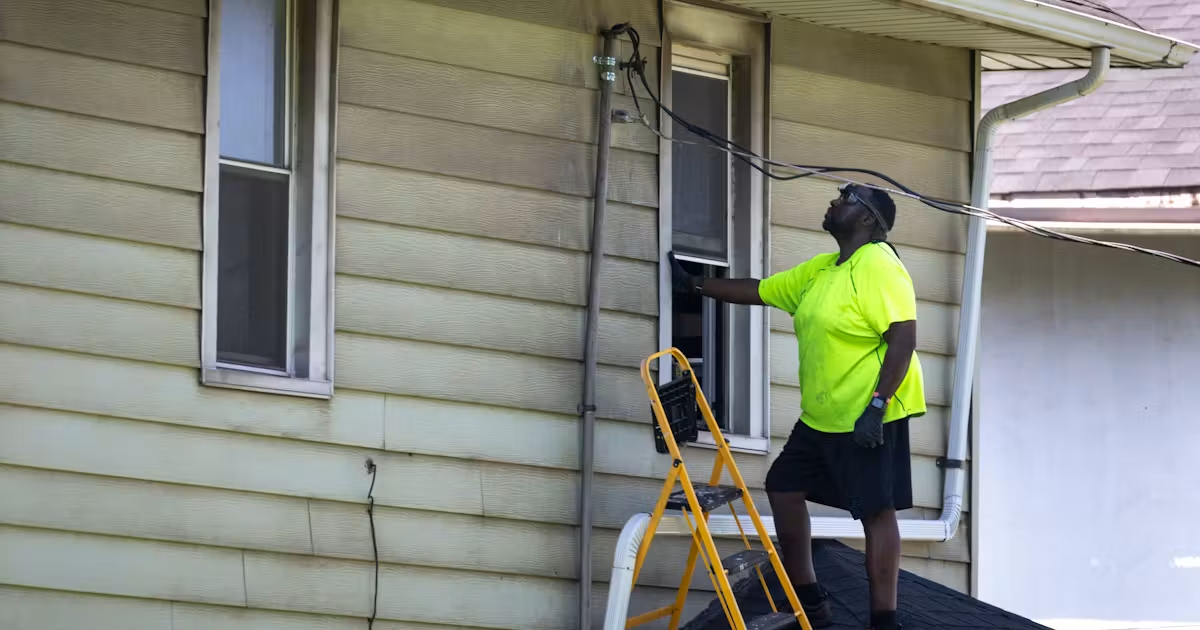
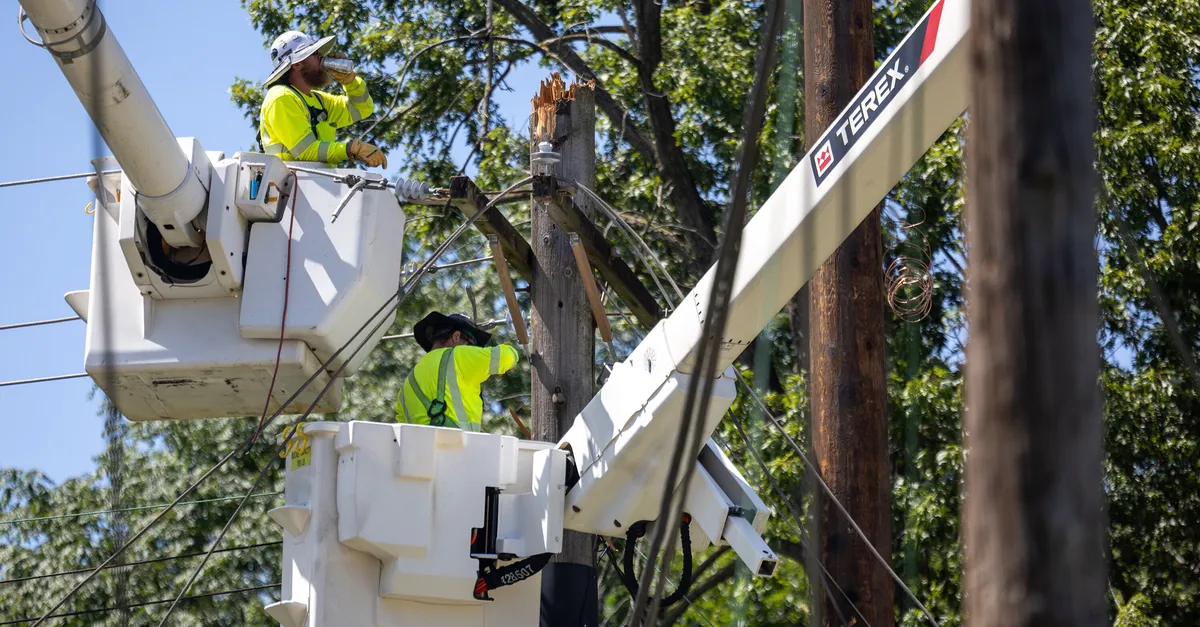
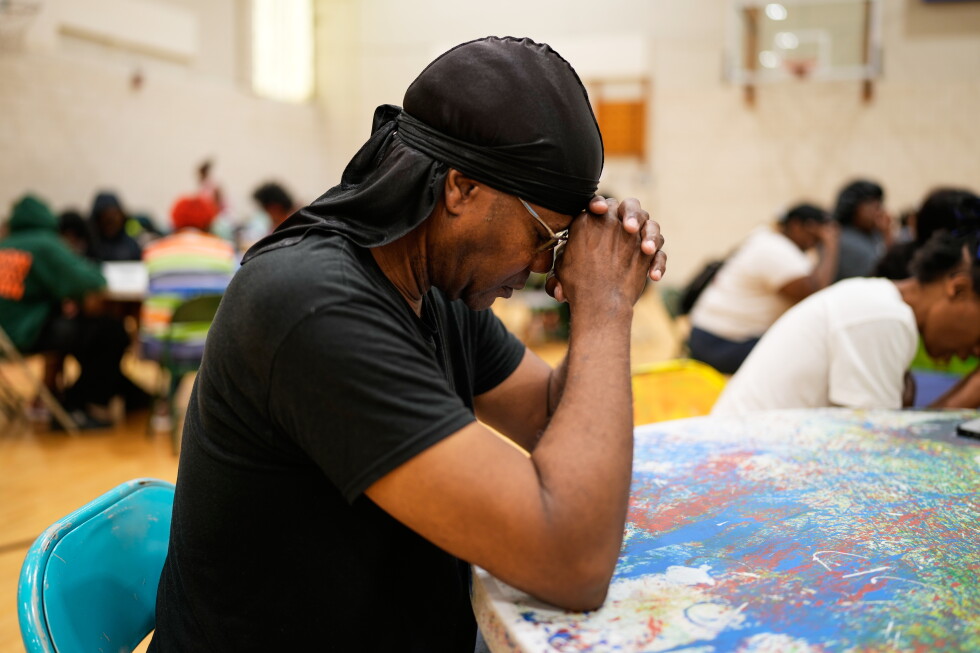
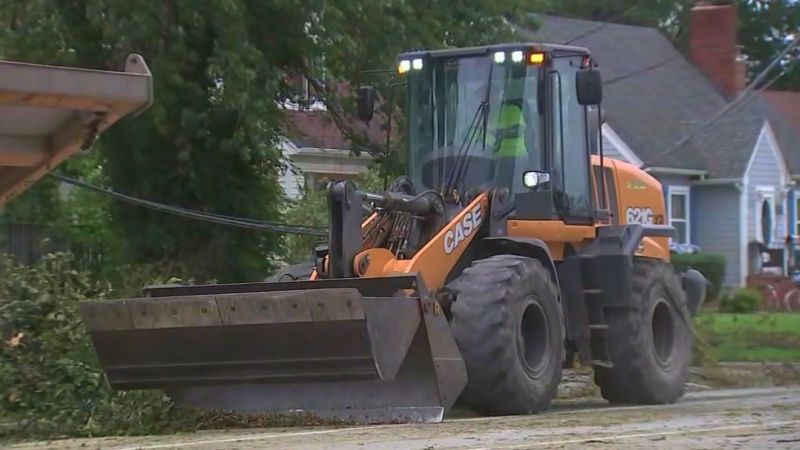
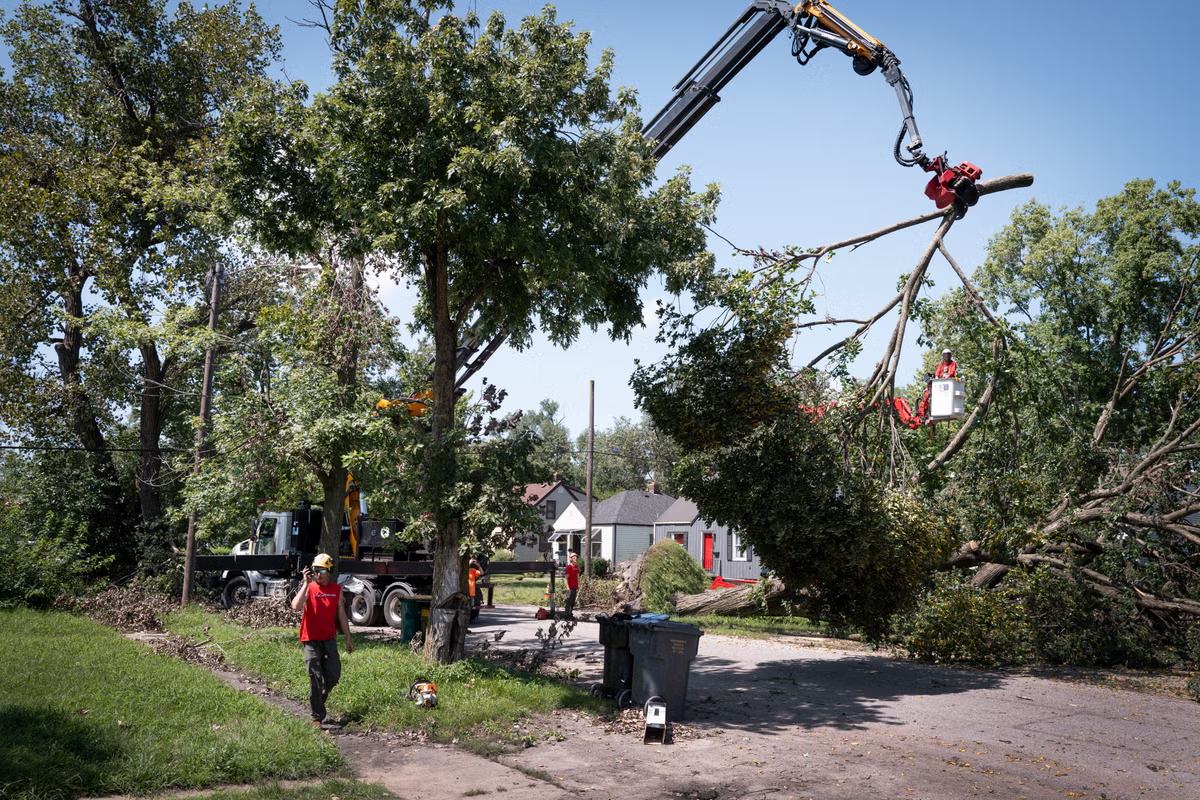
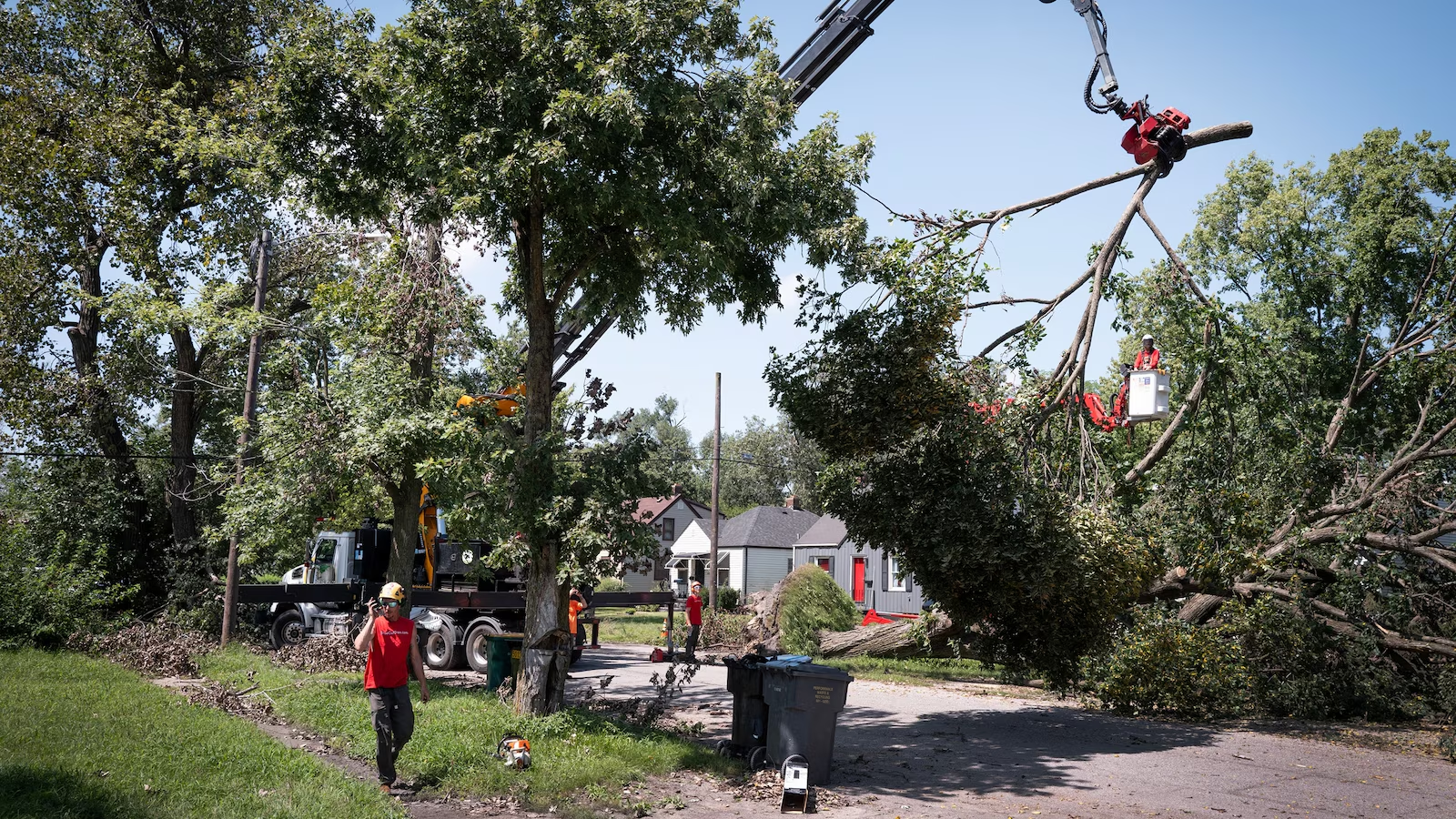
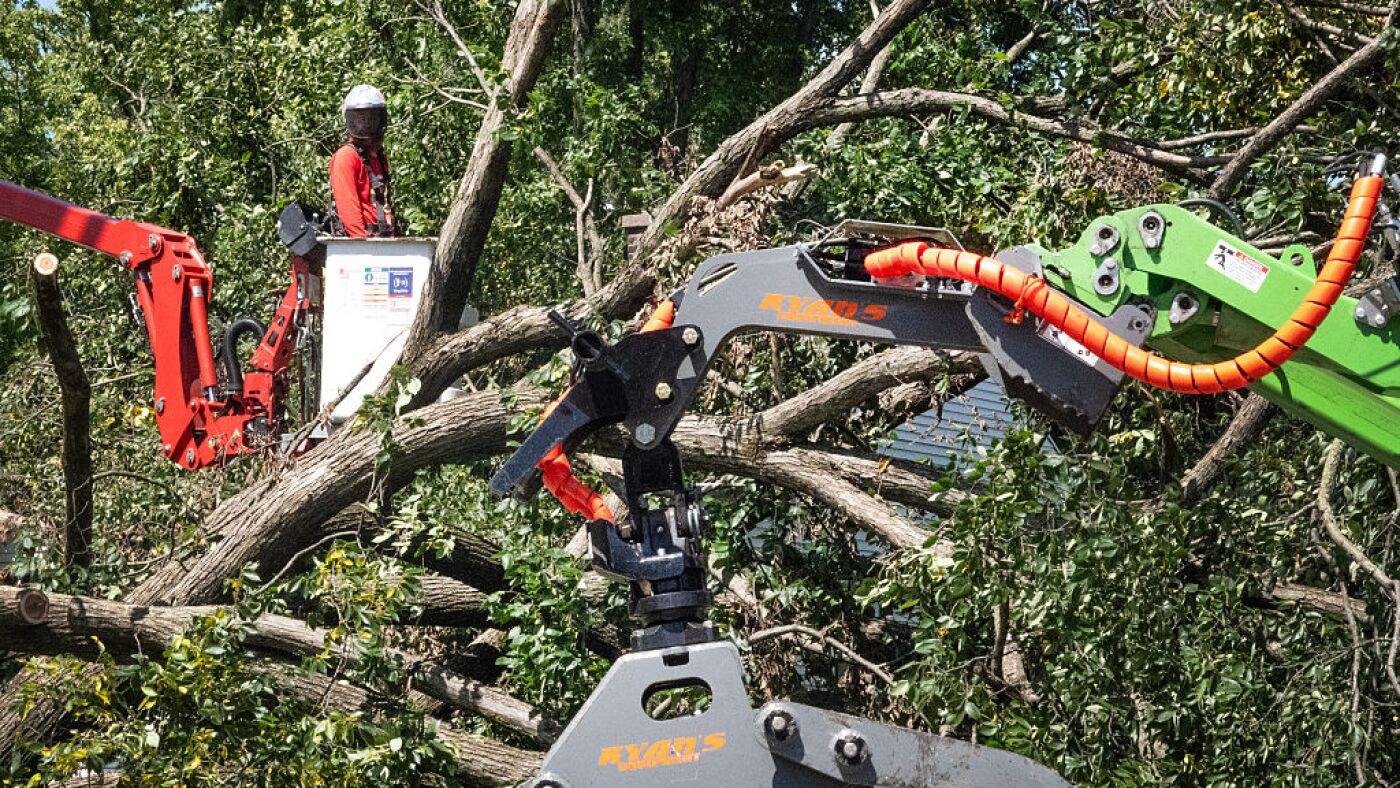
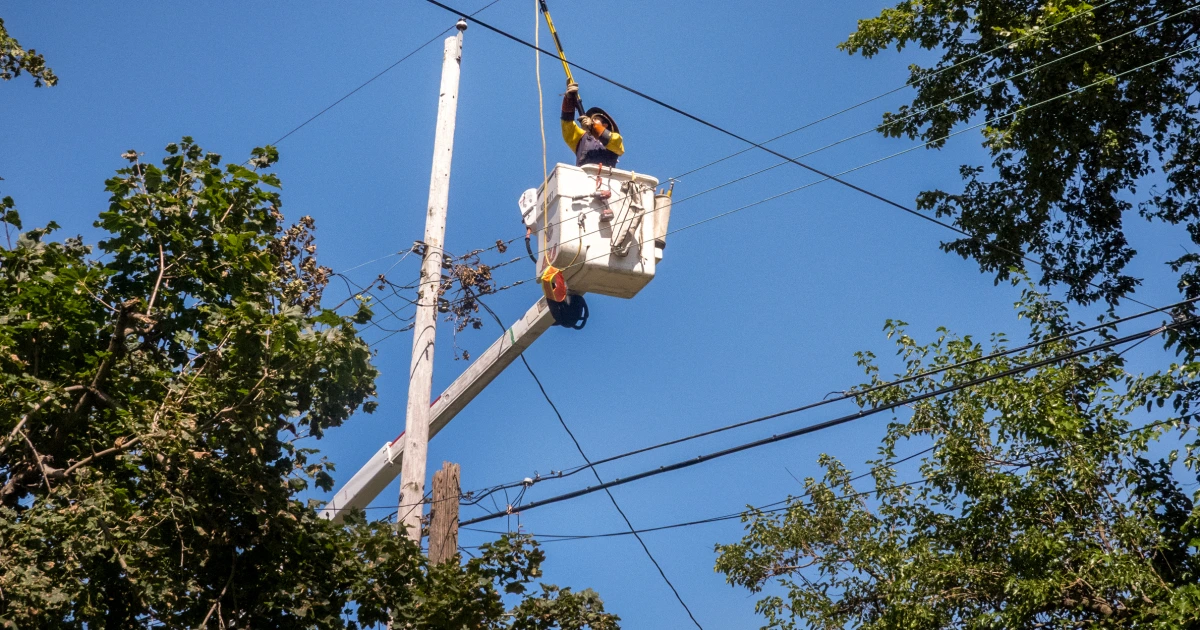
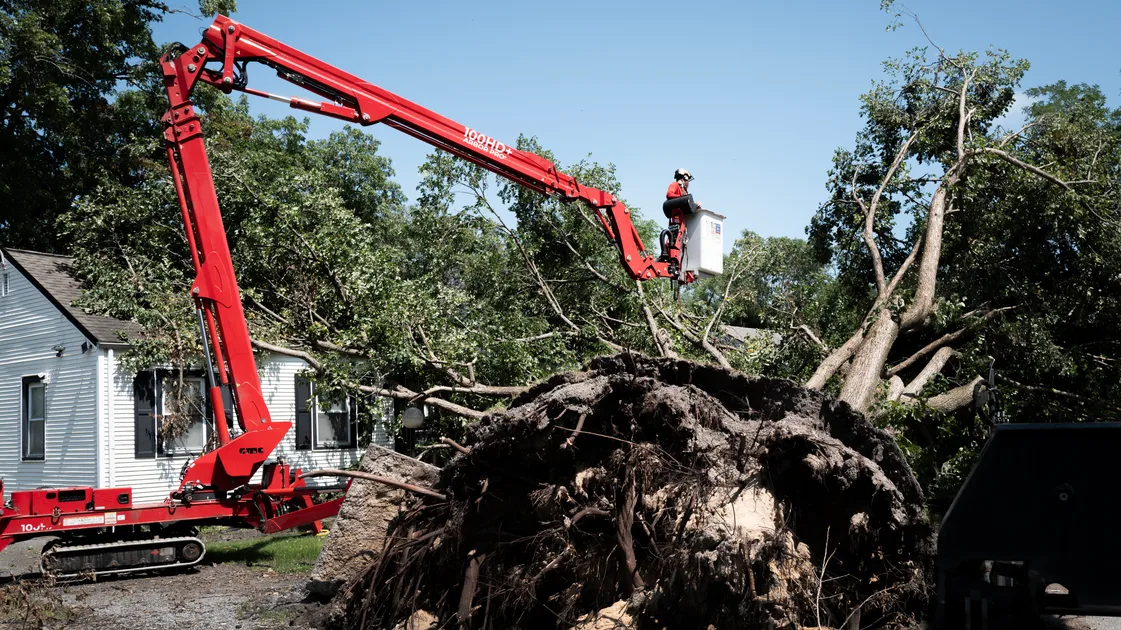
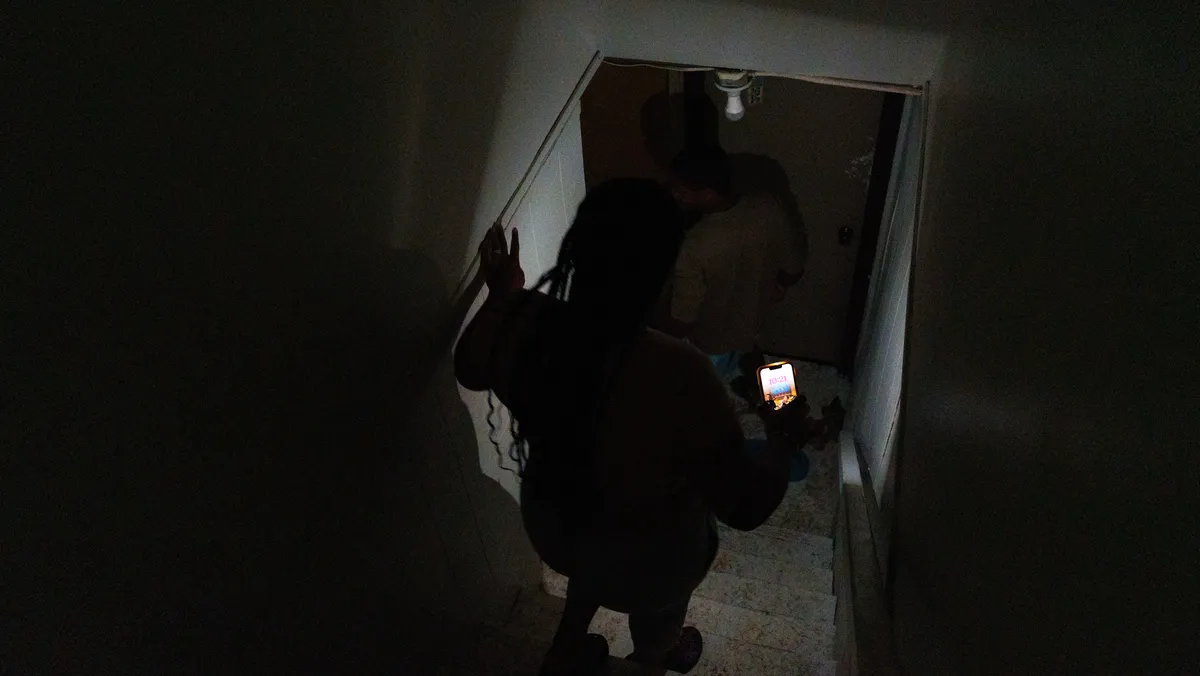
Massive storms began ravaging northwest Indiana on Aug. 11, leaving much of the region without electricity.Two weeks later, thousands of Hoosiers still don't have power. Day to day life, they say, has become almost post-apocalyptic.Indiana Gov. Braun faults the local utility for the prolonged power restoration.GARY, IN – After massive storms ripped through northwest Indiana and knocked out power on Aug. 11, Latasha Montgomery assumed she and more than 370,000 people in the area would soon have electricity returned.Nearly two weeks later, Montgomery and thousands of other Indiana residents are still living in the dark."Now, it’s been 12 days. I don’t even know how to really grasp that," said Montgomery, who lives with her three children in a home on Gary's east side. "It really feels like the end times."Families lost hundreds of dollars in spoiled food after refrigerator temperatures rose. Some tried to salvage deep freezers full of turkey, chicken and beef to no avail. People started washing their laundry by hand. Schools closed, forcing working parents to send their children to live with relatives who could care for them during the day. Massive storms began battering northwest Indiana on Aug. 11. Two tornadoes ripped through the region, and 100 mph winds turned trees into battering rams. Damage to the electric grid was catastrophic: More than 60% of Northern Indiana Public Service Company's customers lost power.Some towns have flickered back to life since the widespread outages, but NIPSCO estimates that widespread power will not be restored in Gary and Portage, a neighboring city of nearly 40,000 people, until late on Tuesday, Aug. 25.In the meantime, Gary has taken on a post-apocalyptic atmosphere: Massive trees and broken branches from the storm still litter the sidewalks. Tank-like trucks full of utility crews crawl the streets. With traffic lights dark, vehicles haphazardly make turns at busy intersections.Some blame "Mother Nature" for the longest outage they have ever endured. Others, including Gov. Mike Braun, have taken aim at the utility company responsible for maintaining the region's electric grid.The utility, the governor said, "continues to fail Hoosiers despite having access to every state resource available.""It is time that NIPSCO gets the power back on NOW," Braun said in a statement to IndyStar, part of the USA TODAY Network, on Sunday, Aug. 23.'It’s like the apocalypse'Gary, once a bustling Chicago suburb full of steel and refinery workers, was carved up and hollowed out as manufacturing moved overseas in the 1970s. A third of the city's 67,000 residents now live in poverty.But Gary's mayor is adamant the city is on the rebound. Then the storm hit.Generators or a lack thereof now divide Gary residents into those able to meet their basic needs and those who say life is becoming unbearable.Timothy Holmes said he had no choice but to get a generator, despite the machine's daily appetite for $30-$50 of gasoline. Without his personal power system, he wouldn’t be able to keep his pacemaker online.Now, the Gary resident has electricity for most of the day and "no complaints."For his neighbors who can’t afford a generator, life is bleak."We feel like cavemen," said Fantajia Malone, who lives on Arizona Street with her three children. "It’s like the apocalypse."The storm wreaked havoc on the property Malone rents. Water leaked through the ceiling, and debris tore through her backyard, where she now refuses to let her children play.The first few days without power stripped some Gary residents of all sense of normalcy and brought challenges they never before anticipated."When the outage hit, everyone that was open only accepted cash," Montgomery said. "I don’t carry any cash at all. Went to the ATM, it was out as well. I had no assets."Then, Montgomery’s refrigerator grew warm. She has been driving 30 minutes into Illinois to find ice and groceries. Sometimes, she’ll feed her family fast food or restaurant meals, but the costs are adding up."I’m afraid to check my bank account," she said. "But I have no choice. It’s either that or starve."Some Gary parents scrambled to find accommodations for their children after powerless schools shut down. Destiny and Kevin Jenkins, who both work at UPS, sent their four children to live with their grandmother in Chicago.In another part of the city, Jackie Taylor said her daughter’s school just got power back on Saturday, Aug. 22, after canceling classes last week.By the morning of Aug. 24, the majority of Gary schools were expected to be open."Most of the schools are up," Gary Mayor Eddie Melton told IndyStar on the afternoon of Aug. 23. "We have maybe three or four elementary schools that [NIPSCO is] working on."Some residents said they are making do by charging their phones in their cars, keeping their front doors open to let in the breeze and filling coolers with ice. Others are at their wits' end.Donna Tucker, who can’t afford a generator, said she’s down to her last $13 until Sept. 3, when her next benefit payment arrives. "I’m a senior citizen on Social Security income," she said. "Who’s gonna give me my food back?"Days with no power. Who’s responsible?The trees that took down the power lines, plunging the area into darkness are still everywhere in Gary. They're still blocking sidewalks, laying on roofs and tangling powerlines.Some residents say they understand why the Herculean task of cleanup is taking so long. Others, however, say NIPSCO has neglected the area, many parts of which are low-income.The utility has restored service for 357,953 customers since the outages began on Aug. 11, according to the NIPSCO website. But 16,476 remained powerless, as of 4 p.m. on Sunday, Aug. 23. A NIPSCO spokesperson told IndyStar that restoration plans are dictated by "the severity and extent of the damage. In some areas, repairs to major transmission and distribution infrastructure must be completed before work can begin on smaller sections of the system serving individual neighborhoods. Every community matters to us, and restoration priorities are based on system needs, safety considerations and the work required to restore service to the greatest number of customers as efficiently as possible."The utility has mobilized all available resources since the onset of the storm, "including our own crews, mutual aid personnel, qualified contractors, affiliated employees and support from the Indiana National Guard and law enforcement," the spokesperson continued.Braun, however, takes credit for many of the resources restoring life in Gary. He sent 71 National Guardsmen and teams from multiple state agencies last week to clear routes of fallen trees. Several residents told IndyStar they didn’t believe NIPSCO was prepared for the storm. They pointed to the mess of trees toppling power lines throughout the city as evidence.Melton said that the city of Gary has long known there's a backlog of trees in need of vegetation management but does not have the resources to address the problem alone."We were asking NIPSCO to give us what their cadence is on vegetation management, so we can better understand how frequent, should it be more often? So those are the things we are challenging them to see, can they do better?" Melton said. Melton said he was frustrated with NIPSCO’s initial approach to recovery efforts, too."I don't think they had an adequate amount of manpower on the ground at the onset of the storm," he said. "They should have had more bodies of mutual aid from around the country to come in."The mayor himself has been living without power for nearly two weeks.Sophie Hartley covers the environment for the IndyStar, part of the USA TODAY Network. You can reach her at sophie.hartley@indystar.com or on X at @sophienhartley. IndyStar's environmental reporting is made possible through the generous support of the nonprofit Nina Mason Pulliam Charitable Trust.