The world’s key waterways and traditional shipping routes are under severe pressure.
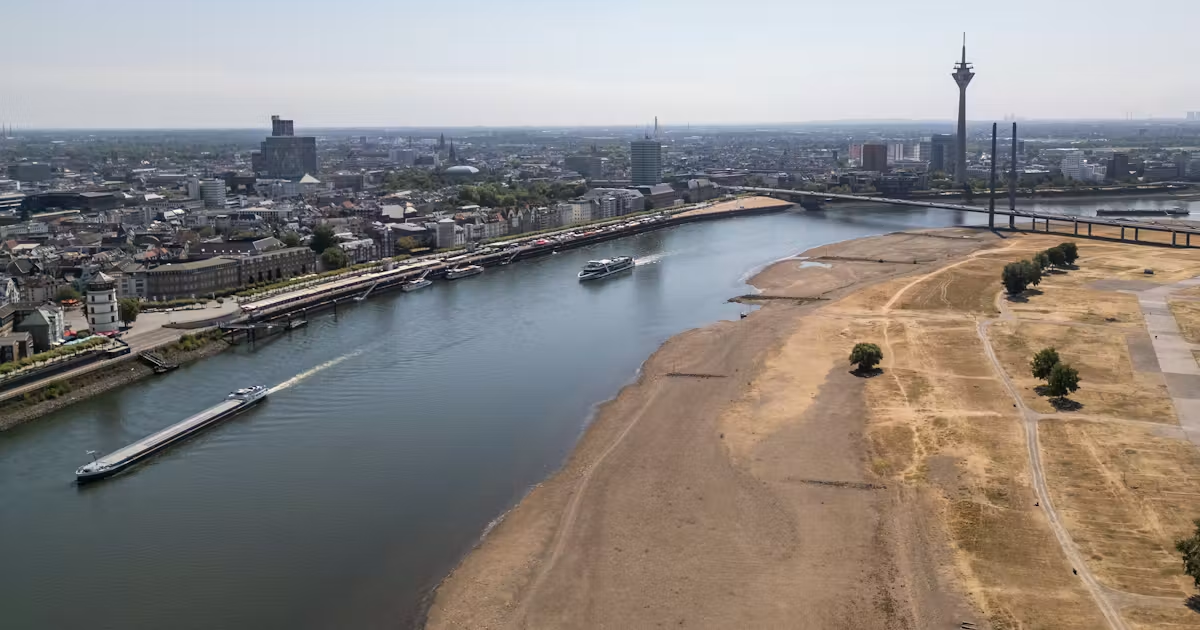
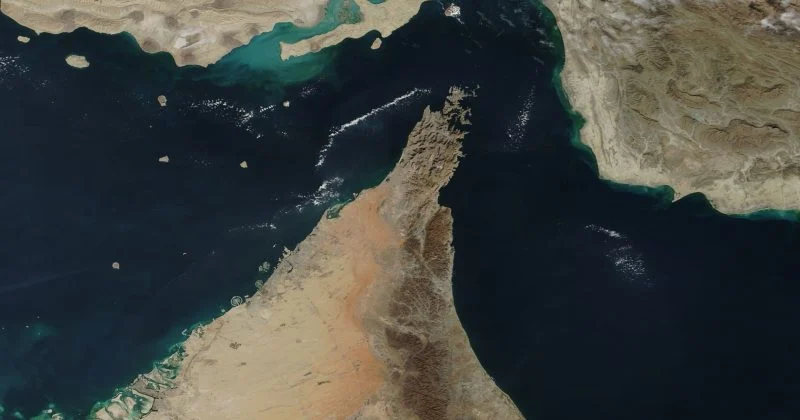
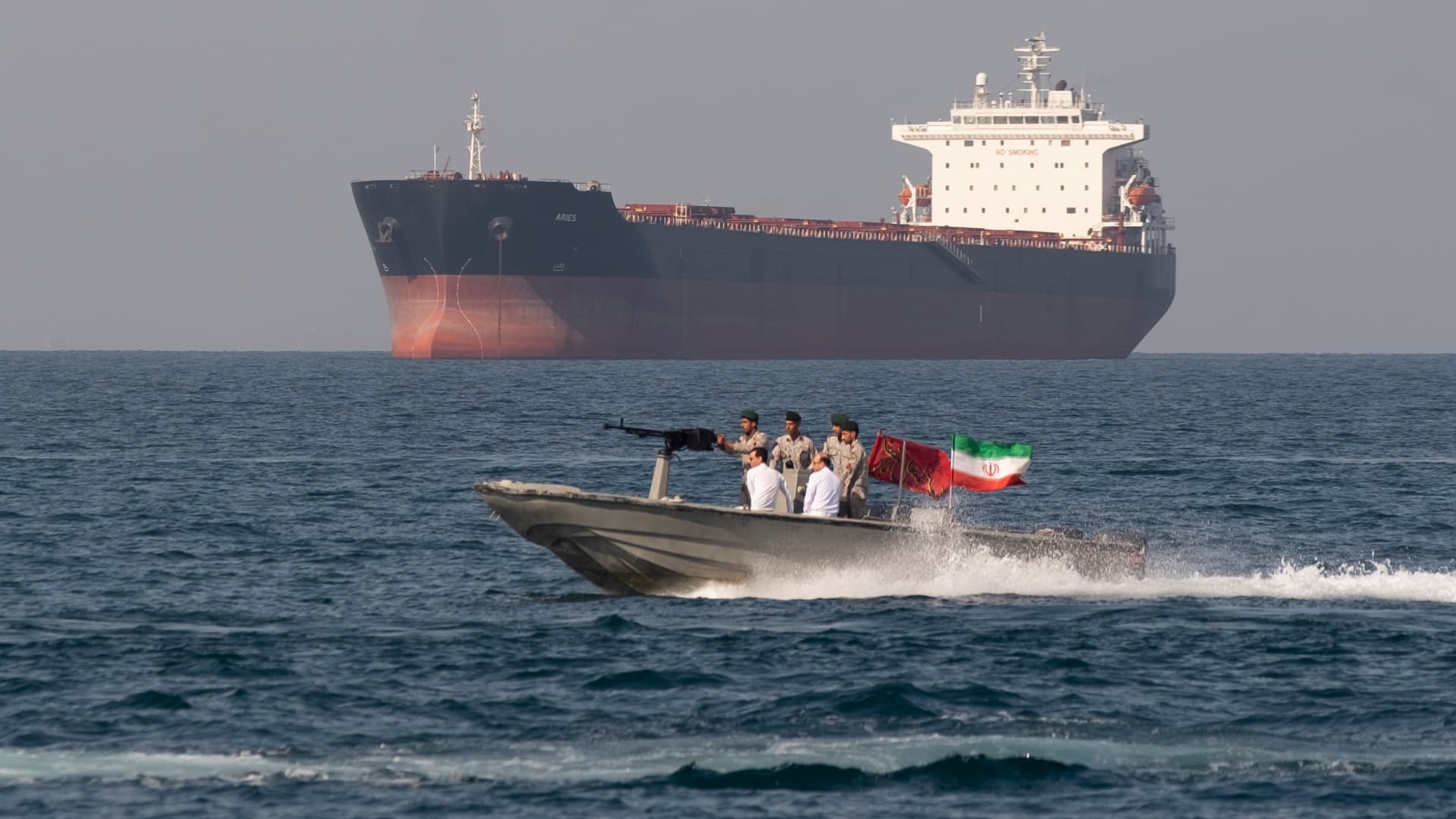
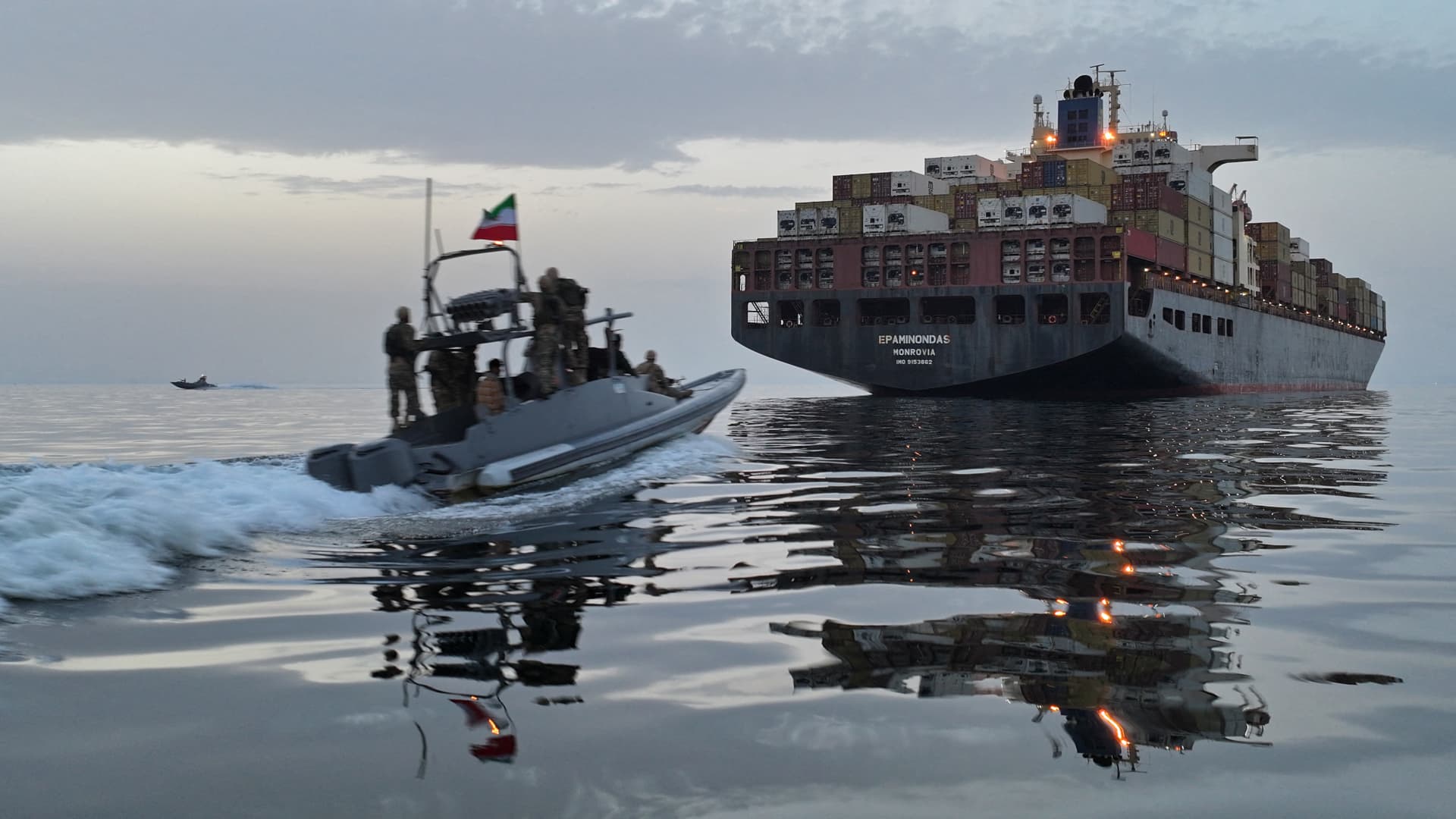
In the Middle East, the Strait of Hormuz remains effectively blocked, while the resumption of Houthi attacks along the Bab al-Mandab Strait is seriously limiting transit. At the same time, Russia’s war in Ukraine is disrupting shipping in the Black Sea, and climate change is increasingly constraining waterways from Europe to Central America.
The econimic fallout has not yet fully materialized. But it will hit the global economy soon enough—and when it does, markets will be scrambling to catch up.
From Hormuz to Panama, pressure on waterways is mounting
In terms of sheer trade volume, the near-complete closure of the Strait of Hormuz has been the most consequential disruption. Maritime trade through the strait accounts for 19 percent of global liquefied natural gas (LNG), 25 percent of global oil trade, and 30 percent of fertilizer trade. And the closure has already pushed up prices for all three commodities.