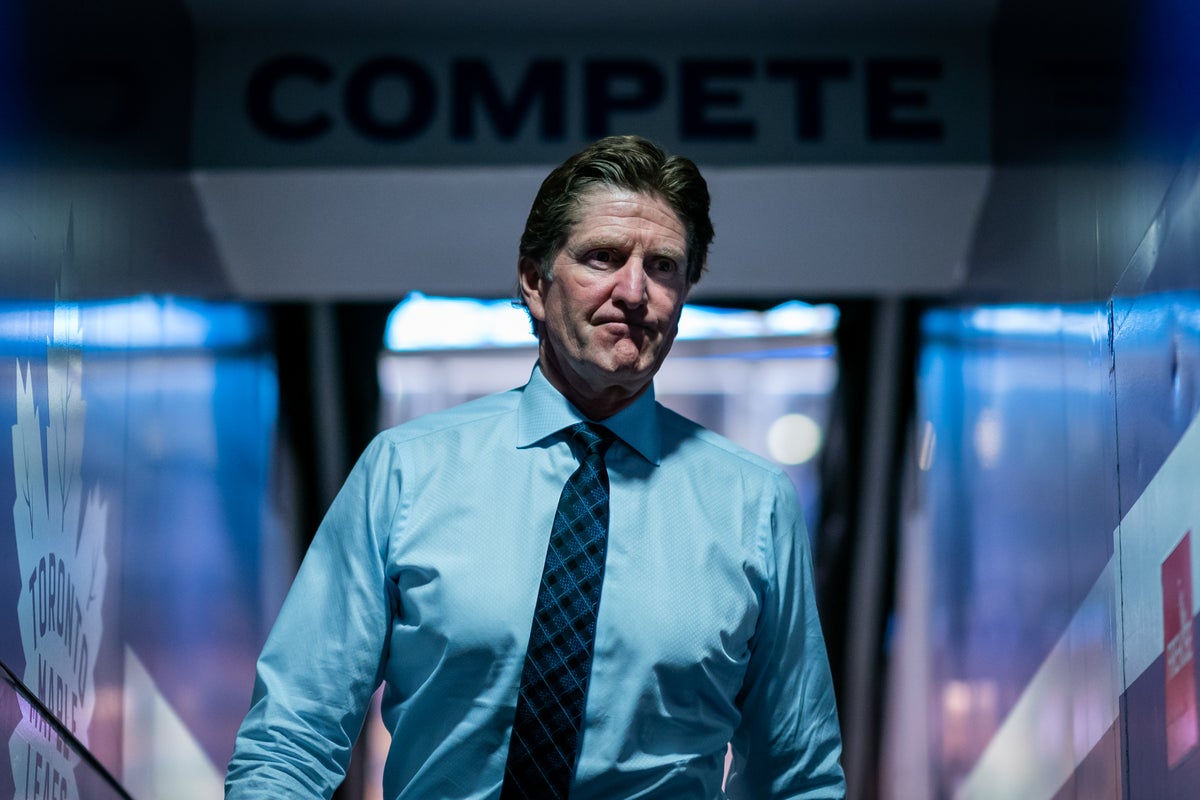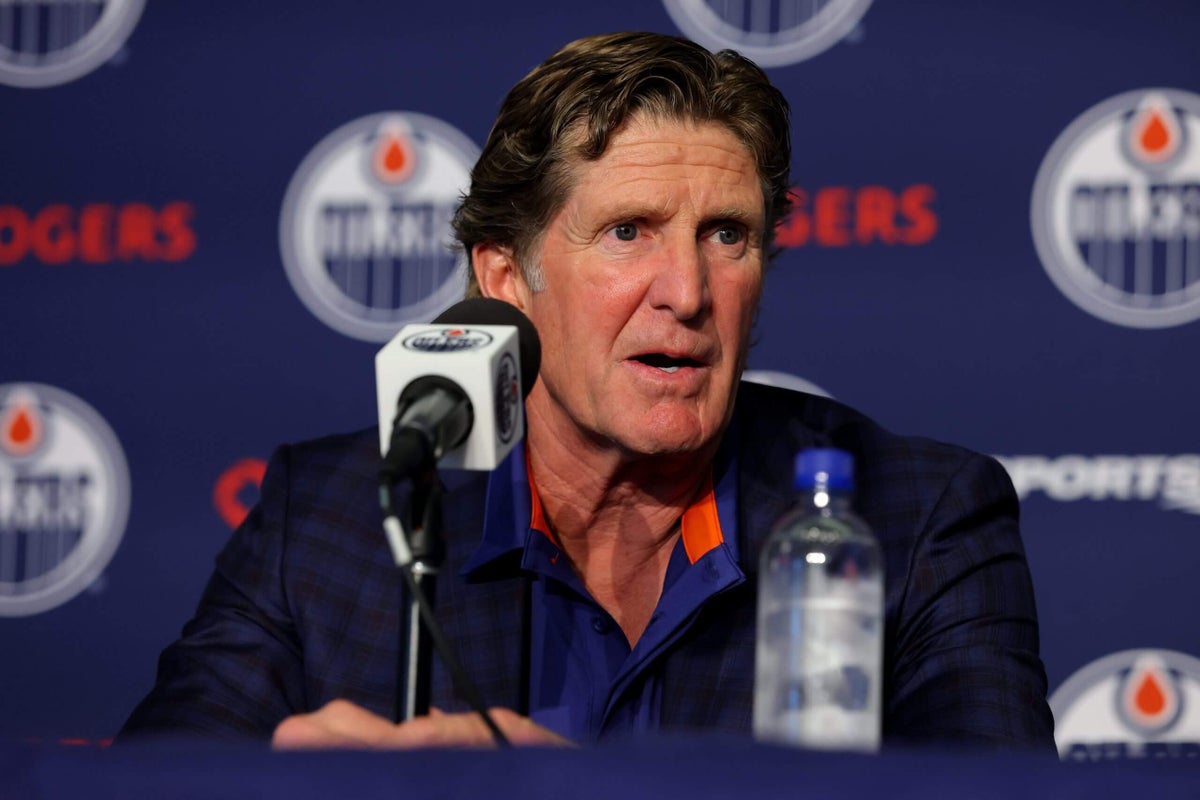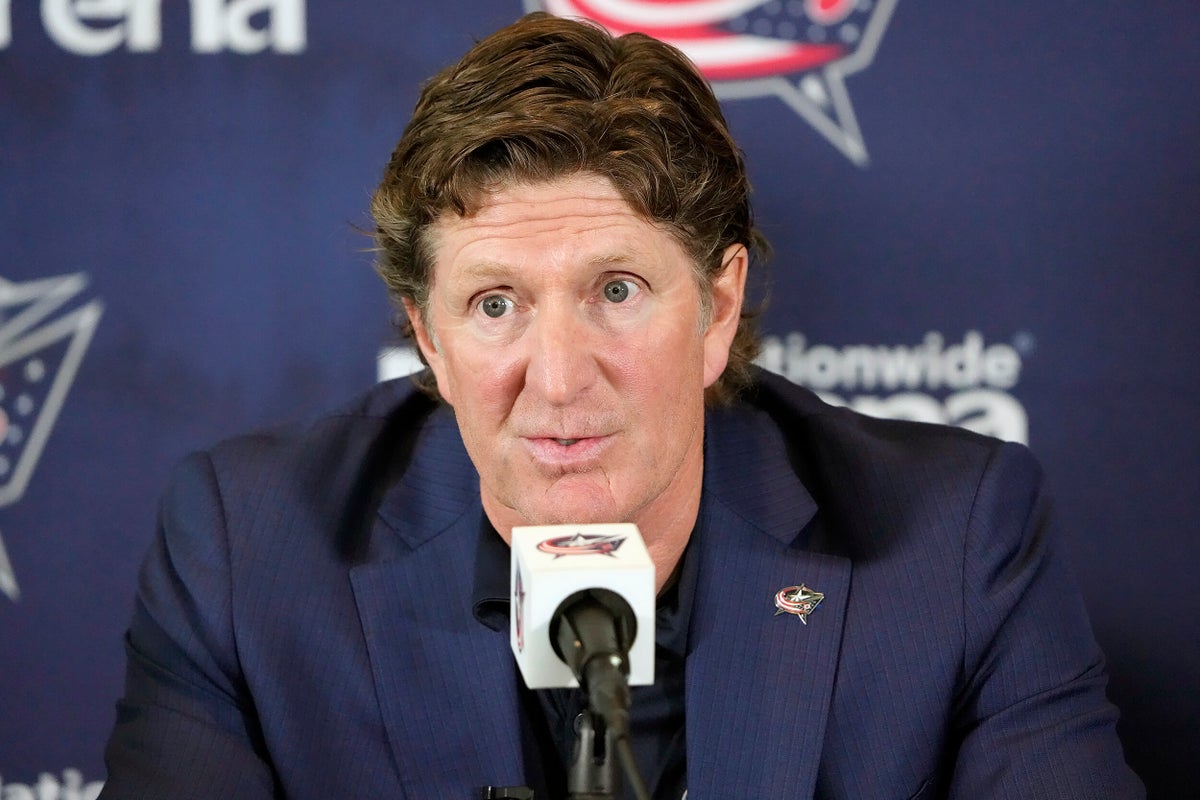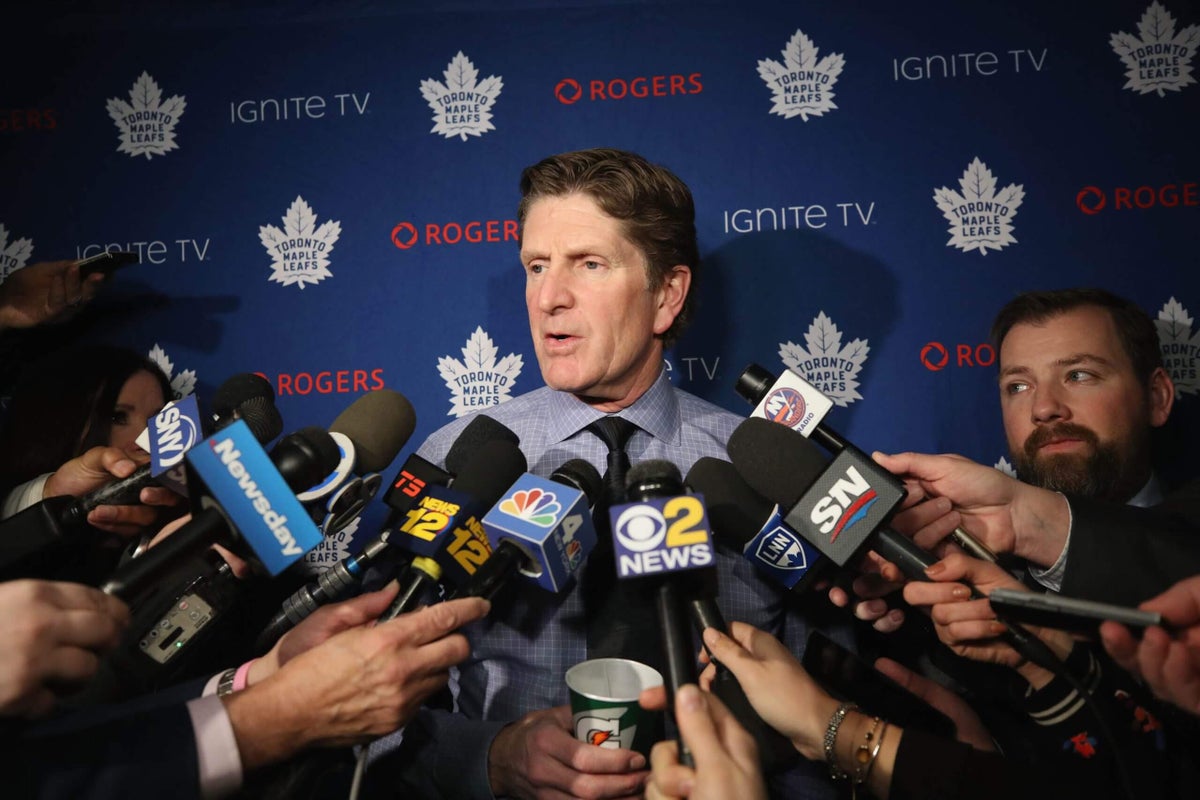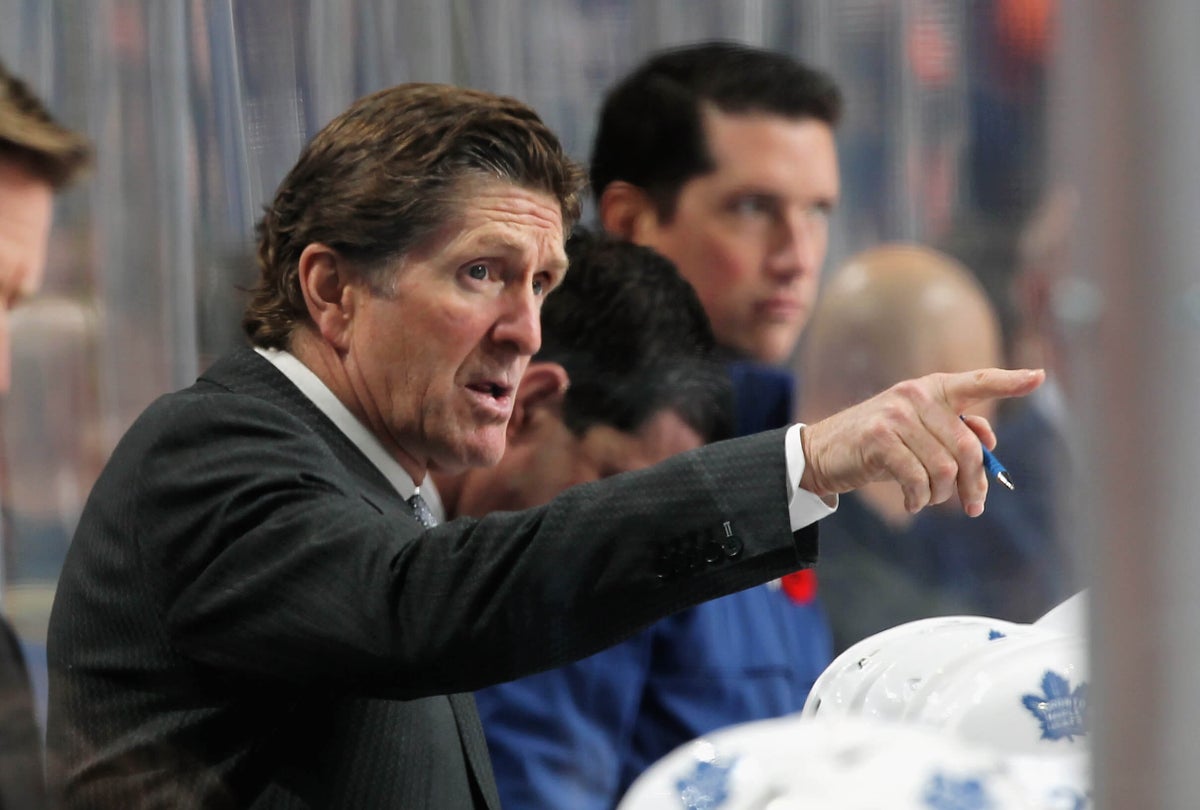
It was nearly seven years ago that Mike Babcock coached his most recent NHL game. His Toronto Maple Leafs, on the heels of three straight first-round playoff exits, were sputtering in November with a 9-10-4 record.It would be disingenuous to liken those 2019-20 Maple Leafs to the 2026-27 Edmonton Oilers. Unlike that Toronto squad, the Oilers are a mature Stanley Cup contender. They’ve knocked loudly on victory’s doorstep. Their time is now.So, while Babcock’s Toronto tenure is by no means a certain blueprint for potential Oilers success, it is still a window into his most recent coaching philosophy — discounting his brief return to collegiate hockey with the University of Saskatchewan. It is therefore worth studying.This exercise does not seek to transplant the past Maple Leafs onto today’s Oilers, nor does it intend to directly address the controversial, off-ice narratives of his Toronto exit.Instead, the purpose is to assess which of Babcock’s trademark tendencies apply to this roster and how they might shape his decision-making. The NHL has evolved since 2019, but the verdict is still out on whether Babcock’s hockey ideology has evolved without being in the league. That lingering question over whether he still clings to the same old-school principles makes the time capsule of his Toronto tenure highly relevant.Oilers should be careful what they wish forSean Gentille and Sean McIndoeStars in checkFinding the exact balance of Connor McDavid and Leon Draisaitl has always been a challenge for Oilers coaches. One of Babcock’s most consequential choices in September will be whether they should drive separate lines, or team up for an unrivalled nuclear option. The effectiveness of that duo waned last campaign under Kris Knoblauch, to the point where the pain affecting the rest of the forward group wasn’t worth it. That makes Babcock’s decision even more compelling.While not of the same calibre, Toronto’s equivalent duo, Mitch Marner and Auston Matthews, only began playing significant five-on-five minutes together following the firing of Babcock, who firmly believed that they should each drive their own lines. Between 2016-17 and 2018-19, the pair averaged just 1:07 per game together at five-on-five.Babcock’s separation of Marner and Matthews was intended to spread the wealth across the forward group. As Matthews matured from a rookie to a consistent play driver, Babcock broke up his effective connection with Zach Hyman and William Nylander in favour of a more balanced three-line attack. Eventually, players like Patrick Marleau and Kasperi Kapanen joined Matthews while Hyman united with John Tavares and Marner.But has Babcock changed his stance this time around? In an interview with Bob Stauffer on Oilers Now, the coach seemingly endorsed McDavid and Draisaitl playing together: “The problem with apart, and if you put (Ryan Nugent-Hopkins) in the mix too, and then (Jason) Dickinson, well there’s no ice time for anybody.”It would appear that Babcock is at least wanting to try McDavid and Draisaitl together. Perhaps having two Hart Trophy winners — who controlled over 61 percent of five-on-five goals together over the last three seasons, via Natural Stat Trick — changes the equation. That strategy could also complement Babcock’s desire for every player to find a meaningful role — 97 and 29 sharing the same minutes could help distribute more minutes across the lineup. That would likely mean less overall ice time for McDavid and Draisaitl.Babcock is no stranger to capping his best players’ minutes: during the 2019 playoffs against Boston, he strictly limited 21-year-old Matthews’ ice time while continuously trusting 39-year-old Marleau in critical situations. This controversial usage peaked in the final minutes of Game 7, when Babcock kept his franchise cornerstone on the bench while deploying the aging veteran as an extra attacker.
What Mike Babcock’s Toronto tenure can tell us about how he’ll coach the Oilers
Which of Babcock’s trademark tendencies apply to this Oilers roster, and how might they shape his decision-making?
1,778 words~8 min read