Free daily briefing on global business news.
The accounts promoted a fake Israeli think tank complete with plagiarized academic articles and a "sovereignty index" that praised Russia
Samuel Boivin/NurPhoto via Getty Images
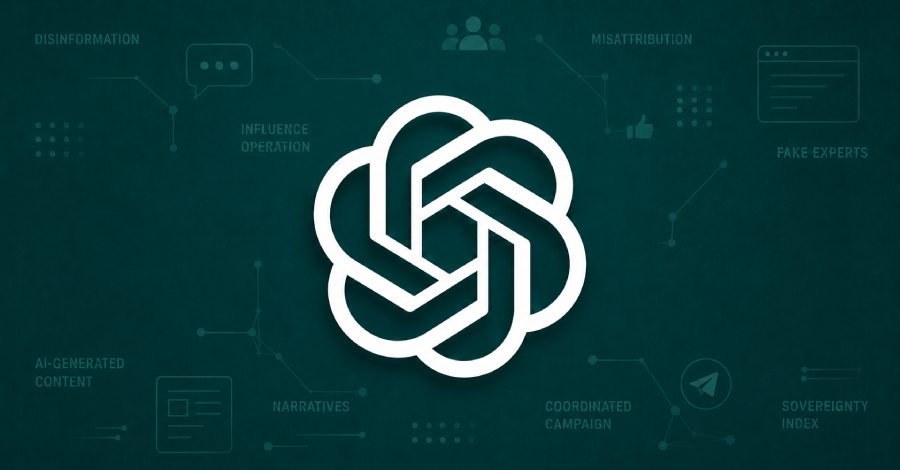
OpenAI banned a cluster of ChatGPT accounts originating in Russia that were being used to support a covert influence campaign promoting a fictitious think tank and spreading narratives favorable to the Kremlin, the company said Tuesday.
To get around OpenAI's prohibition on model access from Russia, the operators routed their connections through VPNs, the company said. Working in Russian, they used ChatGPT to draft social media content that appeared on Substack, Telegram, X $TWTR, Facebook $META and LinkedIn, while directing the model to remove any features of the text that might betray its origins. Most of the generated content was in English.