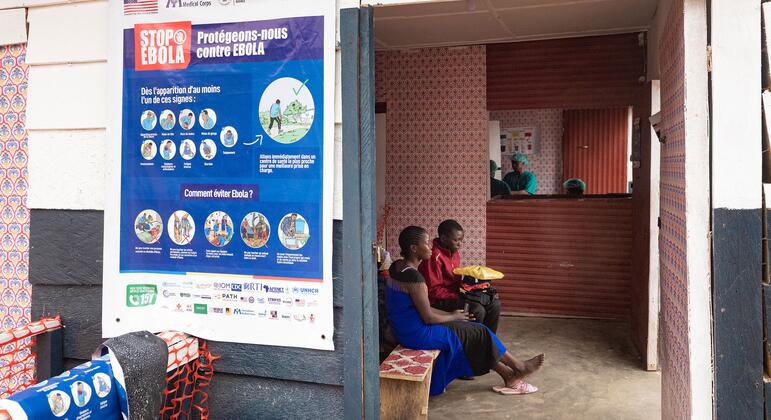
100 days of Ebola and the race to stop the spread
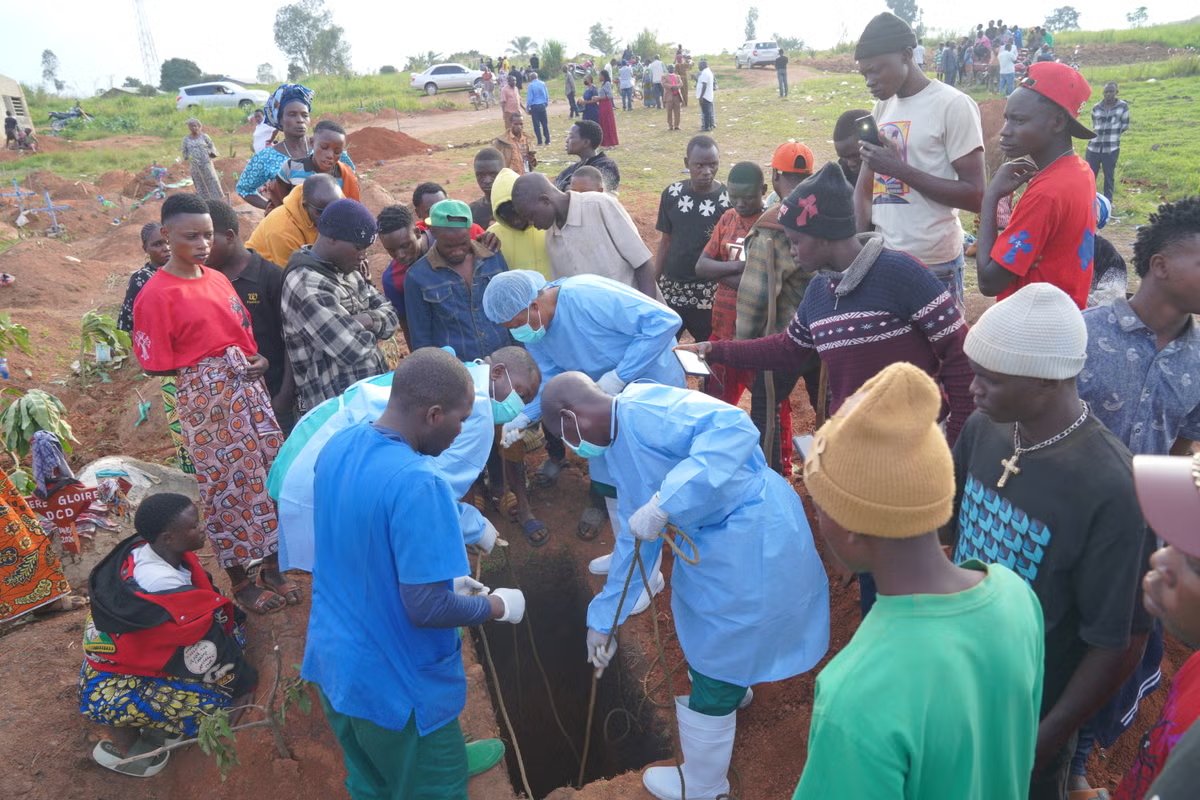
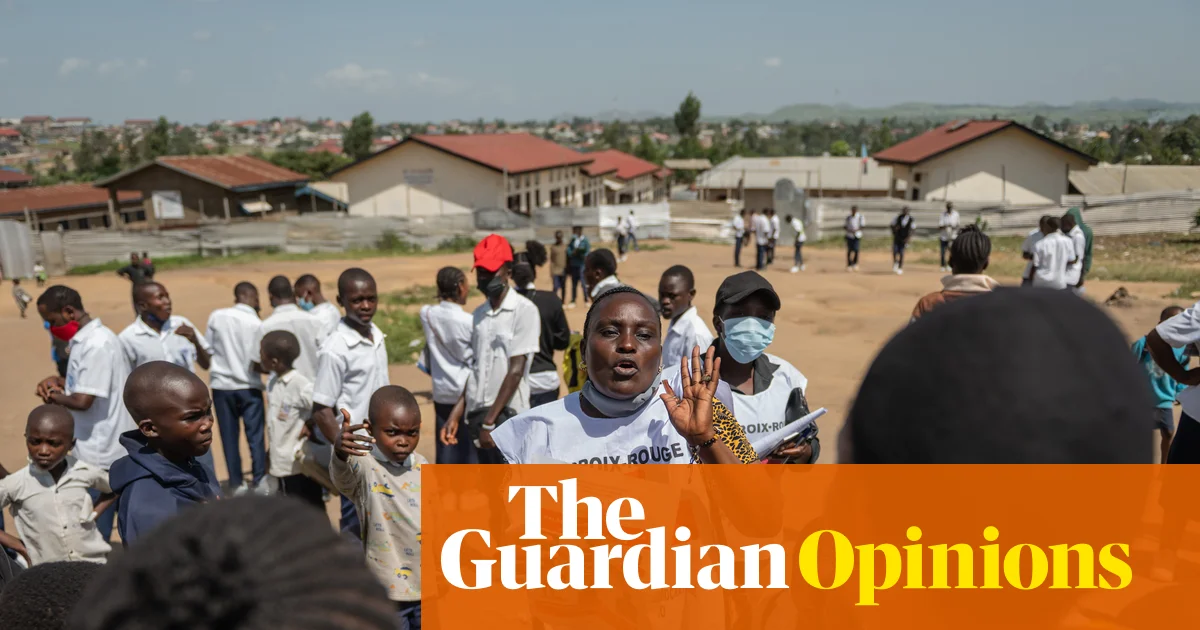
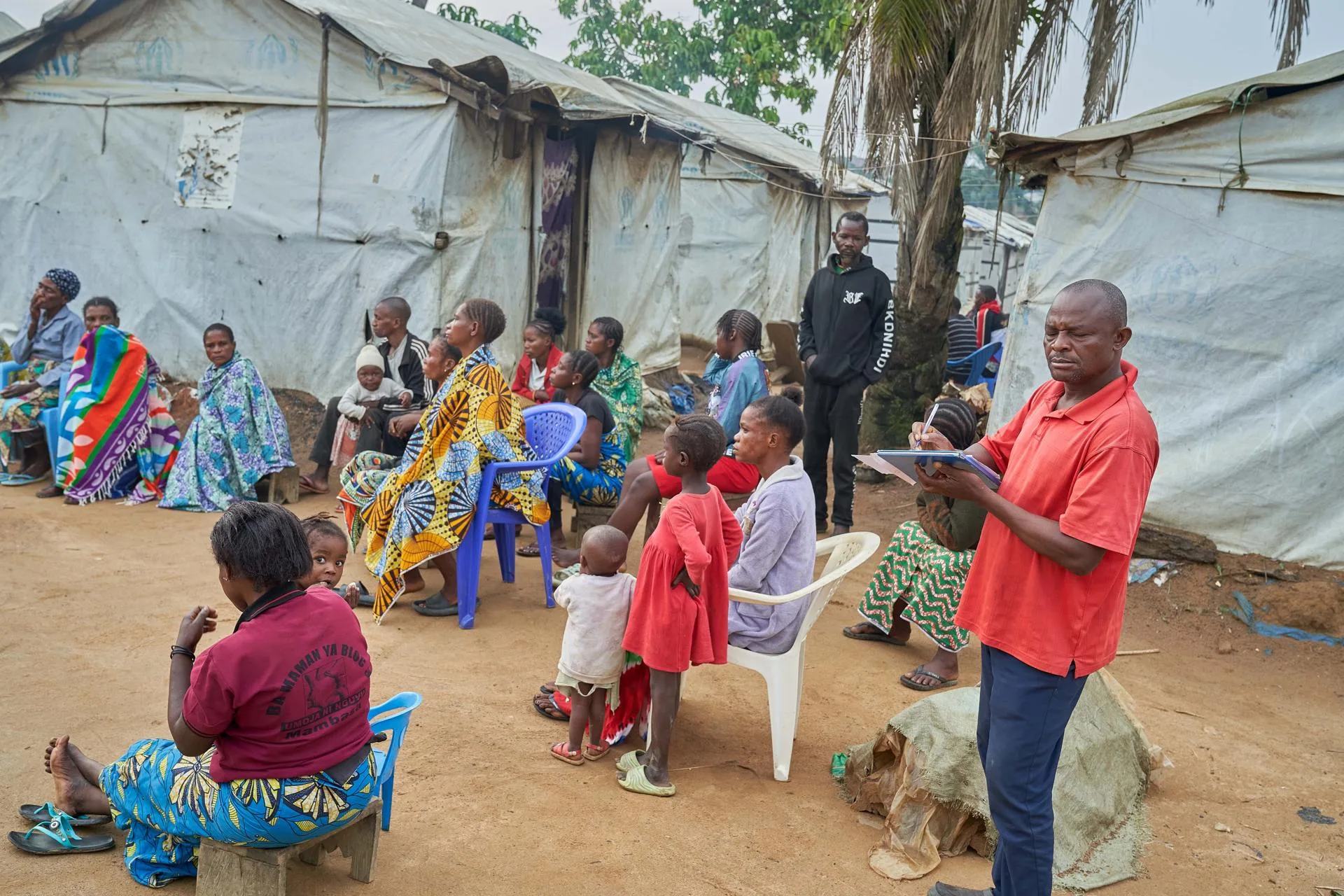
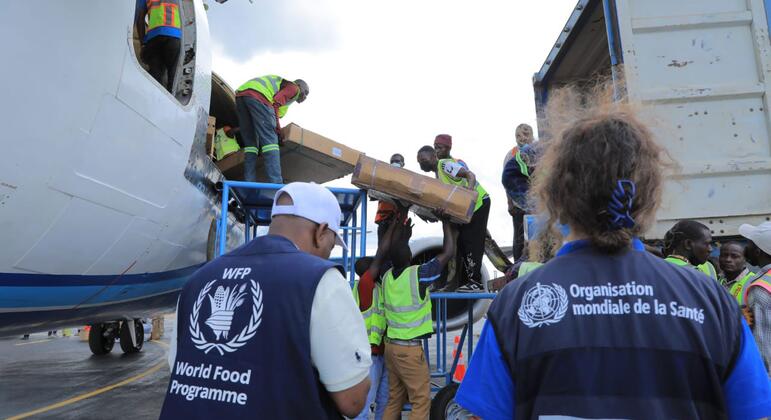
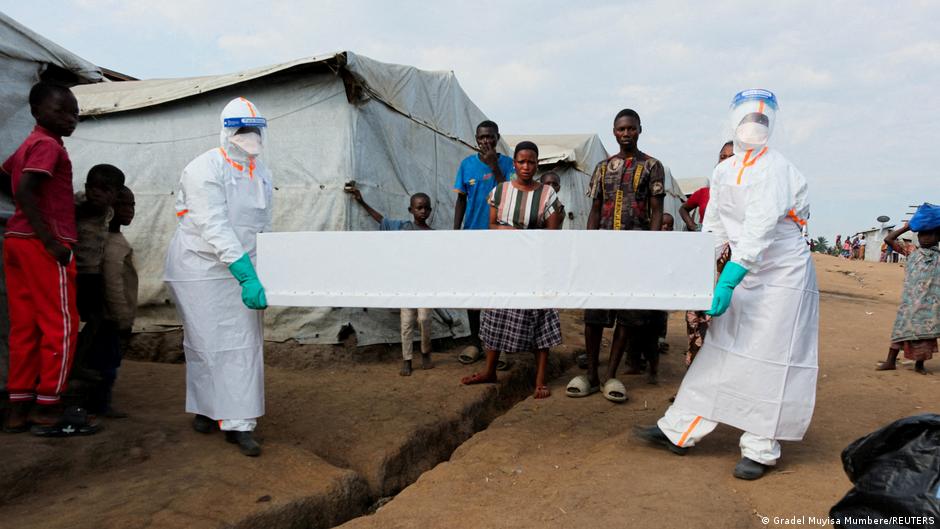
Key pointsThe World Health Organisation (WHO) reports an average of nearly 90 confirmed cases were recorded daily in during the first three months, a rate higher than the 2018-2020 outbreak in the DRCThe latest figures indicate 5,515 cases and 2,642 deaths, meaning the mortality rate is almost 48 per centThe outbreak now affects six provinces, with Ituri remaining the epicentre, accounting for around 85 per cent of cases and 79 per cent of deathsWHO is calling to scale up the response in the face of ongoing situation, compounded by ongoing clashes among armed groups in eastern DRC, conflict-related displacement and growing hunger.“We can bring the Ebola outbreak under control, but only through scaled-up action in affected communities,” said WHO chief Tedros Adhanom Ghebreyesus.He also underlined the importance of a response led by national and local authorities, equipped with the necessary resources and supported by resolute partners.‘Extraordinary’ progressIn 100 days, the response has grown considerably in scale and capacity, with a testing network expanded from a single site to 19 laboratories now capable of analysing more than 3,000 samples daily.Treatment capacity has jumped from fewer than 10 beds to over 1,300, community engagement activities have reached more than 2.5 million people and contact tracing has climbed from nine per cent in the first week of the outbreak to 84 per cent as of 18 August.Scientific efforts have also intensified, with clinical trials of potential treatments, the evaluation of vaccine candidates and the roll-out of the first molecular diagnostic test for the Bundibugyo virus.WHO regional director for emergency response in Africa Dr. Marie Roseline Belizaire told UN News “these are extraordinary advances,” but not yet sufficient to end the epidemic or stop the transmission of the virus.60% of deaths occur outside treatment centresInsecurity, displacement, attacks on health facilities and difficulties in accessing care continue to hamper the response.Mortality rate remains high, both in communities and amongst patients receiving care. Deaths occurring outside Ebola treatment centres accounted for around 60 per cent of the 260 weekly deaths recorded over the last six weeks.This figure highlights the ongoing difficulties in detecting cases early, referring patients swiftly to healthcare facilities and ensuring they have access to treatment, according to WHO, which stressed that interventions must be more tailored to local transmission dynamics and operational gaps, missions in active transmission hotspots must be scaled up and high-risk areas need to be well prepared before cases emerge.