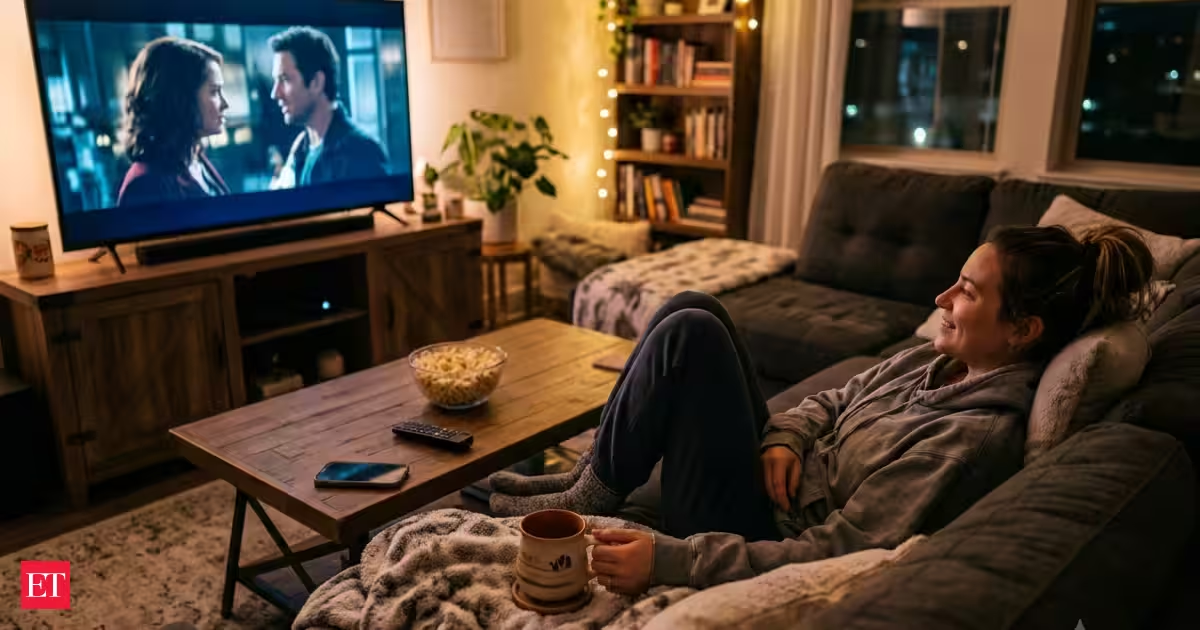
Our film-watching habits are closely tied to our relationship with cinema. Why do we watch films? To lose ourselves in a story? To escape the harsh realities of life and simply relax for a while? There are as many ways of watching films as there are people who watch them. We all have different reasons for sitting down in front of a screen. Sometimes we watch a film to take a break from life. Other times, we watch in an attempt to make sense of it. Even the worst films can offer us glimpses of life and human nature. And perhaps some of what we find there comes from us, too. We may be looking at the film as if it were a map on which we are searching for ourselves – or for a way out of wherever we have become lost.
Today, we watch even old films through modern eyes. Whether a film was made 50 or 100 years ago, the moment it appears on a digital platform, it enters a world shaped by modern viewing habits. Yet, the relationship between cinema and its audience was very different when these films were first made.
Take Charlie Chaplin’s 1931 classic "City Lights." It remains one of the most iconic films in cinema history. By the time it was released, sound films had already begun to dominate theaters. Yet, Chaplin chose to make a film that relied almost entirely on the language of silent cinema.