A new type of prompt injection attack shows why giving AI assistants access to browsers, code tools, and private data deserves extra caution.
AI researchers describe “Cryptographic Context Injection”—an attack that hides malicious instructions inside encrypted data. The AI is then persuaded to decrypt that data using its own code-execution tool. As a result, the AI may treat the resulting text as if it were trustworthy internal information.
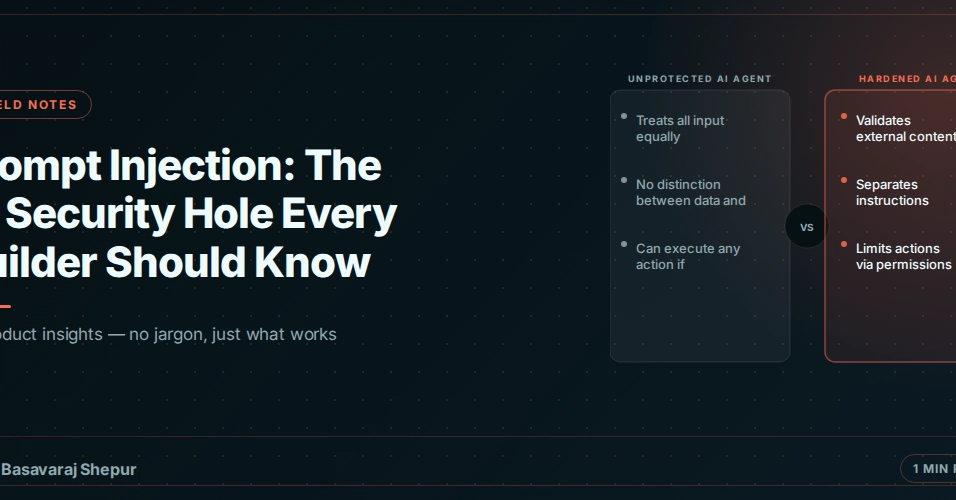
A prompt injection is a bit like leaving a fake instruction inside a document for an AI assistant to read. Instead of following only the user’s request, the assistant may be tricked into following an attacker’s instructions hidden in a webpage, email, or file.
As we reported months ago, experts have warned that prompt injection attacks are a problem that may never be fixed. Prompt injection works because AI models can’t reliably tell the difference between the legitimate instructions and an attacker’s instructions, so they sometimes obey the wrong ones.
To reduce this risk, AI providers set up their models with guardrails: protections designed to stop AI systems from doing things they shouldn’t, either intentionally or unintentionally.