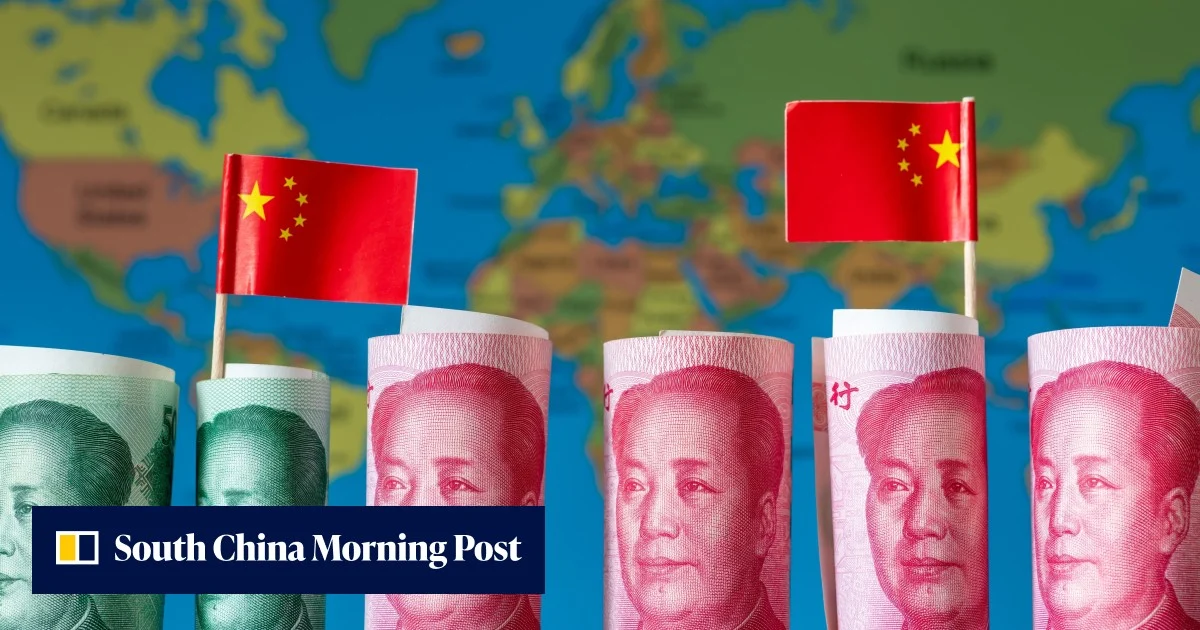
As China is set to flesh out rules that would put individual investors on the same regulatory footing as companies when it comes to outbound investment, covering everything from purchases of overseas property to acquisitions of foreign companies, legal experts said the move will close grey areas long used by wealthy individuals to channel assets abroad.The National Development and Reform Commission (NDRC) on Friday released a draft revision of its measures governing outbound investment and invited the public to comment through September 20. The draft clarifies that the definition of investors extends beyond corporate entities to include domestic individuals and other organisations.Under the draft rules, “the main channels for individual portfolio investments remain secure, but grey-market workarounds will face a shrinking space to operate”, said Li Fan, a Hefei-based lawyer and partner at the Lantai Partners law firm.While companies making overseas investments have long been subject to requirements such as regulatory approval and filing, the lack of similar, specific rules for individual investors has left more room for them to move money offshore and invest through grey-area structures such as offshore shell companies.Li added that direct outbound investments by individuals, such as establishing companies or acquiring enterprises overseas, would no longer be conducted in a regulatory vacuum.02:57China’s anti-corruption fight in numbers: 13 years of data analysedThe revision comes as overseas property purchases, direct investments in overseas businesses, and offshore holding platforms have remained popular asset-allocation choices for high-net-worth individuals in China. Over the past year, China has also stepped up its crackdown on illegal cross-border financial activity and tax evasion through the channelling of assets abroad.
China targets offshore workarounds in new rules for individual investors
Newly drafted rules would expand oversight of direct offshore investments, with more reporting requirements but limited changes for market-linked schemes.
266 words~1 min read